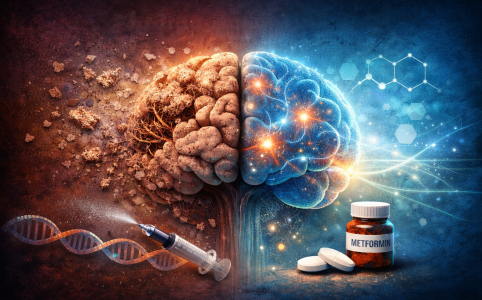
Rethinking Alzheimer’s: What the Future of Treatment Might Look Like
Alzheimer’s is a brain disorder that slowly damages memory and thinking. An affected brain has Amyloid-beta plaques that build up between brain cells as well as...
Alzheimer’s is a brain disorder that slowly damages memory and thinking. An affected brain has Amyloid-beta plaques that build up between brain cells as well as...
Alzheimer’s Disease and Neurofibrillary Tangles: One of the most common neurodegenerative diseases, Alzheimer’s Disease (AD), is a form of dementia charac...
The Story of BDNF and Alzheimer’s The human brain is constantly adapting to experience. Everyday it builds new connections, repairs damage, and keeps sign...
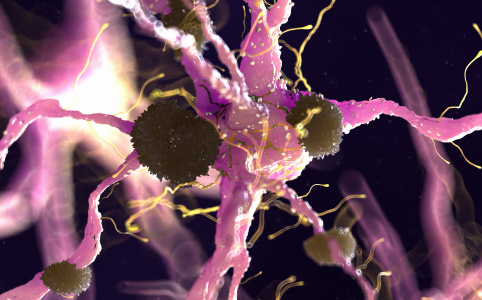
Nobody wants to suffer from Alzheimer’s disease, but what is there to do about it but hope it doesn’t happen to you? However, research shows that there ar...
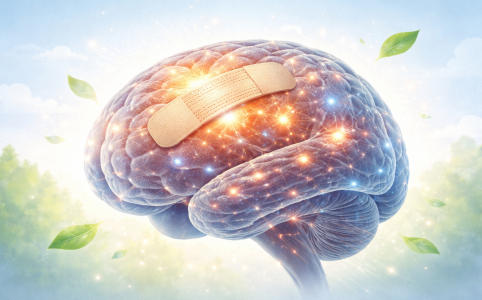
Rest after a Traumatic Brain Injury is not just about symptom relief. It’s a vital biological process that allows the brain to repair itself. Without rest...
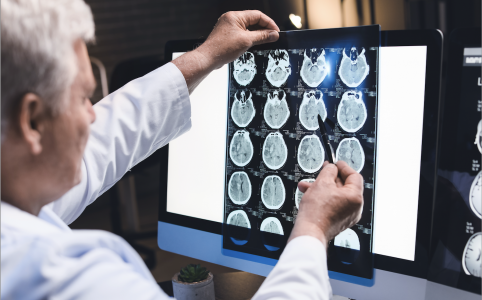
Underlying Physiology There are many underlying physiological functions involved in concussions. Increased amounts of calcium and sodium ions enter cells in the...

Imagine a child taking a hard fall off a bike or a teenager colliding with another player on the football field. They might feel dizzy, sit out for a bit, and t...
As I sit down to write my final blog post, I’m struck by how much this class has not only deepened my understanding of brain chemistry but also reinforced the c...
Glioblastoma (GBM) is one of the most aggressive and treatment-resistant cancers, with a median survival of just 14 months despite advances in therapy[1]. The r...
INSIDE THE TUMOR: THE COMPLEX BIOLOGY OF GLIOBLASTOMA Glioblastoma (GBM) is a highly aggressive brain cancer that stems from glial cells, these ce...