Why should I care about this?
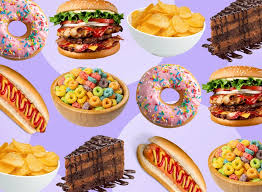
When you eat, your body needs a hormone called insulin in order for your body to utilize the energy in the food. Recent evidence suggests that insulin plays a very important role in the mechanisms behind Alzheimer’s and other neurodegenerative diseases. Often, the foods that taste so good to us, such as ultra-processed foods with large amounts of sugar and unhealthy fats, are not so great for insulin pathways. Therefore, if something that we can control like our diet can influence our risk for a disease as terrible as Alzheimer’s, we should do what we can to avoid developing it.
How insulin can affect Alzheimer’s
Alzheimer’s is characterized by two things, the first thing being NFTs that are formed through abnormal phosphorylation of a protein called tau, and the formation of something called Amyloid-beta plaques which will be referred to as AB plaques from this point forward (1). For a more detailed explanation of the ins and outs of Alzheimer’s, check out this article. Insulin pathways are what we call the chain of events that occur after the introduction or removal of insulin. Some components of these pathways can contribute to the formation of NFTs and AB plaques. One of these components involves an enzyme called GSK-3B, which is essential for metabolism of glucose but it also plays a role in tau phosphorylation. When insulin is not bound to a receptor, GSK-3B is activated, and when GSK-3B is activated, it promotes tau phosphorylation and deposition of AB plaques (2). Therefore, we want insulin to bind and deactivate GSK-3B in order to help prevent the formation and accumulation of NFTs and AB plaques. Another component worth talking about is another enzyme called PI3K. When PI3K is active, it inhibits GSK-3B. When PI3K is not functioning properly, it can lead to overactivation of GSK-3B, causing an excess of tau phosphorylation and AB plaque deposition (2). This is another reason why we want our insulin pathways to be working properly.
How does your diet affect insulin signaling?
Insulin binds to receptors that start the chain reactions of insulin pathways and without them, insulin would simply float there and do nothing. Insulin resistance refers to the ease at which insulin can bind to these receptors, meaning a higher insulin resistance makes it more difficult for insulin to bind properly. Type 2 diabetes is the development of high resistance to insulin, a disease that is characterized by unhealthy diets in those who develop it.
 Interestingly, 80% of Alzheimer’s patients also have type 2 diabetes. When we eat an excess amount of calories, our cells adjust the amount of receptors in order to avoid overactivation of insulin pathways caused by the high levels of insulin released. Highly processed foods are characterized by high levels of sugar and unhealthy fats which are extremely calorically potent and therefore they increase insulin resistance (3). By increasing insulin resistance, we make it more difficult for insulin to do its job, which consequently results in less activation of PI3K and therefore less deactivation of GSK-3B. Additionally, diets that are high in fat can result in chronic neuroinflammation, which also contributes to AB plaque accumulation and NFT formation (4).
What should you do now?
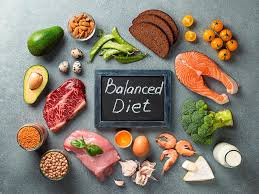
You don’t need to necessarily follow a strict diet to prevent Alzheimer’s, nor will following one make you immune to Alzheimer’s. AB plaque accumulation and NFT formation are heavily influenced by insulin signaling, but they are also influenced by other things as well. Chances are, other consequences of an unhealthy diet are more likely to kill a person much before they start to develop Alzheimer’s, such as high blood pressure, diabetes, heart failure and a higher risk of cancer. If anything, these should be a much more compelling reason to change your diet. Being more aware of what you are eating, like how much sugar is in something and how many calories, can go a long way in changing eating habits. Changing your diet doesn’t mean following a well-known diet or only eating healthy foods, it can simply involve reducing the amount of unhealthy things you eat. As with everything in life, moderation is key. So maybe next time you get some candy, get the normal sized package instead of the share size. Or before you upgrade your meal at McDonald’s to a large, think about if paying an extra thirty cents for more food is really needed or if you simply want to do it because it is a better deal.
- Breijyeh, Z., & Karaman, R. (2020). Comprehensive Review on Alzheimer’s Disease: Causes and Treatment. Molecules (Basel, Switzerland), 25(24), 5789. https://doi.org/10.3390/molecules25245789
- Akhtar, A., & Sah, S. P. (2020). Insulin signaling pathway and related molecules: Role in neurodegeneration and Alzheimer’s disease. Neurochemistry international, 135, 104707. https://doi.org/10.1016/j.neuint.2020.104707
- Ede, G. (2016). Avoiding Alzheimer’s Disease Could Be Easier Than You Think. Psychology Today. https://www.psychologytoday.com/us/blog/diagnosis-diet/201609/avoiding-alzheimer-s-disease-could-be-easier-you-think\
- Song, M., Bai, Y., & Song, F. (2025). High-fat diet and neuroinflammation: The role of mitochondria. Pharmacological research, 212, 107615. https://doi.org/10.1016/j.phrs.2025.107615
