Underlying Physiology
There are many underlying physiological functions involved in concussions. Increased amounts of calcium and sodium ions enter cells in the brain, leading to problems in structure of the cell and communication between cells. When everything is functioning properly, calcium is heavily regulated in the brain, as small amounts cause large effects, so this increase can cause drastic changes. The problem that will be focused on here, is the energy crisis that occurs within cells following a concussion. [1]
Energy crisis
Cells want to keep everything balanced and do so by trying to maintain homeostasis. Under normal conditions, ions are constantly flowing in and out of cells, and cells have pumps to help them get their ions where they are “supposed” to be. However, concussions cause an influx of ions (described above), which forces these pumps to work extra hard to try to maintain homeostasis. These pumps require energy to do their jobs, so the energy of the cell gets depleted and the cell enters “energy crisis.” To help deal with the excess calcium, the mitochondria, which are responsible to help create the energy used by the pumps, of the cell store extra calcium which causes mitochondrial dysfunction. Therefore, this “energy crisis” due to the pumps using a lot of energy is worsened by mitochondrial dysfunction not producing energy as effectively. [1]
Click here to learn more about mitochondrial dysfunction after a concussion
Continued Vulnerability
The energy crisis period varies between individuals and is especially dependent on age. While an individual is in this period, they are a lot more likely to suffer from a second concussion. The brain has not had time to fully recover from the first concussion, and while energy crisis is ongoing, a second concussion is more likely and causes more severe and long-lasting effects. This is why avoiding high risk situations, like contact sports, are important for a period following the injury. [1]
Detection and Measurement
There is no current way to accurately measure concussions on a physiological level that is feasible for use of athletes or in other quick situations. Current concussion protocols cannot ensure that an individual did not enter or is not still in a susceptible state due to this energy crisis. Further research into detection impaired brain activity is crucial for enhancing concussion protocols and protecting athletes’ brains. [1]
Check out the Scat6 used for concussion assessment
Oxidative Stress
Balance is very important in our brains. For proper function, we need the “right” amount of everything involved, and problems occur when we have too little or too much of something. Oxidative stress describes a specific imbalance that occurs. In our brain we have free radicals and antioxidants. Both are important for normal functioning, however, when the balance becomes off and we have more free radicals, it leads to many problems. Free radicals are unstable; they are looking for an electron. Under normal conditions, antioxidants give one of their electrons to free radicals. However, when these molecules are no longer balanced, free radicals search the body for other molecules to steal this electron from which causes harm to cells and tissues. [2] Concussions, especially repeated concussion are linked to oxidative stress which is a key player in neurodegenerative diseases like Alzheimer’s and chronic traumatic encephalopathy (CTE). [1]
Future Risks
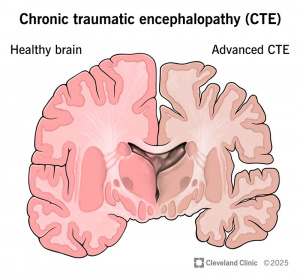
Therefore, it is important to keep athletes on the sideline to allow the brain time to fully recover so that permanent damage does not occur. Researching better ways to detect impaired brain activities post-concussion is essential for evaluating if someone has a concussion and at what point their brain has made a full recovery and they are no longer at high risk for suffering another concussion. [1]
[1] Giza, C. C., & Hovda, D. A. (2014). The New Neurometabolic Cascade of Concussion. Neurosurgery, 75(Supplement 4), S24–S33. https://doi.org/10.1227/NEU.0000000000000505
[2] What Is Oxidative Stress? (n.d.). Cleveland Clinic. Retrieved February 3, 2026, from https://my.clevelandclinic.org/health/articles/oxidative-stress
[3] What Causes CTE? (n.d.). Cleveland Clinic. Retrieved February 9, 2026, from https://my.clevelandclinic.org/health/diseases/17686-chronic-traumatic-encephalopathy-cte
