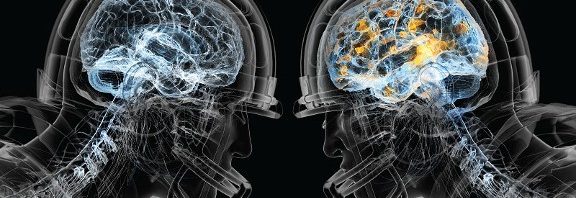
Concussion is a topic on the rise and with the increase in awareness by the movie Concussion with Will Smith. People need to realize a concussion is more than just getting a bump on the head. Rather it has other life-threatening effects too.
After receiving a head injury, membranes of neurons in the brain are subject to being broken and this causes an influx of calcium and sodium ions and an efflux of potassium ions. The increase of these ions causes an action potential to travel down the cell neuron and allow for calcium ions to enter the cell and release the neurotransmitter glutamate. To restore the neuron back to normal, the sodium/potassium pump kick into overdrive to restore normal ion concentrations in the neuron. The pump requires energy or ATP.

Energy Crisis
Since the sodium/potassium pump is in overdrive, it will consume more ATP than before causing hyperglycolysis. During this time ATP production is at an all-time high to provide energy for normal brain functioning as well as repairing itself. On average, it takes 7 to 10 days for an adult brain to heal itself. While it may take longer for younger brains.
The Key to Recovery
Rest is the key to recovering from a concussion.
Even if a concussed person feels fine after a few days at home. They are still susceptible to further concussions if they don’t wait for full 7 to 10 days.
While potassium, glutamate ions are back to normal concentrations within a day. Calcium ions are normal after 4 days, and glucose and cerebral blood flow are normal after 7 to 10 days. Cerebral blood flow is critical in supplying the brain with the right amount of blood.
Return to Play
For athletes, it may be easy to get back on the field to help your team win and feed the desire for competition after receiving a hard hit and feeling a little dizzy. While the truth is they have a concussion. It takes 7 to 10 days for a concussion to pass, and going back on the field is more harmful than good. With the right steps, an athlete will return back onto the field, 100 percent both mentally and physically.
After receiving and recovering from a concussion, there’s still a sense to still being cautious about receiving concussions. Chronic traumatic encephalopathy (CTE), it is a degenerative disease of the brain found in people with a history of repetitive brain trauma. CTE is more serious than it sounds.
The symptoms of CTE include memory loss, confusion, impaired judgment, impulse control problems, aggression, depression, anxiety, suicidality, Parkinson and progressive dementia.

Image retrieved from: http://ami.org/meetings/2015/chronic-traumatic-encephalopathy/
Risk and Reward
Even though there are risks involved with impact sports. Kids or anyone in general, are encouraged to go outside and enjoy their time trying new activities. It’s better to know what can go wrong, and be knowledgeable when symptoms of a concussion arise to help protect kids and athletes. With better research and equipment in the future, it will help limit the problem of concussions from occurring.
Concussions: Why It Matters