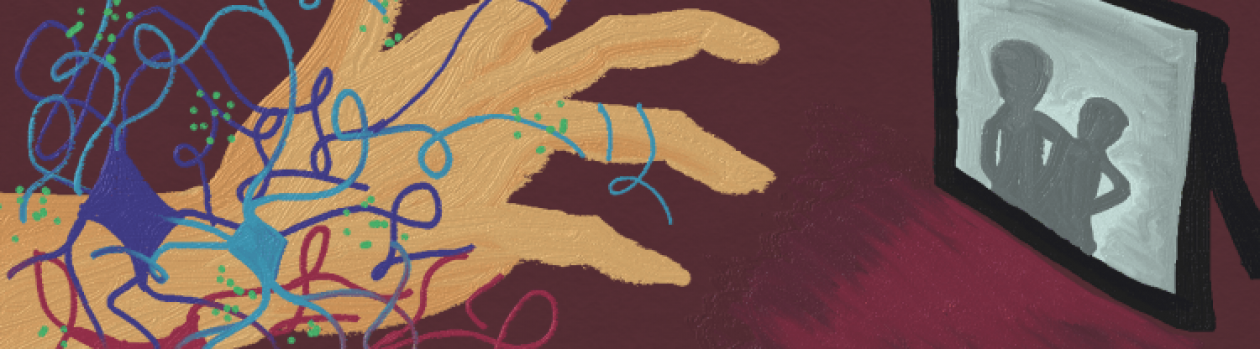
Addicted Babies

Opioid addiction is the topic of this week’s discussion and whenever addiction is mentioned so is withdrawal and rehabilitation. Early symptoms of withdrawal include but not limited to: agitation, anxiety, muscle aches, insomnia, abdominal cramping, diarrhea, nausea, vomiting. These withdrawal symptoms can begin to take place anywhere from 12 to 30 hours after the last usage depending on the drug. More about opioid withdrawal can be found at: http://www.nlm.nih.gov/medlineplus/ency/article/000949.htm


As depressing as it may sound, new babies can be born addicted to drugs.  When women addicted to narcotics/opioids become pregnant, they can’t just stop the drug use because of their pregnancy (wanted or unwanted).  Therefore, in the womb a baby is fed the opioids taken in by the mother. Eventually the baby will become addicted to the drug as well. After birth, infants, like their mothers, will also experience withdrawal after their last exposure to the drug. For infants especially, withdrawal can be a very painful, trying process. Pharmaceutical agents have been created that can help induce withdrawal specifically in highly intoxicated infants and ease these withdrawal symptoms. These include Suboxone and Suptex, both of which contain a drug called buprenorphine, while Suboxone also includes naloxone. Buprenorphine supposedly speeds up the detoxification process, while naloxone induces withdrawal by blocking opioid receptors in the brain. Naloxone is only used in the most severe cases and has been known to cause side effects worse than withdrawal symptoms in infants, so it is being used with caution for the time being. There are other treatments and drugs that exist as well, some of which are mentioned below and explained at: http://aappolicy.aappublications.org/cgi/reprint/pediatrics;101/6/1079.pdf
 
Neonatal Abstinence Syndrome
Babies born with an addiction to drugs have what is called Neonatal Abstinence Syndrome or NAS. After birth test are conducted such as a toxicology screen and urinalysis to determine if a baby actually has NAS. When the severity of the infants addiction is understood specific treatments are carried out on a case by case basis. The effects of a drug in the womb leads to symptoms such as low birth weight, birth defects, higher risk for SIDS and being stillborn, premature birth, etc. Most of these infants must stay in the hospital (instead of the normal 48 hour period) for two weeks or longer depending on their state of addiction. In addition to drugs, the best treatment babies can get is comfort via pacifiers, cuddling, swaddling and dark-lit rooms to help with sensitivity to surroundings.
Prevention
According to the March of Dimes around 4% of all pregnant women are on illicit drugs. The best treatment for NAS is simply prevention altogether. By helping moms lose the habit and drug addiction will help stave off this nasty outcome in infants.
 

If you or anyone you know is trying to stop their narcotics/opioid addiction please contact a doctor, drug treatment facility, Narcotics Anonymous, SMART Recovery or the Here to Help program at 866-973-HERE (4373) or visit http://heretohelpprogram.com/treatment/here_to_help.aspx


Understanding Opioids and Their Importance

This week’s topic deals with Opioid addiction. Opioids are a drug class which includes morphine, hydromorphone, hydrocodone and codeine. Opioids have been used for medicinal purposes, for example the administration of morphine for pain management. Opioids however present problems because of the fact that they are highly addictive. Understands the mechanism of addiction is important for expanding the positive medicinal uses and also for the treatment of addicts. Dopamine is a neurotransmitter that has been researched intensely and shown to be released in Opioid use, leading to addiction. Neurotransmitters are chemical molecules found in the nervous system which send signals and are used for “communication” between cells; they play various roles in important processes from learning to hearing and the feeling of pain. Dopamine is responsible for the “pleasure” feeling associated with the use of many addictive drugs. Simply understanding the actions of dopamine however is not enough. In order to gain a greater perspective the actions of other chemicals in the brain must be elucidated. Glutamate, another neurotransmitter, has been shown to be another major player leading to opioid addiction. Understanding the actions of glutamate in the brain in terms of addiction, and its interaction with other molecules including dopamine can lead to future drug design and treatment options.  A major issue with continued drug use is tolerance. Tolerance is undesirable for medical treatment with opioids because its purpose, decreasing pain, will no longer occur without increased dosage. In terms of addicts tolerance can lead to increased drug use, further addiction and dangerously high doses used. The following video shows one mechanism of how opioid tolerance is developed.
A Mechanism of Opioid Tolerance
Further information can be found from the following source article.
https://moodle.cord.edu/file.php/7816/GluR_and_DA_in_opiod_addiction.pdf
                It is useful to put into context why research into topics such as this is important. The medical value is easily seen; for example if a patient was to sustain a painful injury this pain could be mediated with the use of a drug such as morphine, it would be important to control the addictive properties of such a treatment. In another vein many countries including the United States have a substantial drug problem and current methods of mediating this issue have been marginal at best. Incarcerating addicts often times leads to relapse upon release and a reoccurring cycle between imprisonment and falling back into addiction can easily occur.  Being able to attack this issue from other angles; treating addicts successfully at a biological instead of social level could potentially lead to a reduction in drug related crime, less tax dollars spent on prisons, and a healthier country.

Oh No Opioids

Dangerous, even in moderation
Opioids and opioid addiction are common problems in our highly medicated society. They are prescribed in cases of severe and chronic pain to assist patients in overcoming pain so they can continue an active and productive lifestyle. Unfortunately, opioid analgesics can produce addiction, tolerance and dependence after prolonged use. Such prescription drugs as hydrocodone, hydromorophone, oxycodone, fentanyl, meperidine, methadone and morphine, have all been shown to increase user morbidity and have strong drug dependence rates. North America has the highest prevalence of opioid painkiller dispension in the world and it has been related to increasing rates of medication illness and death. The rate of unintentional medication poisoning has been rising for 15 years and is now the second highest cause of unintentional injury hospitalization in the United States. There are obviously dangers associated with the prescription of opioid analgesics, but can the dangers be overcome.
http://www.physorg.com/news189747766.html
http://medicalxpress.com/news/2011-08-prescription-opioids.html
A Poor Reward
The review paper for this week describes opioid addiction and some current research into the topic. Opioids are so addictive because they manipulate the reward system in the brain. When an opioid reacts with the brain it causes a release of dopamine and glutamate. These reduce the feelings of pain and can facilitate feelings of euphoria and pleasure. The body recognizes these effects as beneficial and activates the reward system, which basically tells the brain that this may be an effective way to resolve pain in the future. However, continued use of opioids in this fashion is what begins the spiral to tolerance and dependence. When opioids are used consistently, dosing needs to be steadily increased to feel the same level of relief, this is tolerance at work. Dependence, on the other hand, occurs because the brain recognizes its inability to naturally generate pain relief as effective as opioid medications. Therefore, cravings of the medication are created to signal the desire to return to the state of relief undergone after the use of opioids. Eventually this state becomes perceived as the “normal state” and without the opioid the person can feel depressed and anxious as well as other negative symptoms. These negative symptoms felt after stopping or lessening a drug the body has become dependant upon is known as withdrawal.
Hope-ioids
Good news, there is hope for opioid addiction. The study describes medications used to help block the feelings of withdrawal or even circumventing addiction all together by manipulating the function of dopamine and glutamate, the chemicals mentioned earlier that are released by the brain in the presence of opioids and are suspected in the development of addiction and dependence. Most of these medications have only been tested in animals and are a ways from being available for human use, but the progress is encouraging. Even though the mechanism for addiction in the brain is complex and the scientific and medical community have not reached consensus on the subject, pieces of the puzzle are slowly but surely being uncovered and fit together. I think we can all look forward to a day when chemical dependence has less sway over people requiring medications for chronic health issues.

Mickey wants some morphine: CPP and its ramifications for drug addiction

How can one test the addictive qualities of certain substances? The most reliable way would be to get some honest (and willing) human subjects to try the substances themselves and describe in perfect detail the psychological and physical results of their use. However, its not easy to obtain willing human subjects (and even if they were willing, there are experimental ethics dilemmas as well) so our scientific community has come up with the alternative solution, albeit a controversial one, animal testing.  The lucky animals that receive the brunt of our initial testing focus are mice and rats. However, because we don’t live in a Disney movie, we can’t simply speak with the animals and ask how they’re feeling. The inability of mice and rats to communicate with us directly requires some clever experimental design.
A common way to trust substances for addictive qualities is through the monitoring of conditioned place preference (CPP). An addictive substance will influence a mouse to attach itself to the certain area of the cage where the drug was administered, a portrayal of drug seeking behavior that characterizes so many chemical addictions.
1
The above picture displays a common apparatus used for testing CPP. A rat is initially habituated, allowed to free roam the cage until it is shut inside a certain section, and subsequently given a dose of a certain substance/drug. This process is repeated a certain number of times. Finally, the rat is allowed to free roam the cage. If the drug is addictive, the rat often lingers in the place it was administered. If the drug it was given produced undesirable effects, the rat will avoid the area the drug was administered (conditioned place aversion or CPA).
Many commonly consumed drugs by humans are tested on rats in this way. Morphine, heroine, cocaine, opioids (ex. endorphins), and methamphetamine all result in CPP. Some substances, like alcohol and nicotine, can produce CPP in some cases and CPA in other cases. Drugs that inhibit our dopamine release (which causes the “feel-good” feeling or “runner’s high” strongly associated with addiction) produce CPA. By extension, drug treatments can be found by finding substances that can counteract CPP for addictive substances.
Is CPP/CPA tested on rats and mice a reliable model for humans? Do the possible rewards (enhanced drug addiction treatment, knowledge of what drugs can be addicting) outweight the possible drawbacks (getting mice addicted to potentially harmful substances)?
1) http://www.accuscan-usa.com/product/CPP—Conditioned-Place-Preference/1012
2) http://www.sciencedirect.com/science/article/pii/S0301008298000604#sec3.1.1
 

Why Age?

Michelangelo’s Statue of David is about 506 years old.  The statue is in excellent shape despite its significant age and now stands in the Galleria dell’Accademia in Florence.  Michelangelo on the other hand is now dead; and has been since February 18, 1564.  What happened?  Why do the atoms of David remain in their fixed shape, as they were when Michelangelo finished the statue so long ago?  And why did Michelangelo’s atoms change their composition to such an extent that he lost his consciousness and physical structure?  Michelangelo is not the only person with this issue.  All compositions granted the title of “Life” have the same problem; they change, and they die.
 
Recent research into this phenomenon has revealed that organisms have a “program” that drives aging and consequently death.  It is called Apoptosis, or programmed cell death.   Apoptosis is triggered by many cell signals.  Some of these signaling pathways target cells’ mitochondria.  Mitochondria are essential to a cell’s survival and without proper mitochondrial functioning, the cell quickly dies. One pathway that is considered as part of the aging “program” is the insulin/insulin growth factor 1 receptor signaling pathway.  When insulin or insulin growth factor bind to their respective receptors, it triggers a chain of intracellular events that has been implicated in aging.  This is what is meant by aging “program” and this program occurs naturally.  The gene daf-2 codes for the common insulin/IGF1 receptor in the worm, Caenorhabditis elegans.  This worm can undergo a daf-2 gene mutation that can double its maximum lifespan.  The mutation works by preventing the signaling of the insulin/IGF1 receptor pathway.  So what does this mean for humans?
 
Not a whole lot at this point.  Insulin and insulin growth factor have a much more diverse role in humans, so a simple gene mutation of this kind cannot work.  But this isn’t to say we aren’t close.  In fact, I think we are very close.  What if we figure the program out and stop it?  Could we double our lifespans?  Could we eliminate natural, programmed death completely? This is something we must consider.  The current generation will be living through a technological revolution unparalleled to any in history.  Overpopulation and the distribution of the technology are just two of the many issues we can identify in foresight, and hindsight has a habit of revealing to us plenty of other issues we never really considered.  David might not be all that different from us.  He has to be well taken care of or natural occurrences, mainly weather and the work of humans, would destroy him just like nature destroys us.
 
The following is a good link on aging if you want to know more: http://www.plosgenetics.org/article/info:doi/10.1371/journal.pgen.0030129

Pick Your Poison: Aging or Cancer

CANCER.  A word that no one ever wants to hear.  Well guess what – your body doesn’t want to hear it either.  From as early as birth your body does everything it can to prevent uncontrolled cell growth and the formation of mutations within cells.  A tumor suppressor protein called p53 is responsible for such regulation.  One of its roles in the body is to prevent tumor formation as its name suggests.  More specifically, p53 responds to cellular damage in one of three ways: transient cell cycle arrest, cell death or permanent cell cycle arrest.  Transient cell cycle arrest occurs when a slightly damaged cell is ‘stopped’ momentarily until the damage is fixed; at this time the cell may re-enter the cell cycle and continue dividing to form new cells.  Cell death, or apoptosis, occurs when a cell is severely damaged beyond repair; the cell is destroyed so that it may never re-enter the cell cycle.  Permanent cell cycle arrest, or cellular senescence, occurs when certain cell types are severely damaged; senescence differs from apoptosis in that the cells are not destroyed but rather permanently ‘stopped’ in the cell cycle.  Senescent cells are also capable of acquiring abnormal functions which alter the environment of the tissue.
A tumor may form a) if p53 does not properly repair any damaged DNA within a cell and the mutations continue to accumulate, b) if p53 is itself defective and does not make proper decisions for the cells, or occasionally c) if cells take on unusual functions and alter the tissue environment.  Each of these three situations are avoided by p53 for as long as possible.  However, this is not a perfect process.  Due to the fact that apoptosis and senescence permanently remove cells from the cell cycle they therefore deplete renewable tissues.  If cells that are normally dividing to produce new cells are removed from the specific tissue, that tissue will slowly waste away.  This depletion is what we term ‘aging’.
Although we generally view aging as an unwelcome process, it definitely beats having cancer.  The longer that p53’s apoptosis and senescence mechanisms are working, the longer we can prevent the accumulation of mutated cells; the longer we prevent this accumulation, the longer we prevent cancer.  So, my advice?  Next time you notice that you are aging and you want to make a disgruntled comment – stop and take a moment to thank your body for putting off cancer for another day.

What's breaking down the brain?

What we know and want to know about aging are the questions my peers and I have pondered over for ages. This passed weeks topic about the aging brain and Alzheimer’s disease raised some interesting questions and controversy. Insulin is an underlying factor causing diabetes, but is it the culprit causing dementia, and ultimately the debilitating disease we all know as Alzheimer’s? Some research supports this statement but also has confounding variables that can lead to other causes. It has long believed that the presence of Amyloid-Beta plaques was another cause of dementia, and a proper way to diagnose Alzheimer s disease. So what are we to believe? Is dementia a normal part of aging or is it being caused by something else?
An Alzheimer’s brain shows evident insult and degeneration of the tissue in the frontal lobe. It has long been believed that an over abundance of Amyloid-Beta causes damage to the neural network of the brain. AB is naturally produced in the brain, but in high amounts can cause toxicity and stress on neurons. If the substance isn’t recycled as planned, its most likely going to interfere with neural connections. The AB plaques seem to cause a breakdown of the architecturally intricate frontal lobe. The lead up to these events makes think about what we are doing with our bodies to cause these things. Does it come down to what we eat and how we exercise, or are we supposed to expect Alzheimer’s coming our way someday? I believe our generation will harvest great knowledge and advancements in science to solidify why and how diseases work. We are exposed to a plethora of disease and should focus on prevention and not finding a specific “cure” for something we are unclear about.
.

Live Long and Prosper

Spock really cuts to the core of  success with his Star Trek catch phrase. A person has truly succeeded if he or she has led a long meaningful life, perhaps with many children or a great legacy. Recent information may be cracking open the door to the former part of this common expression. The new understanding of the signaling pathways underlying aging may lead to a longer lifespans, but whether or not they will be prosperous is still to be seen.
An important factor in aging is the insulin pathway. Some new studies have shown that by blocking this pathway in a number of ways such as, genetic blocking, medication or simple caloric restriction, have increased the lifespan in a number of animal models. However, things don’t seem to be so easy in the far more complex signalling of humans, but big steps do seem to be being made. We seem to still be a long way off from increasing lifespan by exploiting this new-found information, but now is as good a time as any to discuss whether longer life would lead to more prosperity.
On the plus side, some diseases such a Alzheimer’s Disease are directly related to aging, and slowing the aging process might be a key to stopping or slowing the influence of this hated disease. The same insulin pathway mentioned earlier may play a part in the disassembling of structures within brain cells, which may be a major cause of AD. So slowing the aging process through manipulation of this pathway may lead to longer cognition as well as longer life. Perhaps slowing the aging process would add another few years of activity to the average person. This would lead to increased productivity and therefore prosperity across the board.
Unfortunately, it isn’t mentioned if this pathway would extend the utility of the body. I would hope that it does, but it seems a possibility that the blocking the insulin pathway may lead to a longer life, but maybe one much extra vigor or energy. To me, just living an extra ten years in bed does not seem too great a prize. A widely available increase in lifespan would also put extra strain on society. We can barely pay for the aging American population when the average lifespan is about 80, imagine another ten or even five years tagged on the end. With this in mind, prosperity doesn’t seem like a definite offshoot of longevity.
In closing, I would suggest that research continue, if for nothing else than the knowledge. Plus, we’ll never know whether aging research will lead to the more prosperous first scenario or the second, less desirable scenario without a better handle on the complex issue of aging.

Tough Questions with Science: Immortality?

Earlier this week a person of great interest passed away, leaving us with an inquisitive quote on death:

“No one wants to die. Even people who want to go to heaven don’t want to die to get there. And yet death is the destination we all share. No one has ever escaped it. And that is as it should be, because death is very likely the single best invention of Life. It is Life’s change agent. It clears out the old to make way for the new. Right now the new is you, but someday not too long from now, you will gradually become the old and be cleared away. Sorry to be so dramatic, but it is quite true.” –Steve Jobs

As scientists dive further into the workings of our body more becomes known. In today’s world some of the biggest questions revolve around prevention and reversal of diseases. As researchers work towards a full understanding of the brain, they sometimes stumble upon results leading to increased longevity. An example would be this week’s article in neurochemistry stating that the IGF1-R neuroreceptor in the brain might be a common causality of Alzheimer’s disease and aging of the brain. IGF1-R can lead a chain reaction that produces Aβ plaques which have long been believed to cause Alzheimer’s. On the other hand when IGF1-R is activated, it  also creates a chain reaction that produces FOXO proteins which can lead to aging. This suggests that with some tweaking of IGF1-R pathways the length of a person’s life may be increased. Of caurse as I have mentioned in my previous blog post the body is extremely complicated and “tweaking” isn’t as easy as it sounds. Plus there are always bound to be side effects.
Yet even if we do begin to understand the chemistry of aging, is that something we want to modify? Just because a person can live longer doesn’t mean we live better. As chemistry begins to answer more difficult questions, it seems that ethical debates are likely to follow. I don’t know what the next 50 years holds, but I promise it will be interesting.
 
(1) Apfeld, J.; O’Connor, G.; McDonagh, T.; DiStefano, P. S.; Curtis, R. The AMP-activated protein kinase AAK-2 links energy levels and insulin-like signals to lifespan in C. elegans. Genes Dev 2004, 18, 3004-3009.
(2) Puglielli, L. Aging of the brain, neurotrophin signaling, and Alzheimer’s disease: Is IGF1-R the common culprit?. Neurobiol. Aging 2008, 29, 795-811.

Dear Dad, Remember me? Links between Alzheimer's and food

Alright Dad, I’m just trying to look out for you when I say this, put down the gallon of ice cream that I know is in your lap.  Yeah I know you work real hard and have never been at risk for being over weight, but this is about your memory.  I learned in class this week that there may be a link between calories you eat and Alzheimer’s Disease.
There have been a few studies that show how restricting your calories can partially block a pathway in the brain called Insulin Growth Factor 1 (IGF1).  When we eat a lot of food and take in more calories than we can burn, this activates insulin in the body so that we can store some of these calories to use later.  But insulin not only stores these calories for later use, it can also activate this pathway that causes aging and Alzheimer’s.  Alright, so what if we could just block some of this insulin then we can prevent Alzheimer’s completely?
That would seem like common sense but in actuality, it never works like that.  Our brains and bodies have such delicate balances of everything.  We need some amount of insulin to store our calories for energy, but we can’t have too much or it may cause cancer?  Some scientists tried to study more about blocking insulin in the brain through studying mice.  They completely shut off insulin in the brain, and found that it didn’t increase the lifespan of the mice at all, it actually decreased the life span.
So what’s the moral of the story?  There may be a link in between food and the brain so eat healthy and in moderation.  It isn’t just about cholesterol, heart disease and obesity anymore.  It’s about your memory.

Spam prevention powered by Akismet