What is Schizophrenia:
Schizophrenia is a long-term mental disorder where an individual has an inability to interpret reality. This is often characterized by hallucinations, delusions, extremely disorganized thinking and behavior that impairs daily functioning. Schizophrenia affects different individuals differently as the severity can range from mild to more extreme in some cases.
Toxic Media:
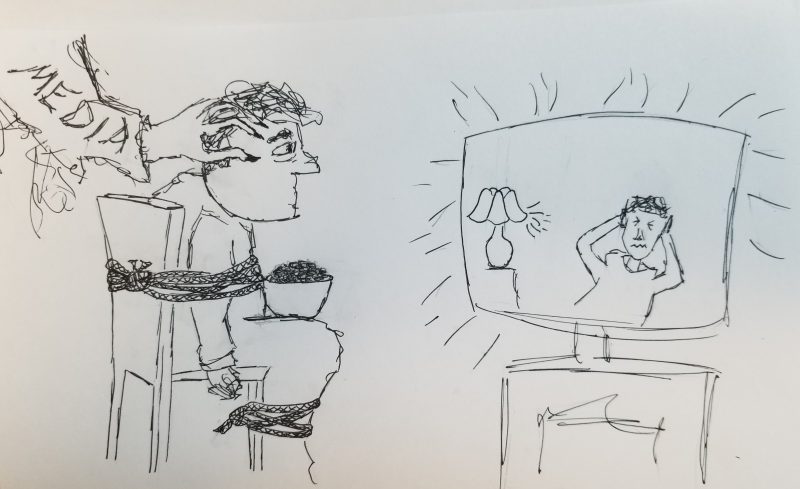
The media is dangerous in that it portrays only the extreme cases of any disease, Schizophrenia in this case, and often inaccurately. This creates false stereotypes and unnecessary fears surrounding this disease. Not all schizophrenics are violent, in fact only a very small portion of the population are. People with schizophrenia are normal people who just struggle with a disease just like anyone else. We as a society need to learn to better understand this disease and its implication so that we can better help those around us who struggle with this disease.
What is happening in the Brain:
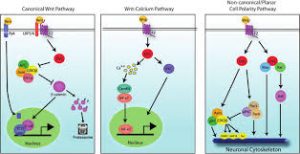
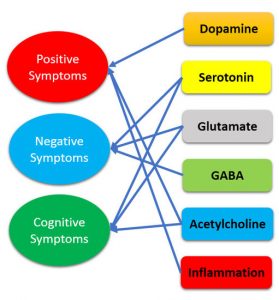
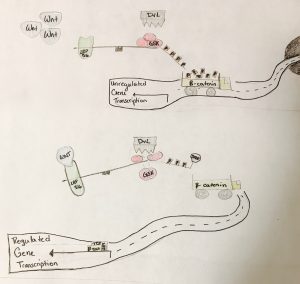
The problem occurring in the brain of individual who suffers from schizophrenia is the disruption of what we call the dopamine pathway, a pathway that has a large impact on proper brain functioning. In this pathway where is a molecule called glycogen synthase kinase 3 (GSK3) which has been found to be highly overactive in individuals who suffer from schizophrenia. When dopamine binds to a D2 receptor, it activates Akt which then phosphorylates GSK3 rendering it inactive. However, this and many other checks and balances, are disrupted causing GSK3 to avoid its inhibition and thus disrupt the transcription of certain, necessary genes crucial to proper development due to it being vastly overactive in the brain.
Treatment:
Due to the complexity of the pathway, treating this disease has been difficult for scientists to figure out. Just like many mental diseases, finding a cure is difficult. Most treatments today strive to only alleviate the symptoms as we work to better understand what exactly is happening in the brain. These medications work to inhibit GSK3 and make it less active. Lithium is the most common as it directly inhibits GSK3, but hopefully more advanced treatment will continue to surface as we work to understand better how to help these individuals.
What can you do?
Making a difference in the lives of individuals who suffer from schizophrenia can seem impossible as we aren’t all scientist who study pathways on a molecular level. However, there is something very important that we can all do to make a difference. This involves getting educated, educating those around, and treating those will schizophrenia as normal people as they are. It should be our goal to erase the stereotypes and fears surrounding schizophrenia that the media and lack of education has created. We can all make a difference in this way and you should strive to do just that.
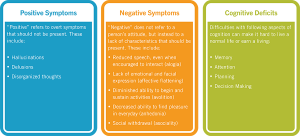



 In the DSM V, a diagnosis of Schizophrenia involves a range of cognitive, behavioral, and emotional symptoms–including delusions, hallucinations, disorganized speech, grossly disorganized or catatonic behavior, and negative symptoms such as diminished emotional expression. These symptoms must be persistent for a consistent period of time, as defined in the DSM V depending on the symptom category, p
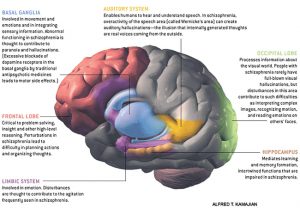
 A major sign of Schizophrenia in the brain is a significant loss of gray matter in the medial and superior temporal regions as well as in the prefrontal region of the brain. Gray matter is crucial to the function of episodic memory, processing auditory information and short-term memory.

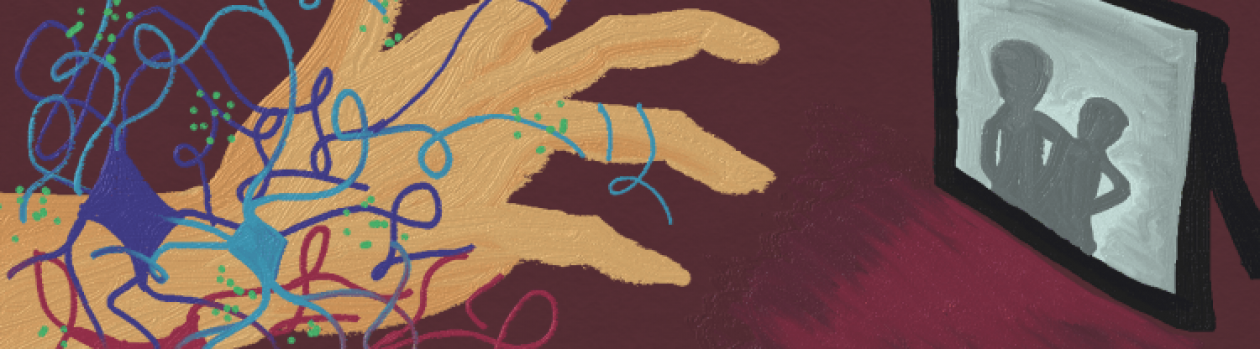
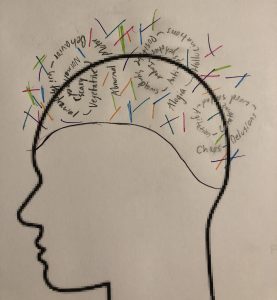
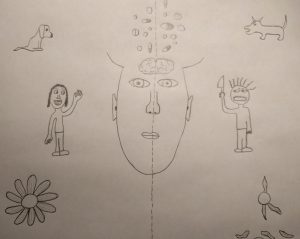
 In order to show empathy and a better understanding of schizophrenia, we must look at what is happening in the brain. Schizophrenia is a mental illness that alters normal brain functioning. Beyond the hallucinations, an individual with schizophrenia may experience delusions, disorganized behavior, disorientation, and memory impairments. Delusions are often times fixated and mistaken ideas of themselves or their surroundings that seem to be illogical yet are very true for the patient. The combination of these symptoms and loss of reality can be extremely terrifying for the patient and their loved ones.