Over half of the states in the United States have legalized marijuana for medical uses, however so far, the FDA has only approved the treatment by medical marijuana for two specific types of epilepsy and some effects of chemotherapy. There is a lack of research on the effects of marijuana for medical uses as the FDA classifies marijuana as an abusive drug, therefore making it extremely dangerous to be a prescribed drug. This causes researchers to go through extensive testing and licensing just to be given permission to research medical marijuana and its effects.
The endocannabinoid system produces chemicals called cannabinoids and is a system that works to maintain homeostasis in the nervous system. Endocannabinoids are inhibitory and are made when needed to reduce a reaction and counteract overstimulation. The endocannabinoid system is responsible for maintaining:
- reproduction and fertility
- digestion and appetite
- sleep
- motor control
- pain
- pleasure
- immune function
- memory
- mood
- temperature
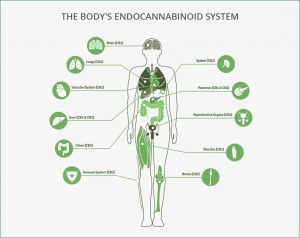
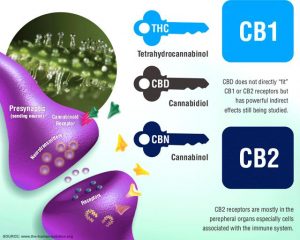
The two most common cannabinoids are THC and cannabidiol. Both bind to the endocannabinoid receptors, which are CB1 and CB2. These receptors are moderated by GPCRs and when activated, are responsible for the symptoms caused by cannabinoids. The receptors were created for the endocannabinoid system, but they can also be activated by the chemicals in cannabis.
CB1:
- located in brain and nervous system, as well as some other specific organs
- bind with THC and endocannabinoids
- aid in pain relief
CB2:
- located in immune system
- bind CBD and specific endocannabinoids, such as 2-AG
- aid with appetite, inflammation, and immunity
The two most common endocannabinoids are anandamide and 2-AG. Endocannabinoids act like the body’s natural THC, with a much shorter and less extreme effect. THC is the psychoactive component of marijuana and is known for causing many changes in the brain, including:
- Increased blood flow in areas of cognition, emotion, and awareness
- Decreased blood flow in areas of sensory
- Altered brain activity in areas of reward, emotion, coordination, and speech
THC is responsible for the “high” feeling of marijuana. Cannabidiol, or CBD, is legal in all states and is naturally occurring. It is used to relieve symptoms of many diseases, including pain, inflammation, anxiety, depression, epilepsy, and chronic conditions.
As medical marijuana contains both THC and CBD, there are varying effects that this treatment could have on an individual. In some cases, this could cause pain relief, a reduction in inflammation, or a feeling of relaxation and calmness. However, in other situations, it could cause panic, paranoia, or a worsening of symptoms. Similar to other prescription drugs, the reactions to the drug would have to be closely monitored. Some negative side effects of medical marijuana include:
- depression
- dizziness
- hallucinations
- low blood pressure
- judgement and coordination issues
- mental function deficits

However, the main conflict with the legalization of medical marijuana is the claim of it being a gateway drug. As the levels of THC increase, the addictive levels increase and cause an individual to become dependent on the drug for the symptom relief and “high” feeling. Another main issue is the regulation of medical marijuana and how it is administered to patients. As medical marijuana does not go through a pharmacy, it is argued that is could be easily abused and the marijuana will be different in every place it is received based on THC and CBD concentrations.
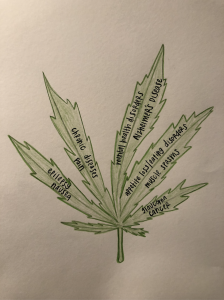
Despite the negative effects and controversy behind medical marijuana, it could potentially have positive effects and aid in the treatment of many diseases. Some of these include:
- Alzheimer’s Disease
- appetite loss/eating disorders
- cancer
- chronic diseases
- epilepsy
- mental health disorders
- pain
- nausea
- muscle spasms
- glaucoma
The fight for the legalization of medical marijuana in all states and for many types of conditions will continue, however it seems that there may need to be more regulations and research done in order to truly understand the effects of medical marijuana, how to prescribe it and regulate its use, and in what ways medical marijuana can be beneficial for the population.
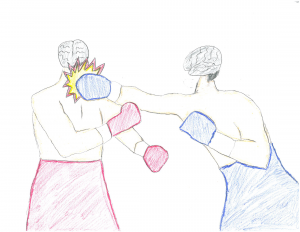

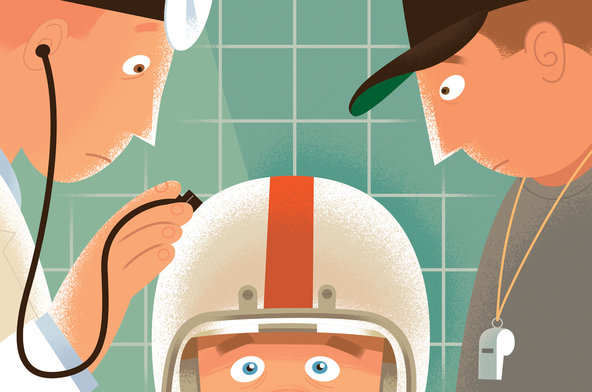

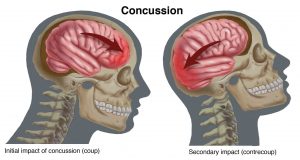

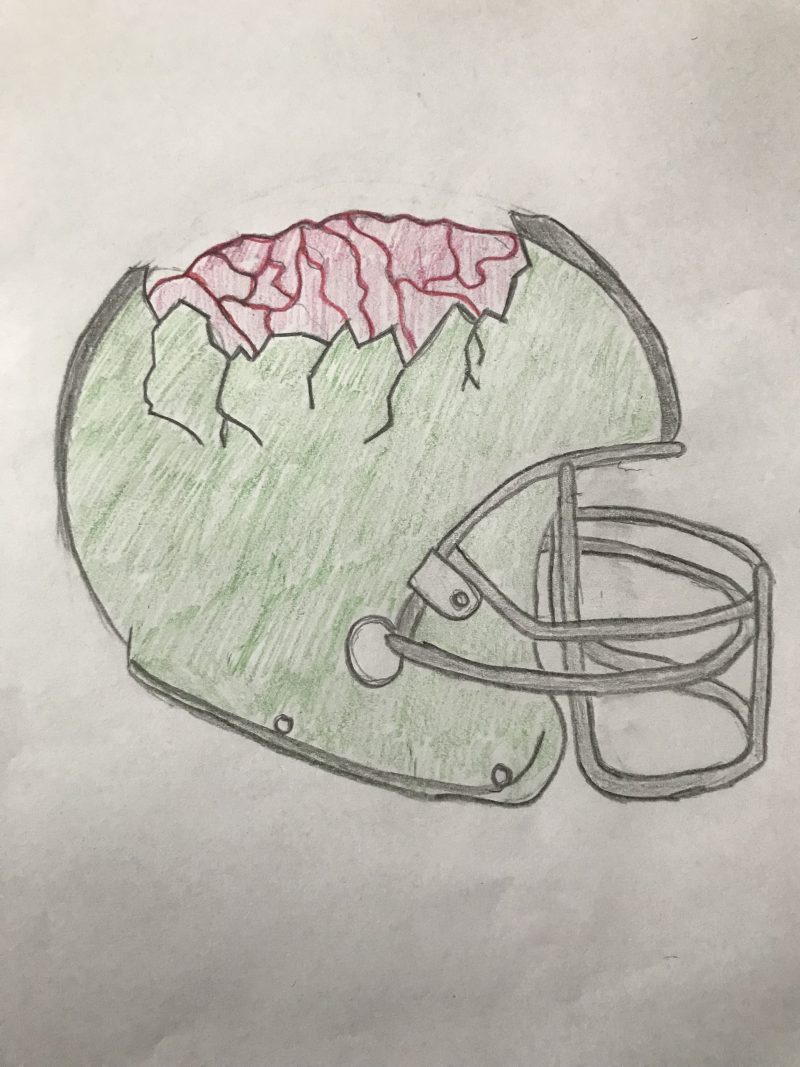
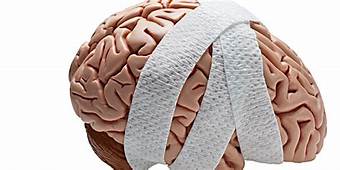
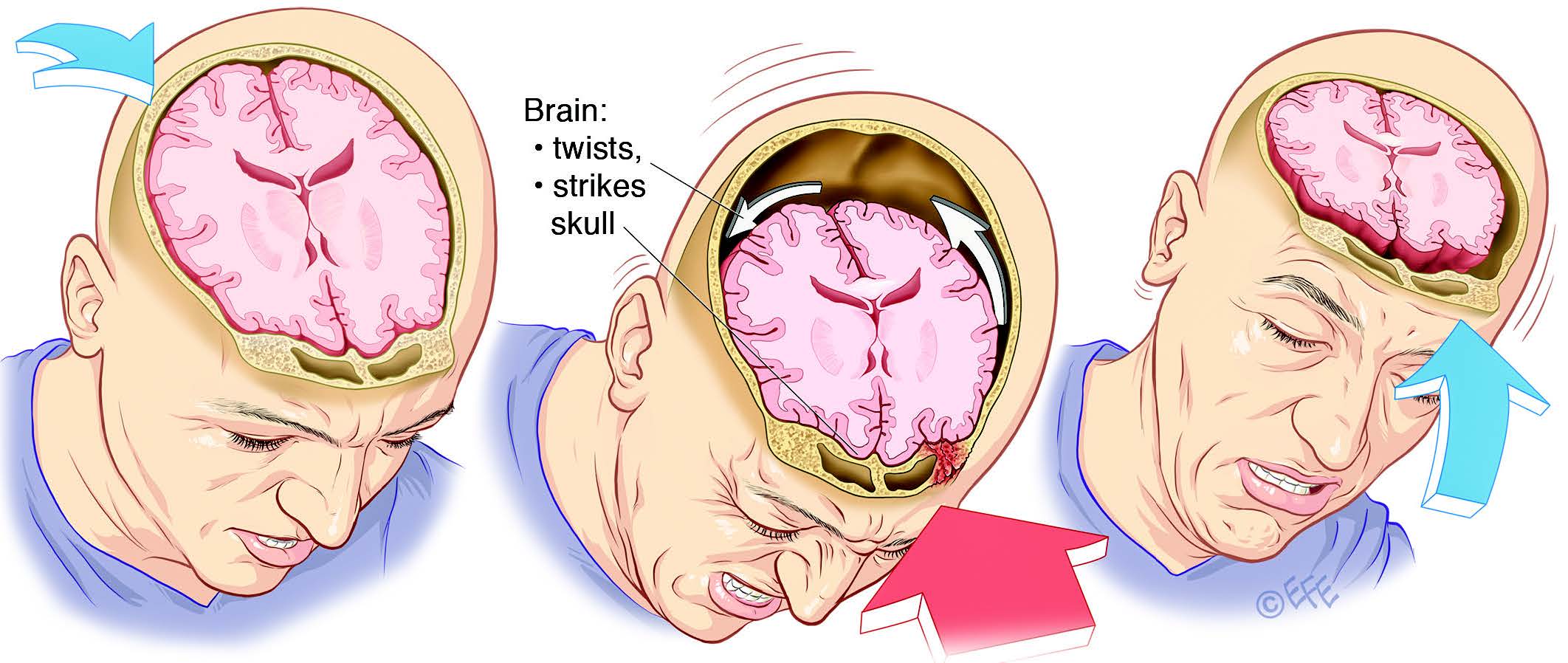
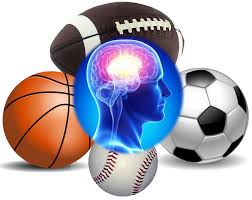
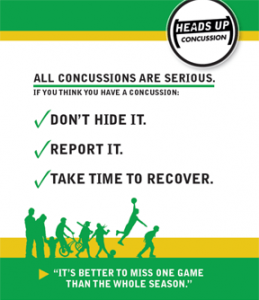
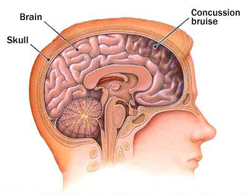
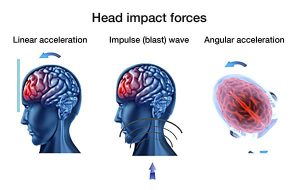
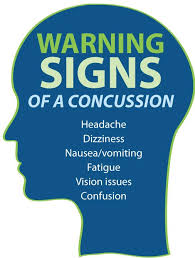 me with a price. Concussions are sometimes the consequence of hard hits to one’s head that cause the brain to hit the skull. A concussion is a traumatic brain injury that affects your brain function1. The effects are usually temporary but can include headaches and problems with concentration, memory, balance and coordination. Concussions have emerged as a serious and deadly injury that once shrugged off. Coaches used to tell players to suck it up and get back out there. Many injuries can be weathered; concussions are not one of them.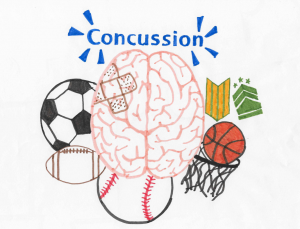

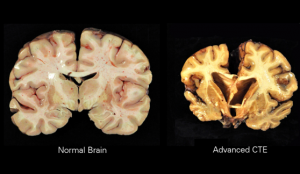
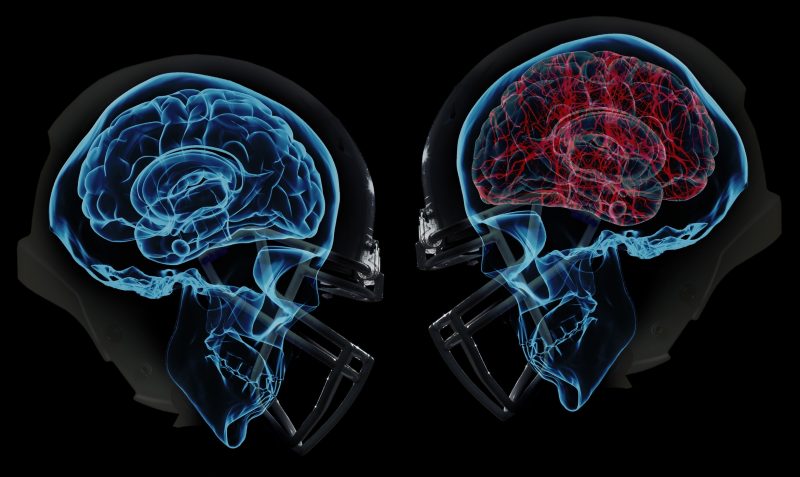
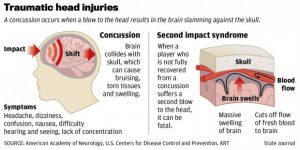
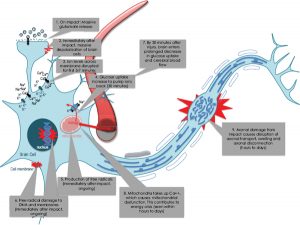
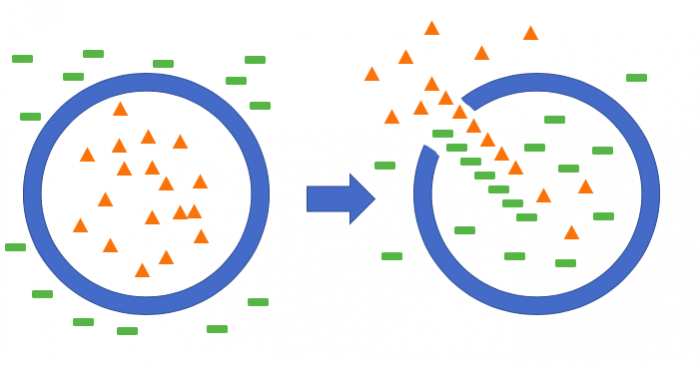
 familiar with the initial symptoms associated with concussions like headaches, memory issues and sensitivity to light; however, there are chemical changes happening in the brain to cause these symptoms and can explain long term changes that happen to one’s brain after a concussion.
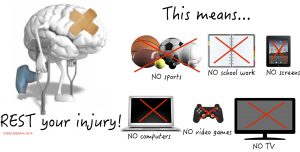
 rest is the best way for one’s brain to recover from a concussion. This entails resting both physically and mentally which may include eliminating screens, reading, working and driving for a certain amount of time.