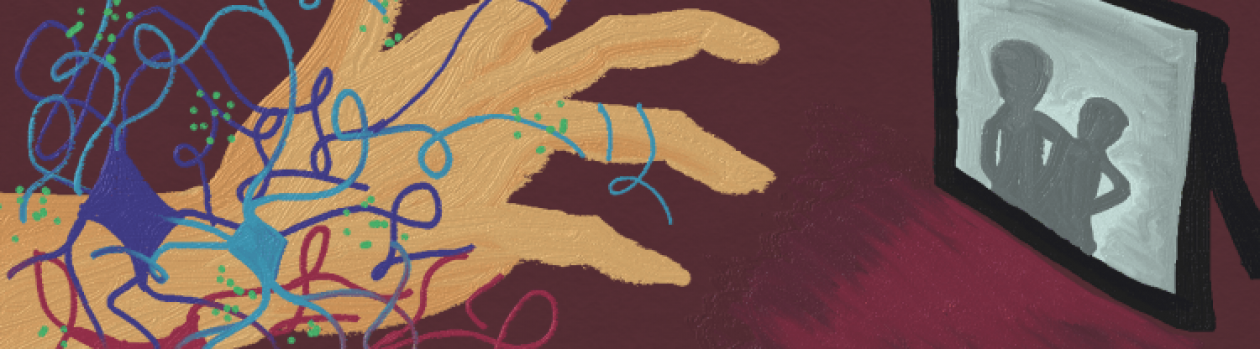
Stem Cells and Parkinson's Disease

Stem Cell Research has been the on the cutting edge of science, and become extremely useful for many neurodegenerative diseases like Parkinson’s Disease.
Parkinson’s disease (PD) is a common neurodegenerative disorder, defined by a selective loss of dopaminergic (DA) neurons in the substantia nigra, and the formation of lewy bodies. While common signs and symptoms include tremors, slowed movement, rigid muscles, and impaired balance, non-dopaminergic symptoms can include gait abnormality and dementia when the disease spreads to non-dopaminergic systems, and these can be increasingly challenging to treat. 60,000 American’s are diagnosed with Parkinson’s each year, with an estimated 10 million people living worldwide with this condition.
Recent research on Parkinson’s has concentrated on dissecting the neurological mechanism in order to discover therapeutic strategies. Protein breakdown, mitochondria dysfunction, oxidative stress and kinase pathways are implicated in PD, with many cellular and animal models having been established to unravel the mechanism behind PD. However these discoveries are not based on human neurons, and may not reflect several disease-causing factors present in human Parkinson’s disease.
Stem Cells
Stem cells are a growing field or research, and are a renewable source of tissue that can be coaxed to become different cell types in the body. The best-known examples are the embryonic stem (ES) cells found within an early-stage embryo. These cells can generate all the major cell types of the body. This form of research has drawn ethical concerns throughout the media for years, with the concern of abusing a potential human life form. However research involving Parkinson’s Disease and Stem Cells do not use this form of research, averting ethical concerns with regard to fetal tissues. Induced pluripotent stem cells (iPSCs) refer to a group of pluripotent stem cells that can be generated from adult cells. These cells share the same property as embryonic stem cells, to be able to differentiate into any tissue in the body. Numerous terminally differentiated cells can be used to generate iPSCs, avoiding destruction of an embryo. Sources of iPSCs include skin, liver and stomach cells. New breakthroughs in iPSCs include potentially programming iPSCs from a follicle of hair or a mouth swab.

Contributions of iPSCs
iPSCs have provided the opportunity to understand the PD mechanism in more detail, by doing pathological studies on live DA neurons. For example, a large break-through via iPSCs have connected mitophagy with PD. This complex mechanism involving PINK1 and Parkin enzymes has further cleared the event of decreased mitochondrial regulation with Parkinson’s Disease.
Therapeutics have also been developed through access of iPSCs. Coenzyme 10, rapamycin, and LRRK2 inhibitor are drugs found to alter cytotoxicity in neurons from patients with PD. Furthermore, it was found that these medications selectively reduced oxygen species production in neurons with the PINK1 mutation, clarifying the difference in susceptibility between diseased neurons and artificial disease models.
iPSCs have contributed to diagnosis methods. iPSCs derived from patients may serve this need if the phenotypes shownin iPSC-derived neurons exhibit pathological features in PD. This has further improved diagnostic accuracy of early PD.
Recent research has yielded encouraging results regarding cellular replacement. Some recent attempts transplanting dopamine neurons from rodent to primate was successful and produced increased cognition. Additionally, it was found iPSCs were able to differentiate into dopamine neurons and rescue motor deficits in a rat PD model. This was also repeated in a primate. Although this is relatively unexplored, these results provide a favorable outlook for the application of transplantation of iPSCs for PD treatment.
Overall, iPSC-derived neurons provide promise for PD modeling, and can be utilized for investigation of disease pathogenesis, diagnosis tools, and offer new therapeutics for patients.

Parkinson's Disease Today

When most people think of Parkinson’s Disease (PD), they may think of Micheal J. Fox or Muhammad Ali and their symptoms of jittery and slowed movements. Other symptoms include tremors, rigid muscles and impaired posture and balance.
They might not even think about the potential causes behind one of the most common neurological disease. PD is defined as a progressive disorder of the nervous system that affects movement. Individuals are usually diagnosed with PD around the age of 60.
The exact cause of PD is not known, but researchers have shown great interest in alpha-synuclein for playing a role in PD. Alpha-synuclein are proteins in the brain, their functions are still unknown.
The clumping of these alpha-synuclein form Lewy Bodies, which are toxic and lead to cell death. As they accumulate throughout the brain, the number of dopaminergic neurons decreases in the substantia nigra. The lack of dopaminergic neurons causes the motor issues associated with PD.

Other hypotheses for the loss of dopaminergic neurons include inflammation, autophagy, protein aggregation, mitochondrial dysfunction and oxidative stress. A number of different kinases in these various biological processes can alter their functioning and cause the accumulation of alpha-synucleins.
New clinical trials of assorted treatments have been shown to decrease the number of Lewy Bodies. A vaccine approach targets alpha-synuclein and clears it from the brain. While other treatment methods have been shown to stop the clumping of alpha-synuclein, and break up existing clumps. These treatments show promise for curing a harmful disease.
It is estimated seven to 10 million people in the world have PD, and about 60,000 Americans obtain PD each year.
By continuing to examine different factors that may cause PD and continuing to push clinical trials for effective treatments. It will allow researchers to potentially find the cause of PD, and obtain a cure for it.

Diagnosing Parkinson's: Not So Straightforward

What is Parkinson’s Disease ?
The Mayo Clinic defines Parkinson’s Disease (PD) as a progressive disorder of the nervous system that affects movement. Symptoms include tremors, slowed movement, rigid muscles, impaired posture and balance, loss of automatic movements, speech changes and writing changes. The “simple” cause of these symptoms is the loss and death of neurons, however what is causing the death of neurons is a question scientists have been trying to figure out for decades.
What really causes the symptoms?
To put it into simple words researchers have been able to “pin point” the cause of PD to dysfunctional protein kinases. Protein kinases are enzymes found within the brain and they work by adding phosphate groups to other enzymes with specific functions. By adding a phosphate group kinases cause the other enzyme to either do their job or cause them to stop doing their job. I put quotations around “pin point” because there are a MANY protein kinases within the brain and some have very strong links to PD while others not so much and it seems like new kinases are being linked to PD left and right. To complicate things further these kinases can have VERY different functions in the brain. Most commonly, dysfunctional kinases that are linked to PD deal with oxidative stress, inflammation and autophagy in the brain. Autophagy is a normal process where cells essentially clean up old and used up proteins.
How do we diagnose it now?
With so many kinases linked to PD doctors cannot just look at the levels of some protein in the brain and say with certainty a patient has the disease. Currently the only approved way of diagnosing PD is by looking at symptoms and ruling out other diseases that could cause similar symptoms to PD. I found on the Mayo clinic website that if doctors suspect a patient has PD they can administer a drug used to treat PD and if improvement of symptoms follows that patient most likely has PD.
Are there other ways to diagnose PD?
I found two articles that described some interesting new ways to potentially diagnose PD. The first was about Oxford University researchers that used a new MRI approach called resting-state fMRI. This technique looks at the strength or connectivity of brain networks. The researchers focused on the basal ganglia a part of the brain known to be affected by PD. Using this technique researchers were able to get a correct diagnosis 85% of the time. The second article I found on BBC news told the story of a woman who claimed she could diagnose PD by smell. A researcher got wind of this and put her to the test. Using 6 PD patients and 6 control subjects, people without PD, the researchers had each subject wear a shirt all day and then kept them for testing. They had the woman smell each shirt and she got 11 out of 12 correct. There was one control subject that the woman was sure had PD however the patient claimed to not have PD and doctors did not diagnose this either. However, 8 months later that subject was diagnosed with PD! Meaning this woman was actually 12 for 12!
These novel ways of diagnosing PD are not used widespread what so ever but, could potentially be in the future.

Adult Stem Cells: A Potential Treatment for Neurological Disorders

With greater detection potential and the ever-increasing average age of citizens in the United States, neurological disorders are increasingly diagnosed in our country and their effects are gaining national attention. Parkinson’s disease, by itself, has been diagnosed in as many as one million Americans with approximately 60,000 new cases arising each year.
While the impact of Parkinson’s disease is felt all over our society, there is a real lack of understanding of what exactly this disease is and what causes it.

http://www.buzzle.com/articles/function-and-location-of-substantia-nigra.html
Location of the substantia nigra within the brain     

The characteristic effect in Parkinson’s disease is the loss of specific neurons that synthesize dopamine (a neurotransmitter). These neurons are located within the mid-brain at a location called the substantia nigra. Dopamine signalling within the substantia nigra controls smooth motor movement and so dysfunction in this area leads to the jerky motions that are commonly seen in Parkinson’s disease.
What causes these cells to die is still somewhat unknown although a few mechanisms appear to be favored in terms of explaining the pathology of Parkinson’s. Aggregates called Lewy bodies which are made of malformed, clumped proteins are found within the dopamine neurons and create inflammation eventually leading to neuron death.
Lewy Bodies
Lewy Bodies

Whether these protein aggregates are created by overactive enzymes, genetic abnormalities, or environmental factors is still uncertain, but there is a  new type of treatment that looks promising for treating neurological disorders such as Parkinson’s.
Unlike embryonic stem cells, adult stem cells arise from a mature cell that researchers have been able to induce into a embryological state. These stem cells, also called induced pluripotent stem (iPS) cells mimic the ability of embryonic stem cells to replicate and diversify into functional, healthy cells of all types and can be used in replacement therapy or as a means to expand research possibilities.
In recent research, iPS cells demonstrated the ability to develop into healthy tissues like dopamine neurons and could potentially be used as a novel treatment for Parkinson’s disease.
Stem cells could revolutionize our treatment of disease as regrowing completely healthy tissues falls within our grasp. The future is much closer than it seems.

The Parkinson's Brain

This week in Neurochemistry class, we talked about one of the many mysterious neurodegenerative disorders; Parkinson’s Disease.
I like to think of the brain as an orchestra, and Parkinson’s as a conductor with a terrible sense of time.
orchestra
Normally, the conductor guides the orchestra through their music, producing a smooth, synchronized sound (coordinated movement).
However, the conductor of someone with Parkinson’s is unable to keep their orchestra on the same page—the music stutters, stops, and lags. Unfortunately, no one knows why the conductor is having these issues.
Some musicians give up and leave the concert (neuronal death), and the ones who think “The show must go on!” stay and try to compensate for the missing instruments (the excess firing leading to jerky movement).
Current research is trying to figure out what is causing the conductor to lose their ability to coordinate the band.  What causes it?  Is it related to age?  Is it related to diet or head trauma?
That’s the thing; no one knows.

who knows

We talked a lot about what potential causes of PD are, but really, the class left me with more questions than answers.
It was very beneficial for me to understand the different things that may cause Parkinson’s.  It made me understand that even though we are still a long way away from fully understanding this disease, we are a lot further along than I had known.
As we all know, the brain is the most complex piece of machinery on this planet.  There are so many different reactions going on in our heads it is hard to imagine that errors such as PD only happen in about seven to ten million people worldwide (which is only about 1% of the entire world’s population).
But, why does this matter?  What’s the big deal about Parkinson’s?
Well, it’s a big deal because not only are brain cells dying in certain areas, but those diagnosed are more cognitively aware of what is happening compared to those with Alzheimer’s.
Unlike Alzheimer’s and much like some cancers, patients with PD are fully aware that they are losing their ability to control their movement, which will impact their independence and ability to communicate.
Although it does not affect most of the population, it is important that we help those that are affected by understanding the disorder.
helping
Parkinson’s is a neurodegenerative disorder that involves the loss of ability to coordinate movement, which is why one of the stereotypical symptoms of PD is jerky movements. Some people who are affected have trouble walking, sitting, and even talking.
The neurons that are dying in the brain are causing this effect.  The death is occurring in specific areas of the brain that are associated with movement.  The problem is, as I’ve mentioned before, we don’t know what is causing these cells to die exactly.
Studies have found many links to neuronal death, such as excess “bad” proteins in cells, too much activation of particular cells, causing overexcitation and then death, etc, but an answer is still unknown.
Each research study is getting us one step closer to determining how to prevent, treat, and cure Parkinson’s by figuring out how to get the brain’s conductor back on track.
ending picture

We need to talk about Cannabis

Cannabis, also known as Marijuana, is a flowering plant most famous by its use as a recreational drug. However, the Marijuana medical use was described in many different cultures, including Ancient China, Ancient Egypt, and Ancient Greek. Over the years, Marijuana recreational use became illegal, as well as the medical use. Recently, the Cannabis medical use became a hot topic, due to several studies revealing positive outcomes.
The medical use of Marijuana has been studied due to its composition: it contains cannabinoids, chemical compounds that bind to cannabinoids receptors in the brain releasing neurotransmitters, leading to numerous chemical reactions. Those cannabinoids present in Marijuana can substitute endocannabinoids, cannabinoids that are naturally produced by our body and are involved in a variety of physiological processes, such as memory, appetite, response to stress, immune system, etc.
The benefits and detriments of Marijuana need to be further studied, but today the Drug Enforcement Administration classifies Marijuana as schedule I drug. What does it mean? “Schedule I drugs, substances, or chemicals are defined as drugs with no currently accepted medical use and a high potential for abuse. Schedule I drugs are the most dangerous drugs of all the drug schedules with potentially severe psychological or physical dependence.”
This classification makes difficult to researchers to obtain legal supplies in order to better understand how Marijuana can be helpful (or not) for patients suffering from cancer, AIDS, epilepsy and other diseases. Today Marijuana medical use is legal in 23 states, but there is much more to be done. It is urgently necessary to allow and facilitate the research involving Marijuana, so scientists can determinate the benefits of the plant, in order to develop novel treatments to diseases that affect thousands of people. The better understanding of how Cannabis affects our brain would also give a stronger base for its legalization and regulation.
Cannabis legalization must be discussed, not just looking to the recreational use side, but looking especially to the medical use and research side.

Unlocking Marijuana

The topic of marijuana has always been an interesting debate. Some say marijuana will only cause harm if it’s legalized. While others see the benefits of it, if it’s legalized.
The primary misconception of marijuana is that it is good or bad. This idea of categorizing marijuana into one of those two groups is outdated. By labeling marijuana as good or bad will only hinder its beneficial use in a medical setting.
Currently, marijuana is a Schedule I drug, meaning it has no currently accepted medical use and a high potential for abuse. While methamphetamine, a highly toxic drug where we can see the effects it has on the brain and body, is a Schedule II drug. This means meth has a high potential for abuse, but has some medical benefits.
Previous research on the Schedule I drug, marijuana, has shown it can help make a difference in patients with neurological diseases. In Alzheimer’s patients, marijuana has been seen to help slow down protein deposits in the brain. Marijuana can even reduce the unfavorable side effects of chemotherapy in cancer patients. While meth, a Schedule II drug, is rarely seen in the medical field anymore. The FDA lists the use of Desoxyn(meth) for ADHD and weight loss. In this day and age, there are better and safer options for treating ADHD like Adderall or Ritalin. Cigarettes cause about 480,000 deaths per year, causes 16 million people and counting to obtain some sort of disease and has no health benefits. Alcohol causes about 88,000 deaths per year, and alcoholism is a problem on its own. It’s just odd how all these substances are legal, and a drug like marijuana with known health benefits and close to zero deaths is classified as it is.
The science behind marijuana is how it affects endocannabinoid signaling in the brain is still not complete. Endocannabinoid is involved in a variety of processes, including appetite, mood and memory. The two most important receptors are CB1 and CB2, where CB1 is mostly in the brain and central nervous system, and CB2 receptors are at low levels in a healthy brain. The endocannabinoid system is interestingly connected to aging, neuroinflammation and neurodegeneration. Marijuana acts as a possible treatment for diseases to the endocannabinoid system.
Due to the drug classification of marijuana, even though there’s clear evidence of it being beneficial in the medical field. There’s not much research available for it due to the tough hurdles researchers need to go through to get access to a Schedule I drug. Without the necessary research, the public’s idea of marijuana will always be skewed. The public will always have its fear on legalizing marijuana, from having fears of what’s the next drug to be legalized if marijuana is legal and some see it as a gateway drug. There are other factors that cause people to use a harder drug like drug dealers giving samples of different drugs to marijuana buyers. The word marijuana, even carries a negative stigma to it. We know marijuana has some medical benefits, but by getting the necessary research for marijuana, this will resolve any stigma about the uncertainties of marijuana.

Blazing a New Trail: What Would Really Change With the Legalization of Marijuana?

What do the words weed, pot, dope, blunt, Mary Jane, blaze, grass, 420, cannabis, ganga, and last but not least marijuana bring to mind? For many there is an automatic negative stigma assigned to it, for others there is a sense of relief or happiness that will be heard, and for some it will even be able to heal them. I’d like to start off by saying that in this post I do not intend to promote the recreational use of marijuana, but I will bring up some controversial parts of marijuana use. As many people are probably in the same boat, for most of my life I was pretty sheltered from illegal drugs. I didn’t know much, when I heard any of those words in the first sentence my only thought was “bad”.
As some of my other Cobbers have posted, marijuana is currently a Schedule 1 drug and has been since 1961; meaning that it is considered to be among the most dangerous drugs in the world and has no medical uses. Methamphetamine is considered to be in the class below marijuana. Picture in your mind the weed smokers and the meth addicts, does that picture make sense for meth to be considered safer than marijuana? With the current benefits that we are finding cannabis to have I believe that there is a reevaluation that needs to be done of marijuana.
Without changing marijuana from a schedule 1 drug we really can’t observe the potential negative effects scientifically and we cannot do the research on it that is needed. Being a young, college student I am very aware that even though it is illegal this is not stopping a lot of my peers. I also don’t think that it is that difficult to get your hands on if you wanted it. I truly believe that if it was legalized not a whole lot would change among college kids. Right now there are many people who do not wish to smoke weed and I don’t know why the sudden legalization would change many people’s minds. Cigarettes are legal yet many people still choose not to use tobacco products.
The potential benefits from legalizing marijuana blow my mind. The amount of tax revenue we could get from selling and producing marijuana, that is already being done under the table. Colorado has been able to bring in around $19 million to fund educational programs and has reported a drop in violent crimes.
One of the negative stigmas that go along with weed is the crime that comes with it. Since it is illegal, but also very common, many kids find themselves in prison for what seems to be just a petty crime. On top of that there are the head honchos, where weed is causing problems among gangs and violence on the streets. Not that all of the drug crimes would disappear with the legalization of marijuana, but it would take one of the most popular drugs off the black market. That would save a lot of money in the prison systems.
The medicinal uses of marijuana have just barely been dabbled in, who knows its potential health benefits for those who are sick. With the availability of weed in this day and age I can say that I have been presented with the opportunity multiple times, but I have never once been appealed to the recreational use of marijuana. After doing some research of my own and just listening to my peers, I’ve discovered that the legalization of marijuana is the best choice. To be honest, I don’t believe that much would really change within the culture and the potential health and financial benefits that this country could reap would be worth it.

Medical Marijuana: What's the Hold Up?

First off, this discussion is NOT about legalizing recreational cannabis (marijuana) because, as a college student in today’s world, I’m not even sure how I feel about that topic. It is about the necessity for a change in the legal scheduling of cannabis from the Schedule 1 drug that it currently is.
The scheduling of drugs is done by the United States Drug Enforcement Agency (DEA). Schedule 1 drugs, like cannabis, are described to have no current medical use, a high potential for abuse, and are considered to be the most dangerous. Other Schedule 1 drugs include heroin, LSD, and ecstasy. The largest problem with Schedule 1 drugs is the fact that this classification makes it very difficult to do research on them. Medical marijuana has proven medical benefits for a variety of diseases, but this hindrance on research doesn’t allow all of the potential benefits or the potential long term effects from the drug to be explored. This lack of knowledge only perpetuates the negative stigma behind medical marijuana.
Cannabis is an endocannabinoid and endocannabinoids are substances naturally found in the body. They are involved heavily in the aging process, the immune system, pain, memory, mood, and energy balance to name a few of their many roles. Clinically, supplemental endocannabinoids, through medical marijuana, has been proven to help diseases such as epilepsy, multiple sclerosis, chronic pain disorders, migraines, and many types of cancer.
Though some patients with these disorders are being helped immensely with legalized medical marijuana, it is not a drug that is universally legalized or readily accessible for all that may benefit. There also has not been enough large-scale clinical trials on the drug to inform the public on all of the pros and cons of the drug.
In order for scientists to explore further the benefits or consequences of marijuana in the body, the scheduling of the drug needs to be changed. The DEA determined in 1961 that cannabis had no medical use. This is 2016 and last time I checked, some people with access to medical marijuana are showing major medical improvements in their diseases. In a modern society with plenty of brilliant scientists looking for cures and plenty of American’s suffering from life-debilitating diseases, it seems silly to stifle research that could change lives with a rule made before we even landed on the moon.
I’ve included a link from the National Institute on Drug Abuse if you wish to read more on this topic:
http://www.drugabuse.gov/publications/drugfacts/marijuana-medicine

Why is Marijuana still Illegal?

Marijuana Physiology Background
The main two chemicals found in marijuana are tetrahydrocannabidiol (THC) which is known for its cognitive impairment effects, and cannabidiol (CBD) which is a non-psychotropic cannabinoid. These two chemicals were the heavily looked at in the past two decades for medicinal uses in many countries (more than 25 countries worldwide).
Medical marijuana grunge rubber stamp, vector illustration
Many studies provide support for targeting the eCB signaling system for therapeutic benefits in many devastating diseases such as MS and many neurodegenerative diseases.
CB receptors are found all throughout the human body, both in the CNS and outside the CNS. In the brain the main receptor is the CB1 receptor. Activation of this receptor by THC mediates the psychotropic effects of marijuana. CB2 receptors are primarily found on cells of the immune system. Activation of these receptors either increase or decrease immune responses.
It is clear that cannabinoids can affect pain transmission and, specifically, that cannabinoids interact with the brain’s opioid system and may affect dopamine transmission. This is an important physiological pathway when observing potential medicinal purposes.
The Debate
Only twenty three states in the US have legalized marijuana in some form. That means in twenty seven states there could be people struggling with a disease such as MS, anxiety, depression and many other diseases that are treatable with marijuana but can’t because of a stigma.
People think marijuana is dangerous because it was used as a hallucinogenic drug in the 60s, and was labeled a schedule 1 drug (no medical purpose and high abuse potential) in 1970. It was given a stigma that has proven to be extremely difficult to surpass.
Medical Marijuana Comes in pill, liquid, or bud.
Cannabis has been traced back to 3000 B.C. where traces of the plants seeds were found in tombs. The Chinese have been using cannabis for medicinal purposes for thousands of years. Heck, George Washington grew cannabis on Mount Vernon in the 1700s. But now its too dangerous and has no medical purposes.
Yes, marijuana has some negative side effects associated with it, but what drug doesn’t? Advil, if taken incorrectly has very serious side effects. Pepto Bismol, if taken incorrectly has very serious side effects. Methamphetamine (schedule 2 drug) is currently legal for prescription in all 50 states. Do you think that has some negative attributes? A doctor isn’t going to prescribe something that they don’t think will help the patient. It is a matter of whether or not the benefits will outweigh the costs.
Cigarrettes have horrifying consequences of addictive behavior and yet we have put it up to the person to decide if they want to risk them. Alcohol has equally or more dangerous effects than cigarettes. Possibly because of the impairments that they show when under the influence or the dangers that become attributed to the person when they get behind a wheel. And yet, these are legal substances.
In my opinion, it is up to the people to decide what to put in their bodies. We live in a free country and freedom to say and do what we want. It is none of my business if someone wants to smoke cigars or snort heroin as long as they know what they are getting into, maybe their benefits outweigh the costs.
Im not saying I am all for making recreational marijuana legal because there are a lot of negative effects that effect others around them such as increased marijuana-related car accidents, and marijuana related hospital visits. But, I think more research should go into medical marijuana so people who need the drug to suppress neurological disease symptoms can get the relief they need. And who knows, maybe research will prove recreational marijuana safe enough to be legal everywhere.
Image citations:
http://nmpoliticalreport.com/12597/green-and-white-former-sheriff-wants-in-on-medical-marijuana/
http://floridamarijuanainfo.org/medical-marijuana-in-florida/medicinal-marijuana-facts-and-valuable-information/


Spam prevention powered by Akismet