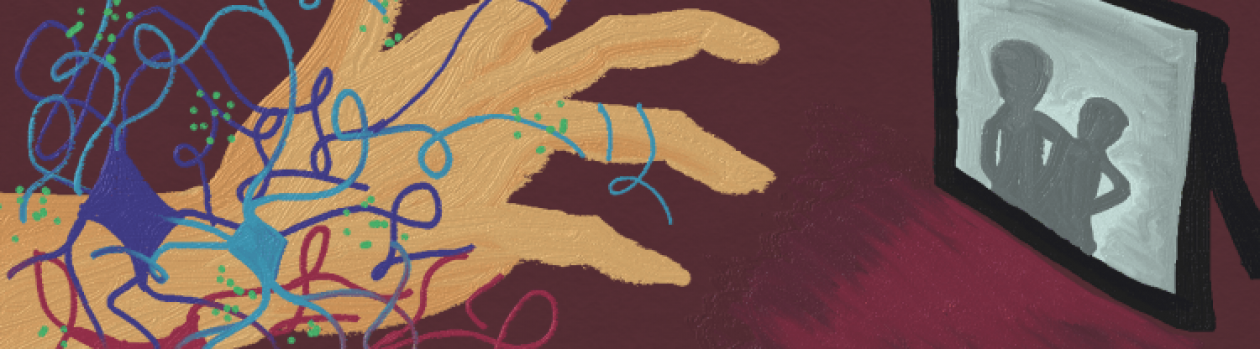
 To wrap up this past weekend, I watched The Notebook while folding my laundry. It was an applicable movie to the Neurochemistry class topic of the past week, Alzheimer’s Disease (AD). Though fiction, the movie brings up difficult topics that come along with aging. What if your loved ones develop AD and can’t remember you? What if you develop the disease and can’t remember your own life? And how does one develop AD anyway?
Alzheimer’s disease is a complex disease in which no cure is currently available and a lot of information about the causation of the disease is missing. Though AD can be genetic in a rare early-onset form and genetics such as having the ApoE4 allele can be a risk factor, the main risk factor for the disease is merely aging. Since we all have to age, this begs the question of whether or not we can take steps to prevent getting AD. The author of the article we read in class seems to think so.
In the article, one major biochemical pathway in the brain is discussed in detail as it relates to Alzheimer’s disease. This is the PI3K/Akt/mTOR pathway. In this pathway, insulin or a growth factor binds to a receptor (called a tyrosine kinase receptor) that initiates responses from proteins such as IRS, PI3K, Akt, and mTOR. These proteins work together to create an overall response to induce more cell growth and protein translation of proteins such as tau and APP (amyloid precursor protein). Some of these proteins also inactivate other proteins such as FOXO and GSK3β which are responsible for protection of neurons and stress responses in the cells.
Over-activation of the pathway mentioned above leads to the build-up of tau proteins and APP which can later lead to the dreaded neurofibrillary tangles and amyloid-beta plaques associated with Alzheimer’s disease. Not activating the pathway at all was shown to be fatal in mice. Thus, the article highlights that a balance of activation and inactivation of this protein pathway is needed in the body. But with aging comes the over-activation of the pathway in the brain neurons and thus the onset of AD.
Since the pathway is activated by insulin, a better regulation of insulin in the body may decrease one’s risk of over-activating the pathway and building up more tangles and plaques that cause signaling problems in the brain and are associated with AD. Insulin release in the body is triggered by presence of glucose which comes from the breakdown of food. The author of the article proposed that less consumption of calories and more exercise might lead to a decreased risk of AD due to less activation of the pathway described.
Though research is continually being done, AD is not a fully categorized and understood disease. The current state of knowledge about the disease may not provide much comfort to baby-boomers soon to be at the age in which AD progresses, but hopefully sooner rather than later, researchers find a cure or better treatments or at least more concrete causes for the disease.
Referenced Article:
http://www.ncbi.nlm.nih.gov/pubmed/23470275
Picture from:
http://www.alz.org/braintour/plaques_tangles.asp
But I Really Love Pizza.
As your typical “Type A” college student, I am running through each day of my life at a million miles an hour. I complain about little things like losing my car keys for twenty minutes, forgetting to get milk at the grocery store because I was just there, failing to call my Grandma to wish her happy birthday or the fact that I have to eat pizza for the third night in a row because I have no time to make myself a sensible, healthy meal.
After reading an article in my neurochemistry class this week on Alzheimer’s disease, I thought about what it would be like to not only forget milk at the grocery store but the faces of my loved ones around me, what year it was or how old I was. In addition to thinking about essentially loosing every amazing memory I have had the last twenty years of my life, I thought about how the way I am living my life now affects my chances of getting Alzheimer’s later in life. This thought does not occur to many people, most likely because the onset of Alzheimer’s disease is so late in ones life. The average age of early onset Alzheimer’s is 65 years old. That is 45 years away from where I am at now. But could my eating pizza three nights in a row now increase my chances of getting Alzheimer’s later?
Alzheimer’s in the medical field is often referred to as Type III diabetes. No that is not a typo, DIABETES. This is because insulin, insulin resistance in particular, plays a key role in Alzheimer’s disease. With regards to diabetes most people are familiar with, insulin’s job is to regulate blood sugar levels. Insulin in the brain works to regulate a pathway called the PI3/Akt/mTor pathway, which is the focus of Type III diabetes (aka Alzheimer’s). As with anything in the brain the PI3/Akt/mTOR pathway when not at proper regulation levels can cause a lot of problems. A build up of insulin resistance in the brain can cause this pathway to become hyperactive which leads to the build up of amyloid-β plaques and neurofibrillary tangles. These two big words mean trouble because they are linked extensively to neurons breaking down and eventually dying. As can be inferred, neurons are extremely important in the brain and when they are lost to us, so are our memories and learning abilities.
Okay great, you are probably thinking, what does this have to do with you running a million miles and hour and eating pizza so often at twenty years old Alayna? Well, when a person over consumes food, especially food that is bad for them, insulin resistance starts to build up in the body/brain (sound familiar with regards to Type II diabetes?) and causes the PI3/Akt/mTOR pathway to become hyperactive. Could my eating unhealthy at twenty not only affect my risk of Type II diabetes but Type III diabetes years down the road?
I’d like to think that I get some type of choice in whether or not I end up being diagnosed with Alzheimer’s disease. Whether that is just wishful thinking or something completely fathomable I cannot say as a 100% fact, but I do know that eating healthier definitely helps. Taking the time to slow down my day and make healthy decisions in my life now while I still can, can affect my way of life when I am old. Whether it is still having the ability to walk my dog around the block when I am 65 or possibly bypassing the diagnosis of Alzheimer’s disease and keeping all my beautiful memories until the day I die, I would take slowing down my day and eating healthy over my love of pizza and heighted chances of Alzheimer’s disease any day.
After this week I realized more than ever that I need to slow down, not complain about the little things because there is so many more things that could be going wrong with my body, and stop eating so much pizza. Alzheimer’s is a debilitating disease for those that have it as well as their loved ones and I think it is very important to make the public aware of what it actually is and the possible steps that can be taken to potentially decrease their chances of this horrible disease.
Eating Ourselves Into Alzheimer's
Alzheimer’s disease is a debilitating disease that arguably affects the people closest to the afflicted as much as it affects the afflicted. What if I told you that with the eating habits and rampant obesity present in our great country, the prevalence of Alzheimer’s is going to skyrocket?
In our article that we read in Neurochemistry this week, we read about a pathway named the PI3 kinase pathway. This hardly means anything to me and I have studied science for quite awhile now. What it does mean though, in simple terms, is that it is a pathway of biochemical signals in the brain that control a process called phosphorylation (Foss-four-ill-ation). Phosphorylation is essentially the primary way that different pathways in our bodies are “turned” on and off. Now some pathways in our body we want to have on, some we want to have off, and most we want to have a balance between on and off. Phosphorylation, therefore, is an incredibly important process to have control over.
One of the major problems with Alzheimer’s is that our PI3 kinase pathway is constantly activated. When this pathway is activated too much we phosphorylate too many things, which leads to accumulation of tangles and bundles of proteins and plaques. The tangles and bundles then go on to cause the neurodegenerative effects that we associate with Alzheimer’s. When this pathway has its proper balance these tangles and bundles are degraded, but when the pathway is activated we not only continue to aggregate bundles and tangles, we also lose our ability to degrade the bundles and tangles. Double whammy.
So how does all of this fit into diabetes? Type II Diabetes is essentially body-wide resistance to insulin. This can be caused by a poor diet. A poor diet can also cause something called Type III Diabetes. Never heard of it? Sure you have, you’ve just heard of it being called its other name: Alzheimer’s disease. By overeating we are constantly activating the P13 kinase pathway, and by constantly activating this pathway we cause an insulin resistance in the brain. Insulin is the healthy activator of the P13 pathway, and an insulin resistance essentially shuts down our “off” switch ability.
Reading this article and discovering that there indeed is a significant link between Alzheimer’s and poor diets was incredibly alarming to me, and I would question anyone who is not alarmed by it. Obesity is incredibly prevalent in our society, which is ridiculous and sad when we consider the recklessness with which we consume resources—especially in light of the fact that there are millions of starving individuals throughout the world. This disparity between obesity and hunger is disregarded by many of the public because it affects “them” and not us. But I am here to tell you that we will also see many negative consequences from our gross overeating. With the recent connections made in the neurochemistry article it is easy to see and predict that a scary percentage of Americans are currently, as we speak, eating their way into Alzheimer’s.
The Thief in the Night: Alzheimer's Disease
I remember it like it was yesterday. I woke up to the phone ringing at 3AM on a Thursday night. It was Grandma again, asking for a ride to church. My dad tried to explain that church wasn’t for another few days, plus it was the middle of the night, but it wouldn’t sink in. Within a year Grandma would be moved to a home that specialized in memory loss care, after doctors suspected that Alzheimer’s Disease had begun to clutter her mind.
Alzheimer’s Disease is characterized by the aggregation of Amyloid-beta protein plaques in the brain. For many years researchers were unsure of exactly what the plaques had to do with the memory loss and neurodegeneration doctors were observing in their patients like my grandma. But the most recent research has discovered a mechanism in the brain that just might be the missing piece to the puzzle. This mechanism, called the PI3-Akt pathway, is activated by insulin and another protein called insulin-like growth factor. This pathway has demonstrated great promise in Alzheimer’s research, as reducing its activation has been shown to expand healthy lifespan. In addition, sustained activation of the system has been recognized in the brains of those afflicted by Alzheimer’s Disease. Scientists now hypothesize that it is the aggregation of the Amyloid-beta plaques that may be interfering with the PI3-Akt signaling pathway and its activation by insulin. As a result, current therapeutic approaches are aimed at attempting to normalize this signaling pathway.
While researchers attempt to find the shut-off for the PI3-Akt pathway, other options such as Lumosity and other brain training games claim to slow the progression of memory loss. But are these alternatives truly effective? Although clearly not a cure, these exercises have been shown to help improve memory and cognitive function. But with a disease such as Alzheimer’s that manifests itself in so many different forms in its victims, it’s hard to say exactly how much of an impact Lumosity and others are able to make.
Grandma can’t walk anymore or talk much, only the occasional mumbled greeting when I show up to visit after being away at college. I’m not sure if she even knows who I am at this point. She remains in the home, where she will likely spend the rest of her life. It’s been a rough journey, and I pray that Grandma is still in there somewhere. All I can do is hope anyway, for that and for a cure for the disease that has stolen away grandparents from so many.
Alzheimer's: Lost in the Night of Thought
Alzheimer’s: Lost in the Night of Thought
It is a cold winter’s night. The dark of the eve has set in over the snow-encrusted ground. Bursts of bone-chilling wind lift flirtatious mists of powdered snow into the air that swirl and scoff at any soul brave enough to wander into the cold. Individual fluttering crystals scatter the light of a single distant street lamp, creating a dazzling array of glittering sparkles that slowly come to rest upon the rising drifts of snow. Meanwhile, I gaze longingly through the window’s sodden pane that has frosted around the edges. An elderly man now, I rest my palm against the glass and wince only slightly as the warmth of my home retreats from my fingers. I try to recall days of Christmas celebrations from my youth, but the memories have long since faded. I wonder how close the day must be.
The fleeting thought of mother’s hot chocolate with little marshmallows after an exciting day of ice skating on the small pond in the park passes through my thoughts, but it quickly escapes and drifts off into the deep unbounded darkness just outside. Where the time and memories go once they leave my mind, I cannot quite say. Wherever they might go, I hope that they might find solitude; a peaceful place to reside for eternity. But in the passing of the moment, an uncontrollable urge drives my thoughts to a new idea. My father should be coming home soon to eat dinner with his family. I am certain he will be tired after downing great pines of the forest that will crackle in the fireplace over the long winter night. I lean to my right and gently place the last piece of wood in the hearth. Eager to greet my father, I open the door and wander outward. My goal seems temporarily clear, but it will fade like my thoughts of Christmas, and I too will find myself helplessly lost in the night.
It is hard to admit to myself that my mind is degenerating. To be a once great researcher in the field of aging and memory is an ironic reality that I know must embrace that I have Alzheimer’s disease. At one point in the past, I would have been able to recognize and accept that this process of losing my cognitive function was happening. But I digress; I have reached a new stage in my life where I no longer am aware that I am struggling with the disease, and I am free to live as if I am no different than I was when I was a child. For now, I can remember the names of my closest family: Charlie, my father, and my loving mother Janet. My sister, Sarah visits me nearly every day, and even though my parents have long since passed, I will always walk into the night to great my father when he comes home from work.
I am scared that this too will fade. There will assuredly come a day when the most treasured highways of memories in my brain will succumb to the destructive nature of the disease, and I can only pray that I will not live long enough to reach this point. Before the darkness closes completely on my weary soul, I must share some remaining thoughts that I have come to appreciate during my days as a researcher.
Let me begin by saying that the mind is incredibly complex. Humans, in their quest for knowledge will work tirelessly to understand this amazing puzzle that God has placed within our own bodies. While nearly everyone has a relative like me that experiences the conscious terror of struggling with Alzheimer’s, I must admit that there is a peaceful bliss that comes with ignorance of the strains and problems in the world around us. Some of these people might even know that two characteristics of the disease include amyloid-β plaques and fibrous tangles that develop in the brain, but the general knowledge of the public does not often reach much further.
I recall learning about the role of insulin in the disease. Insulin! Is that not for use in diabetes? Yes, most certainly it is, but insulin resistance also plays a significant role in Alzheimer’s disease. Insulin is not only responsible for regulating one’s blood sugar levels, the characteristic trait that diabetics deal with on a daily basis, but in the brain, insulin is responsible for activating a convoluted pathway called the PI3/Akt/mTOR pathway, and what a TERRIBLE name this is! How can researchers ever expect the general public to understand when they use a language that is completely different than our own? More appropriately, they should call it, “The Memory Loss” pathway.
Normally, this pathway involves a series of modifications and actions your body uses to regulate survival, metabolism, and growth. In moderation, the pathway works in your favor, but over time, it begins to become dysfunctional and indirectly causes the buildup of the amyloid-β plaques and fibrous tangles that are characteristic of Alzheimer’s disease. Although we are uncertain exactly why these things happen, the buildup of these plaques and tangles between the neurons in our brain seem to causes the neurons to slowly break down and eventually die. These neurons are critically important to the normal function of the brain in controlling body function and even recalling and forming memories. Over time, the situation worsens, and this is well observed in our loved ones that suffer with the disease.
When our bodies process insulin normally, the “Memory Loss” pathway functions at its normal level, and we do not experience any problems. But as we age, many of us build up insulin resistance. With insulin no longer able to process the “Memory Loss” pathway in a normal way, our body loses control, and the pathway becomes hyperactive. It is this unregulated hyperactivity of the PI3/Akt/mTOR pathway that shortens our lifespan and causes the degeneration of our neurons.
Obviously, there is much more to this incredibly complex problem, and there is still much to learn about the disease. The small amount that we do know perhaps gives us cause to ask more questions than it actually tells us about how the disease works. And in my old age, I cannot remember every fact that was once relevant. These are the basics, the “take home message” if you will, that are truly important to understanding the disease. Long after I have gone, I hope that future scientists will remain as passionate about Alzheimer’s disease as I am and continue to unravel its mysteries. Treatments are improving constantly, and one day we might even have a “cure.”
But until then, I have appreciated that you have taken your time to listen to the thoughts of an elderly man like me. I am sure that it will not be long until I will not be able to recount the same stories I have shared here, but I will cherish the time that I have. Regardless of how I may be in the future, just remember that I am a son, a grandson. I have family and friends that love me, and I love my children. Regardless of if I can remember your name on Earth, my soul lives on, and I will call you by name when I reach the Heavens.
Final thoughts on Alzheimer’s disease written by Steven Dotzler
Alzheimer's: Beyond Nicholas Sparks

Alzheimer’s disease is one of the most prevalent neurodegenerative diseases in America. It is commonly known as Type III diabetes due to the prevalence of insulin resistance in most Alzheimer’s patients. Treating Alzheimer’s disease has been a difficult task for researchers and physicians so far however there does appear to be hope for the future. Researchers believe to be pin-pointing the causal pathway leading to the onset of Alzheimer’s disease via the PI3-kinase/Akt pathway.
Many teenagers in America have witnessed the effects of Alzheimer’s disease whilst cuddling on a couch in their significant other’s basement watching the famed Nicholas Sparks movie “The Notebook”, and crying along as the emotional roller coaster brought them from sadness to happiness and back to immense sadness. (FULL DISCLOSURE: I never cried watching the movie though my girlfriend (who forced me to watch it in the first place did. However I will admit I did enjoy it more than I could ever admit to her.) The neurodegenerative disease opened a divide between two lovers as one began to forget all about their time together. Sadly, not everyone in world has the luxury of experiencing the disease through the TV screen, and is able to just turn it off when the credits start to roll. Others experience it first hand or watch as their loved ones slowly fade away into a shell of their own existence. What makes the disease so troublesome is that it tends to have a late onset in life and thus there isn’t much of an initiative to put an end to it or prevent it earlier in life.
Alzheimer’s disease occurs from neurodegeneration caused by the build-up of Amyloid Beta (Aβ) plaques in synapses. This is believed to be caused by an overactive IGF-1R/IR receptor leads to an over activated PI3-kinase/Akt pathway. This pathway leads to the over-activation of mTOR (a protein kinase that activates other important “effector proteins” via phosphorylation) leading to over phosphorylation of other pathways in the cell, causing cellular distress. Some current medications in clinical trials are aimed at inhibiting mTOR in an effort to slow down the accumulation of Aβ in intercellular spaces. Other drugs in trials are inhibiting one of the “effector proteins” (known as: S6K) that mTOR activates. By inhibiting S6K, less over-phosphorylation will occur within the cell leading to less accumulation of Aβ. Our neurons depend on well-balanced cellular concentrations of various proteins and signal molecules in order to function correctly. When these concentrations fall out of their ideal range of operation, pathways can become over-active thus leading to neuronal death.
Currently there is a growing initiative to prevent the onset of Alzheimer’s the same way we prevent type II diabetes, a well-balanced diet. Insulin resistance is common in patients with Alzheimer’s causing changes in cellular concentrations of insulin (commonly involved in neuronal pathways like the PI3-kinase/Akt pathway being studied here). Diet must be well-monitored and well-balanced throughout life especially in the later stages of our lives. Reducing our caloric intake later in life using a well-balanced diet can reduce our chances of developing Alzheimer’s.
If this knowledge can lead to more of an understanding of the connection between our diets and our health, maybe we can all save future generations from the wrath of sad love novels driven by neurodegenerative diseases by Nicholas Sparks.
Until Next Time,
Sebastian
Blazing New Trails: Discovering the Effects of THC on the Body
Marijuana has historically been a favorite villain in anti-drug campaigns across the United States. It has been given the status as a Schedule I drug, meaning that it has a high potential for abuse, no accepted medical benefit, and that there is a lack of accepted safety measures for its use. Although marijuana is not nearly as addictive as the majority of other drugs in this Schedule (such as heroin), it must remain in that schedule until information supporting two important areas is discovered: 1) its role as a medicine and 2) its possible potential for abuse. However, recent research and political activity have made the topic of marijuana use one to look into more deeply. There has been much concern and interest associated not only with its safety as a recreational drug but also pertaining to its usefulness as a form of medicine.
The compounds in marijuana responsible for the high it produces are known as cannabinoids; endogenous cannabinoid (or endocannabinoid) receptors found in the body are what enable people to experience this feeling. The existence of these receptors indicates that the body creates its own cannabinoids. This is similar to how receptors for endorphins (endogenous morphine-like compounds, which create the feeling of a runner’s high) allow people to feel the effects of opiates such as morphine. The body’s endocannabinoid system is mainly responsible for regulating many important processes. This wide scope of activity is part of the reason it is so difficult to fully understand the complexity of its specific roles in the body.
There are two known cannabinoid receptors in the body: CB1 and CB2. While CB1 is more often found in the brain than in the rest of the body, CB2 is most present in cells of the immune system. The separate locations of these receptors throughout the body highlight their separate but related functions. THC has a higher affinity for CB1 than for CB2, which makes sense given its brain-related effects. Only two endocannabinoids (AEA and 2-AG) have been identified so far and both have a higher affinity for CB1. Although they will both bind to CB2, they do so weakly. 2-AG, which is more prevalent in the brain than AEA and does a slightly better job of binding to CB2, can induce cell death in some pathways. It has been implicated to have other neuromodulatory functions, but these have yet to be exactly defined. AEA plays a role in pain relief, motor activity, and stimulation of appetite. In addition to the endocannabinoid receptors, AEA can also bind to a vanilloid receptor (TRPV1R). When capsaicin (an actual vanilloid meant to bind here) signals via TRPV1R, it can reduce local inflammation and inflammation-induced pain. This has positive implications for the involvement of AEA (and, similarly, THC) in immune response.
The health claims being currently made about marijuana may seem too good to be true. While it may not treat every ailment it claims to, it is due to the wide-reaching modulatory role of cannnabinoids that THC can be useful in many instances. It is difficult to pinpoint which receptors endocannabinoids may have a hand in regulating (either directly or indirectly) and how they do this, but current research is getting us closer to an answer.
Current Progress in ALS Research
The body is the vessel through and by which we experience the world. To be unable to interact with it physically while being mentally aware is arguably the scariest thing about paralysis. ALS (amyotrophic lateral sclerosis) is a debilitating and aggressive disease involving degeneration of the motor nerves which branch off of the spinal cord and communicate with muscles, leading to their atrophy and later death. The damaged nerve tissue scars and hardens, never to regenerate. This slow, painful atrophy of muscle tissue can cause tremors, rigidity, and paralysis and affects all muscle tissue, including the muscles of the digestive system (making it nearly or completely impossible to eat or digest food) and the muscles that make up the heart (causing it to, eventually, stop beating). Despite much-needed publicity during the summer’s ice bucket challenge, the disease is still nowhere near a definitive cure. This is due mostly to how difficult it has been to isolate exactly what it is that causes degeneration, although there have been a few areas on which recent research has focused.
Glutamate excitotoxicity
The hypothesis which became the focus of our week was that one of the mechanisms causing ALS is excitotoxicity. Glutamate excitotoxicity occurs when an excess of glutamate, a chemical involved with cell signaling, builds up outside the cell and causes a host of chain reactions which ultimately result in cell death. We explored and discussed not only ways by which this event occurs, but also looked more deeply into how the cell is affected internally.
Beyond there simply being an excess of glutamate outside the cell, excitotoxicity is also contributed to when too-perfect conditions allow glutamate’s receptor to become overactive. For example, amino acids glycine or D-serine must simultaneously bind with one of glutamate’s receptors (NMDAR, AMPAR) in addition to glutamate in order for the receptor’s signal to be sent. When more glycine and serine are floating around, more signals can be sent than is normal with a similar amount of glutamate.
The receptor
NMDAR, one of glutamate’s receptors, is also sensitive to the electrical charge inside the nerve cell. Neurons fire when they reach a certain electrical charge (known as an action potential) which comes about as the result of multiple signals that gradually increase the charge in the cell. What it means for NMDAR to be sensitive to the neuron’s charge is that it will only continue to send its signal after the cell has already been brought closer to this action potential. NMDAR sends further signals into the cell by allowing calcium to rush in, bringing the neuron even closer to firing.
Inside the cell
One issue with the overaction of NMDAR is that too much calcium too often can cause detrimental effects within the cell. The endoplasmic reticulum (ER) is a structure in many cells that is mainly responsible for the production and proper folding and transport of proteins. Protein folding is important because if the protein is in the wrong shape it fails to perform its job correctly. The ER also stores extra calcium in the cell, which can either be released or “sponged up” by proteins such as calreticulin in order to prevent damage.
Connections to motor neuron death
But how much damage can calcium really cause? When there is an excess of calcium, the ER can become stressed and fail to do its job properly. This can result in misfolded or unfolded proteins. The unfolded protein response (UPR) attempts to get things back to how they’re supposed to be. If the effects of the UPR do not result in the reestablishment of homeostasis, a series of events result in apoptosis: cell death.
The mitochondrion (better known as “the powerhouse of the cell”) can go through a similar process in which calcium-related stress can lead to death of the cell.
Hope for ALS?
Every day that research is done we get one step closer to finding a cure – or at least a treatment that can improve the lives of people living with and suffering from this disease. Although we may seem too far away for hope, we’re closer than we’ve ever been. A drug called memantine (which blocks some NMDARs) has shown promising results in a mouse model for ALS. It may be soon be used in clinical trials on human patients with ALS to determine its true ability to combat the disease.
Don’t ask what you can do for your cannabis, ask what your cannabis can do for you!
Cannabinoids and marijuana in particular have been the topic of many political debates and policy in the past decade. The use of marijuana both recreationally and medicinally have become legalized in several states within the US. However this is not a new drug by any means, cannabinoids have been used for hundreds of years and now is the most widely used illicit drug in many countries around the world. In order to better understand how this drug functions, let us examine its neurologic pathway and delve into how it can be used medically.
Endocannabinoids:
When people think of cannabinoids, the first association is almost unanimously to marijuana. What many people do not know is that there are cannabinoids that are made within the body already, these molecules are thus called endocannabinoids. Although these endocannabinoids may not have the same psychoactive effects as cannabinoids from marijuana, they still play a key role in the function of many neurological pathways. Many endocannabinoids are present in the human body, however the two most common ones are AEA and 2-AG.
Anandamide (AEA)

AEA has been found to be a modulator in both the central and autonomic nervous systems. It has also shown to be present in the function of systems such as the immune system, endocrine system, gastrointestinal tract, and reproductive system. The physical effects caused by AEA include analgesia, control of motor activity, reduced emesis, and stimulation of appetite.
2-arachidonoylglycerol (2-AG)

2-AG has been found in many of the same systems as AEA and possesses many of the same characteristics, however both 2-AG and AEA bind with different affinities to the endocannabinoid receptors. This variance is the cause of different physical responses that have been observed.
Receptors and the Pathway:
There are predominantly two endocannabinoid receptors found in humans, CB1 and CB2. CB1 receptors are primarily found in lipid rafts in the cortex, hippocampus, basal ganglia, and cerebellum, while CB2 receptors are found primarily in immune cells in the periphery. Although these receptors are different, both AEA and 2-AG can bind to CB1 and CB2. The difference lies in the affinity to which the two endocannabinoids bind to the receptors. AEA binds with a greater affinity to CB2, while 2-AG binds with a greater affinity to CB1.

Recent Discoveries:
While the use of cannabinoids as analgesics, motor depressors, and appetite stimulators have been well documented, recent research has found a correlation between endocannabinoids and cell apoptosis (cell death). While at first this may seem counterintuitive — cell death being a good thing — many of the cells that are being targeted by endocannabinoids are associated with cancer growth. The use of endocannabinoids has been observed to cause apoptosis in multiple different cell cancer types including: breast carcinoma cells, prostate cancer cells, pancreatic tumor cells, colon cancer cells, etc. However the apoptosis caused by these endocannabinoids vary by the type of cancer and the pathway by which apoptosis occurs. Different responses caused by the signaling of CB1 and CB2 receptors include: inhibition of adenylyl cyclase, ceramide synthesis, calcium influx, etc.
Although there is much controversy in the use of cannabinoids as psychoactive drugs, there are many good things that can come out of endocannabinoid use, which are currently being studied and implemented. What should be looked at is the good that endocannabinoids can bring to a society and all of the positives that still can be discovered through further research.
Scooby-Doo and the Medical Marijuana Mystery
Before I break down the mechanisms behind medical marijuana, I would like to emphasize that I am not affiliating my favorite childhood T.V. show with marijuana usage. However, given the show is set in the late 1960‘s and 1970’s, the gang travels in flowery hippie van, Shaggy’s food consumption is at a much higher level than that of a normal growing teenage boy, and his best friend is a talking dog, it is not too much of a stretch to assert that Shaggy was likely a recreational marijuana user. If you haven’t yet made these associations, I apologize for shattering the illusions of your childhood. However, I would like to use these meddling kids to help describe the pathways involved in medical marijuana usage and how it can be used to treat diseases.
Your brain naturally has cannabinoid receptors that help regulate many different functions. This does not mean that our brains are hard-wired for marijuana. Endocannabinoids are chemical compounds that occur naturally in the brain that bind to the same receptors as chemicals found in marijuana (such as THC) do. The two endocannabinoids found in the brain are AEA and 2-AG which bind to receptors called cannabinoid receptors. There are two known cannabinoid receptors, CB1 and CB2. CB1 receptors are present in several areas of the brain involved in memory, cognition, movement, pain reception, and appetite. Less is known about CB2, but it may play a role as a messenger in the immune system. AEA primarily binds to CB1 receptors, which helps stimulate appetite, control motor movements, reduce nausea/vomiting, and relieve pain. Cannabinoids found in marijuana, like THC, are chemicals that also bind to CB1 receptors, leading to similar effects like when AEA binds. Cannabinoids can be produced synthetically without using the actual plant in production to mimic the positive actions of THC while eliminating the negative side effects like paranoia. Synthetic is the only form approved for medical marijuana treatment in Minnesota.

Let’s think of Scooby-Doo as our CB1 receptor. Normally, Scooby has access to giant sandwiches (these will represent AEA) which allow him to fulfill his big appetite, be relaxed and not in any pain or distress. However, when a villain (representing diseases like cancer, ALS, or epilepsy) is present, Scooby-Doo becomes disoriented and distressed; he is forced to run and no longer has access to the giant sandwiches he needs. The villain causes Scooby to run with spastic, uncontrolled movements and he cannot function properly.


However, Scooby can regain his appetite, concentration, and motor control if he’s given Scooby Snacks. Let’s think of Scooby Snacks as synthetic cannabinoids found in medical marijuana (and no, I’m not suggesting the snacks were spiked in the show). These cannabinoids help stimulate CB1, or in this case, help feed Scooby-Doo. The Scooby Snacks help Scooby’s appetite like a sandwich (AEA) would. The Scooby Snacks also help him calm down and stop spastic movements, side effects caused by the villain’s presence.

All of the diseases approved for medical marijuana treatment in Minnesota involve severe pain, loss of appetite, nausea/vomiting, severe wasting, or spastic movements. These diseases include: cancer associated with severe/chronic pain, nausea/severe vomiting, or severe wasting, glaucoma, HIV/AIDS, Tourette’s Syndrome, ALS, Crohn’s Disease, seizures (including epileptic seizures), severe and persistent muscle spasms (including those characteristic of MS), and terminal illness with a life expectancy of less than one year if the illness or treatment produces severe/chronic pain, nausea/severe vomiting, or severe wasting. As we can see in our Scooby-Doo example, medical marijuana (the Scooby Snacks) helps the CB1 receptor (Scooby) function more normally in the presence of a disease (villain), which means a regained appetite and control of motor functions, combating common side effects of the disease. Though we have not yet found cures for these horrible diseases, medical marijuana is one way to help those suffering from these diseases to regain control and capture their villains to the best of their ability.
This post was written by Kayla Tureson in response to an article read in the Neurochemistry class at Concordia College. It is intended to bring awareness regarding the mechanisms involved in medical marijuana.
**”Scooby-Doo and the Medical Marijuana Mystery” is not an actual episode, just an attempt at a clever title**
The article about this topic can be found here: http://www.sciencedirect.com/science/article/pii/S1098882313000087
The Minnesota state website regarding the new law can be found here: http://www.health.state.mn.us/topics/cannabis/
Image sources:
Scooby Sandwich image: http://cdn.patch.com/users/315111/2014/09/54066b1cb96cd.jpg
Scooby running from villain image: http://www.blastr.com/sites/blastr/files/images/assets_c/2010/10/Scooby-and-Shaggy-halloween-251158_800_600-thumb-330×247-48792.jpg
Scooby tangled with the gang image: http://images.yuku.com.s3.amazonaws.com/image/png/6d536be677b00af57f327c80e431cc53b9f77648_r.png
Scooby and Fred image: http://www.englemed.co.uk/graphics/scooby_doo2.jpg