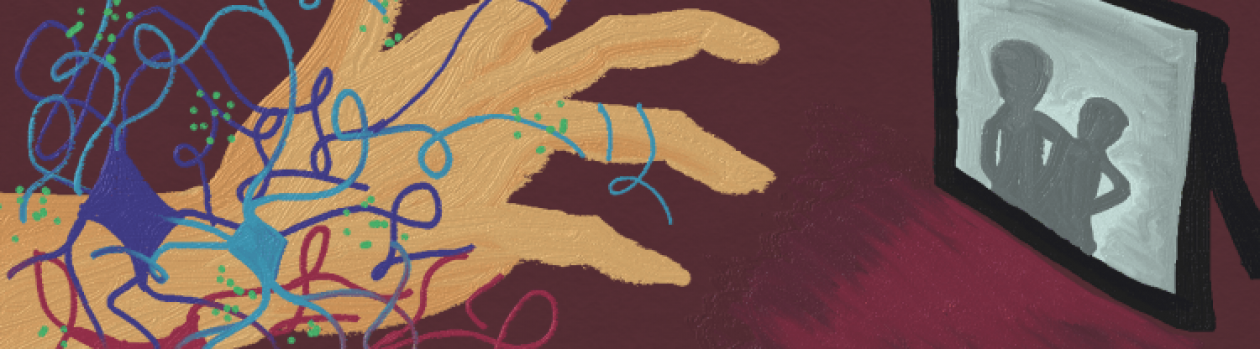
Rub Some Dirt In It..?

Concussions are a problem in today’s athletes.  Concussions are difficult to diagnose and their severities can vary greatly.  The long term effects of frequent concussions in athletes (especially football and boxing) are starting to be known with the growing number of former athletes found to have permanent brain damage.  With this knowledge becoming more known, questions have been raised.  Should boxing/ ultimate fighting be banned?  Should young children not play football?
Concussions can lead to brain damage through various cellular pathways.  The two I’ll focus on here are the production of NFTs as well as ATP depletion leading to acidosis and edema.
Concussions occur due to the rapid acceleration and deceleration forces put on the brain during trauma.  Trauma causes stretching and disruptions of the neuronal cell membranes leading to unregulated influx of calcium ions and an efflux of potassium ions.  This rapid depolarization leads to hyper-phosphorylated pathways leading to hyper-phosphorylated human tau proteins causing microtubule and microfilaments in neurons to aggregate and form neurofibrillary tangles (NFTs).  When NFTs form in neurons, the microtubules and microfilaments are no longer effective with transporting necessary cell components down the axon of the neurons.
The ATP-active membrane pumps on cell membranes are used for maintaining cellular ion concentrations necessary for proper neuronal function.  Rapid depolarization of the neuron due to cellular stretching and disruptions in the membrane cause ATP-active membrane pumps to activate and restore the cell back to normal ion levels.  However, because of the disruptions in the membranes, normal ion concentrations are difficult to achieve and thus these pumps run constantly, depleting the neuron’s ATP stores.  The cell relies on the mitochondria to replenish its stores of ATP through oxidative metabolism; however this process relies on very important concentration gradients of ions within the cell and the organelle itself.  The rapid influx of calcium causes impaired oxidative metabolism in the mitochondria because it disrupts ion concentration gradients already established for effective metabolism, thus ATP must be generated through anaerobic glycolysis which leads to accumulation of lactate.  The high levels of lactate accumulation cause acidosis and edema in these affected neurons.
NFT production, as well as depletion in ATP stores in neurons both leads to neuron death.  Concussions are so dangerous because of these processes (as well as others not touched on here).  Long term effects set in from the damage to neurons when re-injury occurs before proper healing has had a chance to run its course.  The problem seen with so many athletes today stems primarily from cultural tendencies.  In college sports, coaches need to win to keep their jobs.  If one of their best players goes down due to concussion, the coach is pressured to get him/her back in the game ASAP in order to win.  Pro-athletes are pressured to fight through concussions because there’s millions and millions of dollars on the line every time they sit out.  On top of all of the pressure imposed on others to get athletes back into the game, athletes themselves are faced with inner struggles about how long to sit out.
As an athlete, I love to compete.  There is something so special about being able to give everything you have for yourself and your team in an effort to achieve a common goal.  Athletes love being able to see how they match up with their opponents and want to be able to go to battle whenever they can.  Concussions are tricky injuries because they’re the definition of “grey area” as far as “how long is long-enough to sit out”?  With a lack of accurate testing available for diagnosis of concussions, doctors are reliant on the honesty of their patients.  However, like I stated above, athletes want to compete, not sit out.  This inner struggle causes many athletes to down-play their symptoms and get back on the field.  Having a knee injury or shoulder injury is pretty obvious about when the right time is to compete again.  The athlete can visually and physically see they aren’t ready.  Head injuries are difficult because even though you may feel fine, your brain is still in its “healing stage”.
People who claim that sports like football and boxing/ultimate fighting should be banned or kids shouldn’t become involved in them should recognize that the sports aren’t necessarily the entire problem.  Many injuries former boxers/fighter and football players are seeing were caused because they didn’t take the proper time to heal after initial concussions.  They started competing again too early leading to long-term problems.  It’s more of a cultural problem or an inner-athlete problem because athletes hate being told “you are not ready to play” or “you have to sit out”.  Therefor athletes are competing too soon after injuries and causing permanent damage upon frequent head traumas.
 
Until next time,
Sebastian

Putting A Price On The Brain: Concussions And Football

Paul Oliver, Andre Walters, David Duerson, Junior Seau, Ray Easterling, Shane Dorness and Terri Long have three things in common. They are all former NFL players, they all have taken their own lives and they all suffered from chronic traumatic encephalopathy (CTE).  CTE is caused by repetitive traumatic brain injuries (TBIs) and usually does not start to appear until after the athlete’s sports career has come to a close. Unfortunately there are no accepted guidelines for a clinical diagnosis of it.
When the brain is jarred, for example due to a big hit to the head during a football game, there is a stretching and overall disruption of neuronal and axonal cell membranes. Once this occurs, there is an influx of potassium and calcium ions across the membranes, eventually leading to an increased release of neurotransmitters. The brain tries very hard to keep itself in equilibrium by turning on different pumps in the cell membrane to try and restore itself. This activity takes up a lot of energy so the cell must produce large amounts of it. Picture having to turn on the heat in the house when it gets cold outside. As it gets colder, it takes more energy to keep the house at the temperature desired. This cascade of events ultimately causes the cells to go into a state of hyper metabolism. Protein plaques and neurofibrillary tangles can form, cell to cell communication can be at a loss and worst-case scenario, cell death can occur.
It is said that 3 in 10 ex-NFL players will face some type of neurological problem including but not limited to CTE, Alzheimer’s disease or dementia. So what is being done? For starters with regards to the NFL, the organization has proposed a $765 million settlement for ex-players over concussion-related injuries. But is money enough to cover chronic memory loss, the inability to sleep, personality changes or even suicide?
TBIs, especially concussions in football players, have been of high priority and discussion in recent years and at this point in time there seems to be a lot of finger pointing. It is the NFL’s fault because it doesn’t warn players of the risk, it’s society’s (and the NFL’s) fault for pushing players past their limit and encouraging them to continue playing even after a head injury, it’s the players fault for not reporting their concussions, it’s the helmet manufacture’s fault for producing faulty helmets. The list could go on. Regardless of whose “fault” it is or how much money a player will get from a settlement if they develop concussion-related injuries, education and prevention should be of upmost importance at all levels of the game.
TBIs, such as concussions, have occurred often enough that signs and symptoms as well as tests can be administered to determine if one is present as well as determine its severity.  Clearly several players knew they had severe problems and wanted to do something to spare future players.  Dave Duerson took his own live by a self inflicted gun shot wound to the chest (not more commonly the head) and in an eerie postmortem letter specifically stated that it was his wish to have his brain studied.  As stated earlier, CTEs cannot be diagnosed and are only able to be accurately diagnosed post mortem. I can only hope that more studies are done so that we have the ability to better understand the human brain and the affects that repeated traumatic events, like CTE,  have on it.

Sex, Drugs, and Rock-n-Roll (and Concussions)

It seems as though every time we turn around some prominent NFL retiree is committing suicide, tired of being afflicted by the effects of the repeated concussions from his glory years. Yet while the dangers of traumatic brain injuries (TBIs) such as concussions are well known, sports such as boxing and football have done little to protect their participants. The athletes, feeling extreme pressure from a society obsessed with its sports and competitions, are forced to put their health on the line daily, risking a future full of memory impairment and cognitive degradation.
Inability to focus and concentrate, trouble learning, communication issues, and difficulty understanding information are just a few of the problems associated with the harm caused by TBIs. When a person has a TBI, the head can be hit in one of two ways: a straightforward blow which causes lateral acceleration of the brain, or a blow from the side which causes rotational acceleration of the brain. In either case, the acceleration of the brain and subsequent deceleration can cause huge problems to the cell membranes in the brain. When these membranes are disrupted, ions such as potassium and calcium are able to leak across, causing stimulation and the release of neurotransmitters. In turn, various pumps in the cell membrane kick in to restore the ion balance, which uses up energy in the cell. This places a demand on the cell to produce more energy and go into a stage of hypermetabolism. All of these things can lead to disruption in brain cell communication, the accumulation of protein plaques, and even brain cell death. These things can obviously cause huge mental impairment that is currently irreversible.
But it’s not just professional sports that have a problem with TBIs. High school and college athletes also experience pressure to perform from coaches and parents alike, in addition to the pressure they place on themselves. Furthermore, athletes fear losing their eligibility after suffering repeated concussions. As a result, they often neglect to inform their coaches, parents, or health professionals about head injuries they experience, and continue to place themselves in harm’s way despite the potentially grave consequences.
Our society’s obsession with sports is driving its participants into situations that force them to take risks they shouldn’t need to take. Athletes should feel comfortable sitting out due to a head injury. There should be no pressure to get back on the field or into the ring if they aren’t feeling 100%. Yet that’s not the way it works. So how do we combat this pressure that society creates? Certainly we could outlaw sports such as boxing and football that have the highest incidences of TBI, but I don’t such a drastic step is quite necessary. Do we place regulations on how boxers can punch, football players can tackle, or hockey players can check? Do we focus our research on better equipment, or monitoring systems to track damage caused by TBIs? Should tackle football be banned for middle school and elementary school children? High schools have been doing a great job as of late bringing about awareness to the detrimental effects of concussions and TBIs, but more needs to be done. The next decade or two will be very interesting as today’s athletes age and the effects of their concussions begin to show. Not all that different than the rock stars we see suffering from their “wild” years, these athletes are in for a bitter future. Certainly there are many alternatives, and action is essential. But what that is exactly, is up for debate.

Walk, Run, and Eat Your Way Awar From Alzheimer's Disease

Alzheimer’s disease has always been a disease that older generations get and us youthful people don’t need to worry about it until later. That is what many Americans believe at least. I also believe this unfortunate misconception of the truth until recently when I discovered the role of insulin in Alzheimer’s disease. There is a metabolic pathway controlled by insulin in the brain that leads to many of the issues in Alzheimer’s disease. When this pathway is activated normally by insulin you get a healthy working brain. Issues arrive when this pathway begins to be overly activated by a molecule called amyloid-beta peptide. The over activation of this pathway leads to protein tangles that disrupt neuron communication and leads to cell death. This cell death is what causes the memory loss in patients who suffer from Alzheimer’s. Over activation of this pathway does another important thing also. It decreases the activity of a protein abbreviated FOXO. This an awesome protein that we definitely want to be activated. This protein is responsible for activities such as DNA repair and cellular stress relief. When this protein was activated within mice in the laboratory, the mice lived on average 26 percent longer lives than normal. That sounds like a very important protein if you ask me.
 
So what is the take home message from all this and why should those of us who are still young be doing about this disease now? Well when amyloid-beta peptide over activates the pathway described above we say that the pathway is now resistant to the affects of insulin because it is always activated. That sounds a lot like what happens in diabetes when people become insulin resistant. In fact it’s so similar that many scientists are now calling Alzheimer’s disease a form of diabetes 3. A poor diet and lack of exercise, along with genetics and aging is what leads to an increase in amyloid-beta peptide. Simply maintaining a healthy diet and exercising can greatly reduce one’s chances of getting Alzheimer’s disease. I know there are a million reasons to take care of oneself, but this is just another reason and an important one if you ask me. We don’t want our brains to be insulin resistant, we want FOXO to do its job, and we don’t want Alzheimer’s disease so the most important thing we can do is take care of our bodies.

Is your sweet tooth breaking down your brain? Insulin’s role in Alzheimer’s Pathology

Living in a society where overindulgence of food is commonplace and obesity rates are rampant, we are well aware that too much sugar and fat in our diets is bad for our health, as it can lead to diabetes and heart problems. But it’s not just our hearts that we should be concerned about: this sugar overload may very well be breaking down our brains too. Recent research has discovered that insulin resistance seen in Type 2 diabetes is involved in the development and pathology of Alzheimer’s disease; some scientists are even referring to Alzheimer’s as Type 3 diabetes.
Many people know someone with diabetes or have at least heard about it from a popular infomercial and this man’s pronunciation of the disease:

My first exposure to diabetes was seeing my uncle, who has Type I diabetes, inject insulin into his leg and asking my mom why he got to eat M&M’s for dinner and I didn’t. I didn’t fully understand how sugar in the body worked or why he needed to give himself shots several times a day. Insulin is a hormone created in the body that helps regulate glucose levels in your blood. Too much glucose in your blood is toxic. However, in the case of diabetes, insulin is either not being produced in the body at all or in insufficient amounts (Type 1) or in the case of Type 2 diabetes, the body becomes resistant to insulin, meaning that cells fail to respond to the normal actions of insulin, so blood sugar is no longer being regulated. Type I is often referred to as childhood diabetes, the type that is not related to food or lifestyle choices.Type II is the type of diabetes whose onset results from an unhealthy lifestyle, correlated with obesity. With increased levels of sugar in your diet, the body will initially produce more insulin to help regulate blood glucose levels, but eventually it cannot make enough insulin to keep up with the demand, and the body no longer responds to insulin.
So how does insulin relate to Alzheimer’s? Alzheimer’s disease is a progressive neurodegenerative disease characterized by neurofibrillary tangles and beta-amyloid plaques. Insulin and insulin-like hormones activate the PI3-kinase/Akt pathway. This pathway is involved in transmission of pathophysiological responses from amyloid-beta to tau, two important proteins. When insulin responses are desensitized in the brain, it leads to an increased activation of this pathway. When this pathway is over-activated, it leads to changes in amyloid-beta modulation and missorting and hyperphosphorylation of tau protein. Amyloid-beta is a protein fragment produced normally in the body. In Alzheimer’s, these fragments are not broken down like they should, and they clump together, forming plaques in the brain, which kill neurons. This means decreased neuronal communication in parts of the brain responsible for memory, resulting in worsening memory recall as the brain degenerates.
Tau missorting creates another problem seen in AD brains: neurofibrillary tangles. Let’s think of tau in terms of a college student doing laundry, and assume that the student normally folds and sorts their clothes and puts them in organized drawers (and for the sake of their mother’s sanity). Normally, clothes are always folded neatly, sorted by article of clothing, and put in their respective drawers. However, with increased stress with too many things to do, the student is overactivated, working too hard, and becomes fatigued. This affects their laundry routine. Clothes are missorted and no longer folded properly, ending up in piles on the floor instead of where they are supposed to be. Eventually, the piles become so severe, the tangles of clothes obstruct pathways needed to get to their bed, and the student can no longer reach it. Like the piles of clothes, tau gets misfolded and missorted and accumulates, creating tangles eventually blocking pathways and neuronal communication, causing neurons to die in areas of the brain involved in memory, like the hippocampus, this is how the progressive memory loss occurs in Alzheimer’s disease.
Without insulin being regulated and used properly, the PI3-kinase/Akt pathway is overactivated, causing malfunctions in protein breakdown and sorting, leading to plaques and tangles that destroy neurons in brain areas involved in memory, key characteristics of Alzheimer’s disease. With so many factors contributing to the onset of AD, it is difficult to pinpoint an area that is effective for treatment. However, with the knowledge of the relationship between insulin resistance and Alzheimer’s disease, we do have a possibility of effective prevention: eating healthy and exercising. We’ve been told time and time again that this is important, but this is further proof that we need to take care of our bodies to not only keep us in good physical shape but also good mental shape as we age. If not for you, do it for the ones you love. Because I’d rather be able to relive memories with my loved ones than to have my loved ones be witness to me losing the memories we once shared and eventually, forgetting who my loved ones are altogether.
 
Image retrieved from: http://www.quickmeme.com/meme/3rr0nc

The Fountain of Youth

 
As we age we naturally loose our ability to perform successful biological tasks in our bodies, making us more susceptible to diseases. One of the biological pathways involved in aging and longevity is PI3K/AKT/mTOR signaling pathway. Recent studies have demonstrated that the overstimulation of the PI3K/AKT/mTOR signaling pathway could be potentially the reason for aging, neurodegenerative disease, and ultimately death. Alzheimer’s Disease (AD) is a neurodegenerative disease that affects approximately 36 million people worldwide and is the leading cause of dementia in the United States.
People become increasingly vulnerable to AD as they age as and as the PI3K/AKT/mTOR pathway becomes over stimulated it begins to lead to many of the side affects of AD. Normally, the signaling pathway works to regulate gene expression, cellular repair, and metabolism. The pathway creates a protein cascade once initiated, by binding a molecule to a receptor, kind of like a lock and key. This pathway is activated by insulin and an insulin-like growth factor and activates and deactivates many things in the cell. The over activation of this pathway has been shown to cause many enzymes to become unregulated leading to the plaques and neurofibrial tangles that are characteristic of AD and brain damage. However, the complete reason behind this pathway and why people age and develop neurodegenerative diseases, such as AD, is not fully understood.
This pathway could be the “fountain of youth” that scientists and researchers have been, for centuries, searching for. If there was a way to control the activation of this pathway that would lead to an increase in life expectancy would people choose to do this? Much of what medicine works to do is to extend life expectancy and rid society of preventable diseases such as obesity, drug induced illnesses, and so forth. So if this pathway could be controlled, there is some belief, that it could partially halt cell death and/or produce regenerative properties that could increase a person’s lifespan.
However, what does this mean for our world? People would begin to live longer and longer. If you could prolong your life say by ten years would you? Our society today has a much higher life expectancy than centuries ago and yet we are still searching for immortality. If we had an option, such as utilizing this biological pathway would more people choose to live longer than people are living now? What would that mean for the world’s population and the diseases that will then begin to surface? As we search for ways to prolong life and rid the world of diseases and illnesses, are we doing what is best for the environment and for all people? Lastly, should we be the deciding factor on our own time of death? These questions cannot be answered by a simple yes or no, but through great discussion that must take place in the near future as we reach new levels of understanding in the human body.
 
 
References:

  1. http://www.webmd.com/alzheimers/guide/alzheimers-dementia
  2. Neill, Cora. PI3-Kinase/Akt/mTOR signaling: Impaired on/off switches in aging, cognitive decline and Alzheimer’s disease. Experimental Gerontology. March 2013.

Disease from Age or Age from Disease? What is Alzheimer’s Disease?

Alzheimer’s Disease (AD) is the leading cause of dementia and is estimated to affect 36 million people worldwide.  There are cases of early-onset AD, however it is very rare, occurring in less than one percent of all instances.  Although there are genetic components associated with being predisposed to AD, it is primarily a disease of aging.  Several common symptoms that are associated with AD are, memory loss, confusion, irritability, aggression, mood swings, and loss of articulation.  The current prognosis for someone who is diagnosed with AD is seven years.  The drugs that are currently approved for AD only treat symptoms and not the disease itself.  However there are many treatments that are currently being tested.  But before we delve into these new treatment options, we must first examine the pathway by with AD operates.

Pathways
PI3-K/Akt:
The PI3-K/Akt (phosphoinositide 3-kinase)/Akt is a signaling pathway which is primarily activated by insulin and IGF-1 (insulin-like growth factor-1).  Besides having a name filled with confusing acronyms, the PI3-K/Akt pathway that is found at high levels in the brain.  The pathway begins when the signaling molecule (insulin) binds to the membrane receptor (which is a receptor tyrosine kinase RTK).  This then leads to a cascade of phosphorilation (changing the conformations of proteins down stream) which ultimately leads to cellular responses such as survival, metabolism, growth, repair, etc.  Several key regulatory proteins that are found in the cycle are mTOR, GSK3ß, and FOXO.
Tau
Tau is an important protein which is found farther down the pathway of PI3-K/Akt.  It is regulated primarily by mTOR in particular and contributes to one of the primary causes of AD — neurofibrillary tangles (NFT) — when unregulated.  In addition, this pathway is further expressed when there are elevated levels of Aß plaques, another primary cause of AD.  Not surprisingly, it is a vicious cycle, the more Aß plaques, the more NFTs.  The question then remains, what can be done to regulate and control these pathways and reduce the affect of AD?

Treatment options
Acetylcholinesterase inhibitors & NMDA receptor antagonists
Acetylcholinesterase inhibitors and NMDA receptor antagonists are the current methods of AD treatment.  While effective, these treatments do not last very long and AD continues down its disastrous course.  Because of this, many new options of treatment are being examined.
Intranasal insulin therapy
Clinical trials of intranasal insulin therapy have been tested on patients who are beginning to show signs of cognitive decline.  This treatment targets the central nervous system (CNS) but not the periphery.  Initial trials have been showing promise.
Aß Inhibitors
Additional clinical trials are being conducted which target and reduce the levels of Aß in the brain.  Drugs such as GLP-1, exendin-4, and liraglutide treat deficits in insulin signaling which is directly connected to elevated levels of Aß plaques.
PI3-K/Akt pathway regulation (calorie restriction)
Much like most functional problems in the body, there is a medical pharmaceutical solution to the issue, and then there are lifestyle and dietary solutions.  In the case of the PI3-K/Akt pathway, practicing caloric restriction keeps the system in balance even with age, and therefore prevents against the progression of AD.

Could Alzheimer's be a Disease of Over-Indulgence?

When you hear the words Alzheimer’s disease, most people think of old age, and rightly so, the timeline of the disease is such that elderly people are most effected. Old age itself does not, however, cause the disease and recent research is now shedding some light on the actual culprit. Believe it or not, Alzheimer’s may soon be known as Type-3 diabetes, and like all types of diabetes, insulin and diet play a big role.
Insulin has many pathways throughout the body, it’s most commonly known for its recent role in the regulation of blood-glucose levels, or bloodsugar. In light of research, insulin may also be involved in Alzheimer’s. Insulin acts on receptors in the brain to activate a cascade of proteins and enzymes, known as the PI3-kinase/Akt/mTOR pathway, leading to the switching-off of a survival pathway involved in cleaning up neurons of dangerous misfolded proteins. This is where diet comes in to the story. High calorie, unhealthy diets can lead to many problems in the body and Alzheimer’s could potentially be one of them. An unhealthy diet will increase the amount of insulin released in the body which can lead to an over-activation of the PI3-kinase/Akt/mTOR pathway which can lead to the Aβ plaques and neurofibrillary tangles associated with neural death and Alzheimer’s.
There are some promising drugs being studied that might help slow down or even cure Alzheimer’s disease. One such drug is rapamycin. Rapamycin works by inhibiting the mTOR enzyme which can stop the production of plaques and neurofibrillary tangles. This would be a great breakthrough because, as of yet, there has been few therapies available to eliminate the growth and creation of these dangerous substances. With all of this new knowledge about Alzheimer’s, I expect more people to become informed and educated about the dangers of an unhealthy diet and the intricate pathways involved in Alzheimer’s disease.

Put Down the Burger Today, Lower Your Risk of Alzheimer’s in the Future

Alzheimer’s – it’s the thing that a lot of us fear in the what-seems-so-far-off future. I often times complain about being a “forgetful” person. I’ll forget to text my roommate back or forget to throw my last load of laundry in the dryer. I’ll forget what time that meeting is or forget to get something at the grocery store. But my version of “forgetting” is nothing compared to those affected with Alzheimer’s. I still remember the faces of my family and friends. I still remember what day it is or how old I am. The over 5 million of Americans that have Alzheimer’s disease are not as fortunate. Alzheimer’s disease (AD) is a devastating neurodegenerative disease that has no cure, and the number one risk factor is simply getting older. Until the Fountain of Youth is discovered or a way of preventing Alzheimer’s is developed, AD will continue to be a disease that evades us.
Although AD seems to be confusing and is a disease that is extremely complicated, we do have some important knowledge that could help us develop a cure or better treatment later down the road. One particular pathway in the body and brain seems to be a major factor in AD. The PI3-K/Akt pathway can have a huge effect on aging. And because the number one risk of developing AD is getting older, lengthening life in theory would reduce one’s risk. In fact, reduction of the activation of this pathway has resulted in an extended lifespan in many studies. In addition, over-activation of the PI3-K/Akt pathway is seen in those with AD. When the pathway is over-activated, it causes too much activation of a protein kinase called mTOR. Then, as a result, amyloid beta plaques build up in the brain and neurofibrillary tangles start to accumulate. Ultimately, it is the plaques and tangles that cause much of the cognitive decline in someone with AD.
Alzheimer’s is also often times referred to as Type III diabetes due to the insulin resistance that occurs in the brain. Insulin and IGF-1 (insulin-like growth factor-1) are the major activators of the receptor (IGF-1R/IR) that turns the PI3-K/Akt pathway on or off. Too much insulin can over-activate the pathway and increase the risk of AD. Then, eventually that receptor can become resistant to insulin and cause the PI3-K/Akt/mTOR pathway to just keep running and running.
It is for this reason that the diet of America could very well be greatly increasing our risk of Alzheimer’s. When we overeat, especially foods that are very unhealthy for us, we end up increasing the amount of insulin resistance in our body, which may lead to consequences like AD later in life. However, in this fast paced world we live in, we more often than not choose the fastest, easiest option – which usually is not healthy. North Dakota currently has the highest death rate due to Alzheimer’s in the country. South Dakota is second. The Midwest tends to be an area of the United States that has a problem with obesity. Could these unhealthy lifestyle choices ultimately lead to you not knowing who your kids are later in your life? Alzheimer’s is usually a disease that does not surface until around the age of 65. But the decisions we make today will affect our future, even 40 years down the road. It is hard for us to look at that delicious, convenient fast-food burger and think that when we are older that burger could contribute to us losing our cognitive abilities because it just seems so far away. But for me, if there is a way to help prevent my risk of developing Alzheimer’s, I’m going to take it. And if that means giving up some of the unhealthy foods I love, then so be it. In the long run, it will be worth it.
 

If Grandma has Alzheimer’s will I get it? The Genetics of Alzheimer’s.

Alzheimer’s disease affects millions of people across the country, including loved ones of those who suffer from the condition.  Imagine how it would feel to visit someone you love dearly and to them be unable to recognize who you are, just like you were a total stranger.  This is the case for many who have loved ones with Alzheimer’s.  Alzheimer’s is a progressive neurodegenerative disease that typically affects older individuals (65 and older); it is characterized by severe loss of memory and other cognitive functions that impairs daily life.  Recent research has discovered that the damage to neurons that lead to the onset of Alzheimer’s is caused by the buildup of a protein, creating plaques and protein tangles, in the space between two neurons which impairs communication and signaling of messages through neurons in the brain.
So, with the number of people that Alzheimer’s affects, should one be worried about “inheriting” the disease from a family member who suffers from the disease?  More often than not, Alzheimer’s is not a disease that is usually inherited from other family members because it usually occurs sporadically; which might actually be scarier because a seemingly healthy and mentally sharp person could still develop Alzheimer’s disease.  The number one risk factor of the disease is actually old age.  Now that is not to say that Alzheimer’s is never linked to genetics, actually about 5-10% of total cases in the United States of Alzheimer’s are attributed to the familial version of Alzheimer’s, which is inherited in an autosomal dominant fashion.  This means that if your mother or father suffered from the familial version of Alzheimer’s and then you receive this allele you will develop Alzheimer’s because regardless of the other allele you inherit the familial Alzheimer’s allele will show up.  Familial Alzheimer’s is associated, almost all of the time, to the early onset form of the disease (onset before 65, usually 40s or 50s).  Researches have located three genes that if mutated can lead to the development of Alzheimer’s.  All of these genes regulate a protein, Amyloid Precursor Protein (APP), that is found in the cell membrane of the neurons in your brain and mutations of these genes lead to incorrect cutting of APP, creating other smaller proteins such as amyloid-b (AB).  Due to these genes increasing the cutting of the protein APP the accumulation of AB outside of the neurons in the synaptic space becomes a problem because they start to aggregate and create plaques and protein tangles, which eventually will lead to impaired signaling and communication between neurons.  The impaired communication due to plaques and tangles is the reason why those affected have memory loss because the information for the memory is trying to be sent but because of these plaques blocking the way the signal is never received to be remembered.  And if these neurons are unable to receive signals and other nutrients they end up dying which also accounts for the loss of memory as well as other cognitive functions.  Don’t worry too much about the familial form of Alzheimer’s because it is very rare and there is genetic testing that can be done to assess your risk and you can take appropriate steps to delay the onset of the disease, because sadly there is no cure to this disease.
 
For more information of Alzheimer’s visit the official Alzheimer’s organization site at http://www.alz.org/


Spam prevention powered by Akismet