5 Things Your High School Gym Teacher Didn’t Tell You About Concussions


Like many other students at Concordia College, I am (was) a student athlete. I wrestled for three years at Concordia, and I wrestled all the way from high school back to kindergarten. Only my senior year did I decide that enough was enough and it was time to hang up the wrestling shoes. And yet I feel guilty despite all the time and energy I spent cultivating my skills. My reasoning for quitting was that it was time to give my brain a break.
 
Nearly a year ago today I was wrestling with a teammate. It was the off season, so we were just messing around. My partner took a low shot, which I blocked with my knee. We had gone through this motion probably a thousand times before, but this time the knee cap to his temple knocked him out. He was fine, but he was unconscious for a few moments.
Instances like my wrestling practice are all too common in American colleges and high schools. Our obsession with sports is often chalked up to their ability to help young people develop character traits like tenacity and team working cohesiveness. But what’s the catch?
 
Our Concordia College neurochemistry class reviewed whats happening to our brain cells following a concussion, and there’s five things happening on a molecular level that you should know about.

  1. Ionic Flux-  After that big hit, your brain cells are reeling, and the ions (sodium, potassium, and calcium) are flying all over the place. Lots of positive ions move out of the cells, and they can’t signal anymore. This doesn’t allow the brain to communicate effectively.
  2. Energy crisis- Dealing with an injury takes a lot of energy. When the ions start moving around, your brain cells try to move them back against their gradient. This takes up a ton of energy, and the brain cells end up exhausting their energy stores rather quickly. In turn, your brain cells are subjected to metabolic stress, which is not a good thing.
  3. Cytoskeletal damage- If your brain cells were a building, and you threw those buildings against a wall really really hard, you’d expect there to be some damage right? This also happens to your brain cells during a concussion. The mechanical support system that holds your cells together (called the cytoskeleton) can break apart from the force of the hit.
  4. Axonal damage- Axons relay signals between brain cells, and they look like a long bridge projecting from the cells. Unfortunately these long bridges are also prone to breaking just like the cytoskeleton. Cells with broken axons tend to shrink and/or die.
  5. Protease dysfunction- Proteases are the small molecules that recycle proteins. To do this however, the protease needs energy. Remember the energy crisis that’s going on in your brain? Well if we don’t have the energy to keep your cells alive, we probably won’t be breaking down any proteins. This results in the accumulation of proteins within cells. This isn’t a big deal in younger brains normally, but as we age this can cause problems.


Even with all this evidence that hitting each other with our heads is bad for us (duh) we continue to engage in sports that consistently cause concussions. After thinking about this, I think I would still wrestle even if I knew it I would get a concussion. I believe that it’s easy for people to glaze over the life lessons we can take away from sports, but I definitely would not be going to medical school without having wrestled first. Wrestling taught me to stay on task and keep grinding even when things aren’t going well. I likely would have given up on my dream of being a physician without sports, so the brain trauma was worth it for me. But I think it is important to educate younger people about the risks involved in contact sports, so they can decide for themselves.
Having Trouble Remembering Simple Every Day Tasks? Read This!

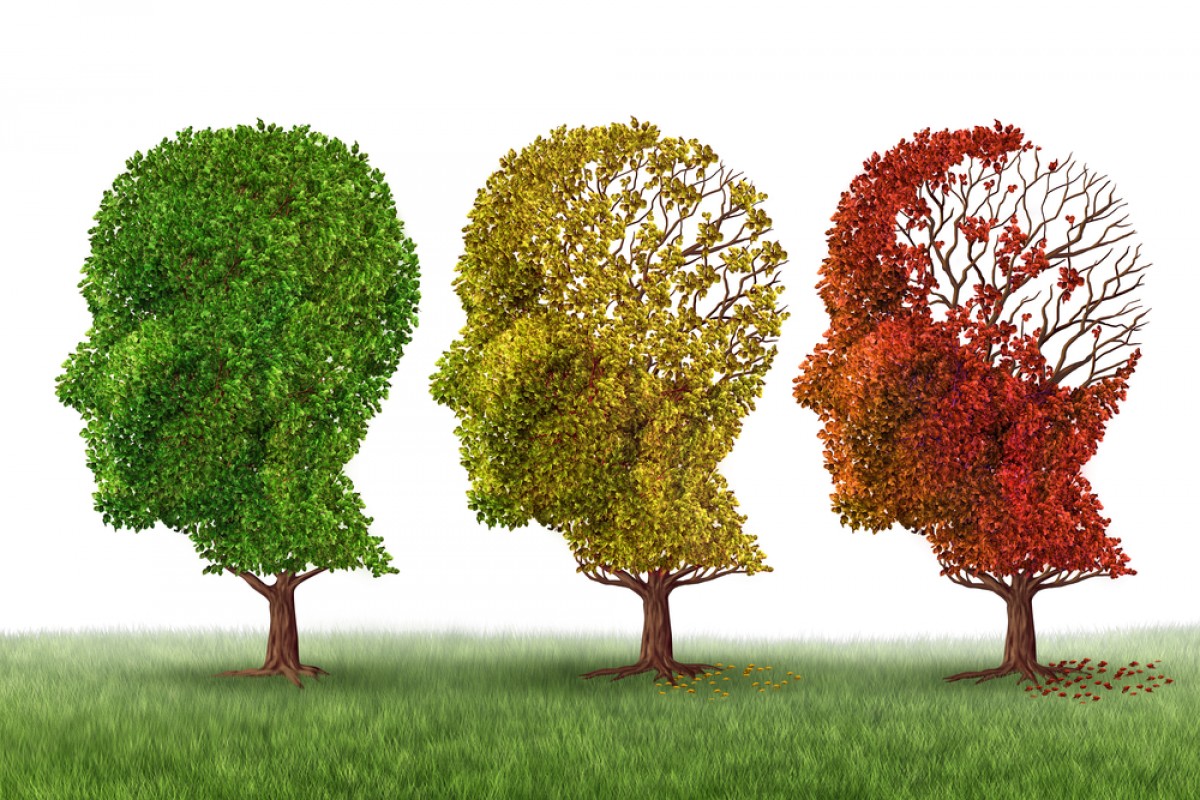
I forgot that my research group was meeting in our classroom instead of the professors office? Does that mean I have Alzheimer’s disease?
To answer my own question, no that does not mean that I have Alzheimer’s. One of the common misconceptions by the general population (myself initially included in this group) is that anyone having memory problems, particularly older individuals, has Alzheimer’s. In actuality, Alzheimer’s is a sub category of a neurodegenerative disease called dementia. Although Alzheimer’s makes up the majority of dementia cases (roughly 50-60%) it has specific criteria that separates it from other forms of dementia.
 
Alzheimer’s is usually noticed by people’s family members and friends first. However, it can be tricky to spot because some of the early symptoms are easily brushed off, such as forgetting newly learned information and confusion. It seems like this happens to most of us on a regular basis, but with Alzheimer’s  people continually are in states of confusion and have difficulty performing every day tasks. More advanced Alzheimer’s is easily identified.
I was at a rotary club meeting for lunch while I was shadowing a physician, and the local Alzheimer’s chapter was giving a talk on when you should see a doctor about dementia. The example was that the speaker’s grandmother made chocolate chip cookies every week her whole life. As she was getting older, the grandmother had trouble remember the recipe that she normally would never have to look up. It is instances like these where you should see a physician soon.
 
What’s happening to my brain if I have Alzheimer’s?
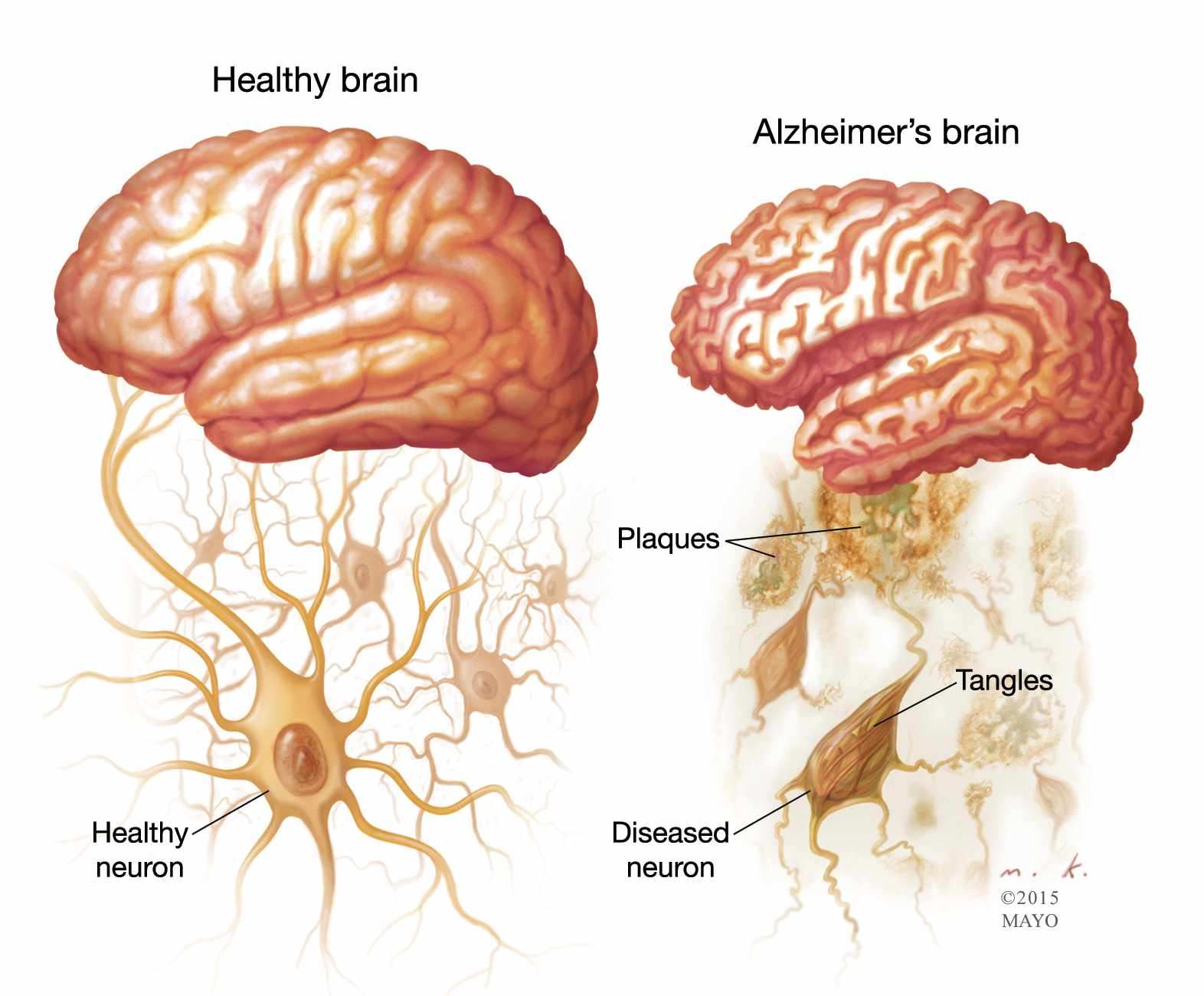
The Alzheimer’s Association does a fantastic job of helping people visualize what’s happening on a cellular level with Alzheimer’s ( Here’s a link to their website http://www.alz.org/alzheimers_disease_what_is_alzheimers.asp )
Image result for alzheimers What physicians and scientists are seeing on a molecular level is that the brain’s cells (fancy people call them neurons) are dying from an aggregation of proteins. These proteins form a plaque, and they prevent the neurons from functioning normally. Wondering how and why these plaques are forming? I was too! So my neurochemistry class decided to read a paper on what might be going wrong in Alzheimer’s.
 
Two main points can be taken away from our group’s discussion on Alzheimer’s.

  1. There is an involvement with the PI3k/Akt pathway
  2. Insulin resistance is occurring

PI3K/Akt pathway
The findings from our paper rather surprised me. From the other neurodegenerative disease we’ve read about, usually the PI3K/Akt pathway is suppressed. This makes sense to me, because this pathway is involved in cell proliferation and survival. I.e this pathway keeps brain cells alive. In Alzheimer’s however, this pathway is overactive, which results in several negative effects, and it could be contributing to the overall demise of brain cells.
 
Insulin Resistance
I was rather skeptical about the involvement of insulin in Alzheimer’s until I spoke with one of my peers. As he described what is occurring to me it made sense. Some scientists who are researching Alzheimer’s are actually describing it as Type 3 diabetes. Click on this link if you’d like to read their review article https://www.ncbi.nlm.nih.gov/pmc/articles/PMC2769828/
Once the PI3K/Akt pathway is initiated, the downstream signaling proteins block the insulin receptor by internalizing it into the cell, and the cells become resistance to insulin. This occurs in type two diabetes in the pancreas and fat tissue, and it’s happening in the brain tissue of people with Alzheimer’s. Thus supporting the assertion that Alzheimer’s may be another form of diabetes, it’s simply happening in the brain instead of the pancreas this time. Mind=Blown.

Dopamine’s Other SECRET Job

You’ve likely heard about the neurotransmitter called dopamine. The first time I heard about it was in 7th grade health class when we were talking about illegal drug effects on the brain. I was surprised to learn that both stimulants (things like meth) and depressants (stuff like heroin) both cause a rush of dopamine in your brain. This creates the feeling of intense pleasure and even euphoria. However, dopamine also has a job you probably haven’t heard of…

 
To understand dopamine’s other job, we have to talk about what it actually does to your brain cells. Dopamine can be both excitatory and inhibitory. That is to say that it can make it easier for brain cells to signal other cells, or it can make it harder. There are two main receptors for dopamine (Receptors are small proteins usually on the surface of a cell that capture signaling molecules and relay their specific signal). The first is D1, which is an excitatory receptor. The other is D2, which is an inhibitory receptor.

The part of the brain that is shaded in red is one of the main hubs of dopamine in the brain. It’s called the substantia nigra because in a healthy brain the brain cells are actually black in color! This part of the brain plays a huge roll in regulating both desired and undesired movements. Brain cells from the substantia nigra have long projections that travel to the switchboard of the brain called the Thalamus, and to the reward center of the brain called the Striatum. These brain cells release dopamine, which bind to the D1 and D2 receptors I previously wrote about.
Desired Movement:
For desired movement, the substantia nigra releases dopamine into the striatum, which in turn does not signal the thalamus. This allows for an overall excitatory effect, which makes sense because rewarding the movement we just performed will make it happen again, thus creating desired movement.
 
Undesired Movement
Undesired movements, such as shakes and tremors, are inhibited by the substantia nigra. It does this by releasing a different neurotransmitter called GABA, which has an inhibitory effect. By inhibiting certain movements, we end up with an overall smooth stabilized movement. This is vital for simple tasks like picking up a class of water, or bringing a spoon to your mouth.
 
 
Parkinson’s: When the Substantia Nigra has a problem
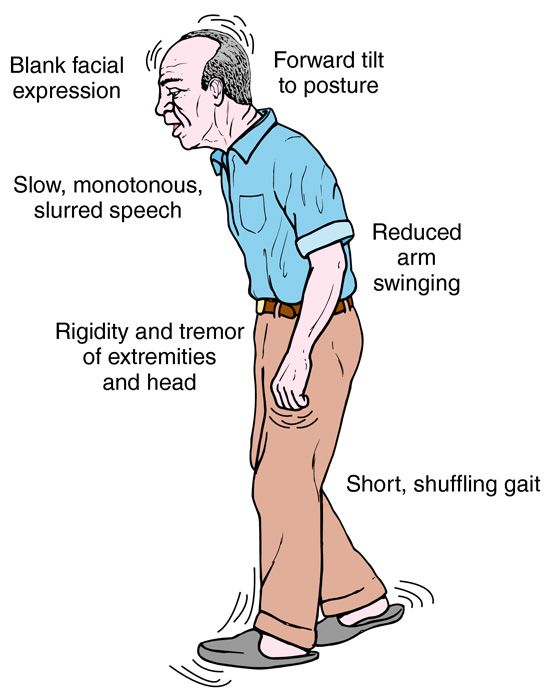
A neurodegenerative disorder you’ve likely heard of is Parkinson’s disease. Simply put, Parkinson’s is the death of the substantia nigra. With the death of the substantia nigra, motor problems arise. There is no inhibitory effect on the thalamus, and tremors result. Additionally, dizziness, trouble sleeping, speech trouble, and loss of smell may also be present. On a cellular level, a type of plaque called Lewy bodies (composed of a protein called alpha synuclein) accumulates around the dead cells. Treatment for Parkinson’s involves replacing the lost dopamine with a precursor of the neurotransmitter called L-DOPA.
 
Current Research:
The paper we discussed for Parkinson’s highlighted the importance of a subset of signaling proteins called kinases. Kinases are activator molecules that relay tons of different signals in the cell. Scientists are beginning to investigate the role between kinases and the accumulation of the Lewy bodies. The kinases perform many different functions within the cells, but they mainly involve recycling mitochondria, oxidative stress, and inflammation. These kinases offer a chance to combat Parkinson’s and may be a stepping stone to curing this neurodegenerative disorder.


Four Things About Autism You’ve Probably Never Hear…


One word that parents always dread hearing is coming up more and more in elementary schools. Autism. For some it’s a debilitating disorder that impairs basic function. For others, it can be a minor hinderance, but one that can be coped with. Regardless of the severity, autism can offer several challenges for individuals who have been inflicted by the disease. With the rising amount of diagnosed cases of autism comes increased research on the disorder. In our Concordia College neurochemistry class, we discussed a paper on the environmental effects of autism, and I’m here to dispel several myths (and add a few truths) about what we currently know about autism.
 

  1. There is no (zip, nada, zilch,) correlation between vaccines and autism, but there is a correlation with maternal viral infections.

That’s right. Vaccinating your children won’t give them autism, but some data has indicated that if the mother’s immune system could be playing a role in autism. The mother’s antibodies may be interfering with the development of the baby’s nervous system. 
https://www.ncbi.nlm.nih.gov/pmc/articles/PMC4776649/ ▲
2. Autism is not a disease that’s all or nothing, instead it’s a spectrum.
One thing that I’ve found rather interesting with the diagnosis of autism being redefined is that it’s a spectrum now. Now, some diseases that were once their own separate illnesses have been put under the umbrella of autism. In middle school I knew an individual who had some classical symptoms of Asperger’s syndrome and as such he was diagnosed with said syndrome. In high school, the idea of autism being a spectrum disorder received traction, and he explained to me and the rest of our class that his diagnosis had technically changed even though his symptoms had remained consistent.
 
3. Autism could all be caused by a zinc deficiency
Wait what?? A zinc deficiency? That’s it? Those were my thoughts as well. Interestingly, zinc is needed for proper neurological function as well as stabilization of some protein domains and proper immune function. It’s also a trace element, meaning we don’t need a whole lot of it. Women who become pregnant often do not know until many weeks after conception, and then begin taking their prenatal vitamins. Although zinc is unlikely to be the only culprit, it could be playing a significant role in autism’s development.
 
4. It’s a developmental disorder
One of the concepts that our neurochemistry class grappled with after reading the literature on autism is the actual onset of the disease. It still remains unclear, and there is added difficulty to understanding this problem since autism has a wide array of manifestations. One possibility is that the damage from autism has already occurred when the baby is born. This is one of the hardest things for people to wrap their head around, especially since we don’t typically see symptoms until the baby is a couple of years old already. https://www.autismspeaks.org
 
Although much remains unclear about autism, one thing is for certain. Scientist, psychologists, and parents are all hard at work trying to understand this disease and how we can deal most effectively with it. Moving forward, it is likely that more research on neural development under stressful conditions will be needed to fully comprehend this disorder.
 

My Capstone Experience

The main goal that Concordia College has for their students is that during their time in school, they learn to BREW – Become Responsible Engaged in the World. Part of the way that they do that is through their CORE curriculum, which requires students to get a variety of classes, even outside of their major and minor. Part of that curriculum is that requirement of a “capstone” class.
 
Neurochemistry is the class that I decided to take as my capstone class, and it was one of my favorite classes during my time here at Concordia. First off, I learned so much about the brain, signaling pathways within the brain, and how dysfunction of these pathways can contribute to some of the most common diseases that people experience in the United States. These included Alzheimer’s Disease, Autism, ALS, Concussion, Addiction, mental illness, anxiety/PTSD, Parkinson’s Disease, and eating disorders/obesity. The class was more interactive and discussion-based than my other classes I had. We would learn together as a class by reading through articles and discussing them together, as they could be difficult to wrap your head around at times. The brain is a really complex organ!

The first couple weeks of the semester was review on signaling pathways and molecules, but the rest of the semester followed the same pattern. We would read the article over the weekend and discuss it on Monday, trying to make sense of what was going wrong in the brain and affected neural synapses or release of hormone and neurotransmitters, and how it differed from the normal functioning. For Wednesday, we would each research something that the class wanted to know more about related to the topic for the week. We would then do “speed dating,” each giving our spiel in about three minutes. Then Friday would be just a class discussion. There would be discussion leaders, but it was informal and some really interesting comments and discussions ensued during those times. We would then write blog posts every week on Area Voices related to the topic, so that we were able to convey our knowledge to the public.
 
One of Concordia’s goals is to instill a love for learning. For me, this class did this as the topic were relevant to my interests and future, as I am planning to go to medical school. I was able to tie what we were learning about to previous classes and understand the biology and chemistry of synaptic signaling in the brain to a deeper level. The way the class was set up I think also peaked students interests to be engaged.
Concordia also strives to develop foundational skills and transferable learning capabilities. This class was relevant to other classes I have taken in my major, and I know that I will use the knowledge I learned in my future medical classes. It also improved my skills in being able to read and understand scientific articles.
Concordia also wants to develop understanding of disciplinary, interdisciplinary, and intercultural perspectives and their connections. Like I mentioned, neurochemistry is related to many other topics in biology, such as physiological processes, immune system processes, and other. Some of the research students did in this class also looked at differences of some disorders in different areas of the world. It also brought to light how some different cultures may view sickness in a different light than we do in the United States.
Another goal Concordia has is to cultivate an examined cultural, ethical, physical, and spiritual self-understanding. These are things that would come up in our discussions. Questions about how cultures experience illnesses in different ways. It is also interesting to look at the prevalence differences between races and parts of the world. This class also provided information for me to better understand what goes on in my body, and how it may have certain effects if it is altered. It helped me to understand what is happening in the brains of people who do struggle with the diseases that we talked about.
Finally, the biggest part of BREW is responsibly participating in the world. We each were involved in a community action project. The one my group did was on addiction in the community. We had representatives from Dakota Medical Foundation and an addiction counselor come in and talk as part of our presentation. They had great things to say, and it really addressed how addiction is a problem in our community here, with their statistics and stories that they told. My group wanted to emphasize to our audience how addiction is a disease, as there are actual chemical and structural changes that take place in the brain that make it essentially impossible for that person to break free from their addiction without help. We wanted to encourage students here and others in the community to get help if they need, or to address the issue with someone they know is struggling.

Like I mentioned, neurochemistry was one of my favorite classes I took over my four years at Concordia. It encouraged my participation in class and in the community. It required me to think critically and take knowledge from other classes to better make sense of the topics we discussed. It also pushed me to think about the future and how these diseases may be cured, prevented, or new treatments developed to help people.

Capstone Courses Are Pretty Neat

Sometimes we like to make fun of liberal arts degrees.  I may not understand my tax forms, but at least I know about quantum tunnelling!  Those kinds of comments happen often.  Learning about seemingly random things you never thought you were signing up for is tedious at times, but when you step back and look at what four years has done, you start to appreciate it.
During senior year, students take a capstone course as the culmination of their liberal arts education.  The courses are designed to blend disparate fields of study and bring them together to deepen students’ knowledge about a topic.  Capstone courses also involve cultural awareness and involvement in the local community.  At Concordia, topics of capstone courses include world musics, dangerous literature, and the biochemistry of cancer.  I took neurochemistry for my capstone course.  Don’t worry, it was actually a lot more fun than I expected.  
What do capstone courses have that others don’t?  That became clear in our weekly group discussions.  We would break into small groups and discuss aspects of the disease/ issue/ chemical pathway of the week.  During our week on schizophrenia, a student brought up an idea from an Indian religions class.  A person with schizophrenia living in India might not be avoided as a dangerous anomaly.  Instead they might be treated with respectful distance or even valued as someone with a gift.  Maybe the way we shun people with mental illness in America contributes to poorer outcomes for patients.  In a normal neurochemistry class, no one would have ever raised that question.  
When our different skills came together, our overall understanding grew tremendously.  As we tried to understand a research article on addiction, students from different fields had different perspectives to give.  Neuroscience majors explained the mechanisms of reward and long-term changes in the dopamine neurons of the striatum.  Psychology majors told us about how the reward pathway works on a larger scale with classical conditioning and state dependent memory.  Pre-med students understood that many addictions begin with prescription narcotics, and that the opioid epidemic is driven by more than individual brains, but by systemic, bureaucratic problems.  With many people adding their own experiences to the pile, everyone developed a broader knowledge of the issue.  
The ultimate aim, of course, is coming closer to fixing intractable diseases– of brains and of society.  A sweeping, entrenched epidemic like we see with opioids can not be solved using only neuroscientists.  Medications need to be prescribed by vigilant doctors and accompanied by therapy from perceptive counselors.  We will need meticulous statisticians to help to manage the health of millions of people.  Only social workers are able to help the families of addicts, and sometimes to heal fully you need a musician or a comedian thrown in for good measure.  Before I took my capstone course I knew that teamwork would be necessary, but the course showed me how to make that teamwork happen, and how powerful a synthesis of minds can be.  

CAP-Ping Off My College Experience

The neurochemistry capstone is unlike any science class I have taken at Concordia. While the background of chemistry, biology, and neuroscience is helpful, it was learning how everything relates that was so integral to the articles. With each article came a new discussion, direction, and potential solutions to the many problems. It was great to have students with different backgrounds in the class which really helped our discussions throughout the weeks. We were able to challenge each other with new ideas or thought provoking questions.

    Each week, everyone in our class was able to contribute new information or a new perspective on the “article/disease of the week”. It was challenging to look at diseases from a multidisciplinary lens. We also stressed the importance of sharing science with the general population. While innovative research, conferences, and scientific literature is important, it is also important to communicate that information to the general public in understandable terms. Often times in society, this aspect is overlooked. We learned ways to be concise and explain things in a way that was educational and accurate. Communication in different mediums was a skill we utilized a lot in this class, with presentations, written essays, partnered discussions (or speed dating as we liked to call it), and blog posts. The practice of sharing scientific findings with the general public was especially achieved through the blog posts. We also were able to practice our artistic skills and abstract thinking to reduce complicated ideas into simple drawings or ‘ARTstracts’. Some of us who aren’t as artistically gifted found this to be a difficult component to the blogs!

Because many of the diseases result in degeneration and death, it elicits the need for a cure to be found. Before treatments can be discovered it is important to understand the pathogenesis and pathways that are disrupted during this disease states. Many of them are very complicated and have lots of difficult components and potential causes. We started the class with a foundation on some of the basic pathways involved in cellular metabolism and maintenance and then applied this knowledge each week.

            Week after week we were able to tackle difficult diseases with complicated pathways. We would dissect them, question them, investigate them, and discuss them. Our Friday discussions were always interesting, and usually took tangents with deep thought questions and social implications as well as application to our own lives. Being able to discuss the science, and culture of diseases with a group of fellow college students is quite rewarding. Sometimes I think we forget that most people do not wish to discuss the adenylyl cyclase pathway for 70 minutes on a Wednesday. Yet we plugged along tackling one problem at a time – often leaving with more questions than answers. The more we learned, the less we feel we know! While this concept is frustrating, it also leads to inspiration and innovation that I hope we are able to bring to the world one day.

We also split into teams and worked on a community action project which was another way to bridge the gap between science and the general public. My group looked at eating disorders, especially on campus and with athletes. By holding a talk on campus for students, coaches, and teachers we were able to reach an audience that normally would not hear about the role of neurochemistry in eating disorders. It is important to raise awareness, and keep people educated and informed as to what is going on in our bodies.

            I felt like this class was a good way to cap off my time at Concordia. It was a good culmination of many of the courses I have taken here at Concordia. I know I personally was able to connect Vaccinology, Anatomy and Physiology, Psychology 111 & 206, Immunology, Microbiology, Religion and Science, Organic Chemistry, Biochemistry, and Embryology with this class. On top of that my classmates had other classes and experiences to add to it! That just shows how important it is to have that encompassing experience that can connect many fields and ideas. The ‘liberal arts’ way of thinking is very important in approaching some of the issues we are going to face in the future. Having a wide basis of knowledge allows you to think more critically and connect dots between two seemingly unrelated fields.

As described in detail above this class has hit all the liberal arts goals: to instill a love for learning, develop foundational skills, develop an interdisciplinary understanding, examine culture, ethical, physical and spiritual self-understanding, and encourage responsible participation in the world.


ALS, Beyond the Ice Bucket Challenge

What is ALS?
Most people know amyotrophic laterals sclerosis (ALS) as Lou Gehrig’s disease after the professional baseball player who had to retire due to the illness. It was also the subject of a social media craze called the ‘ice bucket challenge” that aimed to raise awareness and funds for research. ALS is a progressive disorder that affects the motor neurons in the brain and spinal cord. The death of these neurons manifests as a gradual decline in voluntary movement that leads to paralysis and death.
Image result for ice bucket challenge
Individuals typically live 2-5 years after the first symptoms present themselves. The Center for Disease and Control estimates that roughly 10,000 to 15,000 people in the US are affected. Like Alzheimer’s, ALS is an age-related disorder with most cases occurring in individuals between the ages of 55 and 75.
Progression of Symptoms
-Early Stage

  • Trouble grasping small items
  • Changes in vocal pitch
  • Falling
  • Muscle cramps/twitches
  • Excess fatigue

-Middle Stage

  • Breathing becomes more difficult
  • Muscles tighten and become weak
  • Trouble walking and balancing
  • Eating and speech ability reduced

-Late Stage

  • Muscles become paralyzed
  • Speech is not possible
  • Breathing requires a ventilator

Two forms of ALS can occur, sporadic, and familial. The sporadic can impact anyone. This form accounts for up 90 to 95 percent of all cases. The familial form of ALS is the result of inheriting genetic mutations and is responsible for 5 to 10 percent of all cases.
The Latest Science
The cause of sporadic ALS is not well known. Scientists are working to understand the pathology to address the vital need of developing treatments and a cure. Recent research has implicated prolonged oxidative stress as a possible mechanism. It can lead to protein aggregation and therefore defective function of the proteins involved. It can also impact critical transport systems between the nucleus and cytoplasm of the cell by RNA binding proteins.
Oxidative stress can also cause mitochondrial damage by altering mitochondrial proteins. Through an unknown mechanism, these altered proteins can inflict damage on the mitochondria. These organelles are vital for the health of cells and damage can increase susceptibility of neuron death.
The conditions of oxidative stress and protein aggregation may also lead to improper protein metabolism. Protein dysmetabolism can negatively impact a big range of processes crucial for the survival and functioning of neurons.
It is worthy to note that familial cases of ALS are the result of mutations to genes that code for proteins involved in the pathways above.
Although we may be years away from a cure for ALS, promising advances are being made in understanding the molecular drivers of the disease. This will one day help develop effective therapies to increase the quality of life for those affected.
You Can Help!
I encourage you to visit the websites of organizations listed below to learn more and help fight ALS.

Image result for ALS


Parkinson’s Disease: What Is L-Dopa and How Does It Act?

Parkinson’s disease (PD) is a very tough disease to discuss because of its progressive nature and how debilitating it can be.  To any of you who knows someone that has PD you know exactly what I am talking about.  It starts out as barely noticeable tremors, stiffness, and moving slower.  Now the stiffness and slowing of movement can also be attributed to old age and that is what makes this disease so difficult to diagnose.  One other noticeable sign that only presents in Parkinson’s is the arms remaining stationary while an individual walks and also the inability to turn while walking without considerable time and effort.

In the United States there are about 1 million people that are diagnosed with the disease and around the world there are approximately 4 million people.  Every year there is about 60,000 people diagnosed with the disease in the United States alone.  Most PD onset is at the age of 60 or older, but as with many neurodegenerative diseases there is a small amount of early onset conditions.  This usually accounts for only 5-10% of all cases.
Parkinson’s disease is defined by an early selective loss of dopamine producing neurons in the substantia nigra and by the formation of Lewy bodies.  These Lewy bodies are an accumulation of alpha-synuclein and other misfolded proteins that cause oxidative stress and have other toxic effects that can eventually lead to dopamine neuron death.  Hence, the loss of some of some movements and the tremors that are commonly associated with the disease.  The reason alpha-synuclein aggregates in PD is due to it being phosphorylated by kinases that are dysfunctional.  In the normal human brain alpha-synuclein is phosphorylated only about 4% of the time, but in diseased brains this number can be upwards of 90%.  This causes the misfolded alpha-synuclein to aggregate and act like prions.  This simply means that the misfolded alpha-synuclein can bump into normal alpha-synuclein and cause that alpha-synuclein to become misfolded as well.  This leads to a continuous cascade of Lewy Body formation, which in turn leads to loss of dopamine producing neurons.

Now the classical treatment for Parkinson’s is L-Dopa.  The idea behind this drug is that there is simply a lack of dopamine in the brain so dopamine needs to be added to offset the loss of dopamine.  The main reason why dopamine is not given as a treatment is that it cannot cross the Blood Brain Barrier (BBB).  This is the barrier that prevents viruses, bacteria, and other molecules from entering the brain and causing problems.  However, the solution to this is giving L-Dopa that is an amino acid precursor as a treatment.  This molecule can cross the BBB and can be converted to dopamine once inside the brain.  The treatment of L-Dopa can alleviate the tremors and shakiness of Parkinson’s and also improve the ability to walk normally.  However, prolonged use of L-Dopa can lead to dyskinesia, which means involuntary muscle movement.

Parkinson’s disease is a progressive disease that eventually can lead to debilitating tremors, stiffness, and slow movement.  Like many other neurodegenerative diseases there is no cure.  However, L-Dopa can alleviate many of the symptoms and improve the quality of life of those diagnosed with the disease.  More research needs to be done to ensure that a cure is developed to stop this disease in its tracks.

The Stickiness of Parkinson’s Proteins

You have probably seen the muscle tremors that affect Parkinson’s patients.  Parkinson’s is a disease that kills dopamine-producing neurons in the brain.  While traits like intelligence, personality, and memory can decline, the most damage happens to the motor neurons that move our muscles.  Over a period of decades, muscle control gradually declines in Parkinson’s patients.  There are only a few treatments available for Parkinson’s, and they can only slow the progression of the disease or deal with the symptoms.

An innocent little phosphate

So what is actually killing the motor neurons?  The cause is still not completely clear, but we know that Lewy Bodies affect the neurons.  Lewy Bodies are clumps of sticky protein that build up in the neurons of people with Parkinson’s.  Lewy Bodies are also found in other forms of dementia.  They are made up of a protein called alpha-synuclein.  
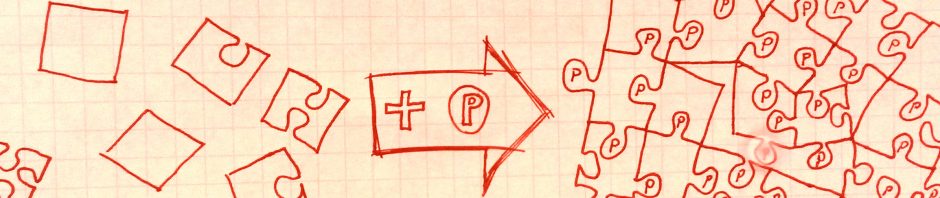
And what makes this protein stick together?  The answer might be phosphate groups.  Phosphate groups are a molecule of phosphoric acid that gets added onto the protein.  For some reason, phosphate groups seem to make alpha-synuclein stick together.  Maybe it helps the proteins fit together like puzzle pieces.  You probably know phosphoric acid from the label on a can of pop.  Drinking phosphoric acid in soda is not dangerous (except to your teeth) because it takes special enzymes to add the phosphate groups onto proteins.  
Proteins that tack phosphate groups onto other proteins are known as kinases.  It turns out that most kinases are controlled by other kinases, so there is a complicated web of on and off switches inside our neurons.  If one kinase is mutated, it can affect dozens of other types of kinases, making them sluggish or hyperactive.  This can eventually lead to the clumps of neuron-killing protein.
Interestingly, when one piece of a-synuclein gets a phosphate group it encourages other ones to do the same.  This makes alpha-synuclein act like a prion disease in Parkinson’s patients.  The prion disease of mad cow disease made headlines when the public learned that their beef cows were eating the brains of other cows.  That’s a great way to spread a prion disease, and fortunately humans don’t normally swap much brain tissue.  But this does explain how muscle problems can start in an arm or leg and spread to the rest of the body, and how dementia can appear in late stages of the disease.  Parkinson’s can start in one area of the brain and slowly march across the brain from neuron to neuron.
The tremors of Parkinson’s make it impossible to eat and difficult to sleep.  People that work with their hands for a living are affected even more.  If we can stop proteins from sticking together in their neurons, we might be able to stop the disease.  Unfortunately, the root cause of the phosphorylation of a-synuclein does not just involve one gene.  It will take a lot of work by scientists and probably some supercomputers to put the puzzle pieces together so we can take other puzzle pieces apart.  
 

Spam prevention powered by Akismet