With Finals Time Approaching, How About Some Music

If you are anything like me, the time around finals is when your immune system goes extinct. This happens every year during mid December for me. Finals start approaching and stress levels begin to rise. I have tried a variety of different things to do to avoid getting sick, but nothing has seemed to work. A recent article that we discussed in class offered a potential therapy or “treatment” to possibly help prevent this. This therapy is music.

In the article, music is talked about like it’s a special drug. The reading discussed how music helps lower stress levels and improve immune system markers. Studies showed cortisol levels before and after the listening of music. The results showed a significant decrease in cortisol. This lowers stress as cortisol represents stress levels. One musical aspect researchers looked at was group drumming. The drumming allowed for participants to engage in a rhythm based beat together. Lymphocyte numbers increased as well as immune system markers such as IL-6 during this engagement. The article also referenced positive feedback after participating in group singing. During group singing, s-Iga concentrations rose by a drastic amount.

Is it Really Music?

One big question that was common throughout the whole class was the actual power of music. In many of these studies, there were other contributing factors that may have lead to the positive feedback. Examples of the singing and group drumming are the social aspects of those. While drumming in a group or singing with your choir, you are surrounded by people who I would assume you like to be around. So we question whether it’s the actual music or the environment. In many of the individual research that our class performs, many of them hinted that music does in fact improve your stress levels by a large margin over everything else. Me being the sports junky I am would assume that playing a game of baseball would provide the same benefits as an individual singing in the choir. This however has been overturned and said that music is still much more effective when it comes to reducing stress.

Still a Right Fit for You

A large amount of these studies have to deal with classical music. Studies often involve singing or listening to classical music. For many of you, classical music may not be your type. Although more research needs to be done, research still hints at it doesn’t matter whether or not you like the music. Engaging in classical music will still perhaps benefit you whether you like the genre or not. 

With finals time approaching, try something new this year. If you struggle with stress and see a decline in your immune system then you should try putting some music on. Through these studies, you can see the positive impact either listening or singing to music can play on your body. 


Neurochemistry: Traveling Away From Your Comfort Zone Can Be Beneficial

Registration for the fall of 2021 began during end of spring semester in 2020. To fulfill my PEAK requirements at Concordia, I decided I would sign up for Neurochemistry. As a chemistry major, I really was not looking forward to the class if I am being honest. I did not know much about the brain and felt as if I would be behind throughout the whole semester. When the semester was about to begin, Concordia sent out a notice telling students that they did not have to do two PEAKS. I had already had my one PEAK credit, so dropping neurochemistry crossed my mind. I kept going back and forth and finally felt the motivation to try something new and stay enrolled. When classes began, I was behind. This however gave me opportunities to learn new things. We first started class lectures by reading papers on certain signaling pathways and discussing anatomy of the brain. I started to become interested when I realized how real these pathways were. The interest in the course only became larger when we started to discuss diseases that could possibly be associated with the brain.

Throughout my time as a Neurochemistry student, I started to gradually learn more each time. I looked forward to class and hearing what others had to bring to the table. There were different perspectives and opinions all over the room, but the class allowed us to share our differences in a nonjudgmental way. One cool part about all the information the class provided was that I took that knowledge with me and discussed it further with my roommates. Unlike many other classes, neurochemistry built a platform that could take with me and easily show others what I learned.

Following Concordia’s goals, I was also able to learn more about different cultures. For example, we might have wondered why a certain country has more cases of autism than another country. I have always thought of neuro disorders as a worldwide diagnosis, but the class allowed us to see the cultural differences. Learning these culture differences was new to me and more information I could further share with others. Sharing with others, as you might tell, was a common theme in the class. Dr. Mach did a great job of creating an environment where everyone was engaged. Being able to share our information to others was awesome. This also is what encourages to further our engagement and continue to share with the world.

The skills that were learned throughout the course were all new to me. Obviously, I knew some of the chemistry, but I had never applied it like this course taught me to do. All my learning was new information which was strange to me. I say strange as in a good way. All my life, I have been taking courses that I at least have some knowledge on. For example, in Calculus 2, everyone is around the same in terms of known information. The first couple of chapters are parts of Calculus 1 that you had already learned. In Neurochemistry, it was always something new. This new information was then able to be shared on our class blog. The blog allowed us to share what we learned from each of our papers. Not only was this fun to do, but it allowed me to transfer those skills into the real world. As a potential future pharmacist, I will have to provide information that I have studied to customers. This in a way relates to the blogs. I studied and received information and then shared the blogs for the whole world to see.

I must thank Concordia for providing a liberal arts education because if it weren’t for the initial PEAK requirements, I would have never thought about taking this class. This is something that one really does not understand until they go through the liberal arts education. Freshman year we see a lot of students upset about all the extra “dumb” courses they have to take. I will not lie; I was one of those students. If senior Toby Sayles could say anything to freshman Toby, I would call him the dumb one. The liberal arts curriculum has allowed me to branch off into a variety of different courses. All of the courses that were considered “extra” were my most memorable courses. The skills and information gained from the two PEAK courses I took will surpass any of the skills I take from other courses. I feel all students should experience a liberal arts education in the pure fact that it might make the world a better place.

Lastly, if I were to put a skill on my resume that has upgraded the most from Neurochemistry it would be my listening skills. By active listening, I was able to gain more information than ever have before. Although it was not always easy to listen to different opinions, I learned that by doing so I could better understand my own. Neurochemistry has allowed me an opportunity to better myself as an individual and a student and I will forever be grateful for that.

Neurochemistry: How it all Comes Together

All college seniors naturally find themselves at a point of reflection. During this time, seniors entering the work force, graduate school, medical school, ext. find themselves contemplating not only what’s next, but also the previous 3 years. Personally, I’ve had a significant amount of time this semester to look back at my time at Concordia and contemplate what I’m truly going to take away as a neuro and psych major. Neurochemistry gave me the opportunity to do this in a way I never thought possible.

The Landscape of Neuroscience

Neuroscience is a naturally interdisciplinary fields where chemistry, biology, and psychology all come together to tell the story of the brain. As a psychology major, I naturally find myself leaning towards psychology side of neuroscience, while the chemistry aspect of this story is something that made me nervous. I walked into the first day of Neurochemistry where many others had 3 full years of chemistry under their belts, and there was me armed only with my survey of organic and biochemistry class from sophomore year. While I was nervous, I quickly realized this is a class where my skillset would not hurt me, but help me and the others around me. The neurochemistry class is a team, with each member tackling questions and wrestling with ideas through their own expertise. I often found myself investigating the cognitive and psychological implications of various diseases, while I was very appreciative of those who studied the individual receptors and kinases of signaling cascades that I would have been scratching my head if I had to explain. In this facet, I see us going on to tackle the worlds problems in much a similar way. In any team, you rely on each other’s strength and weaknesses to come together to accomplish a goal, and it was fun to see this shine through in an academic environment. Through this environment, we naturally followed the goals for liberal learning that this college values greatly.

We fostered a love for learning as each week we had the opportunity to investigate what made our own wheels turn, and more importantly explain that in a way that makes sense to someone who may not know as much about that question.

We developed critical foundational skills allowing us to communicate and work together to share our ideas in one on one, and group settings where our intellect could shine. We listened and grew with each-other through discussions that merged science with everyday life.

Throughout the class, we saw how science can bring complex issues together. From the spiritual and implications of schizophrenic hallucinations, to the complex societal issues surrounding obesity, as both scientists and citizens we examined hundreds of interdisciplinary connections reaching much further than an 8-page review article.

One of the beautiful things about neurochemistry is the fact that it can be applied to each of our lives. Everyone has felt stressed, maybe had a sugar craving that felt like a withdrawal, or listened to their favorite song and felt a surge of reward. Understanding the neurochemical implications of these examples contributes to a deeper sense of self that brings science together with our conscious perception of the world.


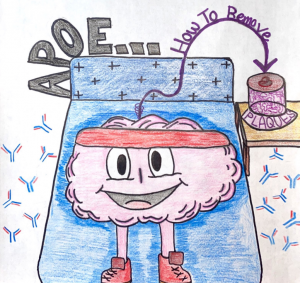
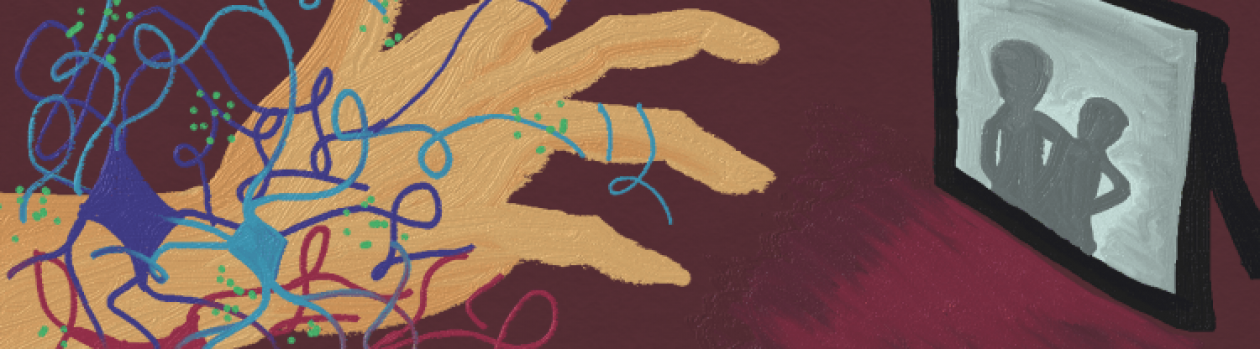
Artstract by B. Swanson

BREW

And of course, the most pressing question, how did we BREW? The reality is, we forget most of what we learn in our classes. We must ask ourselves, what can I takeaway from Neurochem and why does it matter? I think each of us should reflect and answer these questions for ourselves because it varies person to person. For me, I come from a strong psychology background, but the world of psychology is changing. With each fMRI and EEG study psychological concepts that were once explained by a superego can now be better explained though the function of the pre-frontal cortex and a signaling cascade. There are hundreds of examples where previous theories are now supported directly or indirectly by neural evidence. Indeed, in my view the world of psych and neuro are on a collision course and it would be wise to understand both worlds to become a modern psychologist. Looking back at my Concordia education, this is the edge I try to incorporate into each graduate school application. What I loved about this neurochemistry class is I saw so many different skillsets from my classmates come together. I saw neuro merge with psych, bio, and of course, chemistry. As each of us set out to contribute to the world, we do so armed with our own unique knowledge and experiences. In this class, we added diversity to our own worldviews over the course of the semester by taking in each other’s unique expertise and points of view. I am excited to see how this impacts the future doctors, professors, researchers, ext. in that room as we all integrate our liberal arts education with the hard sciences. While we all see the world through our own experiences, over the course of this semester, we merged our knowledge and experiences giving each of us a stronger and more diverse worldview. This will ultimately contribute to us tackling the worlds problems much like we tackled each paper that came our way; through a diverse set of perspectives that, when merged, created an enviornment of learning that would not have been possible without such variety. Thank you to you all for a fantastic semester!

Music on the Mind

There is nothing more unifying, but also diversifying than music. This juxtaposition is part of what makes music a critical interest to all, including researchers. Music is unifying in the way that everyone share some kind of experience with it; nearly every human can identify a memory that is triggered by a certain song. Perhaps a smell triggers a memory of a song, or a certain place brings back the memory of the first time you heard a tune. While we all share some aspect of a musical experience, these experiences vary greatly. For some, it is creating music themselves that encompasses their musical experience. For others, myself included, simply listening to music is the most prominent experience, as I have absolutely no ability to create it myself. Regardless of musical experience, perhaps where music is most unifying is within our brains, where music is processed similarly for most members of the population.

Music in the brain

Music elicits a variety of consequences in the brain; however none may be more prevalent than the rewarding, “feel good” effect. Where does this come from? Music, like many things can trigger the brain’s reward pathway which leads to a dopamine dump that keeps you opening your Spotify to listen to the next song. Your brain even begins to anticipate this reward, however the brains reaction to this anticipatory event remains unclear. Furthermore, music has been shown to alleviate stress in the brain by activating the Hypothalamic Pituitary Axis which has a calming effect to the individual by modulating other areas of the brain associated with higher stress and arousal. In light of these findings, the potential for music therapy as a future, empirically proven technique becomes a scientific possibility. In a world where pharmacological options for disorders involving stress are the most common treatment, music therapy opens the opportunity for a complimentary option with relatively no side effects.

Your Favorite Song

While the broad stroking effects of music are fascinating, what happens when your experiencing music much more personally, such as your favorite song? If you’re like me, when I hear my favorite song it’s accompanied by memories, a distinct happiness with the rhythm and beat, as well as a myriad of memories that flood my consciousness and allow me to immerse myself in the song. As it turns out, there is neural evidence to support this experience. When you’re listening to your favorite song, your pre-frontal cortex (sense of self), hippocampus (memory), and lateral parietal cortex (association area) all become active and link together. The research suggests the all-encompassing feeling of your favorite song is indeed represented in this circuit. While listening to music you don’t prefer, only the association area of the brain lights up, which is merely responsible for your perception of the rhythm and sound. This fascinating phenomenon provides evidence that your personal perception of music, is correlated with your brain firing together and providing an immersive experience that floods the reward center of the listener.

Conclusion

Whether you’re a musician, or just a music lover, music is often an integral part of our lives. As it turns out, it’s also a uniquely processed in our brain that can even be leveraged for therapeutic benefits. So next time you hear your favorite song, shut your eyes, relax, and let your brain take over.

How Concussions Do Their Damage and the Treatment We’ve All Been Overlooking

Good things in life often come with risks. Sports are no exception; lots of physical, social and psychological benefits can be gained from engaging in sports, but many of them come with a risk of injury to the brain. A person can get a concussion through a variety different avenues, and sports are one of the most common-  other ways include falling, vehicle accidents and military combat, or anything else that causes physical trauma to the head. Given the serious impact that concussions can have on our brain’s functioning, any steps to minimize this risk should arguably be taken. This may not only include further research and improved screening, but dietary supplements as well. 

Medically speaking, concussions are called Traumatic Brain Injury (TBI) and are most directly caused by biomechanical force (considered the first injury phase) that disrupts the brain’s functioning (the second injury phase). The second injury phase involves the consequences of the first injury phase, and consists of many detrimental effects. For example, TBI has the ability to cause increased axon permeability and damaged neurofilaments in the brain, both of which may lead to axon dysfunction or disconnection. Much of this dysfunction builds upon itself as a cascade of events; initial ionic flux and glutamate release caused by the biomechanical force can result in increased energy demands and a period of metabolic crisis, leading to even more dysregulation. Inflammatory changes can also be triggered by TBI, possibly resulting in cellular injury and immunoexcitotoxicity. 

The Western medical system typically revolves around a “one problem, one solution” framework, but given how many ways our brain can be affected on a cellular level by TBI, a treatment that targets multiple aspects may be necessary. This is where dietary supplements come in. Omega-3 fatty acids (also called n-3FAs) may be able to fulfill a role like this, since they have the ability to affect all major mechanisms of TBI second injury phase through neuroregeneration, neuroprotection, and neuroinflammation. 

There are three types of omega-3 fatty acids used by the human body: ALA, EPA, and docosahexaenoic acid (DHA), but the majority of omega-3 fatty acids in the brain are DHA, functioning as a main ‘ingredient’ in central nervous system membranes. Increasing the amount of DHA present in membranes can promote neurite growth, branching, and synaptogenesis which support regeneration. In addition, protective molecules such as neuroprotectin D1 are derived from DHA in response to cellular stress. Since DHA is anti-inflammatory by nature, and anti-inflammatory resolvins are also derived from DHA, it may help to reduce neuroinflammation caused by TBI as well.

Surprisingly, there is currently a complete lack of randomized clinical trials (RCTs) for use of omega-3 fatty acid supplements as a treatment for TBI. Evidence is largely anecdotal so far, but a few connected case studies suggest strong treatment potential. In 2010, a teenager got into a car accident and suffered severe TBI with diffuse axonal injury that the head neurosurgeon thought would be lethal. By day 10, he was in a permanent vegetative state. Based on a previous treatment success for a man who had survived a mining explosion, the teenager was given 20g of n-3FA daily. He was weaned off the ventilator by day 21, and went home 4 months later. Then, a mother with an 8-year old daughter who had been in a comatose condition for 82 days from brain injury saw this story on TV- she asked her doctors to try the same treatment, and her daughter was discharged one month later.

Of course, a benefit vs. risk analysis should also be considered regarding the use of fatty acid supplements for treatment of TBI. Side effects, if present, are generally mild and short term, with the only other risk cited by the National Center for Complementary and Integrative Health being a possible association with prostate cancer (studies have had conflicting findings). The average Western diet is highly pro-inflammatory, and it is likely that many of us have a deficiency of omega- 3 fatty acids that could increase susceptibility for TBI. For this reason, supplementation may not be a bad idea for prevention as well as treatment, or even to support our brain’s functioning in general.

While there are no published RCTs that examine treatment potential of omega-3 fatty acids to date, three (1, 2, 3) new trials have been in progress since 2019! This should help clarify both the safety and efficacy of these supplements, possibly paving the way for their incorporation into treatment plans and offering added protection from damage to our brains. This, in turn, this could help reduce the risk of sports that many people love.

Neurochemistry at Concordia College: An Exceptional Opportunity for Personal Development

The Neurochemistry class at Concordia College has undoubtedly enhanced my college career in numerous ways that will be extremely applicable to my postgraduate studies and my prospective career. In order to properly articulate exactly how this course made a positive impact on my present undertakings and future goals, I will use the five goals of liberal learning at Concordia College, as this class provided me with fulfillment within each goal. 

Instill a love for learning

Every week, I was given the opportunity to connect the topic at hand with an aspect of female reproductive health. As this particular area is my passion and the focus of my professional career in the future, I was extremely grateful to be able to connect neurological functioning to various reproductive health conditions and hot topics. Surprisingly enough, I was able to find well-supported, fascinating connections between each neurochemistry topic and women’s health. This class allowed me to facilitate greater understanding of the way in which female reproductive impacts countless aspects of neurological health and vice versa. This understanding, coupled with continued enjoyment of discovering emerging research within the realm of gynecology, will help me to provide my prospective patients with the highest standard of care. 

Develop foundational skills and transferable intellectual capacities

Arguably the most important foundational skill I acquired during my time in this class was achieved through blogging. As I wrote each week’s blog, I was faced with the challenge of communicating in-depth scientific findings in a manner that could appeal to the general public. Although difficult, this skill is extremely valuable, as science-based policy requires the relevant science to be put into a form that is applicable to all in order to encourage positive change. This skill is also quite relevant to my professional goals as a PA, as it is important to communicate the medicine and physiology in a manner that the patient will understand. It is the duty of the provider to ensure that their patients are able to leave an appointment and understand exactly both the reasoning for and the outcome of the appointment. 

Develop an understanding of disciplinary, interdisciplinary and intercultural perspectives and their connections

Over the course of the semester, it became clear to me that neurochemistry and its interdisciplinary fields can be applied to each facet of life, ranging from healthcare to public policy. With each topic in the class, social, racial, political, and economic implications inevitably tied into each subject. These implications, among countless others, included environmental risk factors for the development of neurological disorders, a comparison of cultural influences on each topic, and the myriad of ways a condition can progress within individuals. It is important to keep all of these implications in mind as we venture forward into our future aspirations. 

Cultivate an examined cultural, ethical, physical and spiritual self-understanding

Through the valued perspectives and opinions of my peers, I am able to examine issues from a wider lens that encompasses the way in which others experience the implications of each topic. This strategy allows for a more complex, developed understanding of issues when you are encouraged to think critically about how various aspects of life affect each individual in quite distinct ways. 

Encourage responsible participation in the world

As mentioned above, I plan on applying the skills I gained from the course to the way in which I will pursue my postgraduate program and my career as a PA. Additionally, I will also utilize my learning of various specific topics presented by this class in order to expand my professional objectives and BREW. For example, I plan on creating an ASD-friendly environment in the clinical setting in which I will practice. The healthcare setting can often be quite overwhelming to Autism Spectrum Disorder (ASD) patients in general, due to sensory overstimulation among other aspects that may bring ASD patients discomfort. This discomfort is especially evident in women’s health, as the addition of uncomfortable gynecologic procedures can deter ASD patients from attending appointments, including wellness exams that include pap smears, therefore putting the individual at greater risk for serious reproductive conditions like cervical cancer. So, I hope to provide sensory tools (e.g. noise-cancelling headphones, sunglasses, tactile toys, etc.), clear diagrams that explain exactly what is happening and what to expect during the appointment, and constant communication in order to ensure my patient with ASD is comfortable. This accommodation is one of many that I hope to institute in the setting of my professional practice. 

I am extremely grateful for my experiences throughout this course, as I learned a great deal about both myself and the intricate world that surrounds me. Thanks to my classmates and Dr. Mach for a wonderful semester!


How Neurochemistry helped me ____.

  1. Instill a love for learning

Neurochemistry has been a unique course in that the majority of the necessary work is done outside of the classroom setting and independently. This upper-level course has forced me to engage with material without the immediate guidance and support of my mentor/professor. This learning style encourages the development of problem-solving strategies, independent research, and self-reliance. Though at times I found it challenging to find information or comprehend material without the immediate support of my professor, I found myself more engaged with the material, more determined to understand the content, more curious and explorative of other relevant and or supporting materials, and more accomplished after completing my assignment. After this course, I’ve found myself to be more of an independent learner and curious not only to learn what interests me but relevant and external materials as well.

2. Develop foundational skills and transferable intellectual capacities

This course has certainly expanded my arsenal of transferable skills and intellectual capacity. I’ve become more confident in my education, my knowledge, and my capability to learn and access necessary information independently. I feel more confident in situations with few or unclear instructions as I have grown in my critical thinking, my ability to focus, and my comprehension of complex materials. The class has allowed me to implement the foundational skills of research and literary analysis I learned through the prior years while incorporating creativity and exploring ethical, spiritual, and cultural dimensions.

3. Develop an understanding of disciplinary, interdisciplinary, and intercultural perspectives and their connections

Neurochemistry has allowed for the implementation of numerous perspectives through its flexible and independent learning format. The course has encouraged each student to pursue avenues of interest relating to each topic and the incorporation of diverse perspectives and conversations. This course truly embodies an interdisciplinary component as the topics are expansive and pull in content across numerous disciplines all of which are welcomed and encouraged in enriching the comprehension of the subject.

4. Cultivate an examined cultural, ethical, physical, and spiritual understanding

this course through weekly discussions delves into concepts of ethics, cultural interpretations and understandings, spiritual perspectives, and physical characteristics and properties of common diseases and disorders. The course as aforementioned not only focuses on the molecular and chemical interactions within certain conditions and disorders but allows for environmental, cultural, and societal contemplations as well.

5. Encourage responsible participation in the world

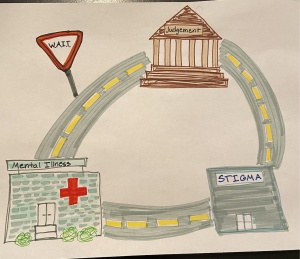
This course has helped address some of the stigmatisms related to common disorders and brought deeper awareness to the complexities of disease. The course has made me more knowledgeable, more empathetic, and altered my perspective towards disease and disability, correcting my prior misconceptions and reducing judgment and negative impressions. All the experiences I’ve had and the skills I’ve gained throughout this course have well prepared me for medical school and practice as a future physician. A deep understanding of not only molecular neurochemistry, but the environmental, cultural, spiritual, and societal components of disease are critical in my development as a competent and well-rounded future provider. The group discussions have taught me to seek the counsel of others as they provide unique and diverse input while independent learning has encouraged critical thinking, self-confidence, and a love for learning. Thanks for reading.

Neurochemistry: A Course Like None Other

I decided to tack on a neuroscience minor my sophomore year here at Concordia and had always planned on taking the drugs and behavior course instead of this one as one of my electives. When senior year rolled around and I noticed that drugs and behavior was not going to be offered in the Fall of 2020 and I became nervous as I knew deep down, I was going to have to do the inevitable and earn my neuroscience minor through this course. After speaking to students who had previously taken the course, to Dr. Mach, and while I look back at this class at the end of the semester, I realize just how lucky I was to be able to be a part of this class. This course is like none other and having the opportunity to take a course that is unlike any other science class during my time at Concordia is something that I have found to be extremely valuable. Not to mention how I was able to take it my senior year, and therefore bring with all of the tools and knowledge I had acquired from previous classes that were able to be integrated together for this class alone.

So, what do I mean by saying that this class is like none other? Instead of lecturing over chapter from a textbook or going into lab, I was able to read scientific journals regarding some of the most recent studies revolving around topics such as Alzheimer’s Disease, Obesity, Addiction, and more! This was a discussion-based class, so each day during the week, we would be able to discuss class-wide, one-on-one, and in groups on thoughts about the literature, questions we had, and even getting the chance to relate these issues to broader concepts for our community and the world! If that doesn’t make a case for a capstone experience, I’m not sure I’d know what does.

Having the opportunity to discuss scientific literature was both challenging and rewarding. Challenging, in a sense of how this is really the only course that I’m aware of that does anything like this, so you do not have much prior experience. Also, there is still so much future research that is needed, leading to many unanswered questions and thoughts. It is rewarding, however, even due to some of these challenges. It pushed me to not only incorporate new strategies on thinking but to also speak like a scientist and some of their possible thought processes while encountering these relevant problems we face. I was able to develop more of a voice for myself through all of the discussion that took place over the semester and this is something that I will definitely bring with me to future classes and careers as I continue to fine-tune it. Being able to take this with many familiar faces in the course also helps the discussion part of the class be so effective and enjoyable.

Having the ability to research specific questions for our Wednesday “speed-dating” sessions, group discussions on Fridays, and the blog posts all worked together and complimented one another when it came to how effective these parts of the course incorporated connections with the science of signaling all the way to the humanity and ethical concerns that all must be accounted for especially for the careers that many of us are heading into. The blog posts allowed me to grow as a writer, and also become someone who has specifically developed the skill to deduce complex concepts and ideas into a more general language and explanation that makes it easier for the majority of individuals to grasp and understand. This class encouraged me to develop a much broader thought process when it comes to problem solving and everything that goes into the continual efforts to advance the field of science.

In such a short amount of time, this class has left an impact on me that I know will exponentially increase my skills in the future as a leader through communicative interactions that establish connections with others and critical thinking towards problems we face in science that are often not just black and white answers. This course to me has been the epitome of what a capstone course at Concordia is all about. The experience this course provides through interactions with students who all have their niche in a variety of majors and lived experiences is one of the many factors that contribute to just how rich this course becomes. As I write this, I am struck with similar feelings from when I found out I would be needing to take this course, except the feelings are no longer fear and anxiety but rather one that is bittersweet because unfortunately now it is inevitably time for this course to end. Although the door for this course is closing, the memories, experience, and learning is here to stay and live on through all of my future endeavors.


Prenatal, Perinatal, and Postnatal Music Therapy

Music Therapy and the Brain: 

There are countless ways in which the listening, singing, or performing music promote positive chemical alterations in the brain. Coupled with traditional forms of treatment (e.g. medication, psychotherapy), music therapy can activate reward and motivation regions of the brain, suggesting music’s ability to modulate emotional and cognitive functioning. Listening to music has also shown to participate in management of stress and anxiety, as relaxing music has been shown to decrease cortisol levels and promote relaxation and lowered stress. Musical activities have also been shown to increase levels of the hormone oxytocin, suggesting that music plays a role in facilitating social interactions, and, as described later, childbirth.

From mood regulation to pain management, music therapy can therefore be utilized in a variety of clinical and nonclincal settings in order to provide both physiological and psychological benefits to pregnant individuals in the prenatal, perinatal, and postnatal phases of pregnancy and childbirth.  

Prenatal Music Therapy: 

Prenatal: the time period that begins at the time of conception and ends at 22 weeks gestation

Music therapy during the prenatal stage of pregnancy primarily targets the mother’s emotional and physical symptoms that accompany this phase pregnancy. 

  • Listening to the music of the mother’s choice has shown to result in overall decreases in prenatal anxiety and stress.
  • Music listening can aid with emotional regulation, as mood swings can be a significant challenge due to extreme alterations in hormone levels throughout pregnancy. 
  • Music therapy can be used to promote relaxation and pain relief, a useful aspect during the prenatal period in which there is rapid weight gain and tension due to stress that results in lower back pain and body aches. 
  • Prenatal music classes often involve singing lullabies to the fetus, further reducing maternal stress and encouraging infant attachment and bonding

Perinatal Music Therapy: 

Perinatal: the period of time that spans from 22 weeks gestation to 7 days postpartum

Music therapy during the perinatal phase of pregnancy is aimed at alleviating stress, anxiety, and pain right before and during labor. 

  • Preeclampsia is a condition in which the mother experiences abnormally high blood pressure during pregnancy, leading to potential complications during childbirth for both the mother and the fetus. Listening to relaxation-promoting music can lower blood pressure, indicating an additional potential treatment for preeclampsia. 
  • Music therapy helps to reduce stress and anxiety levels during labor, allowing for potential increased comfort throughout childbirth.
  • There is a key positive feedback mechanism that occurs during childbirth, in which oxytocin, produced by the hypothalamus and released by the posterior pituitary gland, promotes uterine contractions. These contractions then stimulate the release of oxytocin, establishing this amplification cascade that continues until the infant is born. Music therapy during labor has been shown to not only increase tolerance to pain, but also stimulate release of oxytocin that increases uterus activity and consequently shortens the duration of labor.

Postnatal Music Therapy: 

Postnatal: the period of time that continues after 7 days postpartum

Music therapy during this stage is primarily focused on alleviation of postpartum depression and anxiety symptoms. When coupled with other forms of treatment (e.g. medication, psychotherapy), this form of therapy can help to reduce the severity of postpartum psychological complications, promoting greater wellbeing and emotional satisfaction for the mother. 

Why is this research important for both the mother and the infant? 

As demonstrated above, music therapy can provide significant benefits for the physical and emotional wellbeing of mother. In additon to these advantages, music therapy can reduce overall maternal stress throughout the duration of the pregnancy, allowing for a potential reduction in the following risks for the child associated with maternal stress:

  • Preterm birth
  • Low birth weight
  • Congenital heart defects
  • Asthma
  • Depression 
  • Cognitive deficits/ developmental delays

As research continues to emerge regarding the potential benefits of music therapy, more aspects of female reproductive health and pregnancy may indeed see music therapy become an integral component of pain management and overall wellbeing of individuals.


Neurochemistry: A class that sets the standard

Neurochemistry has been one of my favorite classes that I’ve taken in college, and one of those reasons is because of the learning environment that was fostered within the class. At Concordia, I have been able to further develop both the concepts of how I learn and why I learn. Neurochemistry allowed for this learning to be expressed through reflection of topics, memorization of certain pathways, and collaboration in group discussions. In other words, there were a-ha moments of learning, chugging along moments, and listening moments, all of which were able to teach me different things. In high school I didn’t think I necessarily enjoyed learning, but in college, and specifically through classes like Neurochemistry, I’ve realized that learning is one of my favorite activities, as odd as that sounds for a hobby. 

In the future, I hope to make a difference in whatever avenue of work I choose to go down. This means being able to communicate effectively with a myriad of people and establish connections that are meaningful and purpose-driven. This pertains to my career (hopefully as an applied psychologist), and socially, wherever I end up living. A lot of this course stemmed from discussing complex scientific topics and further solutions for the problems that arise from such topics. This in and of itself is meaningful, as these solutions have the ability to affect countless people. Even if we were simply learning more about the topics and didn’t actually go do lab work or something similar, becoming informed and knowledgeable is the first step to being able to make a difference, and I think this class did a great job of transmitting knowledge. 

Speaking about becoming informed, I believe that liberal arts learning is about learning from a wider breadth than seems like is necessary with the intent to broaden one’s view of the world. Being able to understand people other than your “own” is such a crucial part of viewing the world through a responsible lens. I believe Neurochemistry was a great environment for this because of the diverse backgrounds of study that came into the class, such as biology, chemistry, psychology, and neuroscience to name just a few. This meant that discussions were filled with people speaking to their expertise, which allowed more learning to happen than with a monomajor class. This added learning was able to occur because of the discussion, as other classes might have some variance in background, but few classes discuss things to a level that uncovers those differences. Being interdisciplinary is the key to a liberal arts degree, and this class was able to provide a solid exposure to that. 

Our ability in class to start with a complex academic topic, deduce and discern important information by analyzing it in an efficient manner, and then translate that information into a few sentences or a brief discussion with the people around us is a difficult skill that I would argue even a lot of college students don’t possess. I would call this critical thinking, or maybe analytical deduction, which I think is one of the main skills that I developed further within this class. For me the difficult part has always been the translation of topics into words and summarized segments, and I think on the goals for liberal learning it would be referring to having “transferable intellectual capacities”. Neurochemistry gave me ample opportunity to practice that however, and I do feel like I’ve gotten better at putting ideas and concepts into a more presentable (and understandable) format. 

I’ll restate what I said at the beginning of this post, and that is that neurochem has been one of my favorite classes at Concordia. This wouldn’t have been possible without the enthusiasm of the people that took it with me, along with the leadership and guidance of Dr. Mach. The topics were interesting, applicable, and important for the health of people everywhere. Thanks for a great class!


Spam prevention powered by Akismet