Alzheimer’s Disease: I Don’t Want to Get Aging

Alzheimer is a common disease, related to aging. A progressive disease that destroys memory and other important mental functions. It’s scary to think of Alzheimer’s disease (AD) as the 6th leading cause of death in the United States.
 
How can we prevent developing AD, when we get older?
 
Cause of Alzheimer’s disease
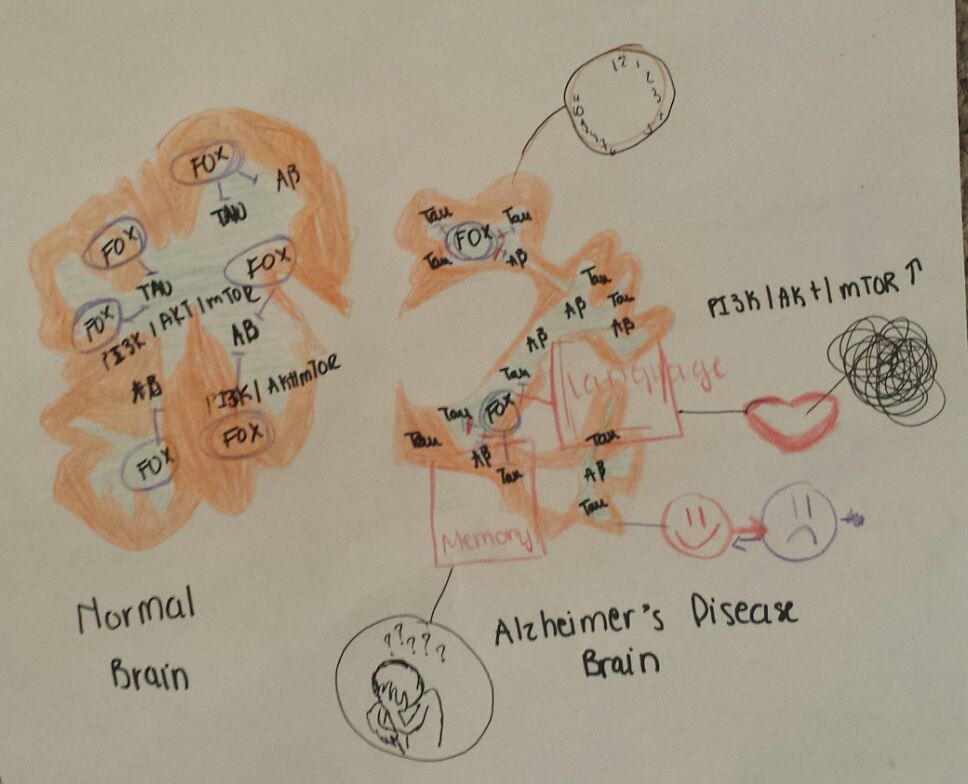
Many studies showed that the inappropriately turning on/off of PI3K/ Akt/ mTOR signaling pathway is a causative node in Alzheimer’s disease (AD).
 
Products from constant activation of PI3K/ Akt/ mTOR signaling pathway
Generally, after the pathway is activated, it phosphorylates Akt in downstream, leading to variety of phosphorylation in different substrates. For example, both FOXO and GSK3β are inactivated, result in reducing stress resistance, DNA repair and induction of glycogen synthesis and lipid synthesis, respectively. Akt also activates mTOR, increasing inactive IRS-1 and decreasing IRS -1/2. Later on, the insulin receptor substrate (IRS) is dysfunction, developing insulin and IGF-1 resistance.
 
In addition, PI3K/ Akt/ mTOR signaling pathway also produces tau and Aβ. The hyperphosphorylated tau protein leads to neurofibrillary tangles (NFT), known as a primary marker of Alzheimer’s disease. It is linked to cognitive decline and synaptic loss, particularly in glutamatergic neurotransmission. In addition, the overload Aβ oligomers leads to inappropriately increased activation of PI3K/ Akt / mTOR signaling pathway through increasing levels of IRS-1 phosphorylation and thereby contribute to insulin resistance.

 
Risk factors
There are many risk factors distributing to Alzheimer’s disease, besides aging and diabetes:

  1. Genetic factor: those, who have family history with Alzheimer’s disease (AD), they will have a higher chance to develop it at young age. The risk genes are apolipoprotein E-e4 or APOE-e4/ -e2/ -e3. There is a genetic test available for APOE-e4 and the other rare genes. In addition, deterministic genes directly cause the autosomal dominant AD or familial AD, such as amyloid precursor protein (APP), presenilin-1 (PS-1) and presenilin-2 (PS-2).
  2. Head injury: especially the trauma occurs repeatedly, or involves loss of consciousness; for example, head injury during collision in sport
  3. The risks for cardiac disease is strongly linked with the developing of AD later on. Many condition can deteriorate the heart health, such as heart disease, diabetes, stroke, high blood pressure, and high cholesterol.
  4. Regularly consuming tobacco and alcohol: these substances impact on the brain health.
  5. Mutation in non steroidal antiinflammatories (NSAIDs): impairing to encounter inflammatory pathway, producing by the intracellular oxidative stress.
  6. Diet: poor diet can provide enough antioxidants to our bodies, result in high inflammatory level in brain and later brain cell damaged.

 
Prevention?
It is suggested that keeping the brain healthy is the way to slow down the process of AD or not having AD by eating health diets, staying socially active, avoiding tobacco and excess alcohol, and exercising both the body and mind.


Death Before Death: Alzheimer’s Disease

The ability to think is quite remarkable, and one that we often take for granted. It enables us to make decisions, to express our concerns, to giggle at our favorite jokes, to share memories, to express our love for one another…
 
And yet, here we are: every 66 seconds, this is taken away from someone in the United States. They develop Alzheimer’s Disease (AD), one of the most common forms of dementia that largely affects those of advanced age through memory loss and eventually mental functioning. With no cure, medications can only be administered to slow the progression of the disease.

As the brain itself wither’s away, so do the memories. When the memories are gone, so are the people attached to them. When your loved ones are gone, you are alone… isolated in your own mind.
 
“Death before death,” coined by Joey Comeau, was the feeling shared by caregivers of AD individuals, in which they mourn the loss of their loved one twice; once when their memory dissipates and again when they have physically passed.
 

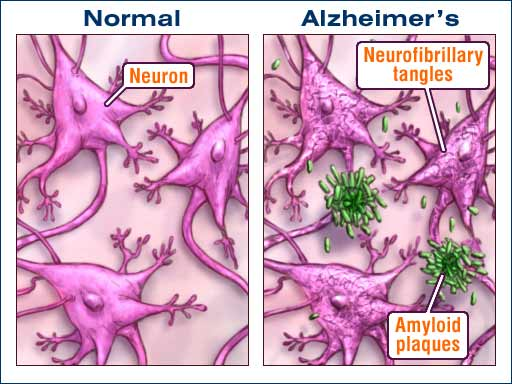
Amyloid-beta plaques and neurofibrillary tangles are the primary roots of the mind trap that is AD. Because of the plaques and tangles, neurons are unable to properly communicate with each other, which can lead to neuron death and brain atrophy.
 
A recent study linked the development of AD (through measuring plaques and tangles) to overnutrition. Overnutrition has many connections to other co-morbid complications such as diabetes, cardiovascular disease, obesity, hypertension, and hyperlipidemia. AD shares a couple traits with these disease states, including its processing of insulin and its response to stress on the body.
 
In AD, overnutrition leads to insulin resistance. The insulin degrading enzyme is not able to function properly, which leads to the buildup of Amyloid beta-plaques. Overnutrition also induces neuronal stress, particularly within the endoplasmic reticulum (ER). This stress activates the RTK pathway, leading to an increase in tau levels, thus more neurofibrillary tangles. ER stress also induces pro-inflammatory cytokines, perpetuating malfunctioning pathways and the cycle of stress on the brain.
 
While efforts continue in search of a cure, proper diet and exercise are a great way to reduce your risk for developing Alzheimer’s Disease.
 
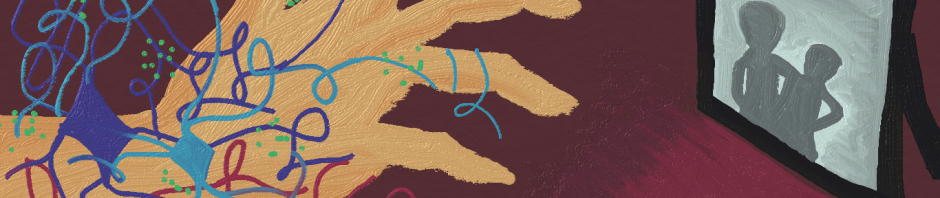
[featured image is original art by author]
 

Overnutrition and Alzheimer’s Disease?

Here we go again, another blogger harping on the importance of proper nutrition and the consequences that accompany bad food choices. Nowadays, it seems like every health issue boils down to what we eat and how much we eat. Everyone has an opinion on what you should and shouldn’t eat, often contradicting one another. The amount of information out there is quite overwhelming, and can steer people away from implementing better habits. The problems that are often brought up, with regards to poor nutrition, are obesity, diabetes, heart disease, and so on. The list is somewhat endless, and so, what on Earth could I add to such a list?
 
 
I did know that eating healthy can improve cognitive functioning, but I never thought about the reverse effect. It has been shown that overnutrition (too many calories) can put someone at a higher risk for developing Alzheimer’s Disease. As someone who is already at a higher risk, due to a family history of Alzheimer’s, the idea that something as basic as nutrition could increase my risk is rather important.
 

How is Overnutrition Associated with Alzheimer’s?

When we eat, we activate one of the many pathways in our brains, one of which involves insulin. Overeating can lead to an overactivation of the pathway, which seems to be the case in Alzheimer’s. Insulin levels increase throughout the body when we eat and can activate the PI3K pathway located in our brains. Insulin does this by binding to a receptor on the neuron, which turns on the enzyme known as PI3k. PI3k can ultimately lead to the turning on of many other enzymes such as AKT and mTOR. Our body naturally produces other enzymes that can turn off this particular pathway (i.e. PTEN, FOXO, GSK).
 
 
As mentioned previously, Alzheimer’s contains an overactivation of this pathway, as well as, shuts down the “off switches”, which leads to the production of neuro-fiber tangles (NFTs) within the neuron and A-beta plaques outside of the neuron. Together, the tangles and plaques create a bad environment for our neurons, thus killing the neurons. The killing of the neurons contribute to the memory loss that is attributed to Alzheimer’s.
 
 
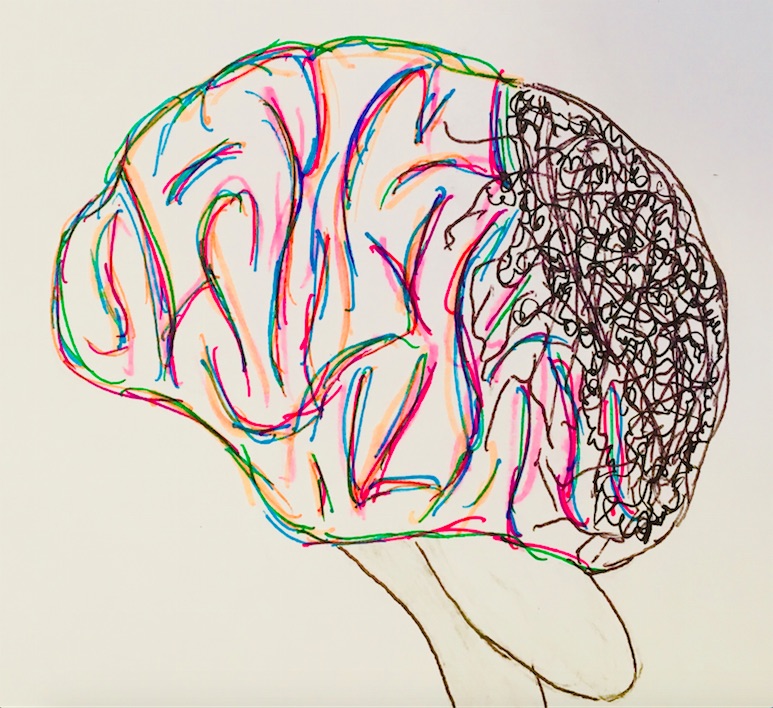
Featured Image Created by the Author

The Fear of Forgetting

Alzheimer’s Disease is currently the 6th leading cause of death in the United States, and it is increasing in prevalence across the world. Why are the numbers are on the rise? Scientific research leads us to believe that nutrition and genetics are two of the principle factors involved in the manifestation of Alzheimer’s disease.
Cause of Alzheimer’s disease
Aging is the primary cause of Alzheimer’s disease. A pathway in the brain called the PI3- Kinase/Akt pathway, through its on and off switching is responsible for the physiological responses necessary for successful aging. As people age, this pathway is not regulated as well. If this pathway is not controlled accordingly, damage to the neurons is not adequately repaired, and new synapses are not formed correctly within the brain.
The PI3-K/Akt pathway is activated by insulin and insulin growth factor, and once initiated, a series of proteins are activated. If there is excessive insulin, and the pathway is active too much, this leads to several different problems, which ultimately lead to Alzheimers disease.
 
About the PI3-K/Akt pathway
The PI3-K/ Akt pathway has three major proteins involved, which are PI3-K, Akt, and mTOR. When these proteins are activated, the production of A-Beta oligomers is increased. As these A-Beta oligomers are produced, they will build up and bind to the dendrites of neurons, causing synaptic loss, and reduced signaling between neurons. The activation of PI3-K, Akt, and mTOR protiens also causes increased production of tau proteins. The tau protein composes the cytoskeleton, and is needed to maintain the structure of neurons. If it is overproduced, it can cause neurofibrillary tangles, which inhibit proper neuron functioning.
 
Recognizing Alzheimer’s disease in the brain
Alzheimer’s is easily identified in the post- mortem brain because the A-Beta plaques and tau protein neurofibrillary tangles are visible. These accumulations of proteins impair memory and cognitive functioning, which is recognizable in people with Alzheimer’s disease.
 
Prevention?
There are currently a few medications available that can temporarily slow the progression of the disease; however, there are no medications that can actually stop the development of Alzheimer’s. There is evidence in the scientific literature that reducing food intake could prevent Alzheimer’s disease. By decreasing caloric intake, insulin levels will be lower. Insulin is the activator of the PI3-K, Akt/mTOR pathway, so with less insulin, the pathway will not be overstimulated, leading to trouble. If this pathway is able to properly regulate its on and off switching, then repair and growth can occur appropriately within the brain. Given this information, the best way to prevent against Alzheimer’s disease is by eating a healthy diet.

An illustration of the A- Beta plaques and neurofibrillary tangles in a brain, leading to Alzheimer’s disease.
 
 
For more information on Alzheimer’s disease and the PI3-Kinase/ Akt/mTOR signaling pathway, please visit:
https://moodle.cord.edu/pluginfile.php/625272/mod_resource/content/0/AD%20and%20insulin%20signaling.pdf


Another Year, Another Misplaced Memory: Aging and Alzheimer’s Disease

Where are my keys?

“Oh no, I misplaced my keys yet AGAIN this week. My memory must be going. But wait. Does this mean..Could I possibly have..It couldn’t be..Alzheimer’s Disease?” Alzheimer’s disease (AD) is the sixth leading cause of death in the United States with an alarming and increasing mortality rate. With the vast number of improvements in healthcare within the past decade, mortality rates of various leading causes of death in the United States, including heart disease, various cancers, and diabetes have decreased; but the mortality rate of AD continues to climb due to the lack of a cure and effective medication to prolong the lives and cognitive functioning of AD victims. Many people today are haunted by the questions “Am I at risk for developing AD?” and “Why is this disease so fatal and difficult to cure?
 

Celebrating another year of life and an increased risk for AD

AD is often attributed to genetic factors when genetically inherited forms of AD are actually extremely rare. Scientists have realized that the true cause of AD is still unknown today.  There are many factors that play into AD development, including diet, exercise, diabetes, cardiovascular disease, and other environmental and genetic factors. But recently, aging has been highlighted as the major risk factor in the development of AD. But why?
It is due to abnormal control of a specific pathway in the brain called the P13-K/Akt signaling pathway. This pathway is associated with cell growth, proliferation, and consequently healthy aging and longevity when its activity is carefully regulated. Lack of normal control of this pathway is also involved in many other major diseases, including cancer, type 2 diabetes mellitus, heart disease, and neurodegeneration. So, what is going wrong in this pathway to cause AD and its characteristic symptoms of cognitive decline and memory loss?
 

Figure 1. The interconnectedness of genetic and environmental factors that play into cognitive decline present in AD.
 

Leaving the light on in the AD Brain 

The P13-K/Akt signaling pathway is carefully regulated in a healthy brain, meaning that it is turned on and off in response to various molecular signals or processes to promote healthy cell proliferation, growth, and functioning. This can be compared to turning on and off the lights in the living room of a home. In order to conserve energy and money (via the payment of a monthly electric bill), many people will turn the living room lights on when they are in the room and will turn the lights off when they are no longer in that room. The P13-K/Akt pathway is overactive in the AD brain and it is not being shut off; this is similar to leaving the lights on in the living room, even when no one is in the room.
The P13-K/Akt pathway is initially activated by insulin. When insulin binds to and activates its receptor in the membrane of a cell, it leads to a phosphorylation cascade within the cell, or the activation of a number of enzymes in a specific order via the addition of phosphates onto those enzymes. The activation of the insulin receptor eventually leads to the activation of P13-K and ultimately the activation of Akt. The activation of Akt leads to a variety of molecular processes. When activated, Akt acts as both an activator and deactivator of a variety of enzymes. The actions of Akt consequently result in a lack of anti-stress response (which is needed for our body and brain to respond to stress in a healthy way) and prevention of its own (Akt) inactivation. Both of these results contribute to the lack of regulation of the P13-K/Akt pathway seen in AD brain. When this P13-K/Akt pathway is overactivated, it ultimately leads to insulin resistance, similar to that seen in type 2 diabetes mellitus due to unhealthy diet habits. When this pathway is constantly ON (which is not normal in a healthy brain), the body attempts to compensate for this over-activation by reducing the number of insulin receptors in the membrane of cells. With less receptors to respond to insulin, there is less activation of the pathway. However, this often leads to complete insulin resistance in the brain, which is fatal due to the high energy needs of brain cells.
Figure 2. Depiction of unhealthy eating habits leading to insulin resistance and the formation of Alzheimer’s disease.
 
P13-K/Akt overactivation also leads to the hyperphosphorylation (too much phosphorylation) of a protein called tau in the brain. These phosphorylated tau proteins end up aggregating within brain cells and start to stick to each other, creating what is known as neurofibrillary tangles (NFTs). NFTs are characteristic of AD brain and they inhibit the functionality of neurons and neuronal communication within the brain. The presence of high numbers of phosphorylated tau proteins within brain cells also mediates the formation of extracellular amyloid-beta plaques, which is also characteristic of AD brain. These amyloid-beta plaques accumulate outside of the cell and bind to the insulin receptors of the P13-K/Akt pathway that are in the membrane of brain cells and activate the pathway (positive feedback). The impairment of neuronal communication and transmission of signals in the brain leads to memory impairment and cognitive decline, both of which are symptoms of AD.
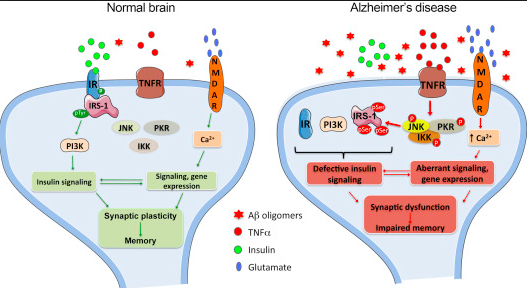
 

Figure 3. Comparison of a healthy, regulated P13-K/Akt pathway and a nonfunctional, non-regulated P13-K/Akt pathway seen in AD.
 
Healthy Body, Healthy Brain: The future of AD
AD is a major topic of current research and scientists are consistently learning more about the AD brain in order to develop a better understanding of the physiological processes occurring that lead to AD development in the brain. AD is a particularly difficult disease to study due to the complexities of studying a live human brain. Although there are current medications used to slow the progression of AD symptoms, such as memory loss and cognitive decline, there is still no proven prevention or cure. The only scientifically supported prevention for AD today is exercise and healthy eating. So maybe all of these new fitness programs aren’t so bad after all? Healthy body, healthy brain, who could complain? With the advancement of healthcare and scientific research, we hope to continue to develop a better understanding of the pathophysiology of AD that will aid in the creation of future AD preventions and cures. Although there is always hope in the future, there is no solid promise today.
 
 
If you would like to learn more information about the neurophysiological development of Alzheimer’s disease with aging, please visit: 
http://www.sciencedirect.com/science/article/pii/S053155651300065X?via%3Dihub
Featured Image from:
http://www.pureherbalayurved.com.au/alzheimer-disease-ayurvedic-treatment-melbourne.htm
Images from: 
http://www.biochemsoctrans.org/content/33/5/1041
http://www.sciencedirect.com/science/article/pii/S155252601302918X


Overeating as a Cause for Alzheimer’s Disease

We all know that eating too much can cause obesity, stroke, heart failure, cancer and a load of other problems for our body, but does overeating have adverse consequences for our brain?
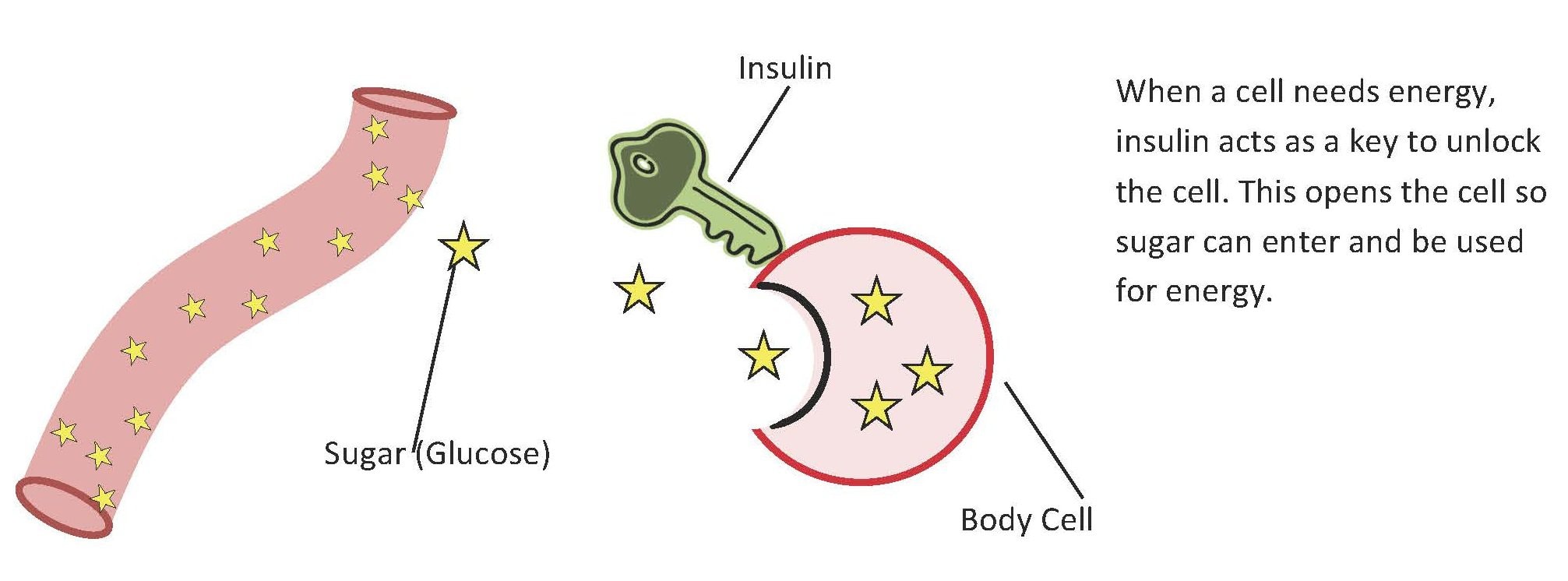
When we consume food it is broken down into smaller molecules, namely glucose, that can be used by individual cells for energy. When there are high levels of glucose in the body, a hormone called insulin is released. Insulin helps to break down glucose to a form that is actually usable by the body. It acts as a “key” for glucose to get to cells that need energy.

Like the rest of our body, the brain uses energy in the form of glucose to survive and function. Unfortunately, the “key” insulin, that is helpful in other places in the body, binds to cells that it is not supposed to when it is in the brain. Insulin turns on a cascade of signals called the PI3K/ AKT pathway. Recent research has shown that the PI3K/AKT pathway is expressed in high amounts in the brains of people with Alzheimer’s disease.
The PI3K/ AKT pathway, when active, can tell the brain cells to produce plaques and tangles in the brain. These plaques and tangles, made up of sticky proteins and malformed proteins, are hallmark signs of Alzheimer’s Disease. The plaques and tangles can lead to death of parts of the brain because they get in the way of the normal brain function.
Now, let’s go back to the overeating.
When you overeat, there is too much glucose in your brain, which leads to insulin release. Insulin promotes the PI3K/AKT pathway that can eventually lead to the accumulation of plaques and tangles and death of parts of the brain. People with Alzheimer’s disease have been shown to have a loss of brain matter and parts of their brain missing that are necessary for normal functioning. While working on only part of a brain, it’s no surprise that people with Alzheimer’s cannot form memories, are disoriented, or have problems with language.
So what? We need to skip Thanksgiving meal to save our brains? I don’t know that this is necessarily the solution to saving our brains. Instead, being conscientious of food choices and choosing healthy exercise patterns can help to regulate how insulin interacts with the PI3K/AKT pathway in our brain. If you start practicing these habits at a young age, your brain will thank you as it gets older. So go, overindulge on your turkey and stuffing, but when November 23rd is over, be sure to keep your health and brain health in check.
Information for this post was found here
For further information about plaques and tangles
For information on how to eat a balanced diet
Image link

Where Did My Car Keys Go? Alzheimers in a Nutshell

http://www.cbsnews.com/news/new-clues-to-memory-loss/

Everybody has a family member with alzheimers or knows somebody that does. It seems like that rates of this neurodegenerative disorder are going up, but is this really the case? Are the rates of alzheimers going up because of the environments or because of our diets, or simply because the life expectancy is going up as well and this disorder is sprouting up because people are living longer now. This is a disorder that effects many people close to home, and there are a lot of people out there that grow up knowing they are at a high risk for alzheimers because it runs in there family. So what is this disorder? What is going on in the brain?

One of the most common things we know about this disorder is that people begin to lose their memories. Both long term and short term memory are affected in the early stages and slowly progress to get worse as the disorder takes its course. The first form of memory that is truly affected is episodic memory. This is what helps you remember little things like where you put your school backpack, or that you have your oven on and are cooking food in there. In alzheimers, this is seen early on as people forgetting where they put their car keys, or why they walked into a room. This is so commonly overlooked in those beginning stages because people will believe that they are just getting older and have normal memory lapses. Because of this, alzheimers can go unnoticed for quite some time, which can be dangerous for the individual, especially if they live alone.

In the alzheimers brain, there are things called amyloid plaques and neurofibrillary tangles. These are very prominent, and when you look at the brain of an alzheimers person, they are one of the reasons why you see so many spaces and gaps. Those gaps are also there because neurons are dying and disappearing essentially. The neurofibrillary tangles are created through a process. The PI3k pathway in the brain becomes overactive, which causes the tau protein to become hyperphosphorylated. This hyperphosphorylation leads to the development of the NFT’s (neurofibrillary tangles). These tangles are connected to cognitive decline and behavioral changes. There is still much to be studied with alzheimers, and treatments are being tested. It will be interesting to see where the science is at 20 years from now, and if we have found a cure or not. Even if we haven’t found a cure, have we found a way to treat or slow down the effects of the disorder.
 
Sources:
https://moodle.cord.edu/pluginfile.php/625272/mod_resource/content/0/AD%20and%20insulin%20signaling.pdf
https://www.ncbi.nlm.nih.gov/pmc/articles/PMC2655107/
https://www.ncbi.nlm.nih.gov/pmc/articles/PMC3898682/

Im Losing My Keys, My Time, and My Mind…

Imagine waking up in the morning and seeing the snow hit the ground. But…. Isn’t it July? I remember having plans with uncle Tom to go fishing this afternoon… Whats going on?

This is a bit of an extreme example of what an Alzheimer’s patient may think about when dementia sets in, however, it is a very real aspect that most Alzheimer’s patients go through. What is even tougher to understand is the complexity of this disease and all the factors that play a role in developing Alzheimer’s. From genetics to environmental exposures, Alzheimer’s disease is incredibly scary.
 
When looking closely at Alzheimer’s, there are a lot of biological cues that can lead to diagnosis. Accumulation of tau proteins (neurofibrillary tangles) and amyloid-beta plaques (AB-42) is found in a majority of cases, followed with neurodegeneration of the entire brain. Essentially, this accumulation of AB-42 was thought to be an over production of the amyloid precursor protein (APP), but recent studies have shown that the production of APP is still normal, and it is in fact the removal of AB-42 in the body that has slowed down. How AB-42 is made in the first place is a simple enzymatic error occurring during enzyme cleaving (normal cleaving gives AB-40).

Why this error is occurring in some individuals more than others is due to a gene mutation of PSEN-1, PSEN-2, or APPG. These genes encode the formation of the APP protein, and when a mutation occurs, the APP protein is synthesized incorrectly. This allows improper cleaving to occur more often, and AB-42 plaques to build up faster, and more recently. However, not all of Alzheimer’s disease is caused genetically.
 
In a majority of Alzheimer’s patients, it is found that a upregulated signaling of the mTOR pathway of neurons is causing a systematic overload within the endoplasmic reticulum (ER) to occur, thus leading to cell atrophy (neurodegeneration). Essentially, the ligand that upregulates this pathway, is the combination of TNF-alpha and insulin. Alzheimer brains are found to be more insulin resistant, which may result in no counteraction against TNF binding, assuming that insulin binding effects the binding affinity or ability of anterograde signaling for TNF. When this over abundance of TNF binding is occurring, protein synthesis in the ER is sent into overdrive. This induces an inflammatory response within the neuron, which will likely cause cell death.

Because of insulin’s involvement in the brain and this particular instance, diet and exercise play a key role in staving off Alzheimer’s and possibly even preventing it. Future research is also looking into the importance of being type-2 Diabetic and how that can play as a risk factor in the disease too. At this point in time, there is just too much involved with Alzheimer’s disease that some make the argument “it’s just aging”. Although this statement is some what true, with a majority of diagnosed individuals being over the age of 65, I myself would still like to believe that we should all be able to grow old and die someday, without losing our mind both physically and psychologically.

Key Things You Need to Know About Alzheimer’s Disease

What is Alzheimer’s disease?
Alzheimer’s disease is a disorder of the brain that affects a person’s memory, thinking and overtime the ability to enact in simplest tasks.

  • It is most prevalent with age, older individuals tend to have it more and It is the most common cause of dementia in older adults.
  • The majority of people with Alzheimer’s are 65 and older, this does not mean the disease is not seen in the younger population.
  • Over 200,000 people under the age of 65 have younger-onset Alzheimer’s disease
  • Alzheimer’s is also the 6th leading cause of death in American and 3rd among the older population just behind heart attacks and cancer.

Symptoms of Alzheimer’s disease

  • The most common symptom is difficulty remembering newly learned tasks/ information.
  • Disorientation
  • Mood and behavior changes
  • Deepening confusion about events, time and place
  • Unfounded suspicions about family, friends and professional caregivers
  • Difficulty speaking, swallowing and walking.

Family members need to know those symptoms and take them seriously if they are presented in their loved ones.
Alzheimer’s and the brain
Before we go any farther let us understand what happens in the brain of a person with Alzheimer’s. They are two things you need to know, Plaques and Tangles.

  • Plaques are deposits of a protein fragment called beta-amyloid that build up in the spaces between nerve cells.
  • Tangles are twisted fibers of another protein called tau that build up inside cells.

Abnormality in these structures have been found in individuals with Alzheimer’s. Another key player is the loss in connectivity between neurons and the brain. As we age those connections tends to weaken hence leading to memory loss. Other studies have linked Alzheimer’s to over activation of the PI3-k (phosphoinositide 3-kinase)/ AKT pathway which is initiated by insulin. The video below does a better explanation of how the brain is affect in Alzheimer’s (please watch).

How Long Can a Person Live with Alzheimer’s disease?

  • If you are over 80 life expectance with the disease is about 3 to 4 years, and 10 years for younger patients.

Is there a cure?
The answer is no, there is no cure. Although current Alzheimer’s treatments cannot stop Alzheimer’s from progressing, they can temporarily slow the worsening of dementia symptoms and improve quality of life for those with Alzheimer’s and their caregivers. Today, there is a worldwide effort under way to find better ways to treat the disease, delay its onset, and prevent it from developing.
Clink the link below to see how you can help a loved one with Alzheimer’s
https://www.alz.org/national/documents/care_10waystohelpafamily.pdf
If you or a loved one is looking for help call the numbers below or visit the websites for more information.

Alzheimer’s Association
1-800-272-3900 (toll-free, 24/7)
1-866-403-3073 (TTY/toll-free)
info@alz.org 
www.alz.org
Alzheimer’s Foundation of America
1-866-232-8484 (toll-free)
info@alzfdn.org 
www.alzfdn.org


Early Symptoms of Alzheimer’s Disease

Alzheimer’s disease (AD) is one of the most dreaded neurological disorders. Characterized by severe memory loss and cognitive declined, Alzheimer’s is relatively easy to distinguish from other disorders in its later stages, but it is more difficult to detect early on. Given the lack of effective treatment options for late stage Alzheimer’s disease, it’s crucial to diagnose AD before symptoms become severe.
 
Although the ultimate cause of Alzheimer’s is unknown, several neurological abnormalities are associated with the onset of the disease. Beta-amyloid plaques, formed by the accumulation of improperly folded amyloid proteins, disrupt synaptic connectivity and neural plasticity (1). Accumulation of these plaques is correlated with the over-activation of a signaling pathway known as the P13-kinase/Akt pathway, which is regulated by insulin and insulin-like growth factors (1).

Beta-amyloid plaques in affected neurons, versus normal neurons.

Artstract depicting Tau tangles


Inflammation is also thought to play a role in the onset of Alzheimer’s disease by disrupting the structural integrity of synapses between neurons (1).
 
 
Another protein, called “Tau,” is responsible for holding other proteins, called microtubules, together outside of the cell. These microtubules help connect neurons to each other (2). In individuals with Alzheimer’s, Tau is dissociated from these microtubules and forms tangles within neurons, and it no longer holds the microtubules together, resulting with disruptions in neuronal connectivity (2).
Dissociation of Tau from synaptic microtubules.


These abnormalities are often present long before symptoms become severe enough to cause some individuals to seek a diagnosis, and the accumulation of Beta-amyloid plaques and Tau tangles are practically irreversible. Therefore it’s important to detect Alzheimer’s early on in order to slow the progression of the disease and to maintain the best quality of life possible. Here are early signs and symptoms of Alzheimer’s disease that elderly individuals and their family members should be mindful of:

  1. Short-term memory problems, like forgetting recently made appointments.
  2. Lapses or mistakes in long-term memory, such as forgetting important dates (like birthdays or anniversaries), or forgetting the names of familiar people.
  3. Difficulties with keeping track of information, such as bills.
  4. Difficulties with concentration and attention.
  5. Getting confused with time or places. An example would be forgetting which season it currently is.
  6. Visual problems, such as problems with depth perception or the inability to determine color.
  7. Problems with speech and writing, like stopping in the middle of a sentence or calling objects by the wrong name.
  8. Changes in mood.
  9. Decrease in the ability to make sound judgments, such as falling for scams that would usually be easy to identify as malicious.
  10. Social withdrawal.


This list was compiled from information given by the Alzheimer’s Association, and can be accessed by the following link: https://www.alz.org/10-signs-symptoms-alzheimers-dementia.asp
 
While Alzheimer’s is difficult to treat at any stage, treatments are much more effective early on, before symptoms become severe. Unfortunately it is often difficult to distinguish some of the early symptoms from the normal cognitive changes that occur with age, which means it’s imperative for elderly individuals to seek advice from medical professionals if more than one of these symptoms become apparent.


Sources

1.https://moodle.cord.edu/pluginfile.php/625272/mod_resource/content/0/AD%20and%20insulin%20signaling.pdf

  1. https://www.ncbi.nlm.nih.gov/pmc/articles/PMC3385935/
  2. https://www.alz.org/10-signs-symptoms-alzheimers-dementia.asp


Image Credits

1. https://www.everydayhealth.com/news/10-essential-facts-about-alzheimers-disease/
2. http://www.namrata.co/case-study-alzheimer-disease/amyloid-plaques-and-neuro-fibrillary-tangles/
3. https://alzheimersnewstoday.com/2014/11/03/tau-protein-leads-to-neuronal-death-in-alzheimers/

Spam prevention powered by Akismet