The Complexity of the Brain – Alzheimer’s Disease

Alzheimer’s disease is a debilitating sickness and becoming more prominent in our society. We see it on our TV shows (Grey’s Anatomy lovers), we experience it through friends or family members suffering, and we hear about it in all those intense and uplifting research commercials. However, besides memory loss and confusion, what exactly do we know about Alzheimer’s disease and how is it affecting the brain?
What is Going on in the Brain of Alzheimer’s Disease
Alzheimer’s is the overactivation of a biological pathway in the brain initiated by insulin. Insulin binds receptors in the brain which go through a series of chemical changes to become activated. This leads to the further activation of PI3k/Akt/mTOR pathway. Normal function of this pathway is important to the brain; however, it should be activated in moderation. These three proteins are inside the cells that make up our brain, neurons, and regulate normal cellular function and growth. However, when this overactivation occurs, the mTOR protein hyper-phosphorylates (chemical change) Tau and APP proteins in the brain. Once Tau is activated, there is an accumulation of proteins in the brain known as neurofibrillary tangles. Once APP is activated, beta amyloid plaques build up in a similar manner.
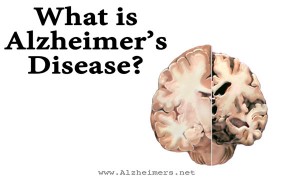
Overall, ventricle size increases due to the decrease in brain matter from overaccumulation of proteins. Too many proteins cause brain dysfunction so unnecessary proteins are not being broken down and the cells of the brain, neurons, begin to die.
When it comes to memory loss, the hippocampus shrinks due to brain cell death. The hippocampus is a very important brain structure involved in memory so atrophy to this region is what causes the symptoms associated with memory loss in Alzheimer’s disease.
The Importance of Knowing the Biology of Alzheimer’s Disease
The overview of the biology of Alzheimer’s disease does not even scratch the surface of its true complexity. Therefore, treatment options are limited and are being researched tirelessly. However, knowing more about some of the biology can at least push research forward in the right direction so people can live there best lives up until death.
The next, time you watch your favorite TV show with Alzheimer’s diseases prevalent or you see a commercial on researching the disease, you can hopefully be informed of the intensity this disease is on the brain and the importance of finding a cure.
http://www.sciencedirect.com/science/article/pii/S053155651300065X

How Your Present Can Impact Your Future in Alzheimer’s Disease

Would you ever think that the McDonald’s trip you took earlier today could lead to the development of Alzheimer’s in your future? Well, there are signs that it actually could. I had never thought about over nutrition as a cause of this debilitating disease that impacts the lives of so many, but there is more to do with it than just genetics.
Activation of the PI3-K/Akt pathway:
This pathway in our body, is normally activated by insulin. When the pathway is activated, its job is to promote normal aging and transcription in the body. However, it is seen in Alzheimer’s disease (AD) that this pathway is over activated. Normally, activation of the pathway causes the activation of IRS which then activates PI3-K. PI3-K is a kinase that is responsible for phosphorylating PIP2. The new PIP3 is then able to activate a protein AKT which then can phosphorylate other molecules like GSK3B, FOXO and MTOR. In regular function, GSK3B is inhibited which allows the proliferation of the B-catenin pathway an changes transcription factors in the cell. FOXO is also inhibited and is involved in a normal stress response. MTOR is activated at the end of the pathway because it causes the inhibition of the pathway as a negative feedback. When over nutrition is involved, the body is unable to handle the breaking down the sheer amount of proteins involved and creates faulty proteins called ABeta. These faulty proteins can also activate the PI3-K pathway. This overall leads to insulin resistance, because as the pathway is over activated it leads to an abundance of MTOR which shuts down the pathway all together. Therefore, more insulin is needed in order to cause the same response in the body. Eventually, the body continues to make faulty proteins and continues with insulin resistance until the body elicits neuron/cell apoptosis which leads to a decrease in transmission of signals in the brain.
Treatment of Alzheimer’s Disease:
Although there a drug remedies involved with AD, there is no definite cure for AD, the medications can only slow the onset of the disease.  One form of these medications is an acetylcholinesterase inhibitor which basically allows our excitatory neurotransmitter acetylcholine persist in the brain so that signals are more likely to occur. Another medication option is known as memantine which acts to decrease the amounts of glutamate in the brain. This helps slow the progression of AD by decreasing the amounts of Calcium in the brain. Another promising drug in clinical trials currently is called CNP520 which works to decrease the amount of ABeta production and therefore decreases the activation of the PI3-K pathway that then decreases insulin resistance.
Alzheimer’s Disease Prevention:
Although some forms of AD are highly genetics related, most forms have a high environmental component. What we eat and how we treat our body throughout our lives can have such an impact on the development of diseases in our future. Over nutrition is a huge problem in our society which can lead to many other problems besides things like obesity and type 2 diabetes and AD might be one of those problems.
For more information about how the PI3-K pathway is involved in AD read:
PI3-kinase/Akt/mTOR signaling: impaired on/off switches in aging, cognitive decline and Alzheimer’s disease. which can be found at: http://www.sciencedirect.com/science/article/pii/S053155651300065X
Cover Photo from:
https://www.alzheimers.net/resources/what-is-alzheimers-disease/

Going, Going, Gone – A Prominent Pathway in Alzheimer’s Disease

Alzheimer’s Disease (AD) is a disease that is infamous to many. The devastating effect it can have one an individual and those around them along with the high prevalence rate has lead to this disease being a hot topic for research.

In an article by O’ Neill, the PI3K and mTOR pathway was examined as likely culprits, if at the very lease accomplices in this nasty brain disease. The article explains that the PI3K pathway is activated by insulin which then leads to an increase in mTOR, which is a receptor or rapamycin. This increase then leads to a protein called Tau becoming phosphorylated.

Phosphorus in the body acts as a switch either turning on or off a protein. In the case of Tau, phosphorylation acts an activator of this protein, and with these new modifications this protein becomes a dangerous one. Phosphorylated Tau leads to neurofibulary tangles (NFT), which act as road blocks in the brain. With synapses having a harder time connecting with one another, neurons start to weaken and eventually die.

As bleak as this pathway may seem, the uncovering of PI3K in the role of AD does have promising implications. Studies have been shown that exercise can help lower the amount of phosphorylated Tau, which means less NFTs which cause the cognitive decline in individuals.

Currently in the US, there is a study that is in the recruiting stages that’s goal is to uncover which kinds of exercise can help support memory. Ultimately, they are looking for exercises that can be given to individuals to help treat and prevent AD . Although the role an over-activated PI3K/ mTOR pathway can have detrimental effects, the discovery of this pathway in AD can help us understand what causes this form of dementia and hopefully what can treat it.

For more reading on the PI3K pathway check out:

https://www.ncbi.nlm.nih.gov/pubmed/23470275

For more reading on the current US trial with exercise and AD check out:

https://www.nia.nih.gov/news/putting-exercise-test-people-risk-alzheimers

Feature Image:

https://cbd-international.net/effects-cannabis-oil-alzheimers-disease/

Alzheimer’s Disease: The Most Prominent Form of Dementia

Forms of Dementia

The dictionary definition of dementia is stated as a chronic or persistent disorder of the mental processes caused by brain disease or injury and marked by memory disorders, personality changes, and impaired reasoning. Although there are cases of early onset dementia, the senior population is most highly affected by these diseases. We can contribute much of the development of the disease to old age; the pathways in our brains can repair themselves to an extent, but wear and tear eventually take their toll of much of our senior population. There are many forms of dementia, with these five forms being the most commonly known:

Alzheimer’s Disease (AD)
  • Presents with short-term memory deficits
  • Atypical presentation includes behavioral or language deficits
  • Hallmarks are amyloid plaques, neurofibrillary tangles, synaptic and neuronal loss with subsequent brain atrophy
Lewy Body Dementia (LBD)
  • Presents as fluctuations in cognition with pronounced variation in attention and alertness
  • Motor features of Parkinsonism
  • Progresses rapidly
Frontotemporal dementia (FTD)
  • Slow progression
  • Early loss of personal and social awareness, signs of disinhibition
  • Mental rigidity and inflexibility, hyperorality, stereotyped and preservative behavior
  • Symptoms include depression and anxiety, somatic preoccupation, emotional unconcern
  • Reduction and stereotypy of speech, echolalia
  • Display loss of movement, rigidity, and tremors
Pick’s Disease (PD)
  • Affects frontal cortex
  • Usually manifests between 50-60 years of age
  • Distinguished from FTD by presence of characteristic intraneuronal argentophilic Pick inclusion bodies found at autopsy
  • Present with prominent personality changes and impaired executive function
Vascular Dementia (VaD)
  • Temporal association of cognitive deficits with stroke and evidence of cerebrovascular disease

Alzheimer’s Disease

 AD accounts for 60-70% of dementia cases worldwide. Risk factors for AD include diabetes, aging, sex, family history, tobacco and alcohol use, diabetes, and diet. The signaling pathway most implicated in this disease is the PI3-K  RTK pathway. In normal function, this pathway is activated and deactivated to produce ‘normal’ amount of gene transcription, essentially causing cell growth. Insulin, IGF-1, and amyloid-β oligomers activate this pathway. Over-activation of this pathway will eventually cause neurofibrillary tangles and amyloid plaques. JNK, a kinase, will inhibit this pathway; this is one of the causes of insulin resistance (indicating patients with diabetes are at higher risk for developing AD). In short, the PI3-K pathway is important for normal cell growth and proliferation, but over-activation or deactivation can contribute to the development of AD.
Research has shown that exercise as well as diet can have positive effects on reducing the symptoms of AD and dementia. There are also two types of medications that are FDA approved for the treatment of AD: acetylcholinesterase inhibitors and memantine. AChE inhibitors work by allowing acetylcholine to stay in the neuromuscular junction longer, ensuring a stronger signal throughout the brain. This medication only works in the early stages of AD. Memantine medications work as NMDA receptor antagonists, regulating the activity of glutamate. These have been shown to improve mental function and the ability to perform daily tasks. This medication is usually used to treat more advanced stages of AD. Note that these medications are only used in treating the symptoms of AD and attempting to slow the progression of the disease; there are currently no cures for dementia or AD specifically.


How Important Is the Environment in Autism Development?

Autism Risk Factors

Autism is a neurodevelopmental disorder in which problems with communication, interest, social ability, and behavior are exhibited. There are many environmental risk factors that contribute to the development of autism and/or genetic risk factors. It has not been determined if there is a certain percentage that environmental risk factors contribute to autism compared with genetic risk factors, but it is commonly agreed that the major risk factors for autism are genetic. One important piece of information to note is that there is no scientific evidence to support the idea that vaccines cause autism, and this hypothesis has been disproven time and time again.
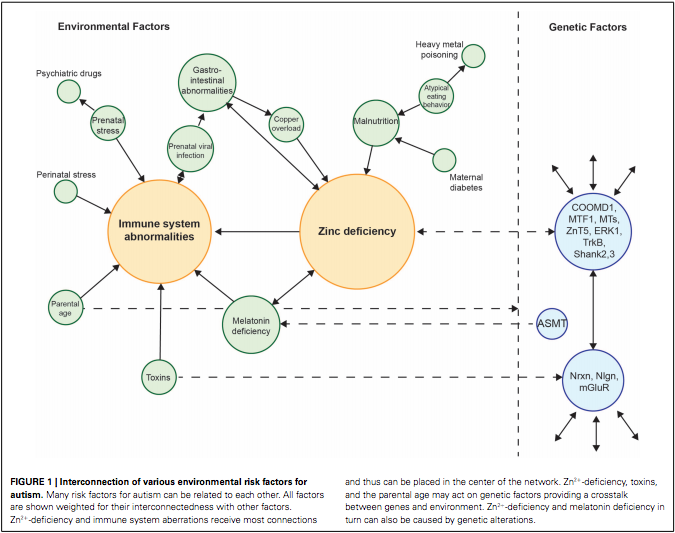
These environmental risk factors are grouped into two different categories: zinc deficiency and immune system abnormalities. Many of these risk factors are able to be grouped into both categories as well, and zinc deficiency can also lead into immune system abnormalities, so it is a complicated web of risk factors.
A big picture disruption in the body that can lead to autism is glutamate. Many of these risk factors will lead to glutamate excitotoxicity, which then has a multitude of effects throughout the brain and body.

Zinc Deficiency Environmental Risk Factors

  • Copper overload
  • Malnutrition/Atypical eating behaviors
  • Gastrointestinal Tract abnormalities
  • Low melatonin levels
  • Maternal diabetes

Immune System Abnormalities

  • Toxins
  • Psychiatric drugs leading to prenatal stress
  • Perinatal stress
  • Increased parental age
  • Pronatal viral infection
  • Zinc deficiency
  • Melatonin deficiency

Is A Cure Possible?


After learning about the long list of not only genetic, but also environmental risk factors associated with autism, it seems as though a cure is far off, if not impossible. This is not true though; researchers are optimistic about being able to make a more specific hypothesis attributing the cause of autism to a specific event or pathway.

How Did We Get to Holland? a Journey to Autism

Sesame Street writer Emily Perl Kingsley is often asked to describe what it is like to raise child with disability.  She describes it as planning a trip to Italy, but unexpectedly arriving in Holland. Her entire poem is moving, but she explains that while the trip was unexpected, there are still many things to enjoy about Holland.
 
The concept of Holland is transferrable to any parent of a child with a disability, but in this blog, we are going to dig into the Holland of Autism.
 

What is it like to go to Holland?


For individuals who experience autism, they can land anywhere in the spectrum where they may be met by challenges in social skills, verbal and nonverbal communication, repetitive behavior, and sometimes intellectual disabilities.
 
There are many guides along the way to help individuals with autism. Depending on their needs, these range from peer social interactions in the classroom to family development at home. Technology has also had an important role in reaching individuals with autism, as they may find it easier to communicate through apps on phones and tablets.
 

Why does Holland exist?

 
Autism is a neurological disorder that is influenced by both genetic and environmental factors. While autism-related genes are the greatest contributor, recent research has taken interest in the environmental factors that may further activate these genes.
 
Of the many environmental factors Andreas Grabrucker proposed to have an influence on autism incidence, they could be connected into two broad categories: immune system disruptions and zinc deficiency.
 
Some immune system disruptions were traced back to prenatal/perinatal stress, exposure to toxins, or increased parental age. The zinc deficiency could stem from malnutrition, copper overload, or a melatonin deficiency. Interestingly, the zinc deficiency could also contribute to immune system abnormalities.
 

Why is zinc so important?

 
The presence of zinc is incredibly important to the normal function of glutamate neurons. Autism is characterized by glutamate excitotoxicity, which means that too much glutamate is being released and causes the neuron to be overactive.
 
Zinc normally decreases glutamate release, so when that is not present, glutamate is continually released. Zinc is also important for proper function of other receptors and the structural integrity of the neurons. If there is plenty of zinc, they are able to stack certain proteins to make the synapse of the neuron stronger.
 

If Holland isn’t so bad, why are we trying to fix it?


All in all, engaging a child with a disability like autism is truly a journey. Some parents may say that they would not trade this journey for anything, as the diagnosis is part of their child’s identity. However, if they were given the choice to provide their child an autism-free life, I struggle to understand how any parent would deny that of their children.
 
We should continue to advocate for those affected by autism. Not only to provide those individuals with the services necessary to adapt to everyday life, but to also support research in finding a cure for autism.
 
While a prenatal zinc tablet may not be the answer, this recent research may lead to a zinc-based treatment in the future to diminish the environmental factors on autism.


Zn2+ Deficiency Can Potentially Cause Autism

Zn2+ involves in many biochemical reactions in our body by modifying or being a part the enzyme protein. In addition, Zn2+ modulates the complex ProSAP/Shank in postsynaptic pathway. Thus, if there isn’t enough Zn2+ to bind to ProSAP/Shank, ProSAP/Shank is mutated, leading to the improper synapse development in brain.
 
Then, what’s actually the cause of Zn2+ deficiency? There are many reasons for it, such as the atypical eating, the increasing of Cu2+, pre-parental stress and melatonin deficiency. I will focus on the increasing of Cu2+.
 
In our body, Cu2+ naturally competes and impairs Zn2+ uptake; therefore, its high-level causes Zn2+ deficiency, leading to mutation many substances essential for proper brain function, such as CuZnSOD, which neutralized superoxide and prevent oxidative damage. When the CuZnSOD activity is low, the superoxide is high and occupied in the body, results in massive oxidative damage in brain.
 
 
There are several reasons explaining the overload of Cu2+. Firstly, smoking increases the nicotine in their body, aggravating Cu2+ catalyzed oxidative damage to the brain. In addition, tobacco contains Cd2+, which accumulates relentlessly and enhances Fe3+ accumulation and aggravates Zn2+ and Mg2+ deficiencies.
Unfortunately, because of hyperstimulation from excess dopamine and low serotonin levels, the smokers experience some relief from smoking as well as gradually deteriorating in brain Same situation happens in alcohol, amphetamines, caffeine, etc. For example, young males who smoke or abuse alcohol are more likely to suffer Zn2+ deficiency.
 
Another reason for Cu2+ overload is the increasing of estrogen (primary female sex hormone). Woman having high estrogen during pregnant will have high Cu2+ and Cd2+ absorption, leading to Zn2+ deficiency and therefore reducing considerably the supply of Zn2+ to the embryo and later to the fetus. Abnormally high estrogen is the result of low melatonin production, which is produced by the pineal gland. Melatonin hormone regulates sleep and wake cycle; therefore, the abnormal sleep schedule can interfere the melatonin production.
 
Stress is another factor affecting the Zn2+ deficiency. Stress causes increased levels of adrenaline and cortisol, leading to the elimination of Zn2+. In addition, it could play a role in abnormal sleep cycles.
 
Overall, increased Cu2+ level is from the high level of estrogen, the use of smoking, abuse alcohol and caffeine, the use of Cu2+ cooking utensils, the intense physical and mental stress of giving birth and raising many children, and the improper diet.


Nature Versus Nurture: Environmental Factors in Autism

The cause of Autism Spectrum Disorder (ASD) has been a question asked for years. Many have speculated yet the definite cause has yet to be articulated. Genes have been a large focus for researchers. However, with the increasing knowledge of epigenetics the role of the environment must also be researched. Resulting in the classic question how much nature versus nature?
 
In a review article by Andreas Grabrucker, a professor at the Nuerocenter of Ulm University in Germany, potential environmental factors were discussed. Although there were many factors mentioned such as prenatal viral infections, maternal diabetes, abnormal melatonin synthesis and toxins, they all seemed to center around two key environmental factors: immune dysfunction and zinc deficiency.
 
Many environmental factors lead to the dysfunction of the immune system. Some of the risk factors discussed in the article were prenatal viral infections, prenatal stress, maternal diabetes, parental age and gastrointestinal abnormalities. It was hypothesized that factors would lead to the increase inflammatory cytokines, such as IL-6, which leads to the dysregulation of gene expression in the P38 MAPK and ERK pathways. This may result in glutamate synapse dysfunction which will result in an imbalance of excitatory and inhibitory signals, therefore causing an individual to develop ASD.
 
Another environmental factor that may lead to ASD is zinc deficiency. Low levels of zinc can be found in individuals with abnormal melatonin synthesis, gastrointestinal abnormalities and those who have poor eating habits. Low levels of zinc will also follow the same path of immune dysfunction by resulting in a glutamate synapse dysfunction.
 
The places that have the highest rates of zinc deficiency are third world countries where their populations often suffer from malnutrition. By following the link between zinc deficiency and ASD, a logical assumption could be made that there is probably more autism in third world countries. However, according to studies this is not the case. Most studies on ASD in third world countries report lower findings of it than in the USA. This may be a misrepresentation due to lack of medical records in developing countries or this could indicate the although environment plays a role in ASD, genetics play a larger role. These findings bring forth the question of how much nature and how much nurture goes into the development of ASD.
 
For continued reading about environmental factors in ASD check out:
https://www.ncbi.nlm.nih.gov/pmc/articles/PMC3548163/
For continued reading about rates of ASD in developing countries check out:
http://www.who.int/mediacentre/factsheets/autism-spectrum-disorders/en/
https://spectrumnews.org/news/researchers-track-down-autism-rates-across-the-globe/
Feature Image:
https://youinc.com/content/leadership/nature-vs-nurture


Autism or Superhero?

Today, we live in a society purely built on profit. Life flies by at a million miles an hour all because businesses need to be more efficient, profits need to be higher, and things need to be made cheaper. Among all the chaos of everyday life, we never stop, take a second and realize we are all people on this big earth living and working hand in hand. That being said, if you have a disability in this society you are most likely out of luck. Businesses cannot have people who are slower than usual or work by different standards or communicate in “awkward” ways. We need everyone to be “normal” in order to function properly. This closed-mindedness is hurting us if you really stop and think about it. There are hundreds of thousands of highly capable minds out there that function much differently than the normal brain but are crucially important pieces to the puzzle and those special brains are called autism.
What is Autism?
Autism begins with a combination of genetic components and environmental factors such as abnormal eating, copper overload, viral diseases during prenatal care, perinatal stresses, parental age, toxins, low melatonin production, and gastrointestinal abnormalities. The complex interaction between these environmental factors and genetic components can lead to an overall zinc deficiency or immune dysfunction. As a result of one or both of these problems, glutamate synapses in the brain begin to develop “out-of-wack” because zinc is always a very important component in normal protein function in many brain pathways. Overall, imbalances in excitatory (stimulation) and inhibitory (depression) pathways arise in the brain due to deficiencies and this is known as Autism, or overgrowth of the brain and many more synapses.
Of all the diseases I have studied so far in my biology and chemistry careers, autism really does not seem all that bad, if a more functional type is involved. In fact, more synapses and higher brain power seems like just the kind of thing our society is looking for in order to prosper. Yet, we continually overlook the superpowers of these special but important people and the many impacts they can have on our society.
I am left with a final question:
Why would we choose “normal” people brains to do our work when we have superhuman brains with superhero abilities among us to do an even better or different job?
https://www.ncbi.nlm.nih.gov/pmc/articles/PMC3548163/

Autism: Factors Understood, Cause Not Yet Ascertained

Starting a family is a wonderful adventure for many couples. Everything is expected to go smoothly, and more often than not it does, with the exception of a few hurdles along the way. In some cases however, the obstacles can cause complications with development or potentially permanent changes after birth.
 
Pregnancy is a period of time in which a mother must be exceptionally cautious and aware of her state of well-being. Certain environmental factors and health problems have the possibility of triggering the development of autism in children who are already genetically predisposed to the condition.
 
Factors involved with autism
The statistics show that autism is becoming more prevalent in children today. The levels are rising, but why? Researchers have been gathering data, and the results show that there are two common factors linked with the cause of autism. These factors are maternal zinc deficiency and maternal immune dysfunction. Both are attributed heavily to environmental factors, such as diet, parental age, maternal exposure to toxins, melatonin deficiency, prenatal infection, prenatal stress, copper overload, and GI abnormalities.
 
Zinc
All of these factors have the potential to influence zinc levels and/or immune function. The zinc deficiency is harmful because it causes neuropsychological symptoms, behavioral problems and learning and memory impairments. It can also lead to an excessive amount of the excitatory neurotransmitter, glutamate, which can cause seizures. Zinc is a vital element that it is found in every tissue of the body and is needed for enzymes to function properly. Pregnant women should be tested to ensure their zinc levels are sufficient, and thereby eliminate a risk factor for the development of autism in their child.
 
Immune System
The increased production of cytokines (cells involved in the immune response) resulting from immune dysfunction is dangerous because it causes inflammation, which can lead to excessive signaling and overgrowth in the brain. The cytokines have detrimental effects on neuronal plasticity, function, and viability. The immune response can be activated due to stress or illness experienced by the mother. The zinc deficiency, GI problems, toxin exposure and parental age also play a role in triggering the immune system.

Given the information described above, it seems as though autism could easily develop at the slightest health disturbance. The important fact to keep in mind is that a combination of both genetic and environmental components leads to the occurrence of autism. Considering the variety of factors that influence neuronal development, it is very challenging to pin point the cause of autism. This makes it rather difficult to stop the development of autism. The best prevention is for a mother to look out for her health during pregnancy by avoiding illness, managing stress, eating healthy, and steering clear of toxic substances.

Figure 2. Excessive excitation occurring within the brain of a child with autism
 
 
For more information on environmental factors in autism, please visit
https://moodle.cord.edu/pluginfile.php/625310/mod_resource/content/1/autism%20and%20environ.pdf

Spam prevention powered by Akismet