Back in my home town in Montana I have had the pleasure of working as an aid alongside some of the staff in my old school’s special education department. Over the past three year’s I have helped as an aid with these children after I had gotten done with classes for the semester and the majority of these children I worked with had autism. I had never worked with special needs kids before, so at the beginning of this experience I was definitely nervous.
I have been doing this because I enjoy the challenge of working with these children. I feel as if I am truly a part of helping people’s education as I work with and have watched these children progress over the past few years.
Now, the way you have to work with these children really varies from child to child, and as such every child needs to be cared for differently. Most of these children are very set in their ways and behaviors though. They have strict schedules that they all follow and any deviation from that schedule usually results in increased difficult behaviors.
It can be very strange for the outside observer watching in. For example, one of the children the first year I aided had a lot of peculiar qualities. The first time I saw him walk around and meow like a cat I asked one of the special ed. teachers if I should intervene. They told me right away that while I might feel like kids should have to act a certain way, sometimes intervening with these children just wouldn’t work. This is just their normal behavior and sometimes it needed to be accepted. The children in the classroom I were in were generally cased as the more moderate to severe children on the spectrum, and the high functioning ones that can follow normal rules are normally integrated into the regular classrooms.
Obviously this outward behavior was not always tolerate, and sometimes if he refused to transition to the next activity planned for him we would have to take away one of his “fun” activities for the day, which was never very fun because he didn’t always agree with doing that. Some of the children sometimes even had “meltdown” experiences with inconsolable crying and tantruming. The major problem with these were that we weren’t always sure what caused them and it made it hard to prevent the situations from happening again in the future.
There were a many other difficulties I experienced with working with these children. Many of the children I worked with had underdeveloped language skills that is a common problem among autistic children, preferred to be alone instead of interacting with the other children and had other difficulties in expressing needs and emotions. This made it particularly harder to interpret the individual needs of these children, but all the more rewarding when the hard work you put into these individuals in reflected in better behaviors.
Overall my experiences as a special education aid have been very beneficial for my own growth as a person. I have learned to work with kids, and especially special needs kids, at a much more helpful level than I ever thought I would be able to. If you ever find yourself in the situation where you can work with children’s in the special need’s department, I suggest you try it even if you think you might not enjoy it, it is truly a rewarding experience.
A Window Into the Physiological Condition of an Autistic Brain
By way of definition, Autism is a neurodevelopmental disorder characterized by impairments in communication and social behavior, and by repetitive behaviors. Recent research has shone a light on the fact that while genetic factors are largely responsible for the occurrence of autism, specific environmental factors might act as risk factors triggering the development of autism in some instances. Thus, the confluence of environmental triggers and autism related genes is currently an area of keen research interest. As highlighted by Ashwood et. al. in a 2006 paper, for successful development of the central nervous system to occur, a functional or normal balance of the immune response is paramount. Ergo, the brains of Autistic patients are characterized by structural and signaling synaptic deficiencies as well as a dysregulation of neuronal survival and growth factors named neurotrophins, all of which seem to be tied to a common thread of Zn 2+ and Immune system abnormalities, among other pertinent but less significant environmental factors.
A few of the environmental factors that trigger the mutation or expression of mutant autism related genes, affect Zn 2+ homeostasis, and proper immune system function include maternal diabetes, heavy metal poisoning, prenatal stress, parental age, malnutrition, psychiatric drugs, toxins, and melatonin deficiency. Regarding immune system abnormalities, a cytokine imbalance is characteristic in the CSF of autistic individuals, and could be the starting point of the inflammatory state, leading to the disruption of trophic factors and increased apoptotic signaling in the cytoarchitecture in the CNS. Consequently, neurodevelopmental arrest or slowed down growth occurs. In the case of the cytokine IL-6, an associated increased expression of proteins called metallothioneins (MTs) that cause Zinc sequestration has been noted. Its worth noting that Zinc is a necessary co-factor for the proper activity of a vast amount of enzymes and proteins. Furthermore, both Zn 2+ deficiency and IL-6 have been shown to cause a reduction in the activity of Insulin-like Growth Factor 1 (IGF-1), a substrate for the IGF-1 receptor that is a component of the PI3K-Akt and Erk- pathways. The former modulates neuronal growth as well as dendritic and axonal maturation and the latter, the expression of neurotrophins imperative for proper neurodevelopment.
While deciphering all the interconnections involved in the physiological state of autism might seem like trying to pick needles out of a haystack, the best that you the reader can do is to avoid the environmental stressors that trigger the expression of autism related genes. For instance, plan on having your children at a younger age to avoid autoimmunity issues, ensure that you are not over or malnourished, ladies avoid taking psychotic medications when pregnant and manage your Zn 2+ and blood sugar levels when pregnant. Special mention to researches working to elucidate the pathophysiology of autism and highlight possible treatment targets, I implore you the reader to support research efforts in this regard.
Are We Too Stressed?
Autism Spectrum Disorder has been rising in the United States (an increase of 40% since 2000 according to the CDC) since Dr. Kanner discovered it in 1943. This is rise doesn’t have a certain contribution however due to its ever changing standards that qualify someone in the spectrum.
In majority, Autism is mainly caused by genetic factors that can predestine a child to impaired social and communication behaviors but maybe even heightened intelligence. However, in a paper published in 2013 that looked at environmental factors associated with Autism, stress seemed to stick out like a sore thumb.
How can stress cause a neurological disorder? The paper talks a lot about how prenatal stress can influence the development of the baby and even cause changes that previously would not have been a factor. They still think that genetics is the leading cause but that stress may play a role in increasing the risk.
An important system in the body is the HPA axis or hypothalamic-pituitary-adrenal axis that is responsible for the neuroendocrine adaptation component of the stress response. The stressor signals to the hypothalamus to start a cascade of hormones to be processed until a certain blood concentration of cortisol this protection is seemingly achieved and the cortisol exerts negative feedback to the hypothalamus.
One study looked at autistic children versus typical children cortisol circadian rhythm. They found that both groups showed expected circadian variation with higher cortisol concentration in morning than in the evening samples. The children with autism, but not typical children, showed a more variable circadian rhythm as well as statistically significant elevations in cortisol following exposure to a novel, nonsocial stimulus.
The HPA axis can also modulate the immune system in response to a stressor, with high levels of cortisol resulting in a suppression of immune and inflammatory reactions. This helps to protect the organism from a lethal over activation of the immune system, and minimizes tissue damage from inflammation.
With repeated exposure to stressors the HPA axis can become sensitized and no longer function correctly under stressed conditions causing dys-regulation of the immune system at a critical time in development.
Stress is a mainstay in our society nowadays, with economics being its pusher. Taking time to relax while pregnant should be kept in mind, since many implications of stress are now being realized.
The Science Behind the Ice Bucket Challenge
Anyone who has social media has probably heard of the ice bucket challenge. Many of you might have participated in this whacky challenge. But who actually knows how this got started? Do you know what the challenge is raising awareness for?
The ice bucket challenge was designed to raise awareness for amyotrophic lateral sclerosis (ALS). If someone was nominated for this challenge they were supposed to dump a bucket of freezing water over their head, or they could make a donation instead. The goal was to raise awareness and money for further research on this disease.
ALS is a debilitating disease that will destroy the motor neurons, which will lead to complete loss of muscle control in later stages. Eventually, this disease will be fatal for those who have it. The money from this challenge has helped to try and find a way to stop the onset and progression of ALS.
The Neurochemistry
ALS is a neurodegenerative disorder that affects a person’s ability to control muscle movement. Neurons throughout the body are controlled by the brain, and tell the rest of the body when to move. When these motor neurons are destroyed the person will lose all ability to control the muscles in their body, which will lead to death.
Research in the Journal of Neuroscience Letters, by Bozzo and colleagues, details some of the problems that can lead to ALS. The two main factors discussed throughout this article were mitochondrial damage and oxidative stress.
There is a RNA binding protein, called TDP43, that is largely affected by oxidative stress. This protein will form protein aggregates within cells under oxidative stress. These aggregates cannot be broken down if the mitochondria are not functioning properly. These aggregates hinder the cells ability to function normally.
The neurochemistry behind ALS is very complex, and it is still being studied. There are numerous connections that still need to be made to establish a concrete pathway that could cause this disease. In science, there is never an easy explanation to the pathology of a disease.
New discoveries
There are familial and sporadic cases of ALS. Familial cases are inherited genes that are associated with ALS. Sporadic cases are characterized by random mutations, and it can affect anyone.
According to the ALS association, the money that was raised from the ice bucket challenge helped scientists identify a new gene associated with the disease. The NEK1 gene was identified, and found to be one of the most common genetic components associated with ALS.
This gene was identified by almost 100 scientists that are part of Project MinE. Project MinE is doing genetic testing with thousands of individuals with ALS across the world. They are comparing these genomes to those of healthy individuals to identify genes associated with ALS.
The ice bucket challenge raised so much money that the ALS association was able to contribute one million dollars to Project MinE. This monetary contribution was a big reason that this new gene was identified.
New finding are important because they can be targeted for new drugs. There is currently no cure for this disease. There are only medications to slow down the progression of ALS. Developing new drugs to help people who suffer from this disease is a top priority for many researchers today.
ALS
Amyotrophic Lateral Sclerosis (ALS), also known as Lou Gehrig’s disease is a neurodegenerative brain disease. It has multiple causes, such as various mutations, and concussions and head trauma may also play a role. In over 90% of cases of ALS the cause is unknown. Only about 5-10% of cases of ALS are inherited from a person’s parents.
There is no cure for ALS. The average life expectancy for somebody with ALS is about 2-5 years. There is one medication, Riluzole that can extend some people’s lives for about 2-3 months. There are some forms of ALS that take significantly longer, but most people diagnosed with ALS sadly do not have long to live.
ALS usually starts with subtle muscle weakness. It can also start with shaking, tripping, or speech problems. However, in most cases it starts with muscle weakness in the arms and legs. Over time the muscle weakness worsens, leading to difficulty swallowing, walking, and even breathing. As ALS progresses patients must use wheelchairs, be unable to speak, and eventually need assistance breathing. Most people with ALS die because of respiratory failure.
ALS is difficult to diagnose. The symptoms of many other diseases can easily be mistaken for ALS. Patients undergoing the process of diagnosis usually get two or three opinions as well as a variety of tests to determine it is in fact ALS and not another disorder.
Most treatments for ALS are focused on improving a patient’s immediate quality of life. Treatments include: physical therapy, speech therapy, nutritional support, and eventually end of life care, sometimes including mechanical respiration.
There are a lot of ethical issues with treating ALS. Since patients do not lose brain function, physician assisted suicide is often brought up. There is also the cost of treatment. Riluzole, the only FDA approved medication for ALS is over $1000 a month. ALS is already a horrible disease. The financial and emotional burdens that falls on family members only make everything worse.
ALS is a tragic disease. It is important that people know about it so that people with ALS can access the support and care that they need. Some awareness efforts, most notably the ice bucket challenge, have been successful. Still, there is work to do to do to research and treat ALS.
Could This Be a Clue? a Link Between ALS and Military Munition Sites
Amyotrophic lateral sclerosis (ALS), also known as Lou Gehrig’s disease, is a progressive neurodegenerative disease that affects nerve cells in the brain and spinal cord. According to U.S. population studies, approximately 6,000 people in the U.S are diagnosed with ALS each year, with an estimated 20,000 Americans living with the disease at any given time. The average survival time is three years and currently there is no known cure. However, through millions of dollars of research, scientists have hypothesized a variety of explanations for factors that might increase the risk of ALS.
The Risk Factors
Though it is known that ALS can affect anyone, occurring throughout the world with no racial, ethnic, or socioeconomic boundaries, research has shown that it occurs in greater percentages as men and women grow older, and it is significantly more common in men than women. Additionally, military veterans are approximately twice as likely to develop ALS and many athletes are known to be diagnosed with ALS later in life. There have been several research studies investigating additional risk factors that may contribute to ALS, with the argument being that environmental factors in conjunction with genetic susceptibility cause the disease. Here is a list of the most common risk factors discussed today:
- BMAA (Beta-methylamino-I-amine)
- Toxins: metals, solvents, radiation
- Exercise
- Smoking
The Link
As mentioned previously, it has been found that the link between military veterans and ALS is significantly high, in specific military veterans from the Gulf War. Some scientists believe that for veterans born with a genetic flaw that predisposes them to ALS, the military’s exhausting physical demand perhaps triggers the disease to erupt later. Others hypothesize that the vaccinations military veterans had to receive before deployment could play a role in the onset of the disease. However, a more a more popular link, one that was studied by the University of Cincinnati and Duke, Durham Veterans Affairs Medical Center, controlled for neural toxins and found that the veterans stationed at the munitions dump in Khamisiyah, Iraq during the Gulf War experienced a heightened risk of disease. During the demolition of this dump, a low level of nerve agent and smoke from the oil well fires were released consistently.
Consistent with this hypothesis, on the small island of Guam, there is a large munitions storage area. Rates of ALS are similarly high in people living in Guam, just as they are in military veterans stationed around munitions sites during the Gulf War.
Marijuana and Pain Relief
Is marijuana as great as they actually say it is for pain relief? We constantly hear in news reports about all the great effects marijuana has for pain patients, but are we hearing the whole story?
From the research that I have done in class, I don’t believe there are not enough studies to 100% support the use of marijuana for all pain. I want to make it clear that there are cases where cannabinoids could be very useful in chronic pian but also instances where it could be misused.
The Research
Cannabinoids have shown significant promise in basic experiments on pain. Peripheral nerves that detect pain sensations contain abundant receptors for cannabinoids, and they appear to block peripheral nerve pain in experimental animals. Cannabinoids are particularly effective against (chronic) central and peripheral neuropathic pain, rheumatoid arthritis, cancer pain and pain in MS but have little or no effect in patients with acute pain.
Even more encouraging, basic studies suggest that opiates and cannabinoids suppress pain through different mechanisms. If that is the case, marijuana-based medicines could perhaps be combined with opiates to boost their pain-relieving power while limiting their side effects. Marijuana may be safer than opioid use in the short-term. It hasn’t caused any lethal drug overdoses and the number of opioid deaths appears to have decreased in states with laws allowing medical marijuana.
Germany
As of 2014, Germany has legalized a cannabis drug called Santivex. Sativex, a cannabis derived oromucosal spray containing equal proportions of THC (partial CB1 receptor agonist ) and cannabidiol (CBD, a non-euphoriant, anti-inflammatory analgesic with CB1 receptor antagonist and endocannabinoid modulating effects) has been approved for medical pain use.
This new found understanding of cannabis, and the biological systems of the human body, and their integration provides profound opportunity for advances in managing and altering the disease process for a wide variety of illnesses.
Life Is Priceless, Sure, How Far Should We Go to Prolong It Though?
Amyotrophic lateral sclerosis (ALS) is a progressive neurodegenerative disease that affects nerve cells in the brain and the spinal cord. Furthermore, it results in the degeneration of upper and lower motor neurons responsible for voluntary movements and muscle control, resulting in progressive loss of speech, atrophy, fasciculations, and eventually respiratory failure when diaphragm and chest muscles fail. While about 10 percent of those with ALS survive for 10 or more years, most people with ALS die from respiratory failure, usually within 3 to 5 years from the onset of symptoms. There are two different types of ALS, sporadic and familial. Sporadic which is the most common form of the disease in the U.S., is 90 – 95 percent of all cases. It may affect anyone, anywhere. Familial ALS (FALS) accounts for 5 to 10 percent of all cases in the U.S. At present, there is no cure for ALS and most treatments are designed to relieve symptoms and improve the quality of life for individuals with the disorder. That being said, how far should treatment go given the invariably fatal nature of this disorder and the associated degree of paralysis?
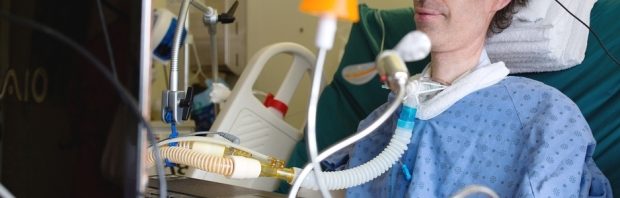
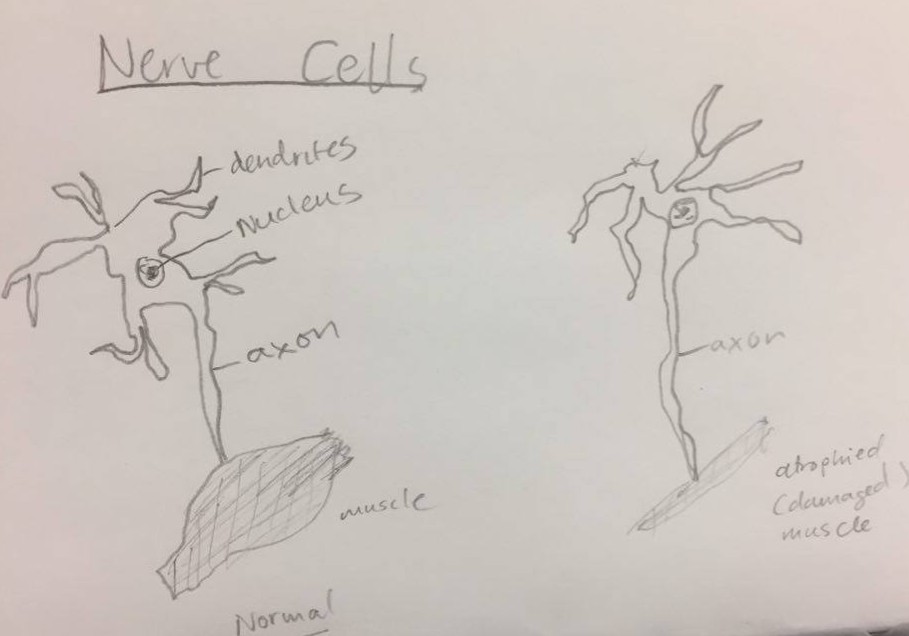
Given a choice, most people would prefer to prolong their lives for as long as humanly possible, largely in the hope of a medical miracle bringing them back from the brink of death, possibly to their former self or a similar rendition of the same. In the case of ALS, death is slow but certain, and in its late stages, patients experience total paralysis, including that of chest wall and diaphragm muscles (See diagram below of atrophied muscle in ALS). At this point, one may argue that there is still some sentimental value to the physical presence of one’s loved one regardless of their physical state. In my view, furthering the life of a late stage ALS patient on a long term basis is an impractical and unsustainable route for all parties involved. In the case of few patients that can afford the medical care, only the health care institutions benefit from the situation while friends and family incur extremely steep financial costs. In the larger share of patients who cannot afford being placed on a ventilator and being continually hospitalized, their bill becomes the responsibility of the state and health care infrastructure as a whole, an all round lose-lose scenario for all parties involved.
In precis, while my position may sound insensitive to some, or shallow on the account that I write from a third party viewpoint, it is imperative for this discussion to be initiated and sustained. Also, families in this predicament ought to be earnestly well informed about the contours of the journey they are on through conversing with social workers and the health care professionals serving their loved ones. While civilization has made huge leaps and bounds to prolong life through the ingenuity of medical researchers in disciplines such as surgical, pharmaceutical, and nutrition research, it is also incumbent upon ourselves to perform cost benefit analyses such that we avoid engaging in futile cycles in which we continue to expend financial and other resources to sustain life at all costs, even though the nature and quality of life may deteriorate to less than a shadow of its former glory.
Below is a diagram of muscular differences between normal and ALS diseased muscle.

GM604 for Treatment of ALS – A New Hope for Treatment of the Disease?
The average person probably has not given too much thought about ALS, but if you’re looking at this specific of a topic you probably already have an above average amount of knowledge on the topic. For those that don’t know though, ALS compromises a person’s muscle control while keeping their mental capabilities completely intact. But as of recently, people have been more exposed to the disease even if they haven’t met someone with it in real life especially recently due to the ALS Ice Bucket Challenge and even just knowing of Stephen Hawking, who is a famous scientist living with the disease.
Unfortunately, even with today’s medical advances this is still an incurable disease. This is a problem because there is a near 100 percent fatality rate associated with the disease. There is however a drug that can prevent some of the symptoms of this disease currently, Rilutek.
Rilutek is one of the only approved drugs for treatment of ALS. It is shown to improve functioning and prevent nerve cell over excitation from glutamate. Phenytoin is used to ease cramps, and baclofen is used to relieve stiffness in the limbs and throat. Once again though, these just cure symptoms and don’t actually treat the disease.
There is though, a potential medicine that look’s extremely promising for those diagnosed with ALS, and that medicine is GM604. In animal trials with the drug it extended survival life spans by 500%. It also provided neuroprotection against soluble inflammatory factors in human ALS patients’ Cerebral Spinal Fluid by 175%
It does this through a wide variety of factors including insulin receptor binding, reducing the damages caused by free radicals to reduce ALS apoptosis, providing PIP3 Kinase Activation for neuroprotection and axonal transport stiumlation to delay ALS onset.
So what is the problem then? Well as with any new drug, the length of time it usually takes to get a drugs approval can be very long and it doesn’t look like it will get approval for at least another 10 years. This is a serious problem for someone looking to get treatment as this is a disease that usually kills or seriously disables you within just a few years of being diagnosed with the disease.
This could be alleviated through the FDA granting this drug a status of accelerated approval which is given to drugs that are deemed safe to help terminally ill people with. They are unlikely to do this soon though based on the fact that there still hasn’t been many studies done on the long term effects of the drug, even though someone suffering from this disease probably isn’t probably too concerned with these long term effects. It is my hope that the ability to use this drug for treatment of the disease happens as soon as possible, and hopefully if there is enough awareness of a need for a cure in the general community we might be able to get that done.
Perspectives on ALS End of Life Care
Last week, my neurochemistry class studied the debilitating neurodegenerative disease amyotrophic lateral sclerosis (ALS). Throughout the week, we dove deeply into the neurochemical mechanisms behind ALS, namely the interacting roles that reactive oxygen species and ineffective RNA metabolism play in the development of the disease.
According to current research, chronic oxidative stress (and the resulting reactive oxygen species produced by mitochondria) can lead to the aggregation of RNA binding proteins like FUS and TDP43 in the cytoplasm. Aggregation of these proteins can eventually lead to their loss of function, which can have dangerous effects due to the concomitant sequestration of chaperone proteins. With the loss of chaperone proteins, the body struggles to properly fold proteins that aid in responding to oxidative stress.
Interestingly, the relationship appears to be reciprocal, as RNA dysmetabolism can also cause oxidative stress and accompanying mitochondrial damage. In this proposal, when the FUS and TDP43 proteins are mutated or sequestered in the cytoplasm, the cell loses key anti-oxidative stress pathways. In the case of TDP43 loss of function, the cell experiences gene transcription from an activated family of FOXO transcription factors that leads to mitochondrial damage.
And while the science was captivating and essential to our understanding of ALS, when it came to our end of the week debriefing, science didn’t carry the conversation. Instead, the ethical considerations associated with end of life care in ALS took center stage.
Reflecting now, I think we arrived at this topic from our discussions on the lack of treatments for ALS. To our knowledge, there is just one well-accepted drug, called Rilutek, that slows the disease progression in some people. The lack of options for treating ALS amazed me and filled me with sadness. It ultimately drove home the inevitability for many people stricken with ALS of being trapped inside one’s own body. This happens because of a disconnect between mind and body where mind isn’t the issue. Instead, the motor neurons in the spinal cord are destroyed whilst sparing the neurons in the brain.
To our class, this maintenance of mental capacity throughout the disease raised important questions about a patient’s wishes at the end of life. Since they are mentally capable, should a suffering ALS patient have the right to end his or her life through physician assisted suicide? One student even held the opinion that after a patient dropped below a certain quality of life, their insurance should increase as to cover the exorbitant costs of maintaining someone’s life.
In the end, what we were all struggling to decide was the best option for both the patient and family. ALS certainly presents a unique situation because unlike other debilitating diseases, these patients retain their mind and personality and even take pleasure from seeing their loved ones and communicating with them. Yet, when the disease reaches such an advanced stage where speech is impossible, breathing is difficult, and someone’s individuality is gone, who benefits then? I agreed with many of my classmates that if they or a family member were in this position, they would want a quick and peaceful ending. However, I had second thoughts this past weekend after reading about technologies that enable late-stage ALS patients to communicate.
The study was published in the Journal of Neural Engineering and involved research into a new brain-computer interface (BCI) technology. The researchers built off of the fact that current BCI technology isn’t effective for ALS because the current systems depend on brain processes that are impaired in ALS. That’s why the new technology targeted a different area of the brain called the precuneus, which is located in the parietal cortex. This brain area is associated with consciousness and is not affected in patients with ALS. The study was small and only involved two patients, but the results were exciting. The researchers trained the two patients to self-regulate two types of brain waves, theta and gamma, in the precuneus. With their ability to activate either brain wave on command, the patients could answer questions and participate in simple conversation.
Technologies like this truly demonstrate the need for science and could one-day help ALS patients maintain relationships with their children and grandchildren. Yet, part of me is still saddened that previously vibrant individuals could be confined to the equivalent of a yes or no answer.
Despite the 40 minutes of discussion my class spent on the topic, I’m still on the fence. I think this mental struggle on my part is a testament to the difficulty of the problem but demonstrates the importance and need for these discussions to take place. With no signs of a game-changing therapeutic approach to ALS coming soon, we need to thoroughly consider what good we are doing by extending the lives of ALS patients indefinitely. Who knows, we may realize that our healthy intentions have taken us in the wrong direction.