
Antipsychotic Medication: The Lesser of Two Evils? Empathy and Obstacles in the Treatment of Schizophrenia

The Dilemma:

Have you ever listened to the side-effects that medication advertisements list at the end of commercials? It seems like the narrator is turbo-talking for two minutes, listing off hundreds of side effects that make you wonder: is taking the medication even worth it?
This is a reality that many people with mental illness, especially schizophrenia, face. It’s a decision between living life with the symptoms and stigma of schizophrenia, or reducing their symptoms but gaining a long list of other health risks. To someone with limited experience with schizophrenia, it seems like a simple decision between sanity or insanity, with the obvious choice being sanity.
However, according to the American Academy of Family Physicians, some of the many side effects of common antipsychotics are:

  • sedation
  • low-blood pressure3546209229_124d1000db_o
  • constipation
  • dry mouth
  • blurred vision
  • cognitive impairment
  • pseudo-parkinsonism
  • spastic contractions of the muscles
  • facial ticks
  • sexual dysfunction
  • acne
  • osteoporosis
  • immune problems
  • cardiac arrhythmias
  • seizures
  • metabolic issues such as rapid weight gain

On top of this, many medications treat the positive symptoms of schizophrenia (audio/visual hallucinations, delusions, racing thoughts), but do not treat – or even worsen – negative symptoms (difficulty concentrating, lack of emotion, lack of interest in previously enjoyable activities) Makes the decision a little more complicated, huh?

The Science: prog-banner-phd-neuroscience

So why do antipsychotics do this? It is because the chemical way in which they work is difficult to control.
For example, on a very basic level, schizophrenia was believed to be caused by an excess of a neurotransmitter called dopamine. So, medications were developed that prevented dopamine from working.
However, more recent research tells us that too much dopamine only occurs in certain parts of the brain; in other parts of the brain, there is not enough dopamine.  So, when we get rid of all dopamine, it helps some symptoms but makes others worse.
On top of this, dopamine doesn’t only work in the brain, so getting rid of it can lead to some of the other bodily symptoms listed above.
As if things weren’t bad enough already, studies have found that there are many other brain chemicals involved in schizophrenia that present the same dilemma as dopamine, so trying to treat them all without producing a ton of side effects is really tough.

Why it Matters: 14601147444_a18e2caca8_z

The nasty side effects of antipsychotics are a primary reason that people avoid treatment or taking their medication. I have had the really great opportunity to work in the mental health field, and when I heard the reasons people had for not taking their medication, it all made a lot of sense.
For many of them, they just wanted one day where they weren’t sleep-walking through life, and then it took a bad turn and their psychotic symptoms returned. For others, they developed heart problems that forced them to stop taking a particular medication, and they were in the process of finding a new regimen that works for them.
The scientific mechanisms of antipsychotics shed light on all the factors that people with schizophrenia have to think about every time they take their medication. So next time you meet or hear about someone with schizophrenia, or any other mental illness, please be empathetic. Remember that they are a person, and that treatment is a complicated decision that profoundly affects their health and quality of life, not a simple choice between sanity or insanity.
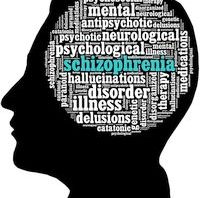
 

Schizophrenia: Neglecting Its Negative Symptoms

Compared to other mental health disorders, schizophrenia is not very common; however, its symptoms can be incredibly disabling. Schizophrenia is a chronic mental disorder that severely impact a person’s behaviors, thoughts, and feelings. Individuals with schizophrenia are transported into “psychosis,” or a loss of contact with reality.
According to the National Institute of Mental Health, Schizophrenia is characterized by three types of symptoms: cognitive symptoms, positive symptoms, and negative symptoms.
Cognitive Symptoms:

  • Poor “executive functioning” (the ability to understand information and use it to make decisions)
  • Trouble focusing or paying attention
  • Problems with “working memory” (the ability to use information immediately after learning it)

Positive Symptoms:

  • Hallucinations
  • Delusions
  • Thought disorders
  • Movement disorders

Negative Symptoms

  • “Flat affect” (reduced expression of emotions via facial expression or voice tone)
  • Reduced feelings of pleasure in everyday life
  • Difficulty beginning and sustaining activities
  • Reduced speaking

Comparatively, the negative symptoms of schizophrenia receive less attention than the other types of symptoms, possibly because they are more subtle. However, negative symptoms are the major contributor to low functioning and debilitation in most patients with schizophrenia. Negative symptoms can be categorized into 5 different categories.
02598tbl4_5
Clearly, these symptoms, although not as obvious as positive symptoms like hallucinations or delusions, can have detrimental consequences to a person’s ability to find success in life. For example, one cannot successfully function at school or work if they have poor motivation. In addition, inattention to social cues or unresponsive affect may deteriorate friendships and relationships with family members.
Fundamentally, the three types of symptoms in schizophrenia are caused by two distinct dopaminergic pathways in the brain. Positive symptoms appear when there is too much dopamine in the mesolimbic pathway, spanning from the midbrain to the limbic system. On the other hand, negative symptoms and cognitive symptoms develop from not enough dopamine in the mesocortical pathway, spanning from the midbrain to the cerebral cortex.
biology-of-schizophrenia-10-638
Dopamine is one of the major excitatory neurotransmitters in the brain. So it makes sense that too much activity between synapses in the mesolimbic pathway of schizophrenic patients results in seeing or hearing things that aren’t there. Similarly, it is reasonable that too little dopamine in the mesocortical pathway of schizophrenic patients causes depressive and lethargic behaviors.
The dichotomy of the etiology of these symptoms make it difficult to treat the disorder. The first drugs to treat schizophrenia are called “first generation” antipsychotics (ie. chlorpromazine and haloperidol). These antipsychotics are effective at treating the positive symptoms of schizophrenia, but they have negative side effects and do not effectively treat negative or cognitive symptoms.
A second generation of antipsychotics, called “atypical” antipsychotics, were an improvement in severity of side effects and treatment of negative symptoms (ie. Clozapine). treatment does not impact the negative symptoms present in schizophrenia.
Atypical antipsychotics, however, improve negative symptoms by about 25%, compared with 10 to 15% improvement with first generation agents, according to a 2002 study in Current Psychiatry. Even still, the debilitating effects of negative symptoms persist in patients with schizophrenia with the current treatment available.
All in all, one may never know the grim effects of schizophrenia until they experience the disorder first- or second-hand. Some of the most debilitating symptoms of schizophrenia remain untreated in many patients, and further research needs to be conducted to better understand the mechanisms of schizophrenia’s development.

Genetics, Childhood Adversity, and Schizophrenia

In the science world today, genetic markers for disease are an extremely popular topic. Since the human genome was sequenced, researchers have been studying human DNA in an attempt to detect and gain information from these genetic markers. A single nucleotide polymorphism (SNP) is one type of these markers. From a SNP or other marker in DNA, scientists can evaluate the risk associated with the marker and a disease.
So, if I get tested and have a marker for some disease I will have that disease someday, right? Well, maybe.
There is a misconception that if a marker is present in DNA that that person will definitely have the disease associated with that marker, but that is not necessarily the case. Today’s genetic testing has the ability to predict the risk of developing a disease based on genetic markers, but scientists cannot yet say, “Because this marker is present there is a 100% chance this disease will happen.” Some markers are associated with higher risk than others, but there is no money-back guarantee on a genetic test for predicting disease.
Here is a video that explains the genetics behind disease. It highlights the discovery of a gene that has potential to help develop the understanding of schizophrenia and how it could help, but, because of the complexity of disease, why that may not help predict the disease or develop a treatment.

The genetic markers associated with schizophrenia are no different. Researchers have identified a number of genetic markers that are associated with developing schizophrenia later in life, but there have been a number of studies done with identical twins, meaning they have the same DNA sequence, in which only one twin develops schizophrenia. Two people may have the same genetic marker, but only one develops schizophrenia. This is not to say there is no correlation between genetic markers and disease, but it is not a guarantee either.
Because of these findings, researchers are looking at environmental factors that can, in combination with genetic markers, better predict schizophrenia. Recent research examining the interaction of genetics and childhood adversity has had conflicting results. One study by Trotta et al. showed no link between schizophrenia and childhood adversity, but they acknowledged that there are some studies with the same results and others with conflicting results.
Obviously, further research is necessary in order to find any possible link between genetics, childhood adversity, and schizophrenia. Further research is important as it could have significant clinical importance. Any breakthrough that could allow for prediction of a disease would create opportunities to help target the onset of the disease. Because schizophrenia is such a costly mental illness, intervention to prevent it or developing public health strategies would be beneficial.

Out of the Darkness: The Truth About Schizophrenia

It is safe to say that Schizophrenia is one of the most mysterious, misunderstood, and feared mental disorders today- both scientifically and socially. As our medical world is rapidly advancing, the search for the driving mechanism of action and effective treatments for this disease are being researched studiously. Even with current medicinal treatments though, the complexity of this disease still challenges researchers today. Similarly, as a mental disorder that often leads to social isolation, decreased ability to live independently, and odd behaviors, stigmatizing attitudes about Schizophrenia are incredibly common among society today.
However, far beyond all the intricate scientific details, lost in the darkness of stigmatizing beliefs, is a normal human being, deserved to be treated like any other.
Background
Schizophrenia is a severely debilitating mental disorder that affects how a person thinks, feels, and behaves. According to the National Institute of Mental Health (NIMH), approximately 1 in 100 people have Schizophrenia, which equates to about 26 million people worldwide. There are three types of symptoms that individuals with Schizophrenia can experience: positive, negative, and cognitive. Some of the most common include hallucinations and delusions, flat affect and withdrawal from social activity, and trouble with organization of thoughts and memories.
Though we know a lot of Schizophrenia, there are still many common misconceptions today that place a negative view on those suffering from the disorder. Three of the most popular and stigmatizing myths are discussed below.
Myth 1: People with schizophrenia are dangerous.
Most people with Schizophrenia are not violent, and most violent crimes are not committed by those with Schizophrenia. Of the little violence committed by those with Schizophrenia, it is often due to the individual having another comorbid disorder such as Substance Abuse Disorder and those with a past of Childhood Conduct Disorder. The real concern is the number of individuals with Schizophrenia that are a harm to themselves. It is estimated that 1 in 10 individuals suffering from Schizophrenia will take their own lives, with even more
Myth 2: People with schizophrenia are not smart.
Though some studies have supported the idea that individuals with Schizophrenia have more trouble on mental tasks such as attention, learning, and memory, there are also a number of studies that are looking at links between psychosis and creativity. Similarly, there have been many successful and intelligent individuals who become diagnosed with Schizophrenia, and in years later maintain their same IQ from before diagnosis.
Myth 3: People with schizophrenia alienate themselves.
Schizophrenia has been described as the most alienating disease. Social isolation is a common symptom of Schizophrenia and can either be connected to their psychosis, or due to the experience of anhedonia. However, just because it is a common symptom, does not always mean it is by choice that they isolate themselves. With the right encouragement, social interactions can be incredibly helpful, specifically in keeping individuals with Schizophrenia connected to reality.
 
So, I dare you. Next time, before you are quick to judge, just think.
 
What would it be like to experience the constant noise of inner voices that will not leave you alone? What would it be like to believe that you are constantly being tricked or fooled by the people surrounding you? And what would it be like to know that some people think you are crazy?
 
As Dr. Seuss once said, “A person’s a person, no matter how small.”
 

Common Misconceptions of Schizophrenia

As the National Institute of Mental Health says, “Schizophrenia is a chronic and severe mental disorder that affects how a person thinks, feels, and behaves. People with schizophrenia may seem like they have lost touch with reality. Although schizophrenia is not as common as other mental disorders, the symptoms can be very disabling.”
Okay, so schizophrenia is complicated, and people today sometimes don’t take the time to educate themselves on mental disorders like this one. Even the basics of schizophrenia are misconceived, and that’s why I think writing about common misconceptions is beneficial to everyone. Many assumptions can present themselves when talking about mental illnesses because simply, its tough stuff to understand!
Probably the biggest misconception of schizophrenia lies in itself. If you google what “schizo” means, you find “split” and if you type in “phrenia”, it means “mind”. People who like to define words based on their prefixes or suffixes can possibly misinterpret what this mental disorder really is. When most people think of “split-mind” you may think that there is two minds or two different personalities presented, but that’s wrong. People that have schizophrenia sometimes have episodes of hallucinations and this is misconceived as a different separate personality, but this is something different called Dissociative Identity Disorder .
In many cases, people will think schizophrenics are violent and that violence goes hand in hand with this mental disorder. Well, according to Schizophrenic.com, media over exaggerates criminals who happen to have schizophrenia, thus, associating violence and crime to schizophrenia. The NIH states that violence correlates highly in schizophrenics who had “childhood conduct problems”. More on that is found here.
The third misconception to mention is that once you get schizophrenia, there is no going back. Multiple sources I found break this and states that there is no return to “normal life” in only select individuals with this disorder. Rethink.org states that 30% of people with the disorder have a lasting recovery, and a man by the name of Howard Trachtman had recovered from schizophrenia, check his story out.
In my opinion, these three misconceptions are crucial to understanding even just the tip of the iceberg to schizophrenia. Defining a word is one the most common things to google. The word crazy typically goes with schizophrenics and I argue that crazy implies violence, thus, creating a misunderstanding. Finally, the general public understands the brain and its disorders are difficult to understand. They are “incurable” to many people and not so obvious like your blackened lungs from long-term smoking use leading to lung disease. Understanding there is still hope for individuals with schizophrenia or family and friends who live and communicate with schizophrenics is important and typically misconceived. Maybe our treatments aren’t the greatest now, but they will be. They will be. Disorders in the brain are going to need to involve a multi-factor mechanistic drug because its not as easy as just shutting off a signal or two up in the brain—there is too much association in the brain at the molecular level.
Here’s a short video that covers some misconceptions I mentioned as well as some others.

Schizophrenia in Different Cultures

Worldwide more than 21 million people are affected by schizophrenia, however only half of the people living with the illness receive care for the treatable disorder. The lack of treatment to the individuals with the illness can be contributed to the cost, ability to reach the affected, and stigma and discrimination of the illness. Schizophrenia is characterized by positive and negative symptoms which include, but are not limited to hearing voices, delusions, distortions in thinking, emotions, and behavior. Of the untreated individuals with schizophrenia near 90% live within low or middle-income countries. Within different cultures, a variety of perceptions on schizophrenia can be seen, as well as the form of treatment if any.
Africa A study conducted in 2004 looked into individuals with a family history of schizophrenia in West Africa. In that region, individuals showing symptoms of social withdrawal, restlessness, and auditory hallucinations were diagnosed ukuthwasa and individuals showing symptoms like paranoia and spontaneous behavior were diagnosed amafufunyana. In this culture, they believe the individual displaying these symptoms has been possessed by spirits who speak through the diagnosed individual.  It is noted that all individuals suffering from ukuthwasa and amafufunyana may not suffer from schizophrenia or that families may prefer the diagnosis of amafufunyana than schizophrenia due to the individual not showing all symptoms of schizophrenia and the stigma of schizophrenia. Also, a study done showed individuals from Ghana were more likely to think of the voices they heard as morally good when compared to Americans.
picture 2
India- A study done showed that individuals diagnosed with schizophrenia were hearing voices that involved playfulness, sex, and often God. Indians along with Africans seemed to have a personal relationship with the voices, even commands from family members were described. They are more adapt to describe their voices as providing useful guidance.
Asia- The expression of emotional pain or mental illness may not be expressed by Asians, instead they have a characteristic called stoicism, which is defined as the endurance of pain without complaint. A 1999 study suggested Asians were more likely to blame themselves for the mental illness as well as have a higher incidence of suicide. This may also be related to the lower incidence Asia has compared to other regions.
Native Americans- In this culture, mental illness, like schizophrenia, comes from the violations of taboos in the Native American culture. They may use herbalists and special activities including dancing and singing to heal the individual. In some tribes, individuals with schizophrenia may be put on a pedestal and may be thought of as having a closer connection or relationship with spirits.
Western– In the western culture, including the United States, it is common to believe schizophrenia among other mental health illnesses is caused by a biological factor, such as a chemical imbalance, history of trauma, external stressors, or a pathological process. In general, the belief is the mental illness can be treated or managed through medication given and personal efforts. However, like many mental illnesses, schizophrenia contains a negative stigma in this culture. Often times this illness is treated like something someone has control over. Another interesting difference noted in studies with individuals in the United States is that they are more likely to hear threatening and disturbing voices compared to Indians and Africans who often have a positive personal relationship with their voices. In the study, none of the US individuals had a positive experience.

Schizophrenia – How Can You Identify Someone With the Syndrome?

When you think of someone with mental illness, what are some of the first images that cross your mind? Do you think of someone who is “crazy”, with psychotic episodes and is dangerous, or do you think of someone who can’t function in exactly the proper way and has to have extra care for them because they seem like they have “withdrawn” from reality?
While these two are pretty extreme cases, not all cases of mental illness are this severe. In this blog post I will be going over the mental illness known as schizophrenia, which definitely could look like one of the two above scenarios in different individuals, although the actual the symptoms of the disease vary greatly from person to person.
Schizophrenia is a mental disorder characterized by abnormal social behavior and a failure to understand what is real. It is generally a disorder that begins in young adulthood and can last a long time. Symptoms of schizophrenia can be broadly sorted into three categories known as Positive, Negative, and Cognitive symptoms.
_______________________________________________________________________________
Positive symptoms – These are new features in an individual that are known as the “psychotic” symptoms. These include delusions  or believing things to be true that are an impossibility, hallucinations or sensations of things that are not really there, disorganized speeches and behaviors saying or doing things that seem very out of normal for the context of the situation and catatonic behavior such as being super resistant to wanting to move or do a particular task.
Negative symptoms – There is a removal or decrease in normal processes of emotions. This can lead to less emotions and a loss of interests in things they used to found interesting. Another common negative symptom is alogia, or poverty of speech. This is where the person might only give short one worded answers to things that can be answered in more detail and generally would be. They might also have avolition, which is a decrease in motivation which means that the person might just want to stay home instead of going out with friends or trying to do any work.
Cognitive Smptoms – These are symptoms that affect the memory of an individual that might be experiencing schizophrenia. They might not be able to remember or learn things very easily, or they might have a great difficulty in understanding other people at all. These symptoms are pretty subtle and difficult to notice.
_______________________________________________________________________________
Now that we have gone over and know some of the symptoms, what is the cause of schizophrenia though? Well the cause is kind of unknown, but there are a few things that it could potentially be or at least have been thought to be the causes of the disorder.
One guess as to what is going wrong is that since the majority of successful anti-psychotics are treating the dopamine D2 receptor that schizophrenia may have something to do with increased levels of dopamine, but there is almost certainly more to the story. Norepinephrine, serotonin and GABA are probably also involved in some way or another.
Studies in individuals such as twins have lead to believe that there is probably some support for a genetic basis to the disorder as well, but no genes have been conclusively linked to it yet. There is also support for a genetic theory on how the disorder is obtained due to the fact if you have family directly associated with the disease that puts you at a much higher risk of developing it yourself.
There are also probably some environmental factors involved with the disorder such as an early parental infection while you are developing, having an autoimmune disorder, or having past drug usage problems.
If after reading this blog post you still have questions about the disorder or are not entirely sure what I was talking about at one point or another, I highly recommend watching the video I am about to link in, it does a fantastic job showing the disorder.

My Experience With Those Afflicted With Schizophrenia

When we hear schizophrenia, we often associate it with violence, hospitals like in the title picture, and incapability of making decisions. When in fact, people diagnosed with Schizophrenia are more susceptible to becoming victims of violent and nonviolent crimes, not the other way around. Schizophrenia has a rate of less than 1% in the United States. The low prevalence of the disease and its media portrayal are what lead to many misconceptions about Schizophrenia. For many of us, we may never meet a Schizophrenic, let alone get to know them. For me, I had no previous experience with Schizophrenia before this work experience. I won’t describe much in detail for privacy reasons, but some lessons I’ve learned might have value to those who are as absent in experience as I was.
In short, my responsibilities included aiding in medication administration, working on life skills with clients, and paperwork documenting every bit of the process. As you can imagine, I was more than a little nervous stepping in the first day. I had no clue how any of them would act, would they be paranoid all the time? Violent? Unresponsive? I learned very quickly in my first few days that many of these expectations hold no basis in reality, however, some do. In a way, these shows how the media and my socializing took something real, hallucinations and delusions (known as positive symptoms) and made it into a character of violence and unpredictability. My first few days were quiet and I was able to talk with the clients with no incident. My initial impressions were that they were normal in every observable way, they just needed to be watched over to help with their treatment.
Unfortunately, not long after I started, I was introduced to one of the biggest challenges of treating Schizophrenia, patient medication compliance. It was not our place as staff to force medication upon anyone, so when someone wants to refuse their meds, they absolutely can. It might seem mind-boggling to us to deny medication that keeps away hallucinations and delusions, but the side effects of these antipsychotics are dreadful. The side effects paired with the negative symptoms of schizophrenia, which currently aren’t targeted by treatment, lead to some nasty combinations resulting in things like a lack of emotion, social isolation, and an inability to experience pleasure. The lack of pleasure strikes me, especially when described to me by a person experiencing it. What would life be like with blunted emotions? No motivation and no way to feel pleasure? It sounds miserable, almost like another mental disorder’s symptoms being generated by this one’s medication. I can see why they might refuse medication.
Risperdal_tablets
Seeing a client go off his/her meds for a day or two sheds light on what these symptoms and side-effects mean to a person. Right after they get off medication, for the next 24 hours or so, the client feels amazing. The side-effects are removed and their symptoms haven’t had time to resurface. They’re super happy, talkative, productive, and funny. It seems like their real personality actually begins to show through after the cloud of antipsychotics is removed. This positive result in their psyche is what they desire, and I would too. A day break to feel happy, or really any emotion instead of blankness. A day away from the monotony of no feelings. As you may have guessed, these break doesn’t come without a cost. Without a doubt, the next day or that night, symptoms will return. It’s possible other illnesses symptoms return first, like mania, because they almost all have other diagnoses. Regardless, eventually, the hallucinations will return if they had them before.
A symptomatic client is unpredictable, but not threatening. There are certainly cases where an individual will have a hallucination that will cause them to react violently and lash out, but those are the exceptions, not the rule. In my experience, a symptomatic client was never, ever outwardly violent. However, my clients were looking to transition into independent living. They have a pretty good handle on what their illness is, but even when they lose their grip on reality, they maintain the same nonviolent tendencies that they had when feeling normal. They might say that they heard me tell them or another client/staff to kill themselves, or they might be paranoid of everyone around them, but I have never been scared for myself or others when around them. After everything, I believe I can understand and empathize better with those with Schizophrenia because my experience has allowed me to see how normal they really are. It’s scary on paper, but it’s just another mental illness afflicting someone like you or me.

Individualized and Team-Driven Care Can Improve Symptoms of Schizophrenia

A 2015 study in the American Journal of Psychiatry provided exciting evidence of a novel treatment’s effectiveness in treating schizophrenia. The new treatment changes the way medical providers respond to first time psychotic episodes and emphasizes early treatment, as well as collaboration among the healthcare team and the patient. This team-based approach demonstrates the benefits of providing care that is individualized and communicated with the patient.
Schizophrenia affects more than 2 million people in the United States and accounts for almost 30 percent of all spending on mental health according to the National Institutes of Health. Currently, the most common treatment for schizophrenia involves high doses of antipsychotic drugs, but for many people these treatments fail to effectively manage the symptoms and instead leave them to deal with debilitating side effects such as violent tremors and excessive weight gain. That’s why effective alternative treatments are greatly needed.
Dr. Kim Mueser, who is a clinical psychologist and executive director of the Center for Psychiatric Rehabilitation, developed the psychosocial portion of the new treatment called NAVIGATE. This regiment has three main goals: providing tools for building social relationships and dealing with a first psychotic episode, working with a counselor to integrate back into society as soon as possible, and educating family members about schizophrenia. Most importantly, the NAVIGATE program must begin within six months of the first psychotic episode. This is in stark contrast to our current timeline for the treatment of schizophrenia where the average time between the first psychotic episode and treatment is about a year and half.
Along with providing tips for managing positive symptoms of schizophrenia, the program also stresses the importance of helping people to not define themselves based on their illness. Researcher Jennifer Gottlieb says that after one psychotic episode, people can feel instantly pathologized and their identity becomes that of a patient. The program helps these “patients” to harness positive characteristics that they’ve always had in order to recover from the episodes and move forward as a person.
At the conclusion of the two-year study, the results were very positive. Compared to the experimental group that received a medication driven treatment, the NAVIGATE group displayed more improvement in quality of life and lessening of symptoms. It appears that keeping doses of medication as low as possible and supplementing with well planned and individualized interventions like NAVIGATE really can make a difference in the lives of schizophrenic patients. Dr. Kenneth Duckworth of the National Allienace on Mental Illness has called it a “game changer for the field.”
In my opinion, this new approach is successful largely because it emphasizes communication between healthcare providers. According to Mueser, the care team met regularly to plan and coordinate on the best plan of action. In the end, the decisions were based on the patient’s personal goals, which were then communicated with the patient’s family and the NAVIGATE team to help make it happen.
This collaborative approach to providing care is the best option going forward and should be a point of emphasis for new doctors entering the field. It can be easy for a doctor to feel like they’re alone in the responsibility to make a final decision, but this new early intervention program provides room for other care providers like counselors and psychologists to weigh in on the best direction of action.
In the end, I think this leads to a better decision for the patient’s health and better care from the team as a whole. It also reflects the Association of American Medical College’s emphasis on training a new kind of doctor: one that possesses more than just scientific knowledge, including the skills to treat the entire individual and promote understanding in how people think, interact, and make decisions. As a healthcare system, we are finally beginning to realize how important mental health is in relation to the rest of the physical body and effective treatments like NAVIGATE are a testament to that.
 

Forgetting a Lifetime: The Alzheimer’s Problem

Have you ever forgot why you walked into a room, or where you placed your car keys? Can you imagine if you began to forget everything you know? This idea may seem horrifying, but this is Alzheimer's Drawingwhat Alzheimer’s Disease (AD) will do.
Alzheimer’s becomes more prevalent as aging progresses. With the advances in medicine that are being made, people are living longer. With that said, it makes sense that the number of people being diagnosed with Alzheimer’s is rising.
The baby boomer generation is growing older, so the amount of people diagnosed with this disease will likely rise. Is it possible to find a cure for this disease before this epidemic of memory loss?
Research
As the prevalence of this disease increases, more research is being done. Research has shown that there may be multiple pathways in the brain involved in this disease. An article published in Experimental Gerontology discusses the significance of the PI3-kinase/Akt/mTOR signaling pathway.
The article reports that over activation of this PI3-kinase pathway could be a component of AD. If this pathway is not regulated there are multiple factors in the brain that won’t be able to do their job. This sustained activity could lead to insulin resistance in the brain and a buildup of harmful cells.
There is a transcription factor in the brain called FOXO that helps break down these harmful cells. The over activation of the PI3-kinase pathway inhibits FOXO, so it can no longer do its job. This lack of FOXO can contribute to the aging process.
Two well-known factors that contribute to Alzheimer’s is the presence of tangles and Aβ plaques. The tangles form when the protein tau is destabilized and no longer functions correctly. Even if these are present, there is no definitive way to diagnose Alzheimer’s until after death.
Treatment
There have been some treatments that have been developed for Alzheimer’s. Some of these include intranasal insulin therapies, and some small drugs that can reduce the presence of plaques in the brain.
According to the Alzheimer’s Association, the drugs available for this disease only slow down the effects of the symptoms. There is currently no cure for this disease.
Prevention
There have been studies to find out if there is anything individuals can do to prevent Alzheimer’s. There is evidence that suggests caloric restriction could be one way to reduce that chances of getting this disease (Physicians Committee for Responsible Medicine, 2016).
This leads to the question of how much it would take to get someone to change their lifestyle. If someone was told they have the possibility of developing a disease in 30 years, would it make someone want to change? That can be a difficult question to answer for many people.
Since preventative measures can be hard to instill, the focus should be on developing treatments. That is much easier said than done, but it is possible. Knowing the intricacies of the disease will help us find new innovative ways to cure the many people being afflicted.

Spam prevention powered by Akismet