The article we have covered in a previous week, “Cannabinoid Receptors in the Central
Nervous System: Their Signaling
and Roles in Disease” by Debra A. Kendall
and Guillermo A. Yudowski was an article about the purpose of Cannabinoid Receptors in the Central Nervous System. Basically, it can be summarized as the following; the endocannabinoid system has been connected to various essential roles in the synaptic ability to neurologically adapt and maintaining proper homeostasis in the brain. However, must those processes fail a myriad of things can go wrong to cause a tragedies in the subject.The topic today is why people should care about this topic and what the people must know, so without further ado let’s get to reading and clarifying!
The article informs us that certain kinds of unfortunate scenarios involving the endocannabinoid system are connected to various neurological diseases such as, Multiple Sclerosis, Huntington’s, Type Three Diabetes (Alzheimer’s Disease), and brain trauma.^1 Though, the article unfortunately leaves these tragic consequences at the article. As a result of these connection, we can now understand the essential nature of this information before us.
Figure one from the article mentioned is specifically excellent at explaining the essential nature of endocannabinoids. That piece is a diagram which explains the roles through the context of the membrane of neurons. Although, it could feel a tad bit overwhelming if you’re unfamiliar with the professional acronyms mentioned in figure one from the Neuroscience field. This was an excellent piece to me for it is maximized simplicity because, for clear reasons, that kind of thing strongly helps at a mere glance. The figure may also benefit people uninvolved in Neuroscience as well because figure one works similarly with the textbooks we grew up with in school with all the brief, yet descriptive, labeling and artistic style, and I find all of that effective myself in general because it’s easy on the eyes to track and logicate.
Now, at this point, one, such as yourself, may wonder why people really should care about all the above information. Well, let’s answer with essential basics to answer ourselves by quickly asking ourselves something simpler first; what really is so bad about what I considered consequences during a dysfunctional cannabinoid system? Well, Alzheimer’s disease for example is not very nice at all and looks even worse when examined scientifically. According to the NIH, Alzheimer’s disease has a wide spectrum of symptoms from memory loss and brain literal deterioration. Considering that we know the brain to be the most vital organ of all in the body, it’s no shock that such a scenario is serious and even severe. The severity of both mentioned examples of the consequences of Alzheimer’s disease in the last paragraph is clear and concerning when thought of this way in the clinical lens rather than “just another syndrome/disease” I personally notice in the general public awareness. I recommend reading the articles yourself to truly understand as I can only summarize so much of what we know!
Footnotes:
1: “Cannabinoid Receptors in the Central
Nervous System: Their Signaling
and Roles in Disease” by Debra A. Kendall
and Guillermo A. Yudowski
Cannabis is a generic term used for the variety of products derived from the cannabis sativa plant. Cannabis goes by many names including marijuana which describes parts of the plant high in THC[1]. Delta 9 tetrahydrocannabinol (THC) and Cannabidiol (CBD) are the most investigated[1]. Marijuana is one of the most used drugs in the United States, particularly among individuals aged 18-25.[1] In 2021, 35.4% of people aged 18 to 25 reported using marijuana in the past year[1]. The drug is surrounded by a significant amount of controversy and stigma as it is slowly being legalized for recreational use across the nation.
It is important to note that not all uses of marijuana are recreational. Before the drug was legalized for recreational use, it was legalized for medical use. Cannabis has been used in medicine to treat chronic pain, opioid withdrawals, seizures, multiple sclerosis, and decreased appetite[2]. The two main cannabis-derived medications available are Cannabidiol and Dronabinol[2].
Epidiolex
Epidolex (cannabiniol) is used in the treatment of seizures associated with Lennox-Gastaut syndrome or Dravet syndrome. The medication is approved for individuals 2 years and older. it contains a purified form of CBD derived from marijuana without any THC. Epidiolex is administered orally with strawberry flavoring. Common side effects include drowsiness, diarrhea, decreased appetite, lack of energy, sleep problems, increased liver enzymes, and infections
Dronabinol
Dronabinol is commonly used to treat weight loss in individuals with AIDs. It is also used to treat nausea and vomiting associated with chemotherapy. Dronabinol is a synthetic form of THC. The medication can be taken as a pill ranging from 2.5-5mg of THC per dose. It can also be administered orally as a spray with a 2.7 mg/100ul dose. Common side effects include dizziness, euphoria, nausea, vomiting, stomach pain, paranoia, sleepiness, and abnormal thinking[4].
Cannabis use disorder
Cannabis use disorder is a mental health condition where cannabis use causes distress or impairments in day-to-day tasks and functioning. In more severe cases the diagnosis can be classified as cannabis addiction [5].
Symptoms
Strong urge to consume cannabis
Unsuccessful attempts to limit cannabis use
Disruptions in social, occupational, or recreational activities because of cannabis use
Developing a tolerance
Confusion
Delusions
Memory issues
Figure 3 Forceps minor [6]Figure 4 orbitofrontal cortex [7]
Long term effects
In the study Long-term effects of marijuana use on the brain, researchers found that long-term marijuana use had significant impacts on cognition and brain anatomy. Cannabis users exhibited significantly lower gray matter volume in the right and left middle orbitofrontal cortex (Figure 3) than controls. The marijuana groups also displayed increased white matter growth in the Forceps minor (Figure 4). Marijuana users also displayed significantly lower IQ scores compared to the control group.
[1] WHO. (2024, October 24). Cannabis. World Health Organization. https://www.who.int/teams/mental-health-and-substance-use/alcohol-drugs-and-addictive-behaviours/drugs-psychoactive/cannabis
[3] Abu-Sawwa, R., & Stehling, C. (2020). Epidiolex (Cannabidiol) Primer: Frequently Asked Questions for Patients and Caregivers. The Journal of Pediatric Pharmacology and Therapeutics : JPPT, 25(1), 75. https://doi.org/10.5863/1551-6776-25.1.75
[4] Drugbank. (2025, February 16). Dronabinol: Uses, interactions, mechanism of action | drugbank online. https://go.drugbank.com/drugs/DB00470
[5] Cleveland Clinic medical. (2025a, February 21). Cannabis use disorder. Cleveland Clinic. https://my.clevelandclinic.org/health/diseases/cannabis-use-disorder
[6] Filbey, F. M., Aslan, S., Calhoun, V. D., Spence, J. S., Damaraju, E., Caprihan, A., & Segall, J. (2014). Long-term effects of marijuana use on the brain. Proceedings of the National Academy of Sciences of the United States of America, 111(47), 16913–16918. https://doi.org/10.1073/pnas.1415297111
[8]Gaillard F, Murphy A, Hacking C, et al. Forceps minor. Reference article, Radiopaedia.org (Accessed on 25 Feb 2025) https://doi.org/10.53347/rID-4705
Cannabis has a complicated relationship with society. The perception of the widely used recreational drug has attracted scientific attention and ignited ideas of research. However accessibility has changed throughout the previous years with legalization of the drug. In turn, the availability of the drug increases along with tolerance.
Marijuana is a schedule 1 drug, meaning there is plenty of red tape when it comes to researching the affects of the drug within human disease; despite this, cannabinoids have the ability to provide pain relief on such chronic conditions and neuro-degeneration.
No matter the public perception, scientific studies are showing therapeutic possibilities with marijuana and its link to the endocannabinoid system. Potential therapies could be used in remarkable ways if used with intentionality and knowledge.
Understanding Cannabis
The active compound in marijuana is delta-9 tetrahydrocannabinol (THC) and cannabidol (CBD). These compounds are not present in your body unlike the cannabinoid system. THC is responsible for the psychoactive experience that occurs when using marijuana, the feeling of being ‘high’.
CBD on the other hand is non-psychoactive. CBD has anti-inflammatory, anxiolytic affects–reducing anxiety, and neuro-protective properties.
The Endocannabinoid System (ECS)
Figure 1: image of location of CB1 and CB2
CB1 and CB2 regulate the release of neurotransmitters. Cannabinoids react with cannabinoid receptors in the endocannabinoid system. The endocannabinoid system already exist in your body believe it or not. The job of ECS is to regulate a multitude of processing in the CNS central nervous system. This include things such as pain perception, memory and learning, emotional processing, sleeping and eating, and immune and inflammatory response. ECS is diverse with chemical signals and receptors. Our bodies produces cannabinoids, CB1 receptors are more abundant than CB2 receptors and are posed at at different areas in the body. The two primary cannabinoids however are, endocannibinoids 2-archidonoyl glycerol (2AG) and arachidonoyl ethanolamide (AEA) / anandamide. These molecules are synthesized and released as needed.
Figure 2: cannabinoids CB1 and CB2, showing the beneficial outcomes and detrimental outcomes.
CB1 has the ability to decrease excitotoxicity which is the process where nerve cells are damaged from excess stimulation resulting in neurodegenerative diseases, strokes, or traumatic brain injury. By decreasing excitotoxicity, CB1 reduces the amount of glutamate release at synapses, therefore inhibiting excitotoxic damage.
CB1 also plays a role in temperature regulation by preserving stability and circulation. CB1 activation causes hyper-activation of microglia which releases pro inflammatory cytokines. This is the microglial phenotype shifting from M1 phenotype (pro-inflammatory) to M2 phenotype (Anti-inflammatory and neuro-protection). With reduction of inflammatory molecules, CB2 helps create a neuro-protective environment. improving the outcome of pain management and slowing progression of diseases like Alzheimers disease or Parkinson’s disease.
Future Research
Medical marijuana is known to help in treatment to alleviate pain, but the question is can this drug have potentially curing possibilities that are lasting, and how are we able to target that? There is far enough evidence that the drug has therapeutic properties. Where it is most commonly used to alleviate pain. Cannabis can be used as an anti-inflammatory and anti-hypertensive which lowers blood glucose levels.
This issue with trying to flip the script with a schedule-1 drug is that, cannabis has been used as a recreational drug for as long as it has been around. The real question and research is long-term safety and the side affects that may occur with long-term and short-term use of cannabis.
Footnotes:
D’Amico, E. J., Miles, J. N. V., & Tucker, J. S. (2015, September). Gateway to curiosity: Medical marijuana ads and intention and use during Middle School. Psychology of addictive behaviors : journal of the Society of Psychologists in Addictive Behaviors. https://www.ncbi.nlm.nih.gov/pmc/articles/PMC4587352/
Kendall, D. A., & Yudowski, G. A. (2017, January 4). Cannabinoid receptors in the central nervous system: Their signaling and roles in disease. Frontiers in cellular neuroscience. https://pmc.ncbi.nlm.nih.gov/articles/PMC5209363/
Leinen ZJ;Mohan R;Premadasa LS;Acharya A;Mohan M;Byrareddy SN; (2025). Therapeutic potential of cannabis: A comprehensive review of current and future applications. Biomedicines. https://pubmed.ncbi.nlm.nih.gov/37893004/
Have you ever wondered if your brain has its own version of cannabis? Well it does! Your body naturally produces chemicals that work like the active ingredients in cannabis, and they’re part of a powerful system known as the Endocannabinoid System (ECS). This system influences everything from your mood to memory, pain perception, and even how you recover from injuries.
BUT here’s the twist: while scientists have learned a lot about the ECS, unlocking its full therapeutic potential is proving to be a challenge. The ECS is like a complex network, and its signaling pathways are like intricate mazes. Researchers believe the ECS could revolutionize treatments for conditions like Alzheimer’s disease, multiple sclerosis, and Huntington’s disease – AND it might hold the key to managing pain, anxiety, and brain injuries. [1]
THEREFORE, understanding how to harness this system safely and effectively could transform medicine as we know it. Let’s read and dive more into the science and the promise it holds!
The Science Behind Endocannabinoids
Figure 1. Diagram consisting of the endocannabinoids and the cannabinoid receptors – regulates nerve cell communication at the synapse, thereby playing a role in a variety of bodily functions. [2]
According to the paper “Cannabinoid Receptors in the Central Nervous System: Their Signaling and Roles in Disease” by Kendall and Yudowski (2017), the ECS primarily involves two major receptors: CB1 and CB2. CB1 receptors are found in the brain, where they control how neurons communicate, affecting memory, mood, and motor control. CB2 receptors, on the other hand, are mostly located in immune cells and are crucial in controlling inflammation. [1]
The ECS works through natural chemicals called endocannabinoids like anandamide (AEA) and 2-AG, which are produced on demand by the body. These endocannabinoids help the brain maintain balance, regulate pain, and protect itself from damage. [3] This system also plays a role in synaptic plasticity – the brain’s ability to adapt and reorganize itself, which is essential for learning and memory.
The Therapeutic Promise: Can the Endocannabinoid System Save the Day?
The ECS isn’t just fascinating – it could be life-changing. For example, in multiple sclerosis (MS), cannabinoids have shown promise in reducing muscle spasms and pain. The cannabis-based medicine Sativex is already being used to treat some MS symptoms! [4] In Alzheimer’s Disease, eCBs may reduce harmful brain plaques and protect neurons, potentially slowing memory loss.
Huntington’s disease also shows hope. Loss of CB1 receptors worsens the disease, while activating these receptors could help protect brain cells. And after a traumatic brain injury (TBI), the body boosts eCB production to reduce swelling and protect brain tissue.
But… There’s a Catch
Figure 2. The Therapeutic Potential of the Endocannabinoid System in Age-Related Diseases [5]
The biggest challenge? Cannabis contains over 60 different compounds, and figuring out which ones help – without unwanted side effects – is complicated. Plus, the ECS’s signaling pathways are highly complex, making it tough to target treatments without hitting unwanted effects. Scientists are now looking at biased ligands, compounds that could selectively trigger only the beneficial parts ECS signaling. [6]
The Future Looks Bright
While there’s still much to learn, one thing’s clear: the ECS holds incredible potential for treating neurological diseases, managing pain, and improving mental health. With more research and better drug development, we may soon unlock the full therapeutic potential of endocannabinoids. So, the next time you hear about cannabinoids, remember – your brain might already be using them to keep you healthy and happy!
Resources
[1] Kendall, D. A., & Yudowski, G. A. (2017). Cannabinoid Receptors in the Central Nervous System: Their Signaling and Roles in Disease. Frontiers in Cellular Neuroscience, 10(294). https://doi.org/10.3389/fncel.2016.00294
[2] Nagarkatti, M., & Nagarkatti, P. (2023, February 22). People produce endocannabinoids – similar to compounds found in marijuana – that are critical to many bodily functions. The Conversation. https://theconversation.com/people-produce-endocannabinoids-similar-to-compounds-found-in-marijuana-that-are-critical-to-many-bodily-functions-198220
[3] Woodcock, S. (2023, October 24). Everything You Need to Know About the Endocannabinoid System. GoodRx. https://www.goodrx.com/classes/cannabinoids/what-is-the-endocannabinoid-system
[4] Russo, M., Calabrò, R. S., Naro, A., Sessa, E., Rifici, C., D’Aleo, G., Leo, A., De Luca, R., Quartarone, A., & Bramanti, P. (2015). Sativex in the management of multiple sclerosis-related spasticity: role of the corticospinal modulation. Neural Plasticity, 2015, 656582. https://doi.org/10.1155/2015/656582
[5] Tudorancea, I. M., Ciorpac, M., Stanciu, G. D., Caratașu, C., Săcărescu, A., Ignat, B., Burlui, A., Rezuș, E., Creangă, I., Alexa-Stratulat, T., Tudorancea, I., & Tamba, B. I. (2022). The Therapeutic Potential of the Endocannabinoid System in Age-Related Diseases. Biomedicines, 10(10), 2492. https://doi.org/10.3390/biomedicines10102492
Imagine this: You walk into a room, but suddenly, you forget why you’re there. You struggle to recall a familiar name or misplace your keys more often than usual. While occasional forgetfulness is normal, when memory loss starts to interfere with daily life, it could be a sign of something more serious: Alzheimer’s disease (AD).
Alzheimer’s is the most common cause of dementia, affecting millions of people worldwide. It slowly erodes memory, thinking skills, and even the ability to carry out simple tasks. Scientists have spent decades unraveling its causes, and one surprising factor keeps showing up insulin resistance in the brain.[1]
Alzheimer’s and the Brain: A Metabolic Disaster
We often associate insulin with diabetes, and it also plays a crucial role in brain function. Normally, insulin helps regulate glucose levels, providing energy to brain cells.
But in Alzheimer’s patients, the brain stops responding to insulin properly, leading to what some researchers call “Type 3 Diabetes”. [2] This insulin resistance makes it difficult for neurons to get the energy they need to function.
Therefore, neurons experience oxidative stress and inflammation, while harmful plaques like amyloid-β build up in the brain. Insulin resistance also contributes to tau protein tangles, which disrupt communication between brain cells, further impairing cognitive function.[3]
Insulin in the Brain: More Than Just Sugar Control
For years, people believed that insulin was only relevant to the body’s metabolism. But groundbreaking research has shown that insulin in the brain does so much more. It helps with:
Memory formation – Insulin receptors are abundant in the hippocampus, the brain’s memory center.
Neuroprotection – It shields brain cells from damage and prevents cognitive decline.
Synaptic plasticity – Insulin supports the connections between neurons, keeping thinking sharp and learning intact.
But when insulin signaling is disrupted, all these functions begin to fail—setting the stage for Alzheimer’s disease.
Insulin Growth Factor (IGF): The Brain’s Unsung Hero
Insulin-like growth factors (IGFs) are proteins with a molecular structure similar to insulin. They bind to insulin receptors as well as IGF receptors. There are two subtypes, IGF-1 and IGF-2, which play crucial roles in metabolism, growth, and the proliferation of peripheral and central cells.
Neuronal survival and repair – IGF-1 helps brain cells recover from damage.
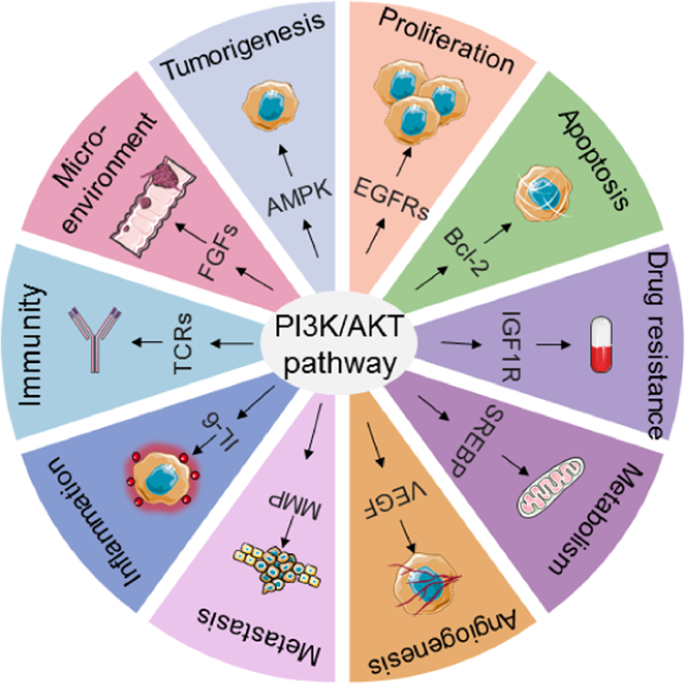
IGF-1 binds to its receptor (IGF-1R), activating the PI3K/Akt signaling pathway.
Akt promotes neuron survival by inhibiting apoptosis (cell death) and stimulating neurogenesis and synaptic plasticity. [4]
Clearing amyloid-β plaques – It prevents toxic proteins from accumulating in the brain.
IGF-1 boosts microglial and astrocyte activity, enhancing their ability to clear amyloid-β through phagocytosis. [4]
Regulating tau proteins – Keeping tau from forming deadly tangles inside neurons.
IGF-1 activates Akt, which inhibits GSK-3β (Glycogen Synthase Kinase-3β), a key enzyme that phosphorylates tau.
By reducing tau phosphorylation, IGF-1 prevents the formation of neurofibrillary tangles that disrupt neuron function. [4]
Figure 3. This figure demonstrates how decrease of IGF-1 levels contribute to AD.
In Alzheimer’s, IGF-1 levels decline, and the brain loses this protective mechanism. Without enough IGF-1, toxic proteins build up, neurons die, and the disease progresses faster. [5]
Can You Prevent Alzheimer’s? Here’s What Science Says
The good news? You CAN take steps to protect your brain. While there’s no guaranteed cure for Alzheimer’s, research strongly suggests that lifestyle changes can significantly lower your risk.
1. Healthy eating
Diets rich in healthy fats, lean proteins, and fiber can help reduce insulin resistance. The Mediterranean diet, full of fish, olive oil, nuts, and leafy greens, is linked to a lower risk of Alzheimer’s.
Figure 4. A Mediterranean diet with fish, olive oil, nuts, and greens reduces insulin resistance, supports weight management, and lowers Alzheimer’s risk.
2. Stay Physically Active
Exercise boosts insulin sensitivity, increases blood flow to the brain, and reduces inflammation. Aim for at least 30 minutes of movement a day—whether it’s walking, dancing, or yoga.
Figure 5. Walking, dancing, or yoga boosts insulin sensitivity, improves brain blood flow, and reduces inflammation.
3. Keep Your Blood Sugar in Check
High blood sugar contributes to insulin resistance and Alzheimer’s progression. Avoid processed sugars, refined carbs, and sugary drinks to keep your glucose levels stable. [4]
4. Engage Your Brain
Keeping your mind active is just as important as exercising your body! Try:
Reading books
Learning a new skill
Solving puzzles
Engaging in social activities
5. Sleep Like Your Brain Depends on It (Because It Does!)
During deep sleep, the brain clears out toxins, including amyloid-β plaques. Adults should aim for 7–9 hours of quality sleep per night.
Treatment Approaches:
While there’s no cure yet, scientists are exploring treatments targeting insulin resistance in the brain:
Intranasal Insulin Therapy – Delivers insulin directly to the brain to enhance cognitive function.[6]
Anti-Diabetic Drugs – Medications like Metformin and Pioglitazone show promise in reducing Alzheimer’s risk.
IGF-1 Therapy – Boosting IGF-1 levels may help clear toxic proteins and protect neurons.
GSK-3β Inhibitors – These drugs prevent tau tangles, slowing down neurodegeneration.
Footnotes
[1] Kumar, V., Kim, S. H., & Bishayee, K. (2022). Dysfunctional Glucose Metabolism in Alzheimer’s Disease Onset and Potential Pharmacological Interventions. International journal of molecular sciences, 23(17), 9540. https://doi.org/10.3390/ijms23179540
[2] de la Monte, S. M., & Wands, J. R. (2008). Alzheimer’s disease is type 3 diabetes-evidence reviewed. Journal of diabetes science and technology, 2(6), 1101–1113. https://doi.org/10.1177/193229680800200619
[3],[5] Sędzikowska, A., & Szablewski, L. (2021). Insulin and Insulin Resistance in Alzheimer’s Disease. International journal of molecular sciences, 22(18), 9987. https://doi.org/10.3390/ijms22189987
[4] Al-Samerria, S., & Radovick, S. (2021). The Role of Insulin-like Growth Factor-1 (IGF-1) in the Control of Neuroendocrine Regulation of Growth. Cells, 10(10), 2664. https://doi.org/10.3390/cells10102664
[6] Hallschmid M. (2021). Intranasal Insulin for Alzheimer’s Disease. CNS drugs, 35(1), 21–37. https://doi.org/10.1007/s40263-020-00781-x
Athletes push their bodies to the limit, and injuries are an inevitable part of the game. Concussions have become a major concern in contact sports due to their long-term effects on brain health. The search for better treatments is more urgent than ever. Could cannabis be the unexpected game-changer in sports medicine?
Understanding the Science
The endocannabinoid system (ECS) plays a crucial role in brain function, regulating pain, inflammation, and recovery after injury. It primarily functions through two naturally occurring ligands, 2-arachidonoylglycerol (2-AG) and anandamide (AEA).1 While these endocannabinoids are produced by the body, other compounds such as Δ9-THC from cannabis an also interact with the ECS.
A key feature of the ECS is its retrograde signaling. This means that ligands travel backwards from the postsynaptic neuron to the presynaptic neuron to help regulate neurotransmitter release. The system relies on two main receptors, CB1 and CB2, which both are G protein-coupled receptors (GPCRs).1
CB1 receptors are found in high concentrations in the brain and help regulate neurotransmitter release, pain perception, and neuroprotection.
CB2 receptors are primarily located in immune cells and play a role in inflammation and immune response.
When endocannabinoids or other cannabinoids bind to these receptors, they trigger a cascade of intracellular events. For example, CB1 receptor activation can lead to a decrease in cAMP accumulation which can inhibit certain signaling pathways. Another example includes how it can block calcium channels while promoting potassium efflux which will ultimately reduce neurotransmitter release and dampen excessive neural activity. Figure 1 can help give a visual representation of some of effects of the ECS.1
Figure 1. Basic overview of some of the pathways affected through the ECS.
The Ongoing Debate
But the science is still unclear. While early research suggests that cannabinoids may help reduce brain inflammation, protect neurons, and ease concussion symptoms, most findings come from animal studies or small-scale trials.2 There is no concrete evidence that cannabis speeds up brain healing rather than just masking symptoms like pain and headaches.
Sports leagues remain divided on cannabis use. While the UFC and MLB have loosened restrictions, organizations like the NFL and Olympic committees still enforce strict regulations.3 Without true patient centered clinical trials is cannabis a legitimate treatment or just another unproven trend?
Recently, athletes have started to share their personal experiences with cannabis use. Former Seattle Seahawks running back Marshawn Lynch recently appeared on a podcast hosted by Shannon Sharpe, where he shared his experiences and discussed the benefits of cannabis use for NFL players. Here is a link to a small clip from the podcast: Link.
The Path Forward
Researchers are working to bridge the gap between promising early findings and real-world applications. Studies suggest cannabinoids interact with the ECS to reduce inflammation, regulate neurotransmitters, and promote cell survival.1 Some evidence indicates that CBD and THC may help reduce brain swelling, protect neurons, and ease post-concussion symptoms.2
However, more rigorous trials are needed to determine safe and effective dosages and their interactions with existing treatments for traumatic brain injuries (TBI). Sports regulations also raise important questions about how cannabis should be integrated into medical care.
Beyond Sports: A Bigger Conversation
This conversation goes beyond athletes. Millions of people suffer concussions each year, from youth sports to military personnel to everyday accidents. If cannabinoids prove effective, they could revolutionize how we treat brain injuries across all levels of society.
But some critical questions remain: Are we on the verge of a medical breakthrough, or is the hype moving faster than the science?
Final Thoughts
The potential for cannabis in concussion recovery is exciting, but the science isn’t settled yet. While early findings suggest benefits, more research is needed to fully understand the risks and rewards. As discussions on cannabis in sports continue, athletes, doctors, and policymakers must prioritize science over speculation.
References
(1) Kendall, D. A.; Yudowski, G. A. Cannabinoid Receptors in the Central Nervous System: Their Signaling and Roles in Disease. Front Cell Neurosci 2017, 10. https://doi.org/10.3389/fncel.2016.00294.
(2) Hergert, D. C.; Robertson-Benta, C.; Sicard, V.; Schwotzer, D.; Hutchison, K.; Covey, D. P.; Quinn, D. K.; Sadek, J. R.; McDonald, J.; Mayer, A. R. Use of Medical Cannabis to Treat Traumatic Brain Injury. Journal of Neurotrauma. Mary Ann Liebert Inc. July 15, 2021, pp 1904–1917. https://doi.org/10.1089/neu.2020.7148.
(3) Docter, S.; Khan, M.; Gohal, C.; Ravi, B.; Bhandari, M.; Gandhi, R.; Leroux, T. Cannabis Use and Sport: A Systematic Review. Sports Health. SAGE Publications Inc. March 1, 2020, pp 189–199. https://doi.org/10.1177/1941738120901670.
The endocannabinoid system (ECS) is a key modulatory signaling pathway [1]. Which, I’ve heard, is a very common phrase in the scientific community, and is simply a fancy way of saying it does a whole lot of stuff. So what exactly does it modulate, and what does that mean?
The ECS is made up of two major receptors, called CB1 and CB2. CB1 receptors are found primarily in the central nervous system, and CB2 receptors are found in the immune system.
Activation of ECS receptors [1]These receptors are actually found on the presynaptic cell (normally receptors are found on the postsynaptic cell), making them a part of retrograde signalling [1].
The ligands of this system are endogenous cannabinoids, which are produced on demand. An increase of intracellular calcium triggers arachidonoyl ethanolamide (AEA) and 2-arachidonoylglycerol (2-AG) to be synthesized from the phospholipid bilayer [1].
Starting at the phospholipid bilayer, the enzymes NAPE and PLD are used to make AEA. The enzyme FAAH is used to degrade AEA into AA.
From the phospholipid bilayer, the enzyme PLC is used to make DAG, then the enzyme DAGL is used to make 2-AG. The enzyme MAGL is used to degrade 2-AG into AA.
Once synthesized, these eCB bind to CB1 and CB2 (GPCR receptors), and inhibit adenylyl cyclase. This decreases levels of cyclic-AMP, inhibits calcium channels, and inhibits neurotransmitter release. Overall, when the receptors are activated, they decrease signaling in other pathways [1].
Roles
As we said earlier, the ECS modulates a whole bunch of stuff. Another way of saying that, is the ECS regulates a lot of cellular processes. This means it has a lot of roles, and can change cellular communication and processes in relation to them all. These are some of the processes the ECS modulates:
Endocannabinoids, such as THC, are often used to treat central nervous system diseases including multiple sclerosis, Huntington’s disease, Alzheimer’s disease, epilepsy, anxiety, and depression. THC can be helpful with reducing pain and inflammation, regulating mood, and providing a neuroprotective role against neurodegeneration [1]. However, the ECS is an incredibly complicated system, and long term use of THC does have potential side effects and risks. This can include:
Apathy and passivity, as well as a decrease in motivation and goal-oriented behaviors. This may be due to altered neurocognitive functioning and reward salience [2].
Alterations in learning and memory, and disruptions of long-term potentiation. This is due to changes in glutamatergic neurotransmission signaling [3].
Excitotoxicity due to increased glutamate receptor expression [3].
Neurodegeneration due to too much calcium [3].
Inflammatory cytokine production and inflammationDesensitization [4].due to activation of microglia and astrocytes [3].
Downregulation, receptors permanently being removed, and desensitization, the uncoupling of the G-protein from the receptor. These processes are related to tolerance [4].
Research and Regulations
The gist of it is we do not know enough about the ECS and endocannabinoids work. We need more research in order to be prepared with a more complete explanation of risks and benefits. However, marijuana (the cannabis plant that contains more than 60 active synthetic ligands for CB1 and CB2, including THC), is a schedule 1 drug. This classification is defined with “no currently accepted medical use and a high potential for abuse” despite proven therapeutic benefits [5]. This means in order to study cannabis, there are a lot of regulations and paperwork involved, restricting the amount of research that can be done [6].
With this lack of understanding of the risks, there needs to be more regulations on marijuana. Regulations, not criminalization. For example, making sure kids and their developing brains don’t have access without a medical prescription. Or regulating the marketing and packaging, so colorful bags of gummy bears don’t catch the eyes of an eight year old, who then ends up ingesting 100mg of THC.
People need to be able to make informed decisions, taking into consideration the short-term and long-term impacts on their health. The scientific community needs to be able to do more research, then communicate the results to the public in a way that educates them, but doesn’t tell them what to do. People who rely on endocannabinoids for their medical purposes have a right to understand all the benefits as well as risks. And the general public has the right to be informed to aid in their decision making as well.
References
[1] Kendall, D. A., & Yudowski, G. A. (2017). Cannabinoid receptors in the central nervous system: Their signaling and roles in disease. Frontiers in Cellular Neuroscience, 10. https://doi.org/10.3389/fncel.2016.00294
[2] Rovai, L., Maremmani, A. G. I., Pacini, M., Pani, P. P., Rugani, F., Lamanna, F., Schiavi, E., Mautone, S., Dell’Osso, L., & Maremmani, I. (2013). Negative dimension in psychiatry. Amotivational syndrome as a paradigm of negative symptoms in substance abuse. Rivista Di Psichiatria, 48(1), 1–9. https://doi.org/10.1708/1228.13610
[3] Chowdhury, K. U., Holden, M. E., Wiley, M. T., Suppiramaniam, V., & Reed, M. N. (2024). Effects of Cannabis on Glutamatergic Neurotransmission: The Interplay between Cannabinoids and Glutamate. Cells, 13(13), 1130. https://doi.org/10.3390/cells13131130
[4] Piscura, M. K., Henderson-Redmond, A. N., Barnes, R. C., Mitra, S., Guindon, J., & Morgan, D. J. (2023). Mechanisms of cannabinoid tolerance. Biochemical Pharmacology, 214, 115665. https://doi.org/10.1016/j.bcp.2023.115665
[5] U.S. Department of Justice. (n.d.). Drug scheduling. United States Drug Enforcement Administration. https://www.dea.gov/drug-information/drug-scheduling
[6] Medications: Research on schedule I drugs. National Alliance on Mental Illness. (2024, July 23). https://www.nami.org/advocacy/policy-priorities/improving-health/medications-research-on-schedule-i-drugs/#:~:text=Federal%20law%20prohibits%20the%20manufacture,studying%20any%20Schedule%20I%20drugs.
Have you ever smoked weed? If you haven’t, recent research has shown that you may want to consider it, as it may have neuroprotective roles on our body’s neurons.
The Endocannabinoid System (ECS)
The system in the brain that cannabis targets is the endocannabinoid system (ECS). Delta-9-tetrahydrocannabinol, better known as delta-9-THC, is the main ligand, out of around 60 ligands, within marijuana that binds to the ECS’s two receptors: cannabinoid receptor 1 (CB1) and cannabinoid receptor 2 (CB2). CB1 receptors are concentrated with the brain and spinal cord, while CB2 receptors are more localized in the peripheral nervous system and more directly associated with regulating microglia and inflammation.1
CB1 receptors are G-protein coupled receptors (GPCRs) localized on pre-synaptic membranes of neurons that are activated in the absence of agonists like delta-9-THC. The binding of such agonists to CB1 receptors inhibits Ca2+ outflow from the presynaptic neuron while triggering a temporary increase of intracellular Ca2+ in the post-synaptic neuron. This triggers enzymes NAPE-PLD and DAGL to make arachidonylethanolamine (AEA) and 2-arachidononylglycerol (2-AG), respectively. AEA and 2-AG are the main endocannabinoids that bind to the CB1 receptors, further inhibiting the outflow of calcium and potassium, neurotransmitters release, and production of cAMP by inhibiting adenylyl cyclase. 1 This cycle can be seen in the upper portion of Figure 1.
Figure 1. This shows the pathway that occurs after a ligand, such as delta-9-THC, binds to a CB1 receptor. 1
The lower portion of Figure 1 shows how a protein called B-arrestin is involved in the internalization of CB receptors, which may occur after prolonged exposure to CB1 receptor agonists. The binding of B-arrestins uncouples the G-proteins of the CB1 receptor and stimulates internalization, leading to a tolerance to endocannabinoids.1 For more information on the pathways of the ECS, click here.
And that tolerance may be what you think of when you think of people becoming addicted to smoking weed. But what positive effects can occur when you consume cannabis or delta-9-THC?
How Endocannabinoids Are Protective
Well, the endocannabinoid lipid molecules similar to AEA, such as palmitoylethanolamide (PEA) and N-oleoylethanolamide (SEA), have been shown to anti-inflammatory and neuroprotective actions. PEA and SEA do this by inhibiting fatty acid amid hydrolase (FAAH) and monoacylglycerol (MAGL), the enzymes that degrade AEA and 2-AG, respectively. With increased levels of AEA and 2-AG, neurodegeneration is prevented. Considering a mouse study where mice were treated with SEA, 2-AG levels were increased before an increase of CB receptor expression, confirming that SEA interferes with the ECS system.2
But what makes the increase of 2-AG and AEA neuroprotective? One role to consider is that of microglia, which play a large role in neuroprotection. Microglia have CB2 receptors on them, and chronic activation is generally considered detrimental for neuronal health. Since 2-AG and AEA are inverse agonists of the ECS in microglia, they inhibit their activation, decreasing prolonged microglial immunoreactivity, therefore protecting neurons from being unnecessarily degraded. 2 For more information regarding what PEA and SEA do, look at Figure 2 or click here.
Figure 2: This illustrated the neuroprotective effects that AEA, PEA, and SEA have on neurons. 1
Aside from microglia, astrocytes also play a large role in neuroprotection. Similar to microglia, astroglial CB1 and CB2 receptors play critical roles in inflammatory responses, with activation of these receptors protecting neurons against oxidative stress, apoptosis, and nitric oxide. 2
Endocannabinoids & Neurodegenerative Diseases
Looking at neurodegenerative diseases, is has been shown that CB2 receptors and FAAH are overexpressed during Alzheimer’s disease, leading to neurotic plaque buildup in astrocytes and microglia. Administration of MAGL and FAAH inhibitors led had anti-inflammatory effect on these glial cells, reducing amyloid-beta deposition. The ECS system has also been shown to have positive effects on dopaminergic neurons in Parkinson’s disease and neuronal regeneration in multiple sclerosis. Therefore, the ECS, cannabis, and delta-9-THC have the potential to treat neurogenerative disease and stimulate neuroprotection within the brain. 2 For more information on that, click here.
Conclusion
In conclusion, microglia and astrocytes are coupled to functions related to inflammatory production, pro-survival changes, resolution of neuroinflammation, and protection from toxic metabolites. The contribution of eCB signaling is relevant to protection of neurons, and further research should be done to determine whether the use of medical marijuana can effectively target neurodegenerative diseases without significant negative side effects. If that research is promising, it may suggest that cannabis be used as a preventative treatment for such diseases, promoting its use by the general population.
Footnotes
1Kendall, D., Yudowski, G. “Cannabinoid Receptors in the Central Nervous System: Their Signaling and Roles in Disease.” Frontiers in Cellular Neuroscience, vol. 10, no. 294, 2017, pp. 1-10, doi: 10.3389/fncel.2016.00294.
2Kasatkina, L.A., et. al. “Neuroprotective and Immunomodulatory Action of the Endocannabinoid System under Neuroinflammation.” International Journal of Molecular Sciences, vol. 22, 2021, pp. 1-35, https://doi.org/10.3390/ijms22115431.
The article “Insulin Signaling Pathway and Related Molecules: Role in Neurodegeneration and Alzheimer’s Disease” explores how insulin dysfunction contributes to the development of neurodegenerative disorders, particularly Alzheimer’s Disease (AD). It highlights key pathways, including insulin resistance, neuroinflammation, and oxidative stress, and their roles in neuronal damage.
Neurodegenerative illnesses, particularly Alzheimer’s disease (AD), are an increasing public health concern, affecting millions of people worldwide. Understanding and addressing the molecular pathways that cause neuronal damage is critical for reducing these disorders. One such crucial mechanism is the Nrf2 (Nuclear Factor Erythroid 2-Related Factor 2) signaling system, which is the primary regulator of the body’s antioxidant response. According to emerging research, Nrf2 has an important role in countering oxidative stress and insulin resistance, both of which contribute to neurodegeneration and cognitive decline. Scientists hope that by unleashing Nrf2’s therapeutic potential, they will be able to develop therapies that will reduce or prevent diseases like Alzheimer’s.
Nrf2 is a transcription factor that controls the production of numerous antioxidant and detoxification enzymes, thereby protecting cells from oxidative damage. Under normal physiological settings, Keap1 (Kelch-like ECH-associated protein 1) inhibits Nrf2, allowing it to degrade. However, when exposed to oxidative stress, Nrf2 is produced, translocates to the nucleus, and activates protective genes . According to research, dysregulated Nrf2 signaling leads to Alzheimer’s disease progression by aggravating oxidative stress and increasing insulin resistance. Studies have indicated that a drop in Nrf2 activity is connected with increased oxidative damage in neurons, resulting in protein misfolding, neuroinflammation, and eventually neuronal death . Furthermore, Nrf2 has been shown to interact with insulin signaling pathways. Inhibiting Nrf2 decreases the phosphorylation of Akt, which is a crucial regulator of glucose metabolism and neuronal survival. This disruption adds to insulin resistance, which is not just a hallmark of diabetes but also connected to cognitive decline and Alzheimer’s disease progression.
How Do We Activate Nrf2 for Brain Health?
Given its protective effect, therapeutic stimulation of Nrf2 is a promising therapy for neurodegenerative disorders. Several approaches include:
Pharmacological activation: Certain substances, including as sulforaphane (found in broccoli), curcumin (from turmeric), and synthetic Nrf2 activators, can boost Nrf2 signalling and enhance antioxidant defenses.
Inhibiting GSK-3β may boost Nrf2 activation, making it a possible therapeutic target for Alzheimer’s disease.
Insulin signaling pathway
Insulin signaling pathway and the role of its molecules in neurodegeneration and AD has been described in the following paragraphs Fig. 1 .
Fi.1. Role of insulin and its binding to receptor, role of various molecules in the insulin signaling pathway and subsequent role in neurodegeneration and Alzheimer’s disease.
Nrf2 and Insulin Signaling
Nuclear factor erythroid-2-related factor 2 (Nrf2) is a basic leucine protein that regulates antioxidant protein expression. Cells express it ubiquitously and constitutively. Under normal physiological settings, it is constantly destroyed by the ubiquitin proteasome system, and low Nrf2 levels result in basal expression of its target genes. The E3 ligase adaptor Kelch-like ECH-associated protein 1 (KEAP 1) regulates Nrf2 stability
Nrf2 is a novel and very promising target in many neurodegenerative diseases including AD. Neurodegeneration involving oxidative stress and insulin resistance can be alleviated by targeting the Nrf2 pathway. Inhibitors of GSK3 can activate Nrf2 signaling as they are likely to blunt βTrcP-mediated degradation and impede nuclear exclusion of Nrf2. The same applies to compounds activating MAPK (ERK, JNK, and p38) signaling( Zhang et al., 2014) (Fig. 2).
Fig. 2. Involvement of Nrf2 in oxidative stress and insulin resistance through keap1, GLUT4, PI3K/Akt.
With an aging global population, the burden of neurological illnesses is likely to increase. Targeting the Nrf2 pathway could lead to significant advances in neuroprotection and disease prevention. By deepening our understanding of this system, we can pave the road for novel treatments that may one day slow or even reverse cognitive decline. Incorporating Nrf2-boosting techniques, such as dietary changes and exercise, could be a proactive approach to brain health. Furthermore, ongoing investment in research and clinical trials is critical for converting these results into viable medicines.
In a nutshell, malfunction and anomalies in the insulin signaling system and related components may contribute to the neurodegenerative process that characterizes Alzheimer’s disease. Several studies found that manipulation of components downstream in the insulin signaling cascade enhanced insulin sensitivity. It can also be concluded that there is a substantial relationship between neuroinflammation and insulin resistance. Diabetes mellitus and Alzheimer’s disease share characteristics such as insulin resistance and inflammation. Furthermore, insulin resistance has been linked to other neurodegenerative disorders such as Parkinson’s and Huntington’s disease.
As a result, from a therapeutic standpoint, improving the insulin signaling system by modulating its components can slow neurodegeneration and alleviate illness symptoms.
References
Akhtar, A., & Sah, S.P. (2020). “Insulin signaling pathway and related molecules: Role in neurodegeneration and Alzheimer’s disease.” Neurochemistry International. DOI: 10.1016/j.neuint.2020.104707.
Morrison, C.D., et al. (2010). “High-fat diet increases hippocampal oxidative stress and cognitive impairment in aged mice: implications for decreased Nrf2 signaling.” Journal of Neurochemistry. DOI: 10.1111/j.1471-4159.2010.06609.x.
Suzuki, T., & Yamamoto, M. (2015). “Molecular basis of the Keap1-Nrf2 system.” Free Radical Biology and Medicine. DOI: 10.1016/j.freeradbiomed.2014.12.017
Park, J.G., et al. (2016). “Indirect activation of Nrf2 by AMPK and PI3K/Akt signaling pathways.” Antioxidants & Redox Signaling. DOI: 10.1089/ars.2016.6778
Alzheimer’s disease and Polycystic Ovarian Syndrome (PCOS) are two seemingly unrelated conditions that disproportionately affect women. Alzheimer’s, a devastating neurodegenerative disease causing symptoms such as memory loss and cognitive decline, is the leading cause of dementia and affects over twice as many women as men[1]. PCOS, on the other hand, is a common hormonal disorder that impacts 1 in 10 women of reproductive age, causing symptoms like irregular periods, weight gain, and fertility issues[2]. While these conditions appear distinct, emerging research suggests they may be linked by a shared underlying mechanism: metabolic dysfunction.
What is “Type III Diabetes”?
The term “Type III Diabetes” describes the link between insulin resistance in the brain and Alzheimer’s disease. The 2020 review “Insulin signaling pathway and related molecules: Role in neurodegeneration and Alzheimer’s Disease” highlights how impaired insulin signaling in the brain contributes to the accumulation of amyloid plaques and tau tangles, leading to Alzheimer’s disease progression[3].
Insulin resistance is also a key feature of PCOS. Women with PCOS often struggle with metabolic issues, including difficulty regulating blood sugar, weight gain, and a highly increased risk of Type II Diabetes[4]. This overlap raises an important question: Could the metabolic dysfunction seen in PCOS increase the risk of Alzheimer’s disease in women?
Understanding PCOS
PCOS is a complex hormonal disorder that affects the ovaries and the body’s ability to regulate androgens. Common symptoms include irregular menstrual cycles, excess hair growth, acne, and ovarian cysts. PCOS also impacts metabolism, inflammation, and even brain health.
One of the noted features of PCOS is insulin resistance. Additionally, women with PCOS often have imbalances in estrogen and progesterone, hormones that play a protective role in brain health[4]. These hormonal and metabolic irregularities may potentially lead to the pathogenesis of neurodegenerative diseases like Alzheimer’s.
The Overlapping Science
The connection between Alzheimer’s and PCOS lies in their shared biological and pathological mechanisms. Both conditions are characterized by insulin resistance, chronic inflammation, and hormonal imbalances, all of which can negatively impact brain health.
Insulin Resistance: When the body becomes resistant to insulin, it struggles to regulate blood sugar levels, leading to elevated insulin and glucose in the bloodstream. Insulin resistance is associated with increased production and reduced clearance of amyloid-beta plaques. Insulin-degrading enzyme helps to clear these plaques but is less effective when a person is insulin-resistant. Amyloid-beta plaques also bind to insulin receptors, thus further exacerbating insulin resistance. Insulin resistance can activate kinases that hyperphosphorylate tau proteins, causing them to form neurofibrillary tangles. These plaques and tangles are hallmarks of Alzheimer’s and cause cell death in the brain[3].
The mechanism of insulin resistance and other symptoms in PCOS [4].
The relationship between PCOS and insulin resistance is complex and bidirectional, meaning they can influence each other in a cyclical manner. It’s not entirely clear which comes first, as both conditions are intertwined and can exacerbate one another. Elevated insulin levels directly affect the ovaries by producing more androgens and reducing the liver’s production of sex hormone-binding globulin, increasing the levels of free androgens in the bloodstream. Insulin resistance can also disrupt the hypothalamic-pituitary-ovarian axis, leading to hormonal imbalances that further exacerbate PCOS symptoms. In turn, hyperandrogenism from PCOS alters fat distribution and impairs glucose metabolism, causing insulin resistance[4].
Inflammation: Chronic, systemic inflammation is a key feature of both conditions, likely exacerbated by insulin resistance. In PCOS, inflammation is driven by metabolic dysfunction and elevated androgens. Studies have found increased levels of inflammatory markers, such as cytokines and c-reactive proteins, in women with PCOS[4], [5].
Neuroinflammatory pathway in Alzheimer’s disease [6].
In Alzheimer’s, inflammation in the brain exacerbates neurodegeneration. As mentioned earlier, tau and amyloid-beta aggregation are hallmarks of Alzheimer’s. The presence of tau and amyloid-beta activates glial cells, which act as support and immune cells in the brain. These glial cells become chronically activated, which triggers the release of pro-inflammatory cytokines and reactive oxygen species[3]. The elevated levels of inflammatory markers in both PCOS and Alzheimer’s may suggest a shared inflammatory pathway.
Hormonal Imbalances: Estrogen, a hormone often imbalanced in PCOS, plays a protective role in brain health. It helps regulate glucose metabolism, reduces inflammation, and supports the growth and survival of neurons. Women with PCOS may experience fluctuations in estrogen levels, which could increase their vulnerability to Alzheimer’s, especially after menopause when estrogen levels decline[2].
Is PCOS a Risk Factor for Alzheimer’s?
While the exact relationship between PCOS and Alzheimer’s is currently being studied, there is growing evidence to suggest that women with PCOS may be at higher risk for cognitive decline later in life. A recent study found that women with PCOS performed worse on memory and cognitive tests compared to women without the condition, likely due to the increase in androgens[7]. Additionally, the metabolic and hormonal disruptions seen in PCOS (such as insulin resistance, inflammation, and hormone imbalance) are all known risk factors for Alzheimer’s[3]. While these studies begin to illustrate the relationship, future research should focus on the directionality of the links between insulin resistance, PCOS, and Alzheimer’s.
The connection between Alzheimer’s disease and Polycystic Ovarian Syndrome highlights the complex interplay between metabolism, hormones, and brain health. By understanding the shared mechanisms underlying these conditions (particularly insulin resistance and inflammation) we can develop more effective strategies for prevention and treatment. For example, metformin, a commonly used drug used to treat insulin resistance in women with PCOS, is being explored as a potential treatment for Alzheimer’s[3]. As research continues to uncover the links between PCOS and Alzheimer’s, it’s clear that addressing metabolic health is not just a matter of managing symptoms but a critical step in protecting women’s long-term brain health. “Type III Diabetes” serves as a powerful reminder that the health of the body and the brain are deeply interconnected and that women’s health deserves greater attention, investment, and education.
References
[1] M. M. Mielke, “Sex and Gender Differences in Alzheimer’s Disease Dementia,” Psychiatr. Times, vol. 35, no. 11, pp. 14–17, Nov. 2018.
[2] R. Deswal, V. Narwal, A. Dang, and C. S. Pundir, “The Prevalence of Polycystic Ovary Syndrome: A Brief Systematic Review,” J. Hum. Reprod. Sci., vol. 13, no. 4, pp. 261–271, 2020, doi: 10.4103/jhrs.JHRS_95_18.
[3] A. Akhtar and S. P. Sah, “Insulin signaling pathway and related molecules: Role in neurodegeneration and Alzheimer’s disease,” Neurochem. Int., vol. 135, p. 104707, May 2020, doi: 10.1016/j.neuint.2020.104707.
[4] A. Purwar and S. Nagpure, “Insulin Resistance in Polycystic Ovarian Syndrome,” Cureus, vol. 14, no. 10, p. e30351, doi: 10.7759/cureus.30351.
[5] S. Aboeldalyl, C. James, E. Seyam, E. M. Ibrahim, H. E.-D. Shawki, and S. Amer, “The Role of Chronic Inflammation in Polycystic Ovarian Syndrome—A Systematic Review and Meta-Analysis,” Int. J. Mol. Sci., vol. 22, no. 5, p. 2734, Mar. 2021, doi: 10.3390/ijms22052734.
[6] M. A. Rather et al., “Inflammation and Alzheimer’s Disease: Mechanisms and Therapeutic Implications by Natural Products,” Mediators Inflamm., vol. 2021, no. 1, p. 9982954, 2021, doi: 10.1155/2021/9982954.
[7] M. Perović, K. Wugalter, and G. Einstein, “Review of the effects of polycystic ovary syndrome on Cognition: Looking beyond the androgen hypothesis,” Front. Neuroendocrinol., vol. 67, p. 101038, Oct. 2022, doi: 10.1016/j.yfrne.2022.101038.