What is Autism?
Autism is a neurodevelopmental disorder characterized by impaired social interaction, verbal and non-verbal communication, and restricted and repetitive behavior. Parents usually notice signs in the first two years of their child’s life.
The causes of autism are attributed to genetics and environmental cues, but the exact causes are being investigated by researchers right now. Because autism is a spectrum disorder with many varying degrees of severity, there might be a slightly different cause for each person.
One symptom found in almost all cases of autism spectrum disorder is too many synapses in the brain.
Synaptic Pruning and Autism
During childhood and adolescence, the brain needs to prune many synapses so other areas of the brain can develop more specific functions and not be overloaded with stimuli.
Biologically, in autistic patients there is an oversupply of synapses in some parts of the brain. This means that there is something happening in their brains that is not allowing them to prune the neurons.
The increase in synapses can explain common symptoms like oversensitivity to noise and social experiences in addition to the epileptic seizures as there are more electrical signals being transmitted in the brain.
SIDENOTE: This biological problem seen in autistic patients is caused by interactions between their genes and the environment, NOT vaccines.

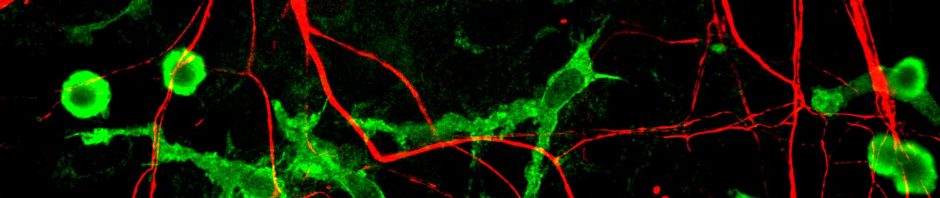
Some research studies have now shown the increase in dendritic spines in autistic adults in comparison to a normal adult brain.
They have found that in people with autism, their brains have a dysfunction in how they get rid of those extra synapses. Researchers have shown this in pictures looking at autophagy markers. Autophagy is a term for the process of getting rid of the extra synapses or unused cells in the brain.
Future medicinal options
Researchers have made rats that have autism to study different potential drugs for the disorder. One drug they looked at, rapamycin, was able to prune the brain of these extra synapses in the adult autistic rats. This drug would be too harsh to use on humans though.
These results give researchers hope that finding a drug that could help the pruning process in humans could make those with autism have less severe symptoms.
How Stress Can Lead to Obesity
We’ve all heard that stress can lead to weight gain, but how does it really do that?
Chronic stress causes many harmful cycles that can lead to this excess weight and here are the top four ways this happens:
1 – Hormones:

When our brain feels threatened whether it is from a bull running at us or studying for an exam, our body releases adrenaline, CRH, and cortisol. In the short term, this makes us less hungry and feel alert and ready to “fight” or run away, “flight.”
Unfortunately, once the adrenaline wears off, cortisol stays in the body and signals us to replenish our food supply that we burned up in the fight or flight response.
Cortisol does this by controlling blood pressure, insulin release, and carbohydrate or fat metabolism. Since we are not running away from a bull and we are sitting at our desks working on homework, the eat more signal is NOT working in our favor.
The stress is also causing decreased blood sugar and fatigue, leading to more food. Moreover, our bodies are designed to store visceral fat deep in our bellies to use in times of need. It is difficult to get rid of and it releases cytokines that trigger inflammation. The chemicals released from these fat stores are linked to the development of heart disease and diabetes.
2 – Anxiety:

The adrenaline makes us alert and wired up, but it is also shown to trigger emotional eating.
The American Psychological Association conducted a survey that found that 40% of Americans deal with stress by eating. Many of the respondents also reported that they like to watch TV or do other inactive activities to destress.
Memories from childhood can also lead people to associate sweet foods with comfort. Eating for comfort and not being active lead to weight gain – and the cycle continues.
3 – Fast Food and Cravings:

Chronically stressed individuals report craving comfort foods that are easy to get, high in fat, sugar, and salt.
This concoction of food causes chemical changes in our brains that rewire the body (and stomach bacteria) to crave more of the unhealthy food. Cortisol plays into this role as well as the rewired reward system in the brain.
Stressed people are more likely to eat unhealthy food with easy access rather than use energy to plan and cook a healthy meal after a long day at work.
4 – Less Sleep:

With long days at class and then at work coupled with the hours of homework after, there is little room left for sleep.
Research also shows that chronic stress is a leading cause of insomnia or trouble sleeping.
Less sleep = more stress = less sleep.
With less sleep, people compensate with coffee or caffeine pills which further disrupts sleep. Lack of sleep disrupts ghrelin and leptin levels which control appetite.
In studies on weight loss – even with a fixed calorie diet, those with more sleep lost more weight.
How do we fix this?
Overall, our bodies just aren’t made to live under the chronic stress that is our everyday lives. This is why exercise and other stress relieving activities are so important to add to our schedule.
Those activities as well as sleep should be moved up into our priority list as a society if we want to see massive weight loss and healthier people.
The Role of Nitric Oxide in Alzheimer's Disease
To be honest, I did not know much about Nitric Oxide (NO) before reading the scientific paper on the topic for our neurochemistry class. All I could have told someone is that it is important for vasodilation and that body builders take it as a workout supplement to get more blood pumping (supposedly to help them build muscles faster).
This week though, I got to make some pretty cool connections between this toxic NO buildup from microglial cells and Alzheimer’s disease. I’ll go over some basics and then reveal the connections.
The Basics
Alzheimer’s disease:

This is the most common form of dementia and is characterized by progressive mental deterioration as people age. One main issue in Alzheimer’s disease is the aggregation of amyloid plaques between nerve cells in the brain.
This makes it hard for the cells to communicate properly and puts them under a lot of stress.
Nitric Oxide:

In people and other animals, NO is an important cellular signaling molecule in the right amounts. It is a powerful vasodilator and keeps the blood vessels open and lowers the amount of plaque in them.
Too much however, can damage brain cells and help to increase inflammation in the brain. This is seen in many neurodegenerative diseases such as Parkinson’s disease, Huntington disease, ALS, and Alzheimer’s disease.
Microglia:
This type of cell makes up the brain’s immune response and accounts for 10-15% of the cells in the brain. They respond to neuronal damage and remove the damaged cells by phagocytosis.
When they are activated however, they cause an inflammatory response which can lead to a cascade of damaging events in the brain.
Putting It All Together
Through this paper we read on NO and inflammation, I found out that microglia actually MAKE amyloid precursor protein in response to injury from too much neuronal excitation. Remember that buildup of amyloid beta is what causes the plaques seen in Alzheimer’s disease.
When the amyloid precursor protein is abnormally cut, it makes the amyloid plaques.
This process stimulates inflammation, toxins, and nitric oxide production which damages and kills the brain cells even more.
The extra damaged cells make more microglia activate to get rid of the damaged cells – which creates more nitric oxide, more inflammation, and more amyloid beta plaques as seen in Alzheimer’s disease.
The image below is an overview on the never ending cycle I just described.

It’s terrifying to think that our own body’s reaction to cell damage can cause even more damage. Most of the time microglia are helpful and don’t harm other neurons, but when we age – this is a cascade that is happening to many adults when they get Alzheimer’s disease.
More research needs to be done and is being done on how to stop this process from starting in the first place.
A Promising Outlook to a Devastating Disease: Lewy Body Dementia
What is Lewy Body Dementia?
Lewy body dementia is characterized by abnormal protein deposits that aggregate in the brain. When Lewy body proteins aggregate, they cause issues that deplete the body of the neurotransmitter dopamine, which leads to the Parkinson’s disease like motor issues.
In Lewy body dementia however, these abnormal proteins travel to other areas of the brain including the cerebral cortex. This means that cognition is affected earlier in Lewy body dementia than in Parkinson’s disease because the Lewy bodies affect those areas of the brain sooner than the motor regions.
Also in Lewy body dementia, another neurotransmitter acetylcholine is depleted which causes the problems around perception, thinking, and behavior for these patients. Hallucinations and delusions are common early on in this disease.
Lewy bodies have been seen in Alzheimer’s disease and in later stages of Parkinson’s disease – leading to Parkinson’s disease dementia (PDD).
If motor symptoms occur before cognitive problems, they diagnose the dementia as PDD. If the cognitive symptoms occur first, then it is diagnosed as Lewy body dementia.
Additionally, later stages of both of these diseases can lead to the A-beta plaques and tau tangles seen in Alzheimer’s disease patients.
The Potential New Drug
A drug, nilotinib, which is used to treat leukemia, is being tested on patients with Lewy body dementia and Parkinson’s disease.
In high doses, the drug forces the cancer cells into autophagy and they go through apoptosis. In lower doses, the drug starts the process of autophagy for just long enough for the neurons to clear the toxic proteins out of their cells without causing cell death.
The drug would have to be taken daily, but each of the people in the trial saw cognitive and motor improvements and not just a slower progression of disease. One man actually started the trials in a wheelchair and was able to walk after the trial was over. The drug company donated a life time supply to the trial patients who wanted to continue using it.
The drug is going to go through the next stages of clinical trials in 2016 and was discussed at a large annual neuroscience convention in Chicago this year.
Capstone Experience: Bringing it All Together
ZOOOOOOM!
‘Woah! Did you see that?!’
‘I’m not really sure!’
‘Wait, what the hell are you talking about…?’
At this point in time, that is what my college experience feels like. At this point in time, that is what my… Um, well, this is embarrassing. What am I supposed to be talking about again?
*** outside voice, “Your Capstone experience.”…
Oh yeah that’s right! Well, if anything that further exemplifies one of my points. To start off, I will begin to illustrate some of my personal convictions as to where the required Capstone course fits into the core curriculum at Concordia College. One of the primary objectives at any liberal arts institution is to achieve a high quality education by incorporating all kinds of disciplines in their students. By imploring an entire “disciplinary spectrum” Concordia College arms its students with an education that allows them to critically analyze any obstacle whilst they continue on with the rest of their lives, and in turn, will become responsibly engaged in the world. As a senior, Concordia’s Capstone course submerses students in a course that captures a collaboration effort of all the views of critical thinking they have obtained in their first three years at the college.
In my case in particular, my Neurochemistry Capstone deviated away from a traditional scientific format. It encompassed an array of “hot topics” in the neurochemical world. Upon reading literature, engaging in discussions amongst my peers, and finally addressing what needs to be known about the topic to the public, the course offered a welcomed break from traditional lecture/testing chemistry coursework. Neurochemistry honed in my ability to converse about difficult issues amongst other academics, address a solution, and relay messages on to the public. Personally, this framework completely encompasses what a capstone course should be at Concordia College. Not all of us, in fact very few, students will go on to create a revolutionary drug, re-define the way business is conducted, create a revolutionary social movement, or whatever it may be that has a major impact on the world. Although, a well-purposed capstone course that captures the goal of a liberal arts education summarizes the diverse critical thinking goals of a liberal arts education and that is exactly what Neurochemistry did for myself.

All-in-all, my time at Concordia has flown by in an instant. It doesn’t seem very long ago when I thought I didn’t need to study for my first chemistry exam or I didn’t think I could get hungover or I was the greatest thing since sliced bread. I can only hope that I have grown up since them even with the appearance of such a minimal time gap. Even at this point in my education I am not exactly sure where I am gonna be in 10 years, and as I have grown here at Concordia, it seems as if there is some intention there. That fact may have worried me two years ago, but now it doesn’t seem near as threatening. My time at Concordia through the lens of my Capstone course seems promising, and that is all that I can hope for.
Neurochemistry: what I know for certain
I am going to come clean. I have no idea what is going on in the human brain. I know I have been shouting out into the black hole that is the internet about it for a few months now, but I have no clue.
Don’t get me wrong, I have learned so much over the course of this class. I know so much more about the brain than I did in August, but the human brain presents one of those systems that leaves me feeling like the more I learn the less I know.
As a chemist I like linear processes. For instance, A and B when placed together under the correct circumstances make C, is something I like. Mmm isn’t that nice? As long as the conditions are correct A and B should, in theory, always make C. I think as a society we really like this. If something seems like it should work it must be the correct path to take, that is why the middle east has just needed more American weapons to achieve peace over the last thirty years, sorry, my brain just really wanted to add that.
That is not how the human brain is, it’s just not. A and B don’t make C, hell A probably affects both B and C in ways we don’t understand, but we know it depends on D and leads to increased levels of Ψ which through pathway X somehow makes the levels of A different and somewhere along the line it causes us to want to sniff the undersides of stranger’s shoes.
This is how I feel about almost every topic we covered. Sure there are little victories, like aping out a pathway here, or understanding a downstream implication there, but for the most part it is confusion. We don’t understand how the brain works. We are just crudely groping around in the darkness hoping the next thing we grab gives us some astounding insight into a terrible disease.
This is how I honestly feel and if anyone tells you they know for certain something about how our brain works, they are lying to you. They might be able to describe a pattern or link together parts of an issue, but they can’t explain anything in complete detail beginning to end with all of the connections and implications related to whatever pathway they are talking about.
This isn’t to say researching the brain is futile, I mean the opposite. Better understanding of our own brains will have wide sweeping implications for health and I think spirituality of our entire species. We just aren’t there yet and I don’t think we should pretend we are. There is so much left to understand, so much left to explore. I am not going to pretend I know anything for certain. Let’s go find the answers.
I want to reiterate that the purpose of this post is not to disparage the class or the field of neuroscience. I just want to explain how the class left me with a general sense of despair and overall confusion about what I am supposed to do with my newfound knowledge of my own brain. Part of me thinks I should be concerned about my inevitable gradual metal decline, but then again on the other hand, what do you do? Just keep livin’ I suppose.
Parenting; where is the goldilocks zone?
Bulimic behavior is very interesting. It is one of those things that clearly have no upside. Everyone you ask would probably agree that nothing good could come from bingeing and purging. Even hard drug abuse might get a more positive response because at least drug users get high (or something).
There is a lot going on in the mind of people struggling with bulimia, as you would expect. I think one piece of the puzzle that is at least generally accepted is a main cause. I suspect most people would agree that the binge purge cycle can be initiated by a poor response to stress. Stressful feelings can then lead to the repeating and eventual chronic cycle of binging and purging. Individuals use binge planning and over eating as a way to comfort themselves, give the something to look forward to or give the some control over their own lives. A lot of these same people also struggle with body image so after a binge they feel insecure about their appearance and experience extreme guild for over eating. This leads to purging and then an overall sense of self disgust which can ultimately lead to the cycle repeating, so on and so forth.
This leads me to parenting. I would like to insert a disclaimer here. I recognize that parenting is basically impossible to do well and no matter how you chose to raise your children people will criticize you. I have no children so maybe I a not totally qualified to give advice, so I will just try to show and explain some interesting data and if you disagree with me that is fine, have a party.
In a recent study of children seeking help with bulimia the children were asked about their relationship with their parents. There was a large correlation between bulimic children and reports of feeling like they have a low care or very high care relationship with their parents.
So, children reporting a low care relationship make some sense to me at least. I suppose they could feel alone having a poor relationship with their parents and this could cause a sense distance from the world and enhance those stressful feeling which might lead to that binge purge cycle.
Unfortunately I don’t think there is much we can do about bad parents. Bad parents probably know they are bad parents, so I think we will just have to leave that issue right there. I think this is a little simpler than the only result of the study.
Very high care. What does that really mean? It sounds good right, like that is the best thing you could do. Generally having a high level of care for something leads to positive outcomes. If you have a high level of care for your work you probably do a good job, maybe you could get a raise or promotion. If you have a high level of care for your pet iguana it will probably live a long, healthy, and loving life in your terrarium. You get the idea. So why might a high level of care be bad for children?
The researchers suggested that children could feel like they have no control of their own lives when their parents are constantly helping them along and caring for the. The children could see this as their parents telling them what to do and controlling their lives (you know, teenage thoughts).
Here is the good news, we as a society might be able to do something about this. While we ight not be able to make bad parents good, perhaps we can make parents who are too good a little worse. I know that is preposterous but just let your children have some say in their lives. They need to feel like they are in control at least some of the time.
In all seriousness, being a parent must be impossible, so if you can get them to 18 without their mind or body being a total train wreck I commend you.
The Cycle
One common misconception about bulimia nervosa is that society tends to believe that the people suffering from this disorder can stop by pure will power. As more research has come out this does not appear to be the case. The first step that I feel needs to be explained to better understand the disease is the repetitive cycle that people go through.
Step One: The first step in the cycle is obsessively fixating on food intake and diet. This obsession is usually the result of a lack of comfort with how the body looks.
Step Two: The next step in the cycle is usually starting to control the diet. This control of the diet is usually done by starting a strict or rigid diet that satisfies the desire to only eat “healthy food”. At first glance some one might think that starting a healthy diet is not such a bad thing, but usually for people with bulimia this is not the case. This is because the diet results in food cravings which is the next step in the cycle.
Stop Three: Tension and food cravings is the next step in the cycle. The cause of the tension or the cravings that a person with this disorder will go through is the direct result of the rigid or strict diet. Due to the fact that the majority of the time the diet of choice for a person with bulimia is not actually a healthy one, this will cause the person to have cravings because the body is lacking the required nutrition. The typical response to these food cravings is a slip up and break away from the diet. This slip up is what helps start the next step in the cycle.
Step Four: This step is the planing and ultimately performing a binge. During this first part of the process a lot of people with bulimia will have various forms emotions and anxiety, but the planing of the binge is what helps them cope with their feelings. Once the binge starts it is not uncommon for people to eat 3,000 to 5,000 calories with in an hour. The time between binges will also vary from 1 to 2 times a week in severe cases to a couple of times a week. But this whole binge process is the result of slipping up on the diet and then resulting in feelings of failure and worthlessness.Step Five: This next step is attempting to undo the binge. Undoing the binge can happen in a few different ways, the most coming being purging, excessive exercise, and fasting. The emotions that arise after the binge are what facilitate the undoing. The most common emotion is fear. Most people with bulimia after a binge will be afraid of gaining weight because of the binge and that’s what will drive the undoing.
Step Six: The six and final step is the feeling of shame and disgust. These emotions are just an overall feeling of themselves after they have completed all the previous steps. But The cycle does not just end here, these feelings are now what drive the person to start a new diet and ultimately cause the cycle to repeat all over again.

As one can see emotion plays a huge role in each step of the cycle. People with this disorder go through these emotions constantly but what this cycle is not showing is what is going on inside the body. Research shows that estrogen and serotonin play a huge role in the risk for developing bulimia along with the continuation of the disorder once it has been developed. The impulsive eating style will commonly be associated with estrogen and serotonin levels being out of whack, making it very difficult for a person to control the disease by just pure will power. For both serotonin and estrogen it is very common for people with this disorder to experience low levels of both. Low serotonin levels are often associated with sporadic, uncontrollable emotions and anxiety. While low estrogen levels are associated with some of he impulsiveness displayed in the disorder along with the feeling of being out of control.
So, in the end is this disorder something that someone can just stop by will power? Personally, I don’t think so. I think that the consequences of low levels of estrogen and serotonin are not something that a person can just over power. I believe that the thought of having free will can help someone combat the disorder but this alone will not be enough. But along with this thought of having free will, I think psychiatric help plus medications will drastically help stop the disease and improve life for people who suffer from it.
Bulimia Nervosa: Neurological Implication
In modern times, the continued growth of technology-based communication has resulted in an ever-present force of social habituation. The constant need for communication with the world has become an obsession for many of us. The use of these technologies results in a continual expression of social “norms” and expectations. Especially impacting adolescents, negative pressures can be achieved through self-disapproval upon an encounter with these social expressions. One resulting impact from theses instances is that t has become increasingly more common for individuals to develop eating disorders. Bulimia nervosa (BN) is an eating disorder that impacts about 1.5 % of the population. BN seems to target the female population in their adolescent years. Contrary to popular belief, bulimia disorder is a severe mental disorder.
BN is characterized by repetitive episodes of binge eating and compensatory behaviors. These compensatory behaviors can include excessive exercise, self-induced vomiting, or diuretic/laxative abuse. Individuals with BN exhibit dysregulation of estrogen and the serotonergic system within their brains. Serotonin effects are widespread throughout the brain and contribute to particular behaviors such as eating and sex. In BN, serotonergic dysregulation is correlated with brain arousal and brain arousal is associated with redundancy. The core behavior of BN is the binge/purge cycle and the associated award when performing these behaviors. Repetitive behaviors further implicate the positive reward associated with these activities in people with BN.
Estrogen is also associated with BN. Although it is not completely understood, a correlation between estrogen and regulation has been correlated with BN. Disruption of menstrual cycles and developmental cues associated with estrogen are supportive evidence of this claim. As for as drugs used to alleviate BN symptoms, estrogen based treatments have been looked into, but all-in-all are there other treatments that could be more effective in dealing with the issue of BN in modern-day society.
Often times, BN onset is highly influenced by societal pressures. These pressures are hard to address due to the nature they present themselves. As stated earlier, a continual bombardment of negative social influences on individuals with BN results in disapproval. It seems that the most relevant treatment for BN is positive education. Recognizing that BN has a neurological implication and encouraging an environment that promotes self-acceptance is key to address the issue of body image.
Parenting: Why even try?
In today’s society, we are finding out new information each and every day about the dangers of our world that can hurt our kids. Bacon is being classified as cancerous, gluten will literally kill your child if you dare let them eat a slice of bread. Milk from the tit of a cow is both unethical and bad for their cholesterol. You can’t let them out after dark or even out of your sight for a few seconds or they will raped and killed by some stranger. And if a stranger attempts to converse with a minor not related to them, they are a pedophile. What in the heavenly f**k has our society become that we are so concerned about the “safety” of our child that we will shelter them from any and all things that aren’t perfectly safe? Seriously. Who would even want tot live in a world like that? Apparently our society. Helicopter parents are buzzing around every corner, protecting their child from every threat known to mankind, and shaming you if you don’t abide by the same parenting code they do. When I was a kid, my dad would leave me in the car with the radio on while he ran into Home Depot and it wouldn’t be a big deal. If you tried that today, you would literally be crucified in the parking lot by every f**king helicopter parent around. Sounds like a great time to want to be a parent.
But while that was a minor rant on the idiocies that parents these days subject too, let us talk about something neurochemistry related on the issue. Autism. Something nobody wants their child to be diagnosed with, but that affects close to 1% of children born today. Autism is a neurodevelopmental disorder caused by genomic alterations whilst in the womb. Micro-deletions and insertions in the womb alter GPCR’s (and their derivative cascades) and affect numerous brain functions, including social cognition, intelligence, mental focus, behavior, emotional response, etc.
So how does this connect to my earlier rant? Studies are finding that literally anything you consume or do while pregnant can. Zinc abnormalities in the mother (deficiency or overabundance) can increase the risk of autism in the child. Zinc is found in most seafood, but you can’t eat seafood too often while pregnant due to mercury in the ocean and its potential to increase the risk of autism.
Also, if you are over the age of 35 as a woman and choose to have kids at that later age, your chances of having a child with autism increases dramatically. This is due to a “freezer burnt” effect on the eggs of the mother. Think about it. Women are born with all the eggs they will ever release during their lifetime. Eggs don’t recycle like sperm, so if they sit inside someone for 35+ years, they just get older and their parts don’t hold together as well. Eggs are not like fancy wine. They don’t get better with age. They are more like old cars. Eventually, it’s just not worth the amount of effort to keep them running.
So is it even worth it to consider having kids these days? Everything a mother can do increases the risk for autism, including dietary and age restrictions. And you are facing constant judgment from parents who seem to think they know more than you. Not to mention the fact that our world is becoming increasingly unstable with the threat of global terrorism on the rise. So yeah, it is not wrong to think twice before getting off the birth control and popping out a child. It’s not exactly the best time to be a parent. But hey, that is just my opinion.