Capstone Experience

This neurochemistry capstone class has done a wonderful job of summing up my academic experience at Concordia.  The goal of Concordia’s liberal arts education is to instill a love for learning and to cultivate examination of your cultural, physical, and spiritual self.  Concordia also aims to produce students who are actively engaged in the world’s affairs.  I believe this course has effectively accomplished these goals.  Before taking this class, I was intimidated at the idea of participating in a class based off student-led discussion.  This class style is unlike any other class that I have taken in college.  The typical class structure of passively taking lecture notes and taking tests that measure your ability to memorize and regurgitate information gathered from lecture allows students to be disengaged from the content of the course.  When students are active participators in class and expected to teach other students, they are more engaged in the content of the course.
I think one of the biggest issues with science in today’s society is a lack of communication.  Quality science could have such a larger impact on the world if more science was better communicated and shared with the public.  I believe this is partially caused by the class structure of a typical science class.  A structure which involves professor-led lectures and tests that grade your ability to memorize lecture notes.  These classrooms do not promote active learning that engages students in the coursework.  These scientists, in turn, never gain skills necessary to properly communicate scientifically in the scientific world, and to the general public, which is arguably more important.  The ability to convey important scientific knowledge to the non-scientific public is one of the most valuable skills a scientist can have.
This neurochemistry class helped us practice the skills become effective scientific communicators in the future.  I think the responsibility of teaching others in the class about a certain topic motivates students to learn their topic more in depth so they are able to provide useful information to the rest of the class.  This class doesn’t allow students to sit back and passively learn the material; it forces them to become engaged in the class content and actively learn information to help them understand class topics.  I think teamwork also plays a part in the success of this class.  When the goal of the whole class is to understand everything about a certain article, every student feels responsible to contribute information that can assist the class in understanding the article as a whole.  I believe this motivation to help the whole class understand the certain articles is the reason this class is so successful at engaging students in their own learning.
This class was also valuable because it allowed the students to discuss important issues present in society today and evaluate the ways in which science can help or cause these problems.  This aspect of the class enabled us to become more actively engaged in the world and integrate our scientific knowledge into the potential solutions of national and global issues.  In this class, I not only learned a great deal about neurochemistry, but also how much is unknown about this area of study with respect to the causation of different diseases of the brain.  I have also become a more effective scientific communicator, which will help me in all aspects of my future.  Perhaps most importantly though, this course taught me how to be engaged in my education and become an active learner in the classroom.

Obesity and Biological Influence

obese mcdonald kid
In modern-times, overeating and sedentary activity can be viewed as cultural, psychological, or acquired addictive traits. Overweight attainability has recently been attributed to an ease of obtaining a calorie-rich diet and a growing ease of life. The behaviors of obese individuals has been deemed moral judgment and continued failures of “eat less, exercise more” approach has led research to be done in the realm of biological influences in obesity. Studies have indicated that there is a link between eating habits and altered neurochemistry in individuals who are obese. My senior capstone course addressed the issue of obesity and its relevant scientific research, but the importance of the topic has continued to allude me. To illustrate my convictions on the topic, I will first analyze the biological implications in obese patients, apply some of my moral justifications to the issue, and conclude with a complete exhortation on the topic of obesity.
Biology of Obesity
With a high calorie diet, a tendency to consume excess triglycerides (fats) is observed. Excess triglycerides disrupts our blood-brain barrier. Leptin lets the brain know when we are full. In obesity, individuals begin to develop insulin and leptin resistance, which shuts down the pathway. This happens because as your adipose (fat) tissue continues to accumulate, excess leptin is sent to your hypothalamus, overwhelm your neurons, and results in resistance. The result is a vicious cycle that compiles its effects in every step, and explains a biological contribution to the effects we see in obese individuals.
Moral Justifications
Modern-day figures, statistics, media, and the scientific community bombard us with factual evidence. This substantial information is intended to inform us in our life decisions, but to what extent? For the most part, information is secondary in importance to our personal decisions, the foremost being an application of morals. If you are sensitive to extreme conservative-type thinking, I would suggest clicking the back button and reading a different blog.
For example…
1) Being involved in competition is important. Competition is the heart of our growing society. Whether it be analyzing the free-market, acquisition of power (if you deem that morally important), or playing in your last high-school football game in hopes of winning a state title, extreme effort that comes from the individual. At some point, they decided to achieve something, and with that choice they undoubtedly made sacrifices and endured hardships.
2) Anything worth having is worth fighting for.
3) I hate to break it to you, but Jennifer Aniston and Brad Pitt walk by you and your parents while touring Rodeo Drive, and guess what, both your dad and mom’s autonomic nervous system got its work in for the day. Astonishingly, your parents don’t go and hit on these attractive movie stars, oh wait isn’t that pretty normal? The answer is yes, that is absolutely normal, but why? The answer is because your parents resisted their initial biological stimulus and applied a higher ideal of morals to their resistance.
4) ISIS is terrorizing the world on a daily basis it seems. Concentrated in the middle-east, a majority of this group could be eliminated with the use of atomic warfare which we have more than enough of. So why doesn’t President Obama just push the big red button? I’ll let you figure that one out.
Through these examples we can see a pattern of moral exhortation within individuals. Now lets talk about social and cultural influences in obesity… [cricket sound] …and that is all that needs to be said.
Again before I continue into the final section of my blog, these are my personal convictions. They aren’t yours, they aren’t your friends, they are mine. But also keep in mind as to what I said earlier that morals should guide most, if not all, of any personal decision you make in your life. Thus I deemed it appropriate to include them into my personal blog about an issue.
Exhortation
If I haven’t been obvious enough up to this point, even after understanding the biological contributions to obesity, I do not believe it is substantial enough to wholly cause the “disease”. In fact, with our current understanding of obesity, I believe it is morally wrong to continue to research the topic when those funds could be directed at research towards diseases/disorders that are not within the control of the patients. To bring my opinion in to context, I will illustrate an example that I have experienced through my involvement as a collegiate wrestler to great extent: After three days of drinking less than 4 oz of water with my two whopping meals for the day that didn’t exceed 6 oz of food, I can GUARANTEE that stuffing my face with as much calories and binge drinking would have rocketed my serotonergic system into another universe compared to that of any meal an obese individual has ever had. But wait, how did I make weight the next day? Oh yeah that’s because I held myself to a higher standard, a standard that overcomes biological desires on a daily basis in an attempt to achieve something great. In fact, these biological desires could even be called essential due to the extreme caloric skew I experienced while I was training for wrestling.
nutrition-facts-label
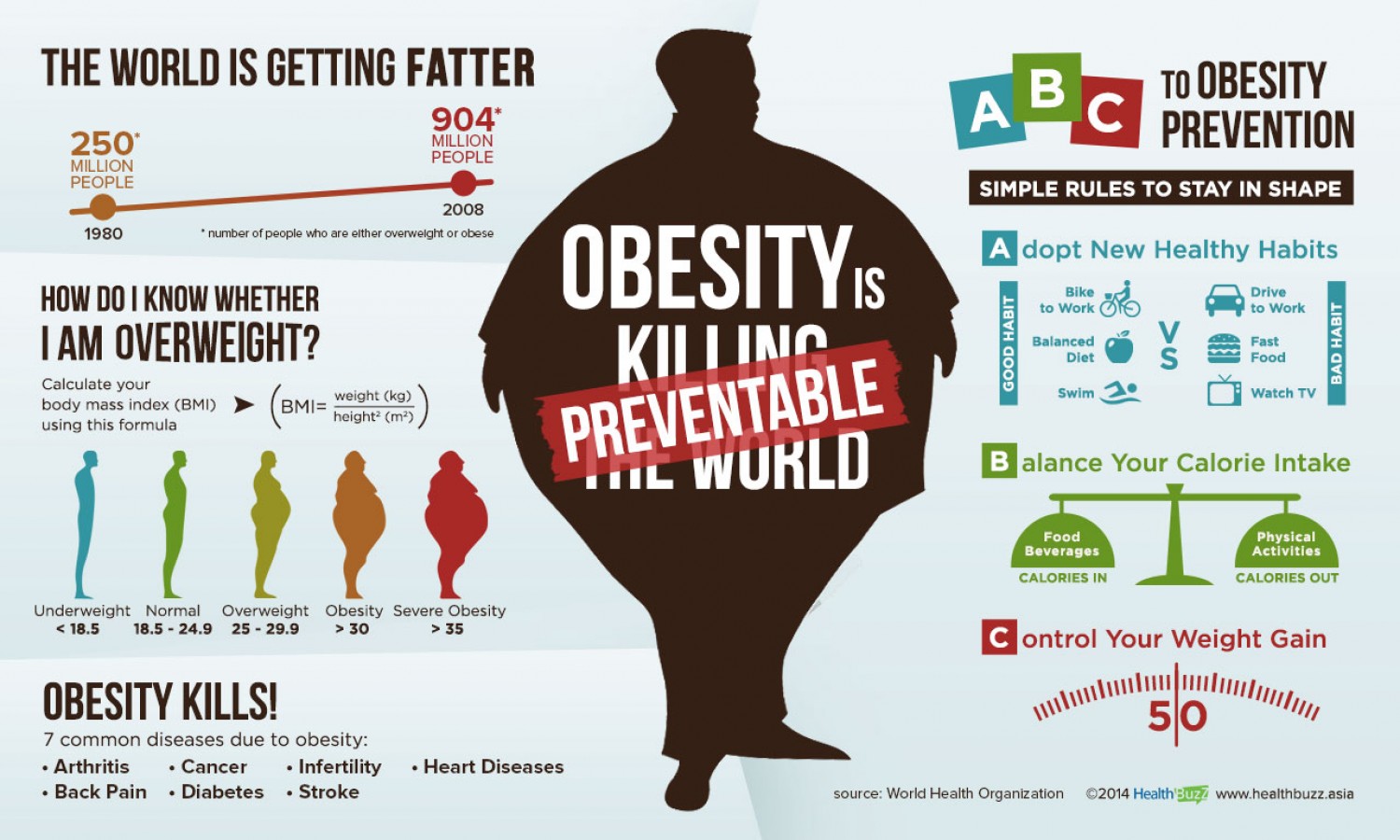
Even if an obese individual cannot tell when he/she is full, there is this thing called math. There are abundant resources on how much an individual should be eating on a daily basis. Calculating your BMI, looking at those elusive nutrition facts labels on all of our food, and applying those resources are a simplistic way to discredit any notion that “not knowing when your full” is sufficient for academic research. If an obese individual can establish a moral desire to be at a healthy weight, supplying them with these resources is all that should need to be done, easy as that.
obesity-is-preventable_52fc767facaae_w1500
BMI calculator: http://www.nhlbi.nih.gov/health/educational/lose_wt/BMI/bmicalc.htm
How to read food labels: http://www.fda.gov/Food/IngredientsPackagingLabeling/LabelingNutrition/ucm274593.htm

Capping off the semester: Neurochemistry

This will be my last blog post as a member of the 2015 neurochemistry class with Dr. Mach. The class has been a great experience for me and it has developed many important skills that I will use in my future. As a capstone class, this class was supposed to cap off my education at Concordia which I think it did. Although I still have one semester at Concordia, this class was the culmination of all the skills,  and knowledge I had gained here at Concordia. It allowed me to apply what I knew to very difficult research papers and to go even further as to teaching this material to my class mates. If I was asked to do this in my freshmen year at Concordia, there would have been no chance. So just seeing how far I have come in my education is really cool for me, and neurochemistry kind of capped that realization off for me. I would just like to say a few more things, and those would be that of the goals for liberal learning here at Concordia.
First, Concordia has instilled a love for learning in me. I used to dislike studying and doing homework, as a matter of fact I dreaded it. Once I got to Concordia and started to find interest in the classes I was taking, I developed this love for learning. In my senior year at Concordia I realized who much I had really developed this love for learning, I actually enjoyed studying and the challenge of trying to understand difficult topics. I think it came to a point where I realized how important all of this was and that it was not a chore but only to gain more knowledge and make me better. Due to this I developed that love for learning and this was very apparent in the neurochemistry.
Second, Concordia helped me develop foundational skills and transferable intellectual capabilities. Over the years at Concordia, I was able to take a wide range of classes because it is a liberal arts college and encourages this. Due to this I developed foundational skills and also transferable intellectual capabilities. I now am able to apply these skills and intellectual capabilities to many classes and therefore am able to excel.
Third, Concordia helped me develop an understanding of disciplinary, interdisciplinary and intercultural perspectives and their connections. Concordia helped me by doing this by offering classes that looked at other cultures and how they function. It is very important to look at intercultural perspectives and Concordia offered me many opportunities to take classes with professors that were very knowledgeable in those areas. It is important that I am not focused on just what is in front of me and let other cultures fall out of sight and out of mind. Concordia has allowed me to acknowledge these other areas and see how they are connected which is a very important skill.
Fourth, Concordia has helped cultivate an examined cultural, ethical, physical and spiritual self-understanding. Concordia has done this in many ways but I think it is just the community that they have created for students here. When I came to Concordia I thought I had an idea of who I am as a person but that really changed for me as I went through the years at Concordia. I questioned my religion and beliefs by taking religion classes, and I questioned what I wanted to do with my life many times due to other classes. All of these factors played in to helping me gained a self understanding of myself which is very important for my future. At times it was scary, but it all worked out and I couldn’t be happier.
Fifth, Concordia encourages responsible participation in the world. Concordia always encourages BREW which is becoming responsibly engaged in the world. They think that we can all make a difference here at Concordia and that idea has now been planted in my mind. That is why I choose a career in the medical field and I know that is where I can become engaged in the world and make a difference. Neurochemistry helped me become engaged in the world by writing blog posts every week and raising awareness for neurological diseases. This capstone was a really cool experience in that way and it really strengthened my skills in that way.
Overall this capstone experience was great for me because it brought all my skills learned at Concordia together and helped me use them to attack difficult topics. I was able to understand difficult topics, teach them, discuss them, and then write about them. By doing this I became more responsibly engaged in the world and was able to cap off everything I have gained at Concordia. I know my time here isn’t done yet but the end is year and I am ready to go out into the world and make a difference.

Stop calling it “dieting”: bulimia nervosa is not a battle of the wills

Dieting is so prevalent in American culture, especially among women. I was lucky growing up; my mother never “dieted” or complained about her weight. The only time I was exposed to this negative self-image was through friends’ parents. However, once I was old enough to be in sports, it became very clear that girls aren’t supposed to like their bodies. The entire girls cross country and track teams would stand around critiquing themselves and comparing to other girls in school as well as celebrities and sports stars. Some of my friends began consciously regulating their intake of food around 12 years old, calling it “dieting.”
Developing habits that don’t encourage eating a wide variety of foods in moderation at such a young age can produce dangerous relationships between teenage girls and food and become part of the perfect storm to produce an eating disorder. Instead, these young people learn that the best way experience food is to control, restrict, and cut “bad” food out of their diets. Often it seems like American culture views those people who are able to restrict their food intake or completely cut out carbs has having “a lot of self-control” or “better willpower” than those who indulge.
Having negative attitude toward food is only one aspect of the development of bulimia nervosa, also relying on genetics, female gender, cultural pressure, stress, and levels of drive for reward. However, it is an important aspect that I feel is often overlooked. The idea of sporadic “dieting” or control of food intake often looks similar to the eating disorder’s binge-purge cycle. This cycle is often dependent on biological mechanisms including hormones and neurotransmitters in the brain.
Studies have shown that individuals susceptible to eating disorders such as bulimia nervosa often turn to control of food because of some combination of anxiety/harm avoidance and deficits in inhibition. This may be triggered by increased stress, environment, emotions, or increased desire for reward or hunger (metabolism). The overeating that then follows (binge) will eradicate feelings of anxiety and produce pleasurable feelings through the release of serotonin (a neurotransmitter linked with pleasure and feelings of happiness). The purge portion of the cycle is more so to control feelings of guilt following the binge.
In bulimia, serotonin is often low, producing the feelings of uncontrolled emotions and anxiety. When the reward circuit in the brain is activated following a binge, more serotonin is present allowing the bulimic individual to feel in control again. In the same way, low estrogen in females may lead to impulsivity, feelings of being out of control and decreased feelings of satiation following eating. Lack of estrogen also desensitizes the brain to serotonin.
These hormonal and neurochemical changes in individuals with bulimia can be developed in puberty and early adulthood, which is why it is so important for young people, especially women, to have good eating habits. The chemical changes in the brain of an individual with bulimia are reversible if the individual is able to break the binge-purge cycle. Therefore, it is important to remember that it is not a matter of willpower involved in bulimia and that the “self-control” or willpower credited to those who “diet” in a restrictive manner negatively contributes to the challenges facing young American people.

Is the world becoming Autistic?

Autism in the United States has slowly become a more common occurrence. Right now approximately 1 in 68 American children are found be on the autism spectrum, this is approximately a ten-fold increase from 40 years ago.
Some of the major symptoms of Autism are characterized by social-interaction difficulties and communication challenges, but the severity of these two symptoms vary from case to case. Researchers believe that the causes of the social and communications challenges result from multiple issues within the brain. One of the cases that researchers claim as a cause are toxins that can be introduced to the fetus. Researchers believe that valproic acid effects multiple genes that are associated with autism. One of these pathways that a research group discussed was the result of an increase histone H4 acetylation around promoter sites of proneural transcriptions factors of autism related gene, neruolign 1. Also the researchers saw that valproic acid was able to up regulate heat shock protein-70, which is know to have neuroprotective effects.
So if I lost you, valproic acid in fetuses basically affects the brains development. These effects add to the increased risk of developing Autism. These effects also have also been attributed to being some of the causes of the social-interaction difficulties and communication challenges that people of Autism tend to deal with.
Now its time to look at the life of “normal” 21st century children.
In todays world technology runs everything and for children in the 21st century it is not uncommon for them to have a smart phone, a tablet, and video game system but the question that is now being asked is, “Is technology making the world ‘Autistic’?
With kids spending so much time today on technology, face to face communication has slowly become a lost art. Some psychiatrists believe that due to the significant time children are spending on various devices they are seeing children as young as five starting to snuggle with reading others’ emotion, being less empathetic and simply struggle with communication skills in general.
So the results that these psychiatrists are seeing are similar social symptoms to those of children who are diagnosed with Autism. So does that mean technology is making the world Autistic? Or is technology going be the new standard for communication?
People will believe what they want but I believe that the world has the potential to become more Autistic like. I would not go as far as some people and say the technology is resulting in Autisms but I can definitely agree with the fact that technology has cases face to face communication to become obsolete. Technology in the 21st century is a necessity to survive in school and in the work place but as a society (especially being in a westernized society) we need to remember to teach kids how to communicate face to face. The world cannot and will never become fully digital in our lifetimes, there will always have to be some form of face to face communication. As parents and future parents we need to remember that and help cut back on the time kids spend using their devices. I know that decreasing time of devices has been a common theme lately but it is something that needs to be addressed or else the world will become autistic like and face to face communication will be lost.
****I do want to note that I do not believe that being Autistic in any way is a bad or negative thing.

Bulimia Nervosa: the hidden eating disorder

Eating disorders are much more prevalent in our society than many people believe. While exact numbers on eating disorders are difficult to get (due to self-reporting and the stigma attached to them) it is believed up to 35% of all people with eating disorders could be male. This is a stark difference from eating disorders being a “feminine” disease. While women may be at a higher risk of developing an eating disorder there are still many factors to be considered. Neurologically estrogen appears to play a massive role in the development of an eating disorder. This could be from a smaller amount of testosterone (a sex hormone that appears to help inoculate against eating disorders) in the womb and higher levels of estradiol (an estrogen) during puberty and later in life. Bulimia nervosa, typically just called bulimia, is an eating disorder where the afflicted binge eats and later on purges (though some means) the excess calories consumed (the “typical” method of purging is inducing vomiting). Due to the purging nature of the disorder it can be incredibly difficult to detect a friend or loved one with the disease.
While the exact role in estrogen in eating disorders (and bulimia specifically) is not fully understood there is a clear correlation between estrogen and eating disorders. Does this mean that eating disorders are beyond our control save through regimented hormone treatments? No. Just like some of the diseases that we have talked about over the past several months the disease is a combination of neurochemistry (something beyond a person’s control) and their thought processes (something within their control). Eating disorders are not something to be taken lightly, and altering the established neuro-connections can be difficult, but time, therapy and maybe (MAYBE) drugs can bring one close to a facsimile of normal. Since an eating disorder like bulimia is a combination of something going wrong with the estrogen cycle and a feeling of guilt or lack of control there are things you can do. Being okay with oneself is crucial! Regardless of how you look you are beautiful.
Societal pressures have been seen to have a correlation to eating disorders not only in women, but in men too. Unfortunately, there’s no easy fix for societal pressures, since they are beyond just one or even a group of peoples’ influence, but understanding that body image is not as important as people claim, is crucial. Ultimately curing eating disorders doesn’t come down to treating it with chemicals that reduce estradiol or increase testosterone in utero, but instead teaching everybody to be comfortable with themselves and to be okay with whatever type of body they happen to have.

Bulimia Nervosa: The Eating Disorder That Hides

Bulimia nervosa is an eating disorder that often can’t be seen in an everyday person. Often people with this eating disorder look normal and decently healthy, but there is an underlying issue that is taking place. Bulimia can be that underlying issue. Bulimia is characterized by a cycle of binging and purging. For example, a person will eat a ton of food, the binging part, and then they will excrete that food from there body through vomiting, the purging part. Unless you see the person committing the purging part, it is hard to know that they have an eating disorder, and this is why bulimia is an issue that often goes undiagnosed. Unless the person with the eating disorder seeks help, this issue is often not discovered. Most often people don’t want to reveal to others that they have a problem because nobody likes to do that, and that is why bulimia is such a scary disorder. In class we had some interesting talks about what to do and how to help someone with bulimia, but it is difficult to help someone when you don’t even realize that they are dealing with this problem. There is much more to learn about bulimia and why it effects people the way it does, but in discussion we proposed a few reasons. First and foremost is the issue of today’s society. If you happen to watch tv or go on your computer at any point in the day, I’m sure you will know what I am talking about when I say that the standards that people are held to today are unrealistic. By this I am saying that the models and photoshopping used in ads needs to stop because it is making people feel that there body is insufficient. There are people who are completely healthy and fit and still feel that there body doesn’t meet societies standards because of the media they are surrounded with. This can often cause people to develop eating disorders, and one of the eating disorders that can be developed is bulimia. People will still eat but they will just throw it up so they can loose weight and try to look skinnier and more fit. This is all stemming from the image that the media is putting out there is commercials and other ads. So that is definitely one issue that needs to be fixed.
Another issue that could be addressed is that of education on these eating disorders. I think that often people with these eating disorders don’t know what to do or where to go to seek help when they are facing these problems. Just think what you would do if you knew someone who had bulimia and you wanted to help them. Where would you go, who would you turn to. It is kind of a scary thought. People often aren’t educated about what to do if they are dealing with this disorder. It seems simple to just say stop binging and purging but that is only treating the physical aspect of the disorder and ignoring the mental part. I see bulimia as almost an addiction. People start this cycle and see that they are loosing weight and that it makes them feel better for whatever stresses they are facing in their life and they become addicted to it. The brain develops in addiction where you feel that you need to binge and purge and that becomes your norm. So no longer are you able to treat the physical of the disorder but you are dealing with the mental part and that is a whole new ball game. We simply don’t know enough about the disorder to know how to treat the mental part of it, and it will be unique for each person. That is why this disorder is so scary and why it is hard to know who to turn to when seeking help for this disorder. If we can cut it off at the bud by getting rid of unrealistic images of people in the media and educating people more about the disorder so they can detect it early before it becomes addictive, then maybe one day it won’t exist at all. Until that time we have a long way to go.
 

Alzheimer's Disease: Putting Together the Puzzle

t1larg.alzheimers
For the past year, visiting my grandfather has been a drastically different experience than what it was when I was younger. Coming up on three years, my grandfather was diagnosed with Alzheimer’s Disease. Upon arriving at the nursing home in Detroit Lakes, I am informed about my grandfather’s daily status. One day he is back in North Korea, the next he is getting ready for work, and another day he is playing cards with me and asking how college is going. As for anyone in this situation, it is very hard seeing someone you love’s behavior change so drastically without his or her conscious effort being a factor. This past week in my Neurochemistry class, we discussed implications of AD and other contributing factors that aid in the behaviors we see in AD.
Alzheimer’s Disease (AD) is the most common form of dementia that introduces problems with memory, thinking and behavior with those who are diagnosed with the disease. Although its prevalence in modern-day research is abundant, the recognition of AD as a disease with multiple pathological contributions within a dynamic whole is imperative to improving treatment. A singular dimension approach to prevention and therapy has been relatively ineffective in the realm of AD. Another pathological contribution to AD, insulin in biological systems, is the leading candidate in showing significant correlations with AD pathology.
During the past decades, higher life expectancies and altered eating habits has led to a correlation to the increase in the prevalence of age-associated diseases such as type 2 diabetes (T2DM). Insulin metabolism is one of the most critical regulators of longevity and aging. Recent studies have shown that insulin resistance in the central nervous system (CNS) is observed in both T2DM and AD. Insulin’s primary role in our bodies is the regulation glucose by promoting glucose uptake in muscle and fat. Historically, insulin is usually solely associated with T2DM, but recent evidence has shown that insulin plays a more extensive role in a range of physiological processes, cellular effects, and in relevance, serving a neuroprotective role in regulation of learning and memory.
The two main hallmarks of AD are two neuropathological processes; excess tau hyperphosphorylation and the over-production of amyloid-β (Aβ). In short, the result of an accumulation of these two compounds disturbs the neurochemistry of individuals with AD. Consequences include neurofibrillary tangles and other abnormal cholinergic factors that forfeit normal brain function due to the excess tau proteins and Aβ sterically disrupting the brain. Insulin resistance has demonstrated a relationship to these two biological explanations for the behaviors we see in AD. Normally, insulin activates a pathway called P13K/AKT which regulates tau phosphorylation and keeps Aβ levels in check. When an individual becomes resistant to insulin, whether it be obesity or aging, impaired P13K/AKT signaling results in the progressive accumulation of the hallmarks of AD. From this one can attribute the involvement of another molecular mechanism contributing to AD progression and insulin resistance.
IMG_1520
Becoming a routine, the first question I ask my grandfather’s nurse, “How is his blood sugar doing today?” Prior to the exploration of this topic, the asking of this question was only attributed to the observations my family has made with the state of my grandpa’s behavior. High blood sugar levels—he’s back in North Korea, normal levels—he is the grandpa I have always known. My grandpa was not diagnosed with type 2 diabetes until a year after being diagnosed with AD. We were told that it appearance of both was more than likely due to aging exclusively. Understanding the mechanism behind the link AD and insulin resistance has given me a detailed insight into my grandpa’s diagnosis. Further understanding within AD and its implications is crucial to developing a better solution to alleviating symptoms seen in AD. Hopefully, modern medicine will allow us to address this issue and allow more people to visit their grandparents to play cards and not be told that their age related diseases are each explicitly due to their age.

A Capstone Experience: Neurochemistry with Dr. Mach

I will preface this last blog post by openly stating my love of a liberal arts education, especially the education I received at Concordia College. Not only is this post one of my last assignments for this class, but it is also one of my final obligations as an undergraduate student. I graduate in about a week. Consequently, this post is truly a reflection on my time here at Concordia and in my Capstone Neurochemistry class. It gives me a chance to take a step back and think about my time at college after working almost constantly for 3+ years in order to receive my degree. I am happy to say that I believe that Concordia College has met its five goals for liberal learning both in my comprehensive education as well as in my Capstone Neurochemistry class. The five educational goals for Concordia’s curriculum aim to:
 
Instill a love for learning
Having a core curriculum that requires classes in different areas has allowed me to expand my thought and to think more critically. Furthermore, different styles of classes have stretched my mental boundaries and have taught me more than I might learn in a single lecture. For example, Neurochemistry has taught me to apply much of what I have learned in lecture courses to real world research and real world problems. It has brought out my love of learning and my love of connecting what I learn to society and the community in which I live. It made me excited about sharing what I learned and about science and research in general.
 
Develop foundational skills and transferable intellectual capacities 
Neurochemistry began with a couple weeks of general background information and review of neuroscience. Furthermore, we were introduced to the concept of a class based almost solely on participation rather than grades. The class structure provided us with the foundation needed to succeed, as well the amount of practice necessary to make us comfortable with sharing our knowledge with the public.
 
Develop an understanding of disciplinary, interdisciplinary, and intercultural perspectives and their connections 
The material covered in Neurochemistry is heavily scientific and specific to research, biology, chemistry, and neuroscience. Nevertheless, we analyzed the material through a critical lens, and one that is versed in other disciplines. During discussion, psychology, sociology, culture, and even philosophical ideas were utilized in order to paint a picture of the extent that the material extends throughout disciplines. These broad ideas also highlighted connections between sections of a paper, between papers themselves, and between the opinions that were debated during discussion.
 
Cultivate an examined cultural, ethical, physical, and spiritual self-understanding
Not only were diverse ideas discussed, but they were also examined on an individual basis. Active participation in discussion each week required deep self-reflection on what opinions you may hold. It also forces one to examine the ethics behind research methods, therapies used, and the way in which the information is made available to the public. All aspects of the discussion made one realize where they stood, or what they needed to research more. It always seemed that the discussion continued in my head hours after class ended.
 
Encourages responsible participation in the world 
Neurochemistry took classroom learning to another level by assigning blog posts that can be and are read by anyone in the area. The assignment itself encourages responsible engagement in the world. It forces one to write in a clear and understandable way about highly complex topics, and it makes one aware of the impact that can be made in the community simply through sharing knowledge. Neurochemistry showed me that scientific research breakthroughs should be available and understandable to the public. It reminded me of my duty as a scientist to use and share my knowledge wisely with all for the betterment of community.
 
Overall, my education, and specifically my time in Neurochemistry this semester, has brought me full circle from the time I stepped foot on campus until now, as I am preparing to leave it. I have truly developed a thirst for knowledge, the skills required to obtain it, and the responsibility to use it to better the world in which we all reside. Thank you Concordia College, thank you to all my classmates, and thank you to all my professors including Dr. Mach – thank you for a wonderful capstone experience.
 

An Unemotional Approach to Parkinson's

If you look at Parkinson’s disease from an unemotional perspective, it is one of the many reasons the world is becoming more and more overpopulated.  Simply put, people are having more babies and modern medicine is allowing people to live much longer than they have in the past. Currently a baby is born every 8 seconds, one person dies every 11 seconds, and the world has a net gain of one person every 16 seconds(http://www.census.gov/popclock/).
Natural selection, in terms of evolution, means survival of the fittest.  For example in a species of fish, imagine there is a gene that encodes for how fast that fish can swim.  The species’ main predator is the shark.  The fish with the gene type encoding for the fastest swimming ability will survive and reproduce offspring.  The fish that had the gene types encoding for slower swimming ability will likely get eaten and not be able to reproduce and pass on their genes.  Over time, the fish species as a whole will be able to swim faster because of natural selection.
Modern medicine is essentially working against natural selection.  Humans with diseases that would normally die off in other species, are kept alive and able to reproduce and pass their impaired genes onto their offspring.  Modern medicine is also keeping people alive longer than they are meant to be, and we are seeing many side-effects of this currently with overpopulation and increases in prevalence of diseases associated with age, such as Parkinson’s disease.  For example, the life expectancy in 1950 was 48 years, it is currently about 68 years of age.  That fact that people are living much longer causes more humans to inhabit the earth, which means they are using more resources, and causing many environmental and social problems.
Overpopulation is not just caused by longer life expectancy, but it definitely is a main contributor to the situation.  There are 7 billion people on the planet right now.  Over 1 billion do not have enough food or drinking water. Due to global warming disrupting our ecosystems, billions of more people are threatened with dislocation.  To make matters worse, if the population continues it’s growth at the same rate, we will add a billion people to the planet in 12 years(http://www.howmany.org/big_picture.php).  Along with decreasing birth rates, another potential solution to this problem could be to stop increasing life expectancy by treating diseases caused by mostly old age.
Old age causes diseases like Alzheimer’s and Parkinson’s by releasing free radical and reactive oxide species, which basically happens throughout your life and at an even higher rate with old age.  It if very difficult, if not impossible to cure Parkinson’s.  Because one of its main causes is the release of free radicals which happens throughout a person’s lifetime.  Specifically Parkinson’s is also caused in part by the release of MPTP (neurotoxin precursor) into the brain.  When MPTP crosses the blood brain barrier, it is metabolized into toxic MPP+.  This molecule interferes with the electron transport chain.  This action leads to cell death and buildup of free radicals.  The cell death occurs specifically in dopaminergic neurons, and when these neurons die it causes a loss of cortical control of complex functions.  This loss of control is the common physical effect of Parkinson’s(https://en.wikipedia.org/wiki/MPTP).
In closing, the world and its researchers should spend more time and effort on solving global issues caused by overpopulation instead of contributing to the problem by attempting to fight the process of aging.

Spam prevention powered by Akismet