

Parkinson’s Disease (PD) is a neurodegenerative disorder affecting dopaminergic neurons in a specific part of the brain called the substantia nigra. This normally manifests itself as a series of motor impairments that begins with a slight tremor and gradually results in the inability to walk and take care of oneself properly.
In PD, a particular protein inside the dopaminergic neurons becomes misfolded; alpha-synuclein. The misfolded alpha-synuclein can aggregate with itself and muck things up. When a lot of alpha-synuclein comes together, it develops into what is called a Lewy Body. These Lewy bodies are large clumps of non-functional aggregated protein that they get in the way of normal cellular functions and induce apoptosis, which is cell death. This cell death is one of the major contributors to the loss of the dopaminergic neurons found in Parkinson’s Disease. But what causes the proteins to misfold in the first place?
The answer is inflammation and oxidative stress. Oxidative stress is caused by free radicals that are formed in the endoplasmic reticulum and mitochondria. This happens normally with age, but in PD it occurs early specifically in the dopaminergic neurons. Certain toxins can induce some of this to occur, and there are genetic predispositions as well. Free radicals are very reactive molecules that can irreversibly bind with proteins and other molecules in the cell. If this occurs in the endoplasmic reticulum, it starts to not function properly and creates misfolded proteins like alpha-synuclein. This can also happen in the mitochondria, which causes it to also not function properly. Mitochondria are essential for cellular function, and this by itself can lead to cell death are PD symptoms.
Glial cells near these dying neurons try to help put by initiating an inflammatory response, such as releasing pro-inflammatory cytokines. Normally, this helps by attacking whatever is causing things to go wrong. However, in this case, this inflammation leads to the production of more free radicals and furthering the damage.
To even further the progression of the disease, it appears that misfolded alpha-synuclein can act as a seed that can be transferred from an affected neuron to a healthy neuron, causing the healthy neuron to start producing misfolded alpha-synuclein as well.
To date, most treatments for PD solely work on the symptoms, usually by adding more dopamine to counteract the loss of those dopaminergic neurons. There is no cure. However, the information scientists have gathered has led to a much further understanding of this debilitating disease. Parkinson’s is a multifactorial disease that involves oxidative stress, inflammation, protein misfolding, and mitochondrial malfunction. There is no one drug that is going to cure Parkinson’s, but just maybe we can find the right combination of treatments to erase the damage that is being done.
The Reality of Antioxidants
Oxygen is important for your body’s health, however overexposure to oxygen causes oxidation. Oxidation involves the loss of electrons through a chemical reaction resulting in free radicals. Free radicals start chain reactions within the cell that can cause damage or death to the cell. Oxidative stress can be caused by excess nitric oxide in the cell. At normal levels, nitric oxide is an important physiological signaling molecule, however in excess, nitric oxides displays neurotoxicity. Oxidative stress is thought to play an important role in many neurological disorders such as Alzheimer’s and Parkinson’s Disease.
An antioxidant is a molecule that inhibits the oxidation of other molecules within the body. They are used to stabilize free radicals; keeping them from causing damage to other cells. Antioxidants can protect against and sometimes reverse the damage caused by oxidation. Antioxidants are natural or man-made substances found in many foods or dietary supplements. Examples of antioxidants include:
- Vitamin A found in milk, butter, and eggs.
- Vitamin C found in most fruits and vegetables such as oranges and broccoli.
- Vitamin E found in nuts, seeds, oils and leafy greens, including almonds, kale, and soybean oil.
- Beta-carotene is found in colorful fruits such as cantaloupe and squash as well as leafy greens.
- Lycopene is found in pink and red fruits such as watermelon and tomatoes
- Lutein is found in leafy greens.
- Selenium can be found in cereals, nuts, legumes, animal products, bread and pasta.
 The best way to get antioxidants is to eat a healthy diet of vegetables, fruits, whole grains, and nuts. Consuming a variety of the above foods is important to establishing healthy levels of each antioxidant type. Although multi-vitamin supplements provide a good balance of nutrients, too many nutrients from supplements rather than food can be harmful.
The science behind the role of oxidative stress in aging and neurodegenerative disorders and the use of nutritional antioxidants as treatment is complex. Antioxidants have not been shown to have strong therapeutic efficacy, however they are sold to the public with dramatic health claims as if they were medically recommended.
 In the past decade, there has been a public surge toward the over consumption of antioxidants with the impression that it keeps an individual healthy. Walking through the pharmacy section of any major super market, you see bottles upon bottles of supplements. The labels are eye-catching; telling the buyer all of the health benefits of a little pill. In the cold aisle, there are boxes of little packets that supposedly help you fight the common cold or flu. An individual may consume 2 Vitamin C packets a day in the hopes of staying healthy over winter. In reality, if you consume copious amounts Vitamin C, you end up excreting a majority of what
  you consume.
Your body needs a certain amount of each nutrient, and once it has enough, it gets rid of the rest. Over consumption can actually lead to negative consequences such as higher risk of lung disease for smokers. The evidence supporting the use of antioxidants as treatment for neurological disorders is ambiguous at best. Although there are benefits, they are not sufficient enough to treat or prevent neurological disorders.
 Why then does the American public put so much stock in a little pill or packet of powder? We spend thousands of dollars on a natural “treatment” that has no proven effect. A healthy diet provides the needed nutrients without the high risk of overconsumption.
Sources
http://familydoctor.org/familydoctor/en/prevention-wellness/food-nutrition/nutrients/antioxidants-what-you-need-to-know.html
Images
http://www.amazon.com/Emergen-C-Super-Orange-Vitamin-30-Count/dp/B00016RL9G
http://www.dermalinstitute.com/us/news/2013/10/antioxidants-past-present-future/
http://healthblog.ivlproducts.com/blog/healthyliving/antioxidant-supplements-provide-abundant-energy
http://www.centrum.co.za/centrum-mynutrients-antioxidant
A link between insulin and Alzheimer's and a breakthrough cure?
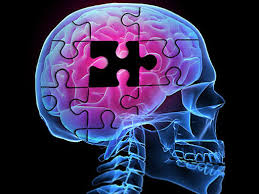
Although a direct “yes” or “no” answer on whether there is a link between insulin levels and neurodegenerative diseases is desired, it is never that easy, because well… science. The further our knowledge extends on the brain and associated pathophysiology, the more we realize how interconnected and reliant certain systems and processes are on one another.
A third type of diabetes?
In the question of whether or not insulin is connected with Alzheimer’s, it is possible that the resistance to insulin within the brain is linked to this burdening disease. Insulin is more notably associated with the ever-rising diabetes. Type I and Type II diabetes are more commonly understood to be due to little or no pancreatic secretion of insulin and to peripheral insulin receptor resistance to insulin, respectively. Then there’s a Type III diabetes being proposed with a more common name, Alzheimer’s. Type III diabetes is hypothesized to be a result from central, instead of peripheral, resistance to insulin. Insulin is able to cross the blood-brain barrier (“BBB” a “safety border” between your blood circulating in your body and brain, protecting both from things not meant to be there) through passive diffusion and transcytosis in certain parts of the brain. Therefore, in type III, insulin is able to cross the BBB, but is resists binding to the receptors on the brain side.
How is insulin a bad guy? Irregularity in insulin signaling
I am focusing more on what is
called the Forkhead box protein (FOXO) down at the bottom of the picture. What we want to have happen, is the FOXO gene to be functional, which leads to a cascade of transcriptions, resulting in longevity of neurons (what we want! Yay!), although too much FOXO can also be bad because too much of a good thing is a viable excuse here.. However, in the case of neuronal loss, insulin binds to the its respective receptor, a phosphorylation cascade happens, resulting in the inhibition of FOXO, therefore we don’t see the longevity of these neurons that we desire. We don’t want too much inhibition of FOXO, but we don’t want too much activation of it either, therefore its stubbornness to being regulated is what is burdensome. Once FOXO is inactivated (and subsequently removed from the nucleus), it has been shown to activate the POMC pathway – many more adverse impacts – uncaring of whether its actions are beneficial or not.
Curing age-related diseases
Although there is no set “cure” to neurodegenerative diseases like Alzheimer’s, there may be mechanisms with insulin involved (as a little glimpse is shown above). We can’t just shoot up patients with neurodegenerative diseases with insulin either, because it has an adverse effect throughout the whole body.
However, if you want to look into something hitting the forefront in neurochemistry, here is a cool link to a TED talk about Deep Brain Stimulation from a neurosurgeon, Andres Lozano. Although he talks more specifically about Parkinson’s disease, this treatment is starting to become more popular in medicine today and may be seen in the near future to activate the neurons we want activated for Alzheimer’s.
The Bigger Problem.. and a new cure?
I believe that one more TED talk is of necessity (and is shorter than the previous one…) Samuel Cohen speaks the bigger problem addressing Alzheimer’s (hint: lack of funding) and a HUGE breakthrough in the science realm where his laboratory is making recent breakthroughs.. You’ll have to watch.
Parkinson's Disease: My Old Narrow Mindedness of it Affect
As someone not particularly well read in the medicine world, I knew very little about Parkinson’s disease before, and really had only been exposed to the disease through Michael J Fox, and knowing he had it. By reading about it, I was surprised to find out that Parkinson’s disease is simply diagnosed by eliminating that it is not any other neurological diseases, and while it has certain characteristics like tremors, these can also be linked to other problems or diseases. Parkinson’s disease is interesting in that it affects both motor and non-motor symptoms. Parkinson’s is also largely linked to age and is considered almost a different disease when it is found in younger patients, as a lot of the characteristics of Parkinson’s are age related. Within Parkinson’s disease, neurodegenerations occurs, by mitochondrial dysfunction, oxidative stress, a poor proteins that become aggregated, all three leading to cell death in some way, thus leading to neurodegeneration. Within the pathology of Parkinson’s, there is involvement of Lewy bodies and in turn α-synuclein, as Lewy bodies are protein aggregates that are not normally in nerve cells, and α-synuclein is the main component of Lewy bodies. The motor symptoms that are present are linked to the death of dopaminergic neurons, thus there is not proper dopamine in the brain, which leads to loss of voluntary movements. Thus, many of the treatments for Parkinson’s pertain to the dopamine within the brain. What is interesting about these treatments is that they don’t really solve any problems, just temporarily allow controlled movement and disallow involuntary movements. The most common of these treatments is L-DOPA, the precursor to dopamine. L-DOPA is able to cross the blood brain barrier (whereas dopamine is not) and then be synthesized into dopamine once across. However, only 1-5% of the L-DOPA in the body actually makes it across the blood brain barrier, thus sometimes L-DOPA is also taken with enzyme inhibitors, as those can assist in causing the L-DOPA to cross the blood brain barrier or prevent dopamine from getting metabolized (thus the dopamine levels in the brain would be temporarily increased).
Parkinson’s disease is most known in the news in that most people know that Michael J. Fox has it, and I wonder if Michael J. Fox going out and being a spokesperson for the disease helps or hurts research funds. On one hand, I would assume more have heard about it than would, but on the other hand, we see someone with this disease seemingly functioning fairly well, which can lead to thoughts of the disease not being as life changing as ALS or cancer. I think that by having a celebrity spokesperson, there is chance that when people consider donating funds to a research organization that some may not think as Parkinson’s as a disease needing the additional research as much. As I really did not know much about this disease before, I really thought that Parkinson’s wasn’t as much of a terrible or life changing disease, because although I was aware it was around and was a problem, it never really clicked with me why I should care about the disease, I mean Michael J Fox seemed to be acting normal in public appearances, so how much affect could this disease have? What I didn’t understand was the types of treatment that one with this needs to get to be at that seemingly normal level, and the only non-surgical treatments available only subdued symptoms for a bit, not really working against the disease. It really surprised me to realize, that I had been judging a disease solely based on what I saw from one person, and mostly saw that person dealing well with Parkinson’s. Thus, while Michael J Fox is a good spokesperson, I wonder if sometimes this disease gets sidelined in people’s minds in comparison to some of the more deathly neurodegenerative diseases.
Insulin and Alzheimer’s, an Unexpected Link
You may have heard of Insulin before, especially if you know somebody who has Diabetes. Insulin is a hormone that helps the body use or store glucose in the bloodstream. People with Type II Diabetes have developed a resistance to Insulin and can suffer from chronic high blood sugar levels. An interesting connection to Alzheimer’s disease is that there is a link between defective insulin signaling and decreased insulin receptiveness in the brains of those with Alzheimer’s disease.
When Insulin binds to its receptor, two major signaling pathways are triggered, the PI3K and MAPK pathways. In patients with that have developed insulin resistance, the PI3K pathway is hindered while the MAPK pathway is left unhindered. The PI3K pathway is a critical pathway that plays an important role in food intake, liver glucose production, plasticity, learning and memory.
The PI3K pathway is critical for it has many benefits, one of the most pertinent, being its neuroprotective effects. The PI3K pathway inhibits glycogen synthase kinase (GSK3) activity and also inactivates the transcription activity of forkhead box protein O1 (FOXO1). This helps to decrease liver glucose production (through phosphorylation of FOXO1), to prevent the formation of Amyloid-Beta plaque buildups, and to prevent the hyperphosphprylation of tau proteins, the latter two known to be involved in Alzheimer’s disease.
As you can see from the paragraph above, there is a close and direct link between the PI3K pathway and both Alzheimer’s disease and Diabetes. By promoting the PI3K pathway, the inhibition of GSK3 could possibly provide therapeutic effects for patients suffering from both diseases. The use of insulin is commonplace for treatment of diabetes, but what is of interest to me is how it will be used for possible treatment in patients with Alzheimer’s disease. Furthermore, exploring alternate insulin related pathways to possibly treat Alzheimer’s disease would be interesting. Such treatment could include current treatment for Type II Diabetes. Understanding the link between insulin resistance and Alzheimer’s may bring us one step closer to curing this debilitating disease.
Information for this post taken from:
http://www.sciencedirect.com/science/article/pii/S1552526013029221
The Disease Behind the Bucket of Ice
If you are active on social media, or watch the news, you may be familiar with a fundraiser known as The ALS Ice Bucket Challenge. The challenge involves dumping a bucket of ice water over your head to promote awareness for ALS. The other part of the challenge involves nominating another to complete the challenge and encourages the participants to donate money to ALS if they don’t complete the challenge in 24 hours. According to the ALS Association, the ice bucket challenge raised 115 million dollars in a six week period from August to mid-September of 2014. The ALS Ice Bucket Challenge was such a success, that the Association made it an annual event, and will continue the tradition until a cure is found.
Despite the large sum of money raised and the obvious increase in awareness for the disease, there are many who still may not know what ALS is. ALS, also known as Amyotrophic Lateral Sclerosis or Lou Gehrig’s Disease, is a neurodegenerative disease that affects neurons in the central nervous system. Motor neurons flow from the brain, through the spinal cord and out to the muscles of the body. In patients with ALS, motor neurons progressively lose their ability to function, eliminating the brains capacity to control muscle movement. As the disease progresses, the affected muscles waste away as they lose their ability to contract. The disease eventually takes away the ability to walk, write, speak, breathe and eat, and in the latter stages of the disease patients can become completely paralyzed. Due to the debilitating nature of the disease, the typical lifespan of someone with the disease is 2-5 years, averaging 3 years. Around 1 in 50,000 people will be diagnosed with ALS, and in the U.S. alone, around 6,400 people are diagnosed every year.1
Some of the leading thoughts on the causes of ALS are glutamate toxicity and protein aggregates. Glutamate is an excitatory neurotransmitter, and when it binds to its receptor it causes an influx of calcium into the neuron (too much calcium can cause the cell to die). Another cause that is being explored, is protein aggregates. Protein aggregates consist of misfolded proteins that accumulate within the cell eventually leading to cell death.2 Both disrupt the cells ability to function normally and are believed to contribute to the death of motor neurons in patients with ALS.
I hope you were able to learn something new about ALS, so next time you are nominated for the Ice Bucket Challenge you can share some of what you learned to help raise awareness for the disease.
- ALS Association website http://www.alsa.org/about-als/what-is-als.html
- http://dx.doi.org/10.1016/j.bbadis.2012.11.013
Mind on Medical Marijuana
Marijuana, just about everybody has heard of it, most notably for its role in media as a plant used to achieve a high. What is less known about marijuana are its medical benefits and even less so, the chemistry behind the plant. Marijuana, also known as Cannabis contains over 500 chemicals, including the psychoactive chemical THC, responsible for the intoxicating effects. Around 100 of these chemicals are chemically related to THC, called cannabinoids. Our body naturally has chemicals that are structurally similar to these cannabinoids, called endocannabinoids. Endocannabinoids bind to the same receptors that cannabinoids from marijuana bind to. Interestingly, CB1, one of the primary receptors that cannabinoids bind to, is the most common G-coupled protein receptor in the brain.1 When these cannabinoids bind to a receptor, several signaling pathways are activated. Some of the most interesting physiological effects that have use medically are appetite stimulation, reduced nausea, pain relief, and improved sleep.2
If you were thinking what I am thinking, you might be curious as to the structure of an endocannabinoid, so here you go!

Since 1970, marijuana has been designated a schedule one drug, meaning it has no potential medical benefits. This means marijuana is placed in the same class as narcotic drugs such as LSD, heroin and ecstasy. The problem with having marijuana designated as a schedule one drug are two-fold. Not only does it ignore the medical benefits that have already been proven to aid those suffering from severe ailments, but it makes research difficult to carry out.
I would like to expand on the second point a little more. If research was easier to carry out, then potentially new compounds could be synthesized/discovered that do not have the psychoactive effects of THC, but keep the positive medical benefits. Furthermore, marijuana could be grown with controlled levels of THC, making it safer to use. Additionally, cannabinoids could be studied with greater efficacy, possible leading to the creation of novel treatments. There is also the potential to expand upon the therapeutic benefits that marijuana has on the body, leading to better treatments and new ways to administer it to patients.
The dangers of marijuana have been overstated. Cigarettes, known to contain over 7000 chemicals, hundreds of which are toxic (70 of which known to cause cancer) are legal at the age of 18.3 To me, this makes little to no sense. How can cigarettes, which are known to cause cancer be legal to smoke while marijuana, which has an extremely low toxicity, be considered a schedule one drug? Fun Fact: Cannabinoid receptors are not located in the brainstem areas that control respiration, unlike opioid receptors, so lethal overdoses from Cannabis do not occur.2 Also I would like to mention that marijuana has a considerably lower risk of addiction than many abused substances even some drugs prescribed today.2 In addition to this, the adverse effects of marijuana are not far from drugs commonly used to treat pain and other symptoms in hospitals and doctors’ offices across the country. Why is marijuana still a schedule 1 drug you might be asking to yourself? It is a result of the history of false perceptions and portrayals that have surrounded it for many years.
A great resource to learn more about cannabinoids and their potential use medically can be found at:
http://www.cancer.gov/about-cancer/treatment/cam/hp/cannabis-pdq#section/_1
Nitric Oxide: The Mystery Molecule.
Nitric oxide has a role in multiple pathways inside the body and can be good for you, but at the same time nitric oxide can damage the body and lead to neurodegenerative diseases. The problem with nitric oxide is that there is little known about how it is acting, so figuring out how to make it do only the good things and not the bad things can be quite difficult. That is why I refer to it as the mystery molecule because we know it is in the body but we don’t have a great understanding of what it is doing.
Although there isn’t much known about nitric oxide, it has been determined that it has multiple roles in a few pathways within the body. Nitric oxide has role in the cardiovascular system and this often is due to its ability to lead to vasodilation. Due to this, it controls vascular tone and reduces blood pressure. It also has a role in the nervous system, by acting as a neurotransmitter, bringing more blood to the brain, and is important in penile erection. Once again it is shown how nitric oxides effect on vasodilation is very important. Due to the vasodilation, nitric oxide also has roles in the lungs and renal systems. It then also functions in the immune system by modulating the T cell immune response, and in the gastrointestinal tract by regulating relaxation of smooth muscles. Overall it can be seen that nitric oxide is very important in the body and that we would not be able to live without it, but from this is can also be seen that nitric oxide is acting in many areas within the body and because of this it is hard to determine how nitric oxide is acting in those different areas and the pathways in which it is doing so.
This leads me to talking about how when something goes wrong with nitric oxide in the body, it is some what of a mystery as to how we could target nitric oxide in order to treat a disease it could be causing. Due to the vast functions of nitric oxide, it is hard to tell where something is going wrong with nitric oxide and often times where the over production of nitric oxide is coming from. It seems simple that we should be able to identify where the problem is then just treat it accordingly but nitric oxide doesn’t play by those rules. Often when nitric oxide is the culprit of a neurodegenerative disease, there is a problem is being able to find a way to treat it because there are so many ways that nitric oxide over production can be occurring. For example astrocytes, which make up the blood brain barrier can contain nitric oxide synthase in them which can lead to nitric oxide over production, then there are microglial cells with are phagocytic and release nitric oxide when they engulf pathogens. Those are just two of the long list of ways in which nitric oxide can be produced and each way contains its own challenges as to how to stop nitric oxide production in that specific area.
Overall we do know the big picture components of nitric oxide as to some of its functions and the pathways it has a role in, but there is also still a lot of mystery with nitric oxide. Since nitric oxide is acting in so many different systems of the body, it is hard to pin down what is going wrong when a disease is being caused by nitric oxide. Hopefully in the future some new research will come about to help solve some of the mysteries that still lie within nitric oxide.
A Balancing Act: Nitric Oxide Production in the Central Nervous System
It is interesting to think that a single molecule ca n be a similar variable in a handful of diverse and devastating diseases. It is even more interesting to think that this same molecule is necessary for the control of inflammatory processes in the body. The molecule I am referring to is Nitric Oxide (NO), and it is the main topic of conversation this week in my neurochemistry class. We talked about it in the context of inflammation and a number of other neurodegenerative diseases. I would like to begin by explaining the inflammatory process and why it is important in the body.
The inflammatory response is a process that developed in higher organisms as a mechanism of defense against pathogens and invaders. The response completes a number of tasks:
- It rounds up the necessary cellular components to help manage the cellular damage
- The components localize and eliminate the pathogen or injury-causing stimuli
- Damaged tissue components are removed
- Tissue reconstruction is initiated
In summary, the inflammatory response is necessary for cellular damage to stop and for the body to begin to heal. However, constant or excess inflammation can be extremely harmful to the body, and in particular, the brain. This is why NO is important. It is the molecule that regulates the inflammatory response in the brain. This shows that low levels of it are necessary for proper brain functioning and inflammatory responses.
So, this is why NO needs to be somewhat present in the body. On the other hand, we also discussed the many neurodegenerative diseases that are caused by excess NO. They include:
- Periventricular leukomalacia (PVL)
- Krabbe’s disease
- X-linked adrenoleukodystrophy
- Multiple sclerosis (MS)
In each of these diseases the gene transcribing NO, the iNOS gene, is upregulated. Genes are upregulated by the activation of molecules called transcription factors. The most important one in the upregulation of the iNOS gene is NF-kB. Normally NF-kB is inhibited by being bound to another molecule; however, when it becomes uninhibited it moves into the nucleus to transcribe iNOS. The over transcription of iNOS is the main factor affecting the pathogenesis of these diseases. Furthermore, it is the connecting factor. Each of these diseases is thought to be an imbalance of NO in the brain leading to neurodegeneration.
While all of the diseases produce strikingly different symptoms and signs, it has been found that the underlying neurochemistry has at least one common link, nitric oxide. It has also been found that NO is needed to a certain extent in order to regulate the natural inflammatory response. However, too much of it is harmful and can lead to many different diseases. These conclusions are where research is currently stuck. We are left to determine the correct amount of NO necessary for proper brain function, not too much and not too little. The production of NO by the iNOS gene is a delicate balancing act that can easily fall to one side or the other.
Are We all Headed to the Same Destination?

Parkinson’s disease (PD) is not a single disease, rather it is a syndrome of multiple causes, which have in common the death of dopaminergic brain neurons (neurons that enable dopamine-related activities). https://moodle.cord.edu/pluginfile.php/468397/mod_resource/content/1/ox%20stress%20and%20inflammation%20in%20parkinsons.pdf
PD has both motor and non-motor symptoms:
- Motor such as postural instability, rigidity, and tremor
- Non-motor such as constipation, rapid eye-movement sleep behavior disorder, and depression
According to the same source as above, PD is a neurodegenerative and multisystem disorder that spreads over time and affects movement (motor) only at relatively late stage of the disease. It is more common in men than in women due to the protective effects of estrogen in women.
Treatment:
- There is no cure for PD
- The current medications are mainly to control the symptoms of the disease.
Risk factors for developing PD:
- Environmental factors

- Age

- Genetics

Are we going to be protected from PD in the future?
The topic of the week in my neurochemistry class was PD. The discussion on the disease was helpful in terms of ena bling us, students, to have a broader view on PD. PD is more common in industrialized countries. As we discussed, this could be due to the life style in those countries. Notion of this fact brings up an important question, which was asked by my professor; are we all heading to the same direction since we are living and aging in this country as well? Does it mean that the current life style including diet, transportation, environmental aspects, and high life expectancy would provide perfect condition to develop neurodegenerative disease such as PD? These questions are needed to be raised more often in our society.
Why does not most people know about PD?
As we discussed, there has not been much work done on raising awareness on PD. The reason for this could be the non-motor symptoms of the disease. The causes of the non-motor symptoms are not well understood due to its complicated and multisystem disorder roots. The motor symptoms such as movement is impacted at late stages of the disease.
Raising awareness would be helpful because then people know more about its symptoms and this could help in diagnosis as well as the control of its progression. This a fact going on everywhere, especially in industrialized countries. Ignoring and lack of activities, which would increase awareness will not help in long run. This would also help families and individuals suffering from this disease in terms of dealing with the symptoms.