
Are Supplements The Quick Fix?

Approximately 29 million people are currently diagnosed with diabetes in the US. Some of these people have type 1, some have type 2, some use exercise and diet to fight the disease, while others haven’t done anything and are looking for an easy way out.
One of these “easy way outs” that people consider are omega fatty acid supplements.
But the real question is this enough to reverse the disease.

THE FATTY ACIDS

The omega fatty acid family for humans is made up of 3 essential fatty acids; omega-3, omega-6 and omega-9. Omega-3 and omega-6 are fatty acids that cannot be synthesized in the body and must be ingested for various biological processes.
Omega-9 is a fatty acid that can be synthesized in the body but the body requires enough omega-3 and omega-6 for this to happen. As for the role of the fatty acids inside the body omega-6 has a very different role than the other two, its role in the body is to promote inflammation and therefore should not be considered for a treatment for diabetes.
The next fatty acid is omega-9. This fatty acid seems like a great candidate for a short cut supplement because it is naturally found in the body and it is known to have anti-inflammatory affects along with reducing insulin resistance.
But in reality it is not a great candidate because the body requires both the ingestion of omega-3 and omega-6 for the synthesis of omega-9. Now all that remains to discuss is omega-3.
Omega-3 supplements are the supplements that people believe will and can reverse the affects of diabetes to a certain point. The reason for this belief is because omega-3 fatty acids are also known to have anti-inflammatory affects along with reducing insulin resistance in the body.
The other reason people believe that this can be a quick fix is because it is not a fatty acid that is produced in the body, which means they can take supplements and they can take as many of them as they want.

HOW DOES OMEGA-3 WORK?

Since omega-3 is the fatty acid people believe that will reverse some of the affects of diabetes the next part of the puzzle is understanding how omega-3 works within the body.  Omega-3 words in the body by first binding to G-protein coupled receptor 120 (GPR120).
The biding to this receptor in the body then causes reaction in the body that release a protein (beta-arr 2) which then directly inhibits an important complex (TAB1-TAK1). The complex that this protein is inhibiting is responsible for the transcription of inflammatory genes that eventually result in insulin resistance in the body. So by inhibiting this complex omega-3 fatty acids are able to prevent inflammation genes from being transcribed and also prevent insulin resistance from occurring.

END OF THE STORY?

So this should be the end of the story, everyone should just take omega-3 supplements and the end result would be the diminishing of diabetes.
But you may be asking yourself why this isn’t the case.
The one big misconception of omega-3 fatty acids is that this pathway will work no matter what. People believe that a person’s diet or exercise regiment will not matter but frankly that is not the case. According to research constant overeating of either healthy or unhealthy food can over power the affects of omega-3 fatty acids.
So ultimately the quick fix cure that people are looking for does not exist. Yes, omega-3 fatty acids can help reduce the affects of diabetes but they cannot do it alone. People still need to eat healthy and eat a reasonable amount in order for this pathway to work. The researchers did also hint that exercise would not be a bad idea either.

Players Choice? or The Leagues?

Concussions have started to be brought forward after the discovery of many ex-NFL players developing and ultimately dying with chronic traumatic encephalophy (CTE). CTE in NFL players has shown to cause neurological deterioration. The players later diagnosed with this have shown to have similar symptoms to those of Alzheimer’s disease but the difference is these symptoms are occurring in their 40’s.The result of this discover has been more intense concussion protocol in the NFL, NCAA and in high school leagues everywhere. But the biggest question is if this is enough to prevent football players and other athletes from developing CTE.
Two Major Issues
One of the biggest issues with concussion is being a to properly diagnose the concussion along with correctly diagnosing the severity. Right now the protocol for diagnosing a concussion is Glasgow Coma Score. This is a point system that rates different symptoms with points. The lower the score the more severe the concussion but other than just the analyzing the symptoms there is no other real testing done to athletes. Imagining systems do exist that can help diagnose a concussion but the issue is that insurance companies do not support the the cost of using these machines to just diagnose a concussion when the Glasgow Coma Score seems to be sufficient.
The second major issue with concussion is knowing when the brain is fully healed and when it is safe for athletes to return to their normal physical and mental activity. It is understood that when people symptom free of a concussion that they are allowed to return to all activities but the question is if that means the brain is fully healed. That is a hard question to answer because most techniques that would be used to discover if the brain is fully healed would cost to much and our understanding of concussions is very little.
Preventing CTE
Preventing CTE is one of the main reasons concussions have been brought to the forefront of many athletic sport committees. But the real problem is if the athlete is allowed to make a decision to back to actives that puts them at risk of more concussions. It is very common for an NFL player to be diagnosed with a mild concussion and still be able to play the next week but at what point does a player reach too many concussions. Many NFL athletes keep playing after having multiple concussions for a lot of them they are just wanting to live in the present and are not necessarily thinking about the future, is this okay? The same problem is now starting with children. Kids in contact sports are now being diagnosed and watched for concussions because of the severe consequences in the future. At the high school level a lot of states will not let athletes return after so many concussions, but is this their choice to make or the athletes. America is based off a system of freedom and rights, and the right to play a sport is one of them. So is the future of an athletes in their sport after concussions up to the athlete or the league they are in. As of now the NFL leaves it up to the players and their doctors and for the high school leagues it is up to the state. Parents will agree with the state leagues while players may like having the choice. Either way CTE is still a potential for both sets of athletes.
CTE is consequence of concussions and is starting to become at the forefront of the sport world because of recent NFL players passing away with this disease. Should contact sports be taken away, should athletes be able to determine their future, or should the various leagues step in and prevent athletes from continuously coming back and further increasing their chances of developing CTE. Either way the health system needs to come up with better ways to diagnose concussions and better ways to determine the time need to recover. As a athlete I want to get back as soon as possible but at the same time I still need to consider my health down the road. More research needs to be done and more teaching and information needs to be brought to the players and their families.

Obesity, What is The First Domino?

Obesity is clearly a huge problem in the United States and abroad, I won’t spend any time trying to convince you of this, I assume you already recognize this as an issue. It is interesting because our society views obesity as such a problem, and we spend so much of our resources combating it, and yet it persists. Here I will use hyperinsulinemia and its relationship with obesity to possibly explain why obesity has become such an issue and why it can be so difficult to overcome.
Hyperinsulinemia is an excess of insulin in the bloodstream. To understand its implications we must first understand insulin’s role in energy intake. Insulin binds to a neuron called POMC/CART which in turn inhibits another neuron called AGRP/NPY. This causes our brain to decrease food intake and is basically the body telling the brain that it is full. In individuals with a high fat diet we observe above normal blood insulin levels. This should cause them to feel full all the time right?
Well, not quite. We observe insulin resistance in individuals with high fat diet which essentially means their insulin receptors don’t respond to insulin as actively. This could be because their receptors have been over stimulated or due to other downstream factors associated with a high fat diet. Insulin resistance prevents insulin from fulfilling its regular duty and therefore prevents people from feeling full even after a large meal which could lead to more weight gain.
To further complicate matters extra body fat secretes molecules that are involved in insulin synthesis leading to even more insulin in the blood. So to recap, high insulin levels can make the body gain fat and body fat can increase the insulin levels in the blood. This is a positive feedback loop which is anything but positive. It seems that the more we look into obesity the more we find these situations where once a single domino falls things just get worse and worse. It is very difficult to set things straight because our body and brain keep trying to make things worse.
This got me thinking about what could cause that cycle. Certainly there is some genetic predisposition, but that can’t be everything. There must be a point. A single tipping point where that first domino falls and a person finds themselves on the wrong track. As we have seen it is very difficult to get back on the right track once the wrong chemical cascades begin. I suspect it is in childhood. This is when we form our initial relationships with everything. This is when we first form our relationship with food and if that relationship isn’t healthy it can have dire consequences.
When I think of the negative aspects of our relationship with food I immediately think of stress eating. When we have a bad day we just want to eat something that will make us feel good, and what do we turn to? For me it is mac n’ cheese, the cheap kind from the box. This is something I remember eating since I was a kid, and maybe, just maybe, if I eat that box of mac n’ cheese things will be simple again. Things will be like when I was a kid, the mac n’ cheese can make me feel just a bit closer to that nonexistent perfect past I can’t to return to.
We need to be careful with how we teach our children about food because forcing them to finish that bowl of mac n’ cheese could be that first domino.
 

Obesity and the Brain

Countless neurological pathways help dictate when we need to eat; but ultimately three pathways are the major players. The one that I specifically looked at was the leptin pathway which helps us figure out when we should and should not eat. In over 90% of all people with obesity of any degree some type of leptin resistance exists, making it so a higher concentration of fat is required to make us feel full. This cycle then has positive feedback where eating more is required to feel full, but then more leptin is released and then ultimately increases the leptin resistance which then makes us need to eat more… This process can continue almost indefinitely, which can increase our body fat ratio.
Does this mean that weight gain is at least partially out of our control? Yes. Does this mean that it’s okay to indulge ourselves because we know that more food is required to feel full? No. By doing that we continue to exacerbate our pleasure centres in the brain and start to cede our self-control simply because it’s hard. Weight gain is not outside of the realm of possibility to attribute to physiological issues, but that is the simple route. A healthy diet in combination with exercise can help regulate leptin levels, and the hunger (and these neurological pathways) because the body is adaptable. It will eventually adjust to the new diet and the new energy demands of working out.
This process is by no means easy, but ultimately it is our responsibilities as humans to be above our baser desires of food. This is easier said than done, but it is unfortunately the thing that is required in order to help end the obesity that exists within our society. Accepting it as both a genetic, physiological and psychological disorder is incredibly important to reducing the number of obese people in the world.

More than just a treatment: Insulin

What is insulin?
Insulin is almost always associated with diabetes as a treatment, but is that really the only function? Insulin is a hormone that is made in the pancreas and one of its more known functions is that it helps moves  glucose from the blood to the cell during times when energy is needed. But believe it or not this is not the only function, insulin has also been associated with memory, plasticity and then eventually Alzheimer’s disease (AD).
Insulins and memory?
Nobody wants to loose their memory or have to deal with the consequences of AD and surprisingly insulin has an effect on memory. Insulin in studies has shown to have a positive effect on memory when all of the receptors and pathways are working properly in humans. But when either the receptors or pathways are being blocked there has been evidence that shows that memory as a whole is diminished. Researchers believe that in humans who have an insulin deficiency that it causes a the body to trigger the retraction of dendrites and a decrease in NMDA transmission of hippocampal neurons. In simpler terms this means that part of the neurons (dendrites) that are responsible for receiving signals from other neurons are being retracted and resulting transmissions being lost.The other part the story that is going on is the decrease in transmission of a receptor (NMDA), which is responsible for the control of channels that help neurons send and receive signals. Also keep in my that this is all happening in the part of the brain that is in charge of consolidating information from short-term memory to long term memory.
Importance?
The reason that insulin’s role in memory and plasticity is being more relevant is because of the rise of the diabetes epidemic. With diabetes that means there is also going to be a rise in people who are deficient in insulin. Because of this more people could have memory problems and this could also lead to more people developing AD. What has not be discovered is if diabetes will lead to early onset AD or just significantly increase the chances but either way insulin is playing a major role. Fighting and stoping the diabetes epidemic may develop into a fight against AD in later life because of insulin and this is why we should care.
Personally I’m going to continue to be aware of my weight and the potential of developing diabetes in the short term to hopefully lower chances of developing AD in the long term. But as for the rest of society a lot needs to be changed. First, there needs to be a stronger connection between the two diseases and national campaigns need to begin. But that will be easier said than done. With diabetes and being overweight being topic that cannot be brought up in any light, I do not see any changes happening. Secondly, I believe that the fast food market needs take a greater responsibility into healthiness of their food along with the portions. But fighting against a multi-billion dollar industry is also not easy. Lastly, I believe AD needs to become a more serious disease in the eyes of society as a whole. I think that because AD does not affect people till late in their lives and that it is not a death sentence the people sometimes forget about AD. This forgetfulness of the disease I believe is hindering an progression in finding a cure or by finding a treatment that can stop its progression. Who knowns maybe if a cure is found for AD, a cure an be found for diabetes or vice versa because of the connection through insulin.

Nitric Oxide: Another piece of the puzzle?

If we think of research like a giant puzzle, it is easy to get excited when new information is discovered, when a few pieces are connected. But this doesn’t erase the fact that many pieces have yet to be found, whether that is underneath the couch, behind the door, or as with many literal research labs, behind more research.
Several adult and pediatric neuroinflammatory diseases are no exception to this analogy.
Nitric Oxide (NO) is a key neurotransmitter and neuromodulator that plays a role in a wide range of neuronal activity throughout the central nervous system. The particular enzymes that help synthesis nitric oxide within the body have three different subtypes (neuronal nitric oxide substrate (nNOS), endothelial nitric oxide substrate (eNOS), and inducible nitric oxide substrate (iNOS)).
Unfortunately with excessive amounts of nitric oxide in the central nervous system, there can be consequences. With normal amounts of nitric oxide involving nNOS, regulation of synaptic signaling and plasticity between neurons occurs. However, with excessive amounts of NO, this can lead to neuronal toxicity, apoptosis and cell death. eNOS acts as a crucial regulator of cardiovascular homeostasis. When NO is synthesized, regulation of the blood vessels occurs, which maintains an anti-proliferative and anti-apoptotic environment. Unfortunately, as with almost all neurotransmitters and neuromodulators, the right amount is key, as excessive or low amounts can cause permanent damage.
The particular substrate of iNOS has been a valuable topic of interest for its potential role in neuroinflammatory diseases in research. iNOS release of NO has a large involvement in regards to immune responses.
 
Side note: *It is important to know that the role of glial cells (cells that help protect and provide support to neurons), play a very critical role in the development of the brain.
 
Now to attempt and connect the puzzle pieces…
 
In regards to three neuroinflammatory diseases, there may be a link between the function of glial cells and their interaction with nitric oxide.
In Periventricular leukomalacia (PVL), this disease is characterized by white matter premature death, which can lead to cerebral palsy and cognitive deficits in premature infants. According to the article our class read, there may be two possible causes: lack of oxygen or blood flow OR damage to the glial cells. Research has shown that nitric oxide damages developing oligodendrocytes (a type of glial cell).
In Krabbe’s disease, a fatal degenerative and neuroinflammatory disorder, is one that impacts the myelin sheath of the nervous system. Observations in research has shown that psychosine (a type of glycosphingolipid), which accumulates in particular in Krabbe’s disease, “under inflammatory conditions leads to the iNOS-mediated NO overproduction, which in turn may play a role in the pathogenesis of this disease.”
 
With the relationship between NO and glial cells, it is important to keep in mind the whole picture, instead of focusing on a few pieces (even as crucial as those few pieces may be). Researchers know that the “iNOS overexpression is not the only mechanism by which glial cells can affect neuronal function.” There are obviously more pieces to be discovered, but researchers are hopeful that the understanding of the complexities behind the involvement of NO can be a first step.

Larger than Erections: The effects of NO in neuroinflammatory diseases

Nitric Oxide. A small diatomic molecule consisting of one part nitrogen, one part oxygen. It’s a well known vasodilator and cellular signaling molecule within the body. It is a derivative of common drugs such as nitroglycerin and other blood pressure medication.  The compound itself is a gas that quickly dissipates in the body, but while present,  is crucial to such processes such as neurotransmission, vasodilation, reducing inflammation, etc.
When the public hears of nitric oxide, they typically think of it in one of two ways: as a supplement used to boost performance in athletes and body builders, and as part of the medication so many men take for their bedroom troubles. Erectile dysfunction is a “disease” that affects roughly 18 million men in the U.S. and is characterized by impotence and the inability to routinely to get erections “when the moment strikes”. The market for virility drugs that treat ED has taken off since the 1970’s and is a $5 billion dollar industry. One can imagine the amount of “little blue pills” that hit the market each year and are taken by men who have a little trouble “getting it up” on occasion. The drug industry has capitalized on the insecurities of men everywhere and hawked their erection medication as crucial for those who even on occasion, can’t sustain or have an erection. There are so many other factors that go into that topic, but that is an article for another day.
The mechanism of action for ED medication involves the increase of NO in the body of the penis, leading it to the increase of cGMP by bind to guanlyate cyclase. This leads to vasodilation/muscle relaxtion, increasing blood flow and leading to erections. Pretty simple right? NO is a crucial part of this drug and works well in leading to “more fulfilling” sex lives for many men, but it is much more important than the body builders and once a month bedroom champions it is known for.
In the brain, NO is a neuromodulator/translator that plays a significant role in chemical signalling and neuronal inflammation. When acting at normal levels, NO provides good things to the body such as vasodilation, modulation of hair growth, and is part of the human immune response when generated by cells within our body. The problems for NO arise when over/under regulation of NO production in the body contributes in negative ways. The increased production can cause an increase in reactive nitrositive species, which are key intermediates in the body, but also contribute to nitrositive stress and apoptosis. Brain inflammation is also a factor of increased NO in the Central Nervous System and plays a big role in brain diseases such multiple sclerosis. The increased NO levels also lead to increased risk for early neuron death.
The purpose of this blog was to enlighten the public on how nitric oxide is much more complex than purely a derivative of erection medication or a muscle supplement. Thank you for reading

Obesity: A Biological Trap

Obesity as a Brain Disorder
Have you ever thought, “If I just had more willpower I could resist all the unhealthy foods I tend to eat”? I’m sure you have heard someone recommend that if you want to become healthy just eat more fruits and vegetables. And I bet you have even heard someone tell another to simply give up something (carbs, desserts, fats, etc.) in order to lose weight. These ideas and suggestions seem true; we do not argue them. More veggies and less dessert will help with weight loss. However, the idea that more will power is the key may not necessarily be correct. In the article I read for my neurochemistry class this week, we learned about obesity as a brain disorder. In the abstract, the first paragraph of the article, the author refers to over nutrition as a biological trap independent of the initial trigger. To me, this connotation has serious implications toward how obesity is treated and perceived.
“Biological Trap” Studies in Rats
            As a simple and comprehendible model, studies with rats, has offered good insight into habituated choices of diet. Some results of such studies include:

  • Early exposure to fatty food predisposes the animals to favor a high fat diet
  • Animals fed with a high fat diet became insulin and leptin resistant and had high blood pressure
  • Prenatal and postnatal exposure of the mother to a high fat diet increased the offspring’s weight gain and influenced their dietary habits
  • Continuous access to food high in fat leads to more weight gain

These results are significant, even when relating it to humans, because the rat is a very simple model. The results contain no influence from cognition (as they would in humans) or cultural and social influences. The simplicity allows us to see the basic ideas at work in the human body without the confusion of human consciousness. These are the risk factors and conditions, along with some consequences of being predisposed into falling into the biological trap that is obesity.
Activity in the Obese Brain
To explain further what perpetuates the cycle of over nutrition and the biological trap, I want to discuss the brain activity of an obese individual in comparison to a healthy weight individual. Obese individuals have a greater response to the presence of food. Obese individuals have a higher enhancement of anticipated reward compared with lean individuals. Furthermore, the obese brain has less dopamine receptors making the feeling of fullness and pleasure much less after eating a meal than in lean individuals. This is shown in the image below. The obese brain has lighter colored pleasure centers, showing less dopamine receptors and reward activity after a meal.
obesity
Willpower Might Not Be Enough
To hammer home the idea that obesity is a brain disorder and not a lack of will power I will direct you to the next image below that I took directly from the article I read.
obesity2
I am not posting the image because I hope to explain every detail of the science behind obesity. I wanted to share the image because I think that it shows just how complex obesity is. Many other symptoms that go along with obesity do not receive enough attention. They include depression, memory, and learning deficits. Furthermore, this image shows the web of connections that make up the disorder. Each component should be taken into consideration, especially when one feels as if obesity is a moral, cultural, or personal issue. While these components do have influence in the disorder, the key to treating and preventing obesity in America, a country saturated with unhealthy and fatty foods, is understanding the brain science behind the disorder. This will lessen the negative connotation and perception of obesity while helping narrow and focus treatment toward each individual.

Glial cells and their role in development of neurological diseases

Types of glial cells and their role in the nervous system:
12
Glial cells include, astrocytes, microglia, oligodendrocytes, and schwann cells. The nervous system is built from neurons and glial cells. Gila cells’ functions include providing support for the brain, assisting in nervous system repair and maintenance, assisting in the development of the nervous system, and providing metabolic functions for neurons.

Glial cells and production of NO:

Nitric-Oxide
Activation of glial cells in response to trauma, ischemia, and inflammatory damage express iNOS enzyme, which synthesizes nitric oxide (NO). This is a bioactive free radical, which acts as meuromodulator and neurotransmitter in the brain. Although NO performs these important roles in the brain, over production of it by the glial cells induces harmful effects on neuronal function. High concentration of NO has role in neurologic disease such as stroke, neurodegenerative disease, demyelination and neuroinflammatory disease. https://moodle.cord.edu/pluginfile.php/468418/mod_resource/content/1/glial%20nitric%20oxide%20in%20neuroinflammation%20like%20ALS.pdf

Overproduction of NO:

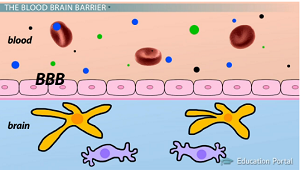
The result of high concentration of NO leads to production of toxic derivatives of NO, which alter the function of mitochondria and other proteins in the brain. NO increases the permeability of blood-brain barrier (BBB) in MS patients. This causes further inflammation and demyelination of the brain cells (neurons). Demyelination means destruction of the protective sheath that cover axons of the neurons. Ultimately, all these lead to loss, destruction of the brain.
brain-blood-supply-blood-brain-barrier
 Glial NO and neuroinflammatory diseases in children:

    • Krabbe disease
    • Periventricular leukomalacia (PVL)
    • X-linked adrenoleukodystrophy (ALD)

Is it worth it to research and try to treat neurological diseases occurring with againg?

untitled

            One of the topics that we discussed was the importance of various research have been going on to understand and find treatment for neurological diseases; Are these diseases part of aging and there should not be such research about them done? Everyone in our group had different ideas about this question. In my opinion, what we gain from various research is to understand the disease and as a result learn more about the physiology of the brain. No matter how old one’s loved one becomes, that person still needs to be taken care of in any possible way. Aging is a process, which everyone is facing. By progress of science about disease associated with aging, people can enjoy their lives as they become older.


Oh NO! Nitric Oxide and Neurodegenerative Disorders

Nitric Oxide is a free radical produced by glial cells in the brain as an immune response to infection. It falls into the category of reactive nitrogen species that is often paired with reactive oxygen species. Together these make up RONS (reactive oxygen and nitrogen species). Almost all of these molecules are produced in response to infection and cellular damage. They are highly reactive and can cause cellular damage on their own. Their main function would be to attack the bacteria or whatever is causing the damage to the cells by reversibly binding to their proteins and other molecules, but they also are produced in smaller amounts as a byproduct of metabolic processes.
Normally, these molecules are broken down readily by certain enzymes such as SOD, catalase, and NO synthase after they have done their job so as to prevent them from doing any damage to their own cells. These primary RONS are necessary for normal function within the cell, and may even contribute to certain signalling pathways.
However, in neurodegenerative disorders, there is an excessive amount of RONS. This can be caused by many things, such as the enzymes that break down RONS not functioning correctly, the processes and signals that create RONS being overactive, or overactive microglia and excess inflammation. What happens when there is a lot of RONS, is that they start to react with each other. For example, nitric oxide can react with superoxide to produce peroxynitrite.
Peroxynitrite is one of several secondary RONS that are very bad. These secondary RONS are not as easily broken down by those molecules that break down the primary RONS, and they have no other particular enzymes of their own. This means that they last much longer in the body, and can wreak havoc. Plus, they are even more reactive. Peroxynitrite can bind to amino acids, nitrating them and causing them to lose their function. It can also oxidize molecules that have a transition metal in them such as hemoglobin, myoglobin, and cytochrome c. This changes the transition state of the metal and renders the molecule nonfunctional. This is obviously very bad, and leads to cell damage and death.

Biomolecules 2015, 5, 472-484; doi:10.3390/biom5020472

As we age, we normally accrue higher amounts of reactive species. In fact this may be one of the main contributors to the breakdown of cells that occurs with normal aging. In neurodegenerative disorders this occurs rapidly in particular neurons, causing a lot of damage and neuronal loss. Anti-oxidants and anti-nitrosatives found in fruits and veggies like blueberries and spinach can help by breaking down some of these reactive species, but more research into finding out more about how we can prevent this process from occurring is definitely warranted.

Spam prevention powered by Akismet