The abandoned area of drug development—Parkinson’s Disease
It seems as though every time I turn on the TV there are commercials for new types of medication. Unfortunately, for some devastating conditions there haven’t been updated medications in 30 years or more. One of these is the neuromuscular condition, Parkinson’s Disease. Currently Parkinson’s Disease is still treated with dopamine replacement therapy (L-dopa and other agonists) as well as blocking the dopamine from reentering the cell that released it. This type of treatment only helps to manage the early symptoms and does not cure Parkinson’s Disease.
Is it time to target a new area of the disease other than the low levels of dopamine? It is obviously an important part of the disease process, but has been shown to only be one component in an ever-expanding network of dysregulation and inflammation that is a park of Parkinson’s Disease.
One idea among the scientific community is that toxic molecules spread slowly through the brain, irreversibly damaging neurons and tissue, ending up in the area of the brain with many dopamine neurons. This is when the symptoms that many people associate with diagnosable Parkinson’s Disease appear such as the change in motor movements including tremors. This occurs because a molecule called alpha-synuclein is misfolded and combines with collections of immune cells to form Lewy bodies. You may have heard of these before when referencing dementia (Lewy body dementia). This idea states that changes in areas such as gene expression, environmental toxicity, and dysregulation of cellular organelles such as mitochondria (the “powerhouse” of the cell according to high school biology) leads to the formation of these toxic Lewy bodies. Scientists believe that the Lewy bodies begin to develop at the nerve from the nose (olfactory) and back of the brain before progressively moving into higher functions in the cortical regions which results in some of the changes in movement regulation as well as many cognitive functions.
Usually diagnosis occurs at a much later stage than the beginning of the Lewy body formation. Perhaps both diagnosis and treatment could be studied to lead to biomarkers to find and/or target for earlier diagnosis and more effective treatment. The formation of Lewy bodies may also lead to the breakdown in function of other cellular processes, so treatment that focuses on this may be able to address symptoms and etiology (causes of the disease) from multiple angles, showing promise in the diagnosis and treatment of Parkinson’s Disease after a long drought in drug development progression.

Nitric Oxide: A Powerful Player in the Brain

Nitric oxide, like many things in the body, is something that is beneficial to the body in small concentrations but also potentially harmful in larger concentrations. In small concentrations, nitric oxide is neurotransmitter and neuromodulator, and is important in certain signaling pathways in the brain. However, in larger concentration, nitric oxide (NO) is dangerous to the brain, causing cell death within the neurons.  NO is found to be a player in “stroke, neurodegenerative disease, demyelination and neuroinflammatory diseases” (Pathologic role of glial nitric oxide in adult and pediatric neuroinflammatory diseases).
The therapeutic potential of targeting endogenous inhibitors of nitric oxide synthesis
Nitric oxide formation is assisted by three enzymes, neuronal nitric oxide synthase (nNOS), endothelial nitric oxide synthase (eNOS) and inducible nitric oxide synthase (iNOS) (https://en.wikipedia.org/wiki/Nitric_oxide_synthase). nNOS is important for NO synthesis in the central and peripheral nervous system.  eNOS is crucial to nitric oxide synthesis in the blood vessels, and is a regulator of the vessel’s function.  The last enzyme, iNOS is, activated by NF-κB, and cytokines such as TNF-α and IL-1, and the over activation of this particular enzyme by these can lead to negative effects in the body.  This activation of iNOS occurs largely in the astrocytes and in microglia, which can then lead to neuronal damage a death. Thus, as we see, when there is more nitric oxide being produced there is more neuronal death by the over activated microglia.
NO overproduction can lead to multiple sclerosis (MS) and neuroinflammatory diseases, which include periventricular leukomalacia (PVL), Krabbe’s disease, and X-linked adrenoleukodystrophy (ALD). MS occurs when the myelin protecting nerve cells in the CNS are damaged.  This can lead to mental and physical problems including “autonomic, visual, motor and sensory problems” that “are determined by the locations of the lesions within the nervous system” (https://en.wikipedia.org/wiki/Multiple_sclerosis). PVL is a neuroinflammatory disease is “a form of white-matter brain injury, characterized by the white matter necrosis” or white matter death in the brain (Pathologic role of glial nitric oxide in adult and pediatric neuroinflammatory diseases).  Krabbe’s disease is a genetic disease which slowly destroys the white matter in the brain and damages the myelin sheaths in the central nervous system. ALD is also a demyelinating disease, but much quicker and can lead to death within a couple years after onset, or another form will lead to slow axon degeneration and eventually paralysis in the legs.
Nitric oxide is a chemical that requires a very delicate balance within our bodies, as it is important in relation to the microglia and astrocytes, as when they work appropriately are good for the brain, but when over activated can lead to damage to neurons and some of the diseases mentioned above.  In today’s world, there is always the fear of trying to stay at an ultra-healthy level, that we will do what it takes to protect ourselves from getting things like cancer or some of these diseases.  However, these precautions don’t always make a difference, as it is hard to prevent these NO diseases, as sometimes we are genetically predisposed to them and there is not much we can do to protect ourselves.  Sometimes the environment plays a role in contracting the disease, especially exposure to toxins in the NO case, but even then it is hard to ensure avoidance of things that we may encounter on a daily basis. Sometimes, rather than living in fear of contracting these diseases which can come from an array of sources, we just need to hope our bodies will do their best to protect themselves from imbalances.

Autism and the Brain

First I just want to make it abundantly clear, vaccines do not cause autism. The main paper that people cite in order to show that autism and vaccines are related has been absolutely discredited by 99.99% of the scientific community. As a scientific community we have determined that there is no correlation between autism rates and vaccines. In addition, even if vaccines did cause autism (which they do not) the benefits of them vastly outweigh any of the costs. As a species we have only exterminated one virus, the small pox virus, and that was through careful vaccination programs. If you are against vaccines look up historical accounts of what small pox did to the human body and the survival rates.
Back to the point of this blog post… Autism and the brain…
Autism is an incredibly scary neurological disorder because we don’t know what causes it… Or even how to treat it. While we know many of the symptoms of autism, and how to treat some of the innumerable symptoms these treatments do not treat the disease they treat the symptoms. To actually treat the disease we would have to have a greater understanding of the brain than what we currently have. Will the day come that we have the ability to treat/cure autism through medication or alternative means? Yes. Is that day today, or even in the near future? No.
Currently treating Autism is kind of a guess and check, and hope that whatever medication is given to the patient is actually working, and not making other issues that we don’t know how to treat. Something that might help reduce autism in later generations would be to increase the amount of zinc we eat. A decrease in zinc (a VERY important metal in our body) is frequently seen in autistic patients, and this could be the cause of innumerable of the symptoms seen with autism. Before going out and buying all the zinc you can consume be aware of two things: 1) zinc treatments while somewhat helpful by no means undo autism and 2) if you consume too much zinc then you’ll have a completely different set of physiological disorders to contend with.
While researching autism I found an interesting correlation that scientists have known about for a while: how similar autism is to mercury poisoning. The similarities are stark, and quite frankly scary. The symptom list of in utero/infantile exposure of mercury reads almost identically to the symptoms of autism. In addition scientists found about a 2.1 higher concentration of mercury in autistic children than normal, non-autistic children. Does this mean mercury causes autism? No. Does this mean there’s some sort of correlation? Probably, but I would have to do more research in order to confidently say so one way or another.
Ultimately autism is a disease that as a scientific community we have no idea what causes it (but we know what doesn’t!) or even how to treat it. However this doesn’t mean that we should despair! Far from it, we should embrace how little we know and understand that we will be making leaps and bounds in the field of neuroscience in the not too distant future. Who knows, maybe in thirty or forty years I’ll be writing a post about how we have “cured” autism.

In a World with Autistic Children…

Having had a brother with Downs Syndrome, the conversations I have had with my parents over the years on their initial reactions after his birth have been very impactful on my life. I have asked them on multiple occasions on what they would have done if my brother had lived longer. Would they have put him in public school? Did they feel responsible at all for his Downs Syndrome condition? Did they treat him differently compared to how they treated me as a baby?
 
Their response was quite simple.
 
They would have chosen to enroll him in a public school setting, with help if needed. But they stressed the importance of loving him the same as if he didn’t have Downs Syndrome, showing how proud of him they were, and the fact that he was still their son. They knew they would have had to maintain a continual understanding of his condition and how certain approaches and conversations would be beneficial to his quality of life in the future, but this didn’t negatively affect their outlook.
 
Only one of the many qualities I am quite proud to recognize in both of my parents is their continued affirmation in how they knew they couldn’t blame themselves for my brother’s condition. They took precautions and did everything they could to bring into the world a healthy baby boy. They made sure I was vaccinated, as they knew having any possible complications with infection would only hurt his chances of survival. And they also put deep trust in the doctoral staff in our hometown. They knew they weren’t experts on this particular condition, and having someone there with answers was something they could take comfort in.
 
Fast-forward twenty years into the future. What has happened since this time? If a child is born with Downs Syndrome, or turns two or three and is showing signs of Autism, it appears as though many parents want someone or something to blame. WebMD appears to be more informative than a doctor who has received over eight years of schooling…
 
Particularly in Autism, there are many factors that could contribute to the cause of its appearance.
 
If the parents are looking for someone to blame, they should maybe first look at themselves.
 
Contributing factors:
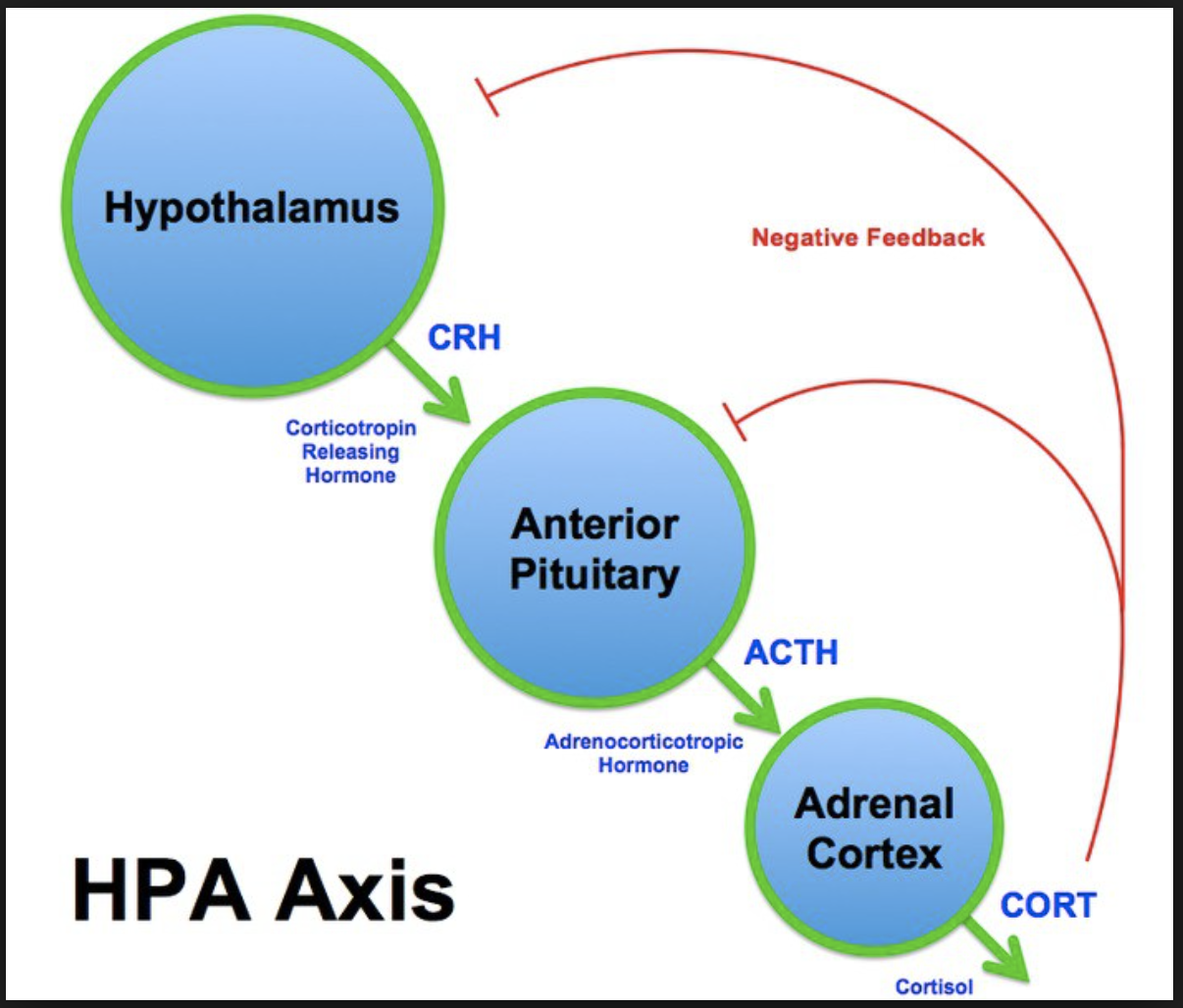
Many retrospective correlational studies have shown how stress experienced by the mother during the end of her second or third trimester can have serious effects on the fetus in regards to autism spectrum disorder. The stress hormones of the mother possess the ability to cross the placenta and negatively affect the HPA axis (hypothalamus, pituitary, adrenals). The HPA axis is a major component of the neuroendocrine system, involved in digestion, the immune system, mood, emotional regulation, as well as how energy is stored and spent. According to Dr. Kinney and Dr. Munir, their published article on prenatal stress and risk for autism, included how autistic children have been shown to have a more hyperactive HPA axis, more than likely due to the mother’s stress hormones.
Screen Shot 2015-12-05 at 12.07.29 AM
 
Further more, if parents want to further evaluate their role in their child’s condition, they should look at the age in which they had their child. If both are of advanced age, studies have shown this tends to have a higher correlation of producing offspring with autism spectrum disorder compared to younger parent generations, as toxins are constantly being built up in the system.
 
But if parents want true answers, and not just someone or something to blame, the unfortunate fact is, there aren’t many. There seem to be multiple possibilities without any firm confirmations.
 
It appears there may just be too much activity occurring in the brains of those with autism spectrum disorder. Some of those examples include an overabundance of synapses, with the pruning mechanisms within the brain appearing to be dysfunctional. With this, it appears as though the gene SOS, and the gene SYNGAP1 are in too much supply and not enough supply respectively, causing overactivation particularly in the MAPK pathway (a pathway responsible for regulation of translation and transcription).
 
But regardless of any form of mental disability, whether that be Autism, or even Downs Syndrome, I must ask some of these parents,
 
would that really change how you love your child any differently?
 
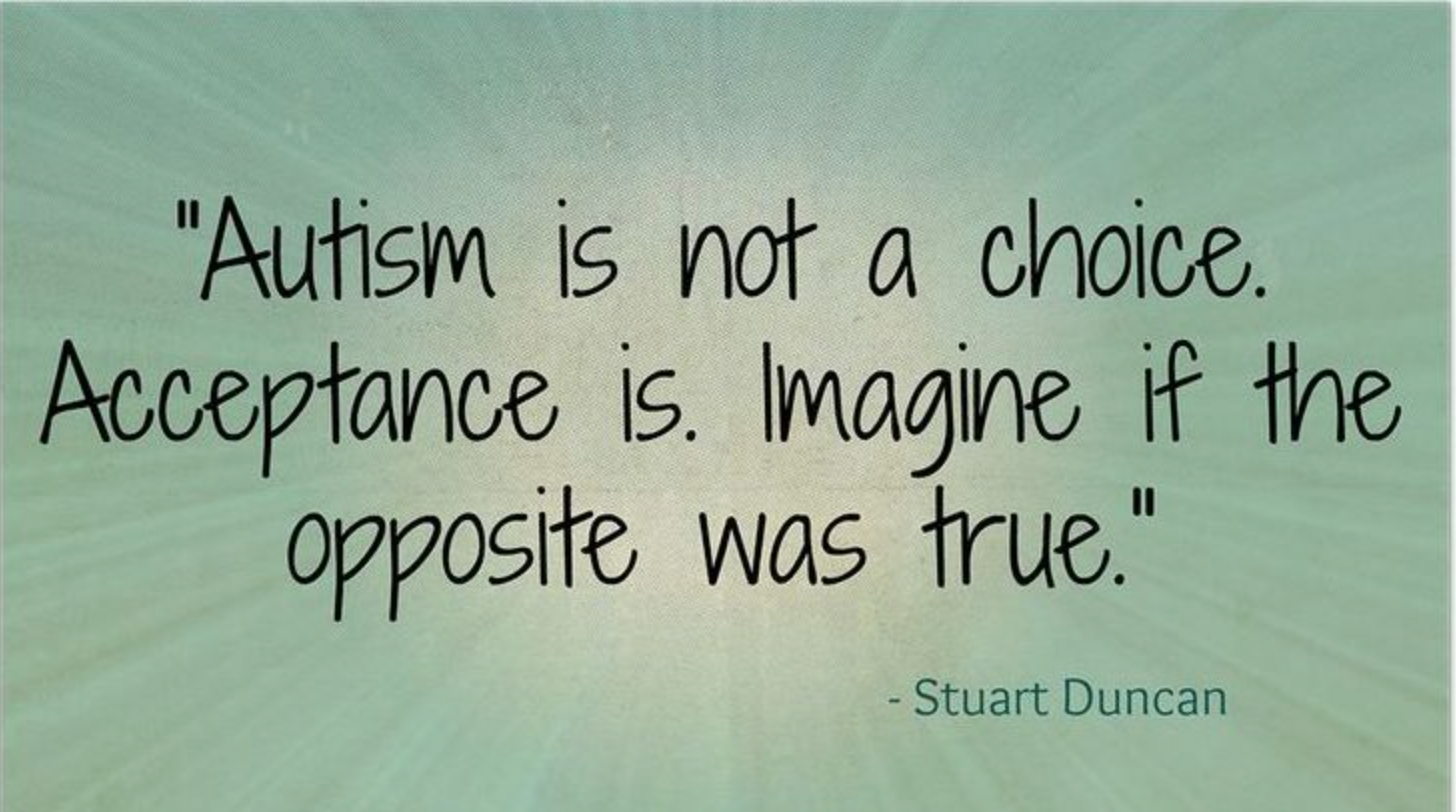
I don’t believe the problem lies “within a world with autistic children.” Who are we to blame? Vaccines? No. Doctors. No. I also don’t believe the blame belongs on the shoulders of the parents either. I believe progress starts with individuals, especially parents, getting correctly informed, and making those conscious decisions to do what is best for all children, regardless of their condition.
 
Screen Shot 2015-12-05 at 12.09.24 AM

The Missing Puzzle Piece: Environmental Factors in Autism Spectrum Disorder

As a symbol representing the face of autism in our society, the puzzle piece has come to represent the diversity and complexity of autism as a spectrum of disorders. It also represents the unique characteristics of each individual with autism, as well as the diversity of families that the disorder affects. In short, the pieces are meant to symbolize the individuality of autistic individuals and their families as well as the connection that each individual has to others living with the disorder. However, I would argue that the most important piece of this puzzle is missing. Individuals and families are not the only diverse aspect of autism spectrum disorder, and they are not the true connection between each case. While subtle, and often undetectable, the true connection lies in the environmental and circumstantial factors that largely contribute to an increased risk of autism.
 
In the most recent article I read for my neurochemistry class, a long, and somewhat grim, list of potential risk factors for autism were reviewed. I hope to highlight some of the promising ones, for it seems that none of the many factors have a direct correlation with the development of autism in one’s offspring. However, each seems to be an environmental, or simply a circumstantial, factor that may contribute to the increased risk of autism in offspring.
 
As I review the some of the potential risk factors, I hope to make clear the amount that circumstance plays in increasing autism risk. Many of the factors are not entirely preventable or foreseeable. They include:
 
Prenatal Viral Infection
Having an autoimmune disorder, coming down with an infection, or simply having allergies can increase the risk of autism in offspring due to the weakened immune system of the mother. These risk factors are inevitable chances one takes when having a child. Preventative measures can be taken during pregnancy to lower infection risk, but the human immune system always has some chance of succumbing to infection.
 
Prenatal and Perinatal Stress
Circumstances such as the death of a loved one, sudden unemployment, living through a natural disaster, or tension in personal relationships can all add large amounts of stress to the life of a person. However, these types of extreme stressors increase the risk of autism in ones offspring during pregnancy. Again, all of these circumstances are unplanned, unavoidable, and to a certain extent inevitable. The stress of events, such as these, lowers the immune system, increasing autism risk in offspring.
 
Parental Age
Both maternal and paternal age can be a risk factor for autism in offspring. Parents 35+ years of age are said to have a higher risk of bearing a child with autism. If only one parent is above the age of 35, the risk of their child having offspring is the same as if both parents are above the age of 35. Genetic factors have been discovered that may contribute to the patho-mechanism in parental age and autism risk. Nevertheless, age is again a circumstantial factor that is becoming more and more common in our society as mothers are waiting to have children later in life. This can obviously be counter acted by having children at a younger age, but with more and more women in the workforce developing careers, it is difficult to encourage all women to do so.
 
Toxins, Diabetes, and Others
Finally, a few last examples of environmental factors include exposure to toxins, either from the environment or from prescription medication taken during pregnancy, and maternal diabetes. Exposure to pesticides is an example of toxins that increase autism risk. Furthermore, medications the mother needs for mental stability can lead to an increased risk in autism in her child.
 
As I hope you can see, autism has the ability to affect any type of family, simply because the risk factors are events, environments, or circumstances that cannot be predicted, or altogether prevented. Autism is a puzzle. It is a spectrum of somewhat ambiguous disorders all connected by risk factors stemming from the environment or simple circumstance. The families of those with autism and those living with the disorder can find community in the network of support surrounding autism, and they can find some solace in knowing that autism is no one’s fault, but perhaps somewhat a happening of circumstance.


Obesity: The Mother's Fault?

It has been proposed that obesity is a disease of the brain. The article we read for class revealed that there are substantial effects on the brain that qualifies obesity as a brain disease, but I don’t think that obesity is solely a brain disease.
Poor nutrition choices and the formation of bad eating habits play a large role in the development of obesity.
Overnutrition can lead to several changes within the brain, which includes inflammation of the hypothalamus, insulin resistance, and hippocampal inflammation and atrophy, just to name a few.
Specifically, insulin resistance, which is caused by an overactivation of insulin receptors, develops in response to a high fat diet, which can eventually lead to cognitive dysfunction.
A high fat diet can also result in an increased number of activated microglia, which causes hippocampal inflammation and can lead to cell damage and loss of hippocampal tissue. Also, hypothalamic inflammation can lead to impaired food intake control. An overall decrease in brain volume has also been noted in obese individuals, specifically a diminution in white matter integrity and a decrease in gray matter volume. All of these changes result in cognitive impairments.
Exposure to overnutrition pre- and post-natally can affect neurological development and disrupt correct feeding behaviors.
Does this scientific evidence suggest that it is essentially a mother’s fault if her child becomes obese?
It seems logical that a mother’s nutrition choices are passed on to her children and could therefore be the reason children develop obesity later on in life. In order to target this issue, education about healthy foods and the importance of eating healthy while pregnant may promote the formation of good eating habits among mothers and eventually their children.
In our class discussion groups, we came to the conclusion that community based education programs should be implemented in order to teach mothers the importance of healthy eating while pregnant and also how to prepare healthy meals for their children.
With education we can prevent obesity by improving eating habits before it’s too late!

Obesity: Health vs. Stigma

Obesity in America has an overwhelming prevalence in adults.  Nearly 36% of adults are considered obese and 1 in 20 are considered morbidly obese. Even scarier, 1 in 6 children ages 6-19 are considered obese.
Most people are aware that obesity can lead to health complications such as type II diabetes, heart disease, and other potentially deadly diseases.  Along with well-known side effects, obesity and poor diets also lead to brain disease.  The obesity problem isn’t getting better either, as long as processed, high fat foods dominate the supermarkets obesity will only continue to worsen.
Obesity, however, is different from other diseases.  It is different because a person is not always 100% at fault for their obesity, but there are still choices that can be made to fix obesity.  Obesity is also related to a person’s lifestyle, so by pointing out and critiquing a person’s obesity-you are also partially critiquing their lifestyle.  This is the reason why obesity has a stigma.
The stigma with obesity stems from the fact that pointing out a person’s problem with obesity is viewed as a personal attack.  The problem with obesity isn’t the appearance of a person, it is the health issues associated with the disease.  By ignoring advice to eat healthy and live a more active lifestyle, people are knowingly putting themselves at risk of life-threatening diseases along with multiple lesser-known complications with their brains.
People should not be defined by their body weight, or any other disease, for that matter; but that doesn’t mean they shouldn’t do everything in their power to get treatment for that disease.  People actively seek treatment for almost every other disease they are afflicted with, obesity shouldn’t be any different.
Society needs to separate physical appearance from a person’s health.  Even though the two may be related, the obesity problem in America needs to be solved because of the health complications associated with the disease.  Most people are aware that high-fat diets cause obesity which then leads to diabetes, heart disease, and other problems; but most are not aware that poor diet and obesity also leads to brain disease.
Hunger is controlled by the arcuate nucleus of the hypothalamus.  The system that controls hunger consists of two neuronal bodies.  POMC/CART neurons suppress hunger by releasing melanocortins when stimulated that induce feelings of satiety.
After a meal, glucose and other factors such as insulin and leptin activate the POMC/CART neurons to make the body satisfied.  The other neurons controlling hunger are the AGRP/NPY neurons.  These neurons cause your body to feel hungry when they are activated or not inhibited.  Insulin and leptin also act as inhibitors of these neurons after meals.
When you consume a diet consisting of high-fat foods your brain produces inflammation that affects the hypothalamus and hippocampus primarily.  Hypothalamic inflammation can lead to both insulin and leptin insensitivity.
When your hypothalamus is insensitive to insulin and leptin, the POMC/CART neurons are not able to be activated as they should after meals.  This results in a lack of satiety following meals which leads to overeating.  Inflammation in the hippocampus can lead to an increase in production of activated microglia which can lead to cell damage and eventually hippocampal atrophy (loss of tissue).  This can lead to cognitive impairment later in life.
In conclusion, obesity is a huge issue in American society.  The stigma about obesity needs to be overcome by separating personal appearance from the disease itself.  We want to end obesity because it is a neurological and potentially fatal disease.
The health issue of obesity is the reason we need to get rid of it; not because a person has less worth if they are obese.  You would not think any less of a person with a different disease, so obesity should be no different.
Featured Image courtesy Salon.

Parkinson’s Disease, an Overview

Parkinson’s disease is the second most prevalent neurodegenerative disorder, following Alzheimer’s Disease. The average age of those who develop Parkinson’s is 60 years old.
The most common symptoms of Parkinson’s are slowness in movement, rigidity, tremors, and instability in posture.
However, a better understanding of Parkinson’s has revealed that there are more than just motor symptoms. Non-motor symptoms, such as depression, sleep disturbances, sensory abnormalities, autonomic dysfunction, and cognitive decline have also been associated with Parkinson’s.
Loss of dopaminergic neurons in the substantia nigra area of the brain is known to be a leading factor in the development of Parkinson’s. Protein aggregates, known as Lewy bodies, are also a classic calling card of Parkinson’s. As these Lewy bodies spread throughout the brain, the loss of dopaminergic neurons begins.
Oxidative stress, partly due to mitochondrial dysfunction, is one of the leading causes of neuronal death, and thus is a major component of Parkinson’s disease. The ability to degrade misfolded, or damaged proteins is also inhibited in Parkinson’s disease. Thus alpha-synuclein, a protein that makes up Lewy bodies is not broken down via the normal methods leading to cell death.
Overactive inflammatory signals, leading to production of reactive oxygen species contribute to cell death as well. In addition to this excitotoxicity, is thought to play a role in cell death in Parkinson’s, but there is less direct evidence to support this claim.
Lewy Bodies

Lewy Bodies

The effort to cure Parkinson’s has led to many different potential treatments, however there is no cure. Monoamine Oxidase Inhibitors (MAO-B), have shown to help slow the progression of Parkinson’s disease, slowing the loss of dopaminergic neurons. Some of the other potential treatments are being explored, but with less success.

Furthermore, there has been difficulty in developing treatments to help suppress the non-motor symptoms. As the treatments have not changed much in the past 30 years, I am hopeful that further research into this disease will help bring about some treatments that could help raise the quality of life of those with this disease.

For more information, and the source of information for this blog post, you can read the article, “Parkinson’s disease: from pathology to molecular disease mechanisms” by David T Dexter and Peter Jenner.
 

Obesity: What Can You Really Do?

Obesity is quite a sensitive topic in today’s world.
Obviously it is not very polite to call someone fat or to say that they are obese because they would find that very offensive, but also it is hard to talk to someone about there weight problem if they do have one because it has become such a sensitive and taboo topic in today’s society.
This creates many problems because although it is impolite to talk to someone about their weight, there are times where it can cause serious health issues if it gets out of hand, and the only way to solve these issues is to talk about how a change in lifestyle needs to take place.
Now I know some people will disagree with me, but I think it is good that no one should be judged by their weight, but this can’t create a shadow over the issues that being overweight can cause.
It seems that our society is shifting to a way in which it embraces being overweight and no longer looks at it as a problem but as the norm and this is because of the fact that these issues are being overshadowed by the love your body movement and different things of that nature.
I think some changes need to be made because while it is good for everyone to love their body, there also needs to be a time where people realize that maybe they are overweight and some lifestyle changes should be made. Im not saying that we all need to slim down to the point where we look like models because that is unhealthy too, but we just need to look at ways to live a better and more healthy lifestyle where we are able to talk about our weight.
In order to do this, I just want to talk about some diet choices that can be made to make this process go more smoothly.
You can still eat as much food as you normally do, and by normal I mean within reason, but it just needs to be healthy food choices. Now by healthy I mean foods like fruits, vegetables, poultry, beans, nuts, fish, and whole grains. Looking at that list, I think that would be pretty manageable and would still taste pretty good too!
Now there are some foods that you also want to stay away from that may appear healthy. These foods are red meat, sweetened drinks and yes this includes fruit juices, refined grains, processed meat, and potatoes which includes french fries and things of that nature.
Some of those items may have been obvious and some may not have. Both of those lists are a starting point if you want to pursue a healthy diet, and there are obviously a few more things that could be added to each list but that gives you a general idea.
Another important component I just want to add is that exercise is also important in maintaining a healthy lifestyle. Being active keeps your body up to par and will aid in maintaining a healthy lifestyle.
Now I could go on and on for quite some time, but I will just cut it off there. I know that people will disagree with some of the statements that I made, but I think there is some truth in what I had to say.
Being in this neurochemistry class and seeing the effect that obesity can have on people makes me think that it is something that can’t be beaten unless you talk to someone about it.
Without the help of those around you, obesity can get the best of you and changing your lifestyle can be very difficult. That is the sole reason why I think our society needs to more openly accept talking about obesity as a problem and not just embrace it.

Obesity: Moderation or Modulation?

There is an obesity crisis in the Unites States.
We are getting fatter and fatter every year in this country, with now 33% of adults in this country being classified as obese.
That is f***ing ridiculous. How can we as a country be taken seriously as a shining example of what a country should look like, but also be engaged in the unhealthiest of food practices that is causing drastic downward spirals in our citizens health?
The truth is is that we have slipped off the leader board in terms of national health and until we solve this obesity crisis, we will never get back on top.
So how do we do that? How do we overcome a disease that to many seems more like a motivational problem than a physiological one? Obesity has the stigma of being merely a problem that can be solved with diet and exercise, and to a point, that is true.
But now, new research has led to us knowing that just what we consume can actually affect our brain chemistry and tell us to keep consuming it, in events that may even lie outside our control. T
hat is the scary part of poor quality food consumption that I think needs to be addressed on a larger scale. It is one thing to tell a person that they need to eat healthier, (ie more fruits/veggies, less fatty foods and carbs) but to actually convince them, we need more raw facts, more information that can convince them of just what they are doing to themselves.
High fat foods are shown to alter your perception of food after even a short period of time (1-3 days). You begin to suffer neuronal damage, that though is initially reversal, can become permanent if food is abused over a long period of time.
Perceptions of food also begin to change as your diet becomes increasingly more unhealthy. In a study done in 2011, researches found that individuals who were obese had greater sensory responses to food or food reward in comparison to those of healthy body weight.
They said that these kinds of reactions to food were due to repeated exposure to high palatability foods that led to an increase in wanting of those foods that led to a continuous cycle of poor nourishment. The obese individuals were also placed at greater risk of continued overeating and weight gain in comparison to healthy individuals.
Once addicted to the unhealthy foods and the false positive feelings they bring, it can be a difficult trend to break free from.
This is why weight loss is such a challenging thing to achieve. You need to overcome the barriers of buying healthy food and forcing yourself to engage in exercise and healthy activity, as well as realize that your brain is going to be working against you and telling you to cave and go back to that junk food.
So what is the solution? I personally believe it starts with a good support system that encourages you to stick to your goals and can help keep you on the right track to healthiness. Whether this involves education, workout programs, diets, etc. it really depends person to person. Once the right program is found, healthiness can be achieved.
#MakeAmericaHealthyAgain
 

Spam prevention powered by Akismet