
Have you ever heard the lie that the brain can’t feel pain? Try telling that to someone with chronic migraines. Okay… well… it is only kind of a lie. It is true that the actual tissue of the brain cannot sense pain (i.e. it has no nociception), but the blood vessels of the brain can indeed sense pain and are not afraid to activate those pain receptors (nociceptors) at the first sign of blood vessel expansion (vasodilation).
Migraines are defined as recurring one-sided headaches accompanied by vomiting and sensitivity to light and sound. These pains in the head are due largely to vasodilation and inflammatory responses of the blood vessels that supply the brain with blood. This vasodilation can be caused by the parasympathetic nervous system (the “rest and digest” part of the nervous system) and some of the chemicals it releases including NO, VIP and ACh. Another nerve called the trigeminal nerve also plays a huge role in migraines. It can release CGRP which is a chemical highly linked to vasodilation and inflammation and the induction of migraines.
While there is still much we do not know about migraines, anyone who has ever had one can tell you that more research should be done to find treatments for these excruciating events. As of yet, there are three main treatments for migraines: triptans, which activate serotonin receptors to constrict the vessels; gepants, which block CGRP receptors to counter vasodilation; and glutamate antagonists, which inhibit glutamate receptors. Also, botox can be used as a treatment for migraines.
Migraines are a complex and individualized disease with many possible processes of origin and a vast array of symptoms and recurrence. They are a hard neurological disorder to peg down and need to be researched much more in depth before treatments and even prevention can become as effective as possible.
Migraines: It Really is All in Your Head
This week’s article is more of a common occurrence than most of the others. It is something I have had described, but have not experienced personally. I have been told the pain is so excruciating and sensitivity to sights or sounds are heightened. An individual might form an aura for the duration of the attack, manifesting as a bright light, scent, or hallucination. About 1 in 4 households have someone with this neurological disease; the primary age group are those between the ages of 20 and 50. The World Health Organization ranks this as one of the top 20 most disabling illnesses. If you haven’t guessed already – the topic for this week is migraine.
Migraines are a disorder in the brain involving the vasculature of the CNS. The current understanding for the pathophysiology of a migraine is still a conjecture and requires more research to gain a better understanding. The big players in this pathway include the trigeminal nerve, the Middle Meningeal Artery (MMA) and other cerebral arteries, and the brainstem and cortex of the CNS. The trigeminal nerve is a cranial nerve responsible for receiving sensory signals from the face. The nerve is divided into three branches. One branch specifically, the opthalmic, innervate the upper areas of the skull associated with migraine pain such as the temple and forehead. Activation of the trigeminal nerve leads to the release of neurotransmitter calcitonin gene-related peptide (CGRP) and Neuropeptide Y (NPY) – two proinflammatory molecules. CGRP is a major presence in trigeminal system and is thought to initiate vasodilation of cranial vessels such as MMA. A resulting sensory signal is sent to the brainstem and the cortex for perception of the pain.
Several medications exist which attempt to decrease the nociception and the vasodilation which occur during a migraine. These include triptans, gepants, and glutamate inhibitors. Triptans target 5-HT, a serotonin receptor on cranial blood vessels. Triptan is a 5-HT agonist which increases vasodilation, and inhibits the release of pro-inflammatory molecules such as CGRP. Gepants are CGRP antagonists which act by decreasing vasoconstriction. Lastly, glutamate receptors target the neurons involved in the pathway. Tropiramate is one antagonist which decreases the activation of neurons by decreasing intracellular calcium levels. Low calcium levels does not allow a neuron to depolarize and to continue the signal. The drugs developed attempt to alleviate the pain and vasoconstriction of a person with migraines, but many side effects lead to individuals opting not to take the medications.
Research on migraines has tried to explain the contributing factors of migraines. As is the case with all of the neurological diseases, there is still a need for more research and a better understanding of the mechanisms. The current knowledge is used in the drug therapies for migraines, but there is room for improvement. Individuals with acute migraines may be able to tough it out, but a better quality of life could be obtained for those with chronic migraines with more sound research.
My Capstone Experience – BREWing Made Easy
Concordia College is a liberal arts college that focuses its mission on sending responsibly engaged individuals into the world, otherwise known as BREW. All of Concordia’s classes center around the idea of BREW, but it is the Capstone Courses that highlight and amplify the true meaning behind BREW. Along with BREW, Concordia’s goals for its liberal arts education include instilling a love for learning, developing foundational skills and transferable intellectual capacities, and understanding disciplinary, interdisciplinary, and intercultural perspectives and their connections, and cultivating an examined cultural, ethical, physical and spiritual self-understanding.
Unlike other classes, the Neurochemistry Capstone offers a chance for students to be co-investigators into the papers and topics that are explored. For many, it is really the first time that they are put onto the same level as the professor to come up with explanations, solutions, and future possibilities for the topics at hand. The class is discussion based and provides a chance for students to discuss the material, ethical matters, and possible solutions behind each topic. Many times the topics are somewhat new to the professor as well, meaning that the professor is learning along side the students, unlike most other classes. The structure of the class starts out with the first day discussing the paper and making a list of what materials need a little more understanding. Each student then is assigned one of these topics that they will then present to each other during the next class day, which we call “Speed dating”. Speed dating is the chance for students to really teach one another about the topic that they have chosen to research and it allows students to interact one on one and explore the details of each topic. The third class day of the week is discussion day. Discussion leaders are selected each week and our class is split up into two groups. These discussions look into everything from what we have learned throughout the week to pending questions. Our discussions reach everywhere from possible treatments to ethics. Finally, each of us write a blog in response to the topic covered that week.
As an ACS Neurochemistry and Biology double major, I was excited to see how I could take what I had learned in my other classes to explain neurodegenerative diseases that are affecting millions of people around the world. I was not sure what to expect when we started classes this fall. I had never experienced a class that was laid out in the same format as this class. However, I believe that the structure of the class allowed for the best possible learning experience for the topics and papers that were covered throughout the semester. This class is able to challenge students into looking at the big picture of the central nervous system disorders and hypothesize possible prevention and treatments for them. Not only do you learn about a particular disease, but you also explore its unknown charters. We also look at other factors that affect the chances of a person being diagnosed with certain diseases such as gender, ethnicity, age, and so forth.
We learned everything from mechanisms and pathways for particular proteins and diseases, to drug protocol, and politics. However, probably the most important thing that I have learned and will take with me from my travel through Neurochemistry is the importance of regulation and balance. Many of the diseases and disorders that we looked at all had some type of background affect of something being out of balance and causing factors that influence, and perhaps, resulted in the disease. We see this in every day life as well. When we overeat or under eat, when we have unbalanced sleep, and so forth, we endanger our health. With everything we need to remember that too much of a good thing can be a bad thing, too little of a good thing can be a bad thing, and so moderation is key.
This class is able to develop the goals of Concordia’s education in many ways. Unlike some classes, multiple disciplines come into the learning in Neurochemistry from Psychology, Chemistry, Biology, political policies, and so forth. Neurochemistry is able to explore different disciplines and how they work with and deal with these issues that we discuss each week allowing students to better develop an understanding of disciplinary and interdisciplinary connections. Also, the way that the class encourages looking at the connections between the disorder, possible pathways, and treatments helps to better the critical thinking skills of each student.
Overall, I believe that Neurochemistry taught me many things and helped me to better develop my understanding of hot topics in the area of Neuroscience. I feel that my liberal arts experienced has been enhanced by this class as it has allowed me to use my framework education to create a greater connection between the different areas of study. Neurochemistry has allowed me to get the most out of my undergraduate education, which will assist in my success in my future endeavors.
The Painful Reality of Migraines
Among the diseases and disorders we have covered so far, many of them have been the result of aging, exposure to environmental factors, and/or inherited genetically. The effects of these diseases have also continuously progressed as aging continues. This week in Neurochemistry we tried to tackle the complex nature of migraines. Being fortunate enough not to have ever had a migraine, it made it hard to understand what people experience when a migraine is occurring. A few students in the class talked about their experiences with migraines and how they are so debilitating and the most painful thing that they have ever experienced. So we dug deep this week to try and understand what exactly is going on with migraines.
In the United States, about 1 in 4 households have someone who experiences migraines and over 10% of the population, including children, suffer from migraines. Women also experience migraines three times as often as men and migraines seem to have a genetic component. Research has shown, that a child has a 40% chance of suffering from migraines if one parent also suffers from them, and that chance goes up to 90% if both parents suffer from migraines. Migraines are most common to peak during what are called the “productive years” between the ages of 25 and 55. Because of the normal age ranges that many experience migraines, it is thought that stress may also be a factor leading to the development of migraines. During these years, many are finishing school, getting jobs or retiring, starting a family, and also in the older generation having secondary families. It is a hectic and stressful time for many.
So what exactly is happening during a migraine, and what causes some to experience them and others not to? It is not exactly known what causes migraines, but some research has shown that vasodilation could be a root cause of them. One believed cause of increased vasodilation, is in relation to the Calcitonin Gene-Related Peptide (CGRP). It is believed that alternative splicing of the calcitonin gene, which is produced in the periphery and central nervous system neurons, and result in increased vasodilation, leading to a migraine. Other pro-inflammatory agents are believed to be associated with migraine development as well, such as serotonin, bradykinin, histamine, and prostaglandin. These different chemicals are believed to irritate the pain receptors, nociceptors, in the area of the trigeminal nerve. The trigeminal nerve is the fifth cranial nerve that provides sensation for the face, and motor functions for mastication. The trigeminal nerve has three branches the ophthalmic, maxillary, and mandibular nerve branches. The ophthalmic branch of the trigeminal nerve is believed to be the main nerve affected in migraines, as it is located in the temporal region of the cranium where migraine pain is many times associated.
There are three main types of treatments that are used for migraines triptans, gepants, and glutamate antagonists. Triptans are of a family of tryptamine-based molecules that are used to treat only a single migraine episode. They work by acting as an agonists for 5-HT receptor, which are serotonin receptors, which are located on the blood vessels in the brain. When these receptors are activated they cause constriction of the blood vessels as well as inhibition of pro-inflammatory neuropeptide release, and triptans work to increase these 5-HT receptor activation. Some research has shown that triptans may actually work to inhibit the release of GCRP as well. Gepants are CGRP antagonist molecules, and are being developed in the hopes to help prevent migraines. These drugs have no vasoconstricitive properties, which prevent them from causing some of the vascular side affects seen with the use of triptans. The last are glutamate antagonists that work by inhibiting receptors that bind glutamate. By binding to these receptors it helps to limit the activity of glutamate and decreases the intracellular calcium levels, slowing the depolarization of the cell down, which helps to decrease the pain receptors signaling. Besides these drug treatments, Botox has also been used for treatment of migraines. Botox uses the botulin toxin in small concentrations to stop the communication of neurons. In Botox treatments, a small solution of botulin toxin is used in a localized area to help prevent nociceptors from communicating the signal of pain to the brain, relieving the pain that is experienced during a migraine. However, many of these treatments do not relieve the debilitating effects of migraines permanently.
When looking at the number of people who suffer from migraines, one thing is for sure; more research should be done to look at improving current treatments and looking for possible cures. Migraines prevent many from doing daily activities and many times inhibit any form of activity. Some people may deal with these monthly, or even as extreme as weekly, which can really decrease the quality of life in these individuals. To better improve the quality of life in these individuals, there needs to be a push for drug companies to expand their resources and help to develop drugs that prevent these mind splitting headaches.
References:
- http://www.migraineresearchfoundation.org/fact-sheet.html
Migraines: Breakthroughs Still Needed
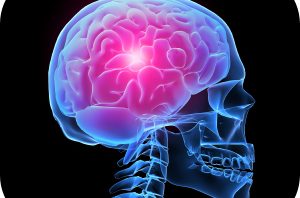
The pain and discomfort migraines cause can only be truly understood by someone who has experienced one. I have never experienced one however those close to me have. Sure, I’ve had headaches here and there but nothing that could completely knock me on my ass and keep me there until it’s gone. Migraines can completely bring people’s lives to a halt until they pass. This causes people to struggle with work, school, or everyday life if they are suffering from them. We have pain medications for all sorts of problems in our body and most of the time we have a long-term fix for what’s causing the pain. However, why is it that migraines are not just like other problems? Why can’t we just get them taken care of for good? Well, to fix something that is wrong you need to start at the beginning. The problem with migraines is that the beginning of them remains elusive to researchers.
The pain experienced in migraines ultimately results from vasodilation of cerebral blood vessels. The vasodilation occurs because neuropeptides are released (primarily CGRP) by intrinsic nerves and prompt and inflammatory response in that area. This activates the sensory neurons in the area of the vasodilation. The primary source of sensory neurons in the head comes from Cranial Nerve V (Trigeminal Nerve). There are three branches to the nerve and they are the mandibular, maxillary, and ophthalmic branches. The maxillary and ophthalmic are purely sensory branches and are believed to be responsible for responding to the release of the neuropeptide CGRP causing a synapse through the brain stem. This synapse continues through the thalamus and then to the cortex of the brain and is interpreted as pain. The beginning cause of the migraine is hypothesized to originate somewhere in the brainstem however a specific pathway or location is not yet discovered. Though we cannot eliminate migraines from our world yet, we can manage them and treat those with them using drugs classified as either Gepants or Triptans.
Triptans are a class of drugs that act as agonists (activators) of 5-HT receptors on cranial blood vessels which causes constriction of the vessels. This class of drugs also acts as inhibitors of the release of pro-inflammatory neuropeptides. Triptans are not used as preventative they only can be used to treat single migraine episodes. Triptans should be taken with caution due to their vasoconstrictive nature. Gepants act as CGRP-antagonists in order to act as a preventative medication for those who regularly suffer from migraines. Because Gepants are not vasoconstrictors they don’t have adverse side-effects and are a positive light of hope for those who suffer from migraines.
There is still a lot of research that needs to be done in order to find an end-all cure for migraines because we can’t hope to end them if we don’t truly know where or how they begin. However, thanks to breakthroughs in medications like those with triptans and gepants, those who suffer from migraines can get back to their lives quicker than ever.
Until next time,
Sebastian
Autism and Stress: Quit Stressing Out Mom!
Autism disorder has a wide spectrum of severity ranging from high functioning to low functioning individuals. This disorder is characterized as affecting communication skills, social behavior and learning abilities. Autism has been distinguished as highly genetic but new evidence has linked environmental factors during gestation of a human baby and the susceptibility to it has to being born with autism.
There are many environmental factors that I have been linked to autism including zinc deficiency in the mother, maternal diabetes, the age of parents during conception as well as prenatal exposure to various toxins including valproic acid or thalidomide. The factor that I want to focus on in this blog post is stress on the mother and its affect on the baby being born with a form of autism. No mother wants to hear that it is their fault their baby developed a form of autism, but recent research has shown that heightened prenatal and perinatal stress has been seen to possibly lead to increased chances of their baby developing a form of this disorder.
The hypothalamic pituitary adrenocortical (HPA) axis plays a major role in the regulation and response to stress. When the HPA axis is activated, there is a release of cortisol, which is the primary stress hormone in humans. Cortisol stimulates placental adrenocorticotropic-releasing hormone (CRH) in pregnant women and fetuses so there is a positive feedback loop created between them. Cortisol is needed in normal fetus development but too much of it has been shown to have very negative affects. Under stressful conditions and sustained activation of the HPA axis in the mother, there is a loss of the positive feedback loop between the mother and child due to extremely high levels of cortisol. With the imbalance of cortisol (levels being too high) and the loss of the positive feedback loop, research has shown that there is an increased risk in the occurrence of Autism in the developing baby. Pregnant women general have 2 times higher cortisol levels than that of non-pregnant women, so as I said cortisol is needed in normal fetus development. It is when the levels of cortisol are TOO high (due to sustained activation of the HPA axis) that the baby could be affected.
There are more cases of Autism disorder than ever before and many do not know if this is due to an actual increase in the incidence of Autism or if it is simply being over-diagnosed. Regardless of that issue, there seems to be many different factors that can cause Autism to arise in a person. Genetic factors as well as environmental factors have been scientifically shown to play a role in the risk of Autism arising in an individual. It wasn’t until reading this article did I realize how many things could do wrong in a pregnancy and yet somehow millions of people all over the world are able to give birth to healthy babies everyday. It amazes me that healthy babies can even be born due to the large amount of factors that could affect a fetus negatively. Hopefully more research will give rise to more information on this disorder which overall is quite the mystery because there is still no cure.

http://www.opposingviews.com/sites/default/files/featured_image/belly_4.jpg
The Environmental Autism
Autism is a disorder that most of us have heard of and are aware of some of the behavioral issues that can accompany someone diagnosed with this disorder. Autism is a developmental disorder that can range on a wide spectrum from Asperger’s disease to severe autism. It’s characteristics include awkward social behavior and trouble communicating with others.
Scientist have been conducting research about this disorder but are still unsure what exactly causes it. They have learned that like most brain disorders genetic factors can play a role in it. Also they have found that nutrition and other factors such as stress during fetal development and early childhood can have a huge impact in developing Autism.
This poor nutrition, such as a deficiency in zinc can lead to learning and memory impairment. Because of this it is important to make sure that pregnant women are maintaining a diet that balances their zinc concentrations. Aside from nutrition, stress can also increase the risk for autism by weakening the immune system which increases the risk for viral infections that can hinder brain development. Scientists have not found a direct cause of Autism, but being conscience of the environment a child is developing in can greatly reduce the risk of Autism.
It is always hard to admit that there is a limited amount that scientists know about such an important disease, but they are making great progress in the right direction. One thing we can do as the general public is inform ourselves on the disease. Knowledge is a very powerful tool that can be used to help people understand how to interact and be patient with a person who has autism.
Mom and Dad: Our Role in Autism
Mom and Dad: Our Role in Autism
Autism is a developmental disorder that is characterized by impairment in communication and social behavior. But there is no single exact idea for what exactly autism is; it exists as a spectrum from nearly unnoticeable to extremely severe. Because of this, physicians often have a difficult time diagnosing patients as autistic. Also, because autism is a developmental disease, it is first recognized in children when they are most often quite young. As autistic children mature and develop, a range of symptoms can appear such as problems with facial expressions, lack of empathy, repetitive use of language, and preoccupation with certain topics to name a few. For a more comprehensive list of possible symptoms, you can visit the following link: http://www.webmd.com/brain/autism/autism-symptoms.
But what lies at the heart of this disorder? What brings about its cause, and is there a way it can be treated? If we think about the situation, because the disease has its onset so early in the child’s life, I think of a few possible culprits: 1. Genetics, 2. Developmental Issues (either by random chance or by maternal influence in utero), and 3. Early environmental influences after birth. Autism is quite common, and many people have somewhat of an idea about what this disorder is. But there are many new and interesting factors of which most people are unaware!
For this brief article, I want to focus in on the role that “Mom and Dad” might have. I hope to touch collectively on some interesting ideas that you may not have thought of before that may play a role in the onset of autism. However, I will not claim that any of these specific things will certainly cause autism; as a whole, even researchers still are not sure exactly what the overall cause is. Ultimately, it appears that there are many factors in play that there is not necessarily ONE specific cause. Rather, the cause of autism should perhaps be considered a convoluted interweaving web of factors─ the sum of which collectively forms the disorder we have come to describe as autism. But I digress; let’s explore what scientists have learned thus far.
Talking about Dad is short. In development, we know that his role is important, but after conception, there is not much he can do for the development of the baby other than offer his tender love and care, making sure that the mother is comfortable and healthy. Nevertheless, his sperm must contribute half of the genetics to the child. Because men produce sperm continually, there is a small chance for random mutations in the genes to occur in each sperm. As the man ages, these random mutations can accumulate, and the risk for one of them to contribute to autism is therefore increased. On the other hand, females carry all of their eggs and do not produce new ones, so the risk of accumulating mutations is not a factor unless the mutations had been present from birth. So in the case of the mother, the factors that contribute to autism must come from elsewhere.
The mother has an incredibly important role in the development of the child. It is honestly a miracle that her body is able to coordinate the growth of another human being inside of her. With all of the parts and pieces that must be perfectly aligned, it is amazing that it all happens correctly!
During development, a variety of factors such as poor nutrition, bacterial/viral infections, and high stress can all contribute to the risk of autism. How you might ask? Again, we do not know exactly, but I will tell you what we do know so far. In nutrition, zinc is especially important. A zinc-deficiency can lead to neuropsychological symptoms such as learning and memory impairment. In addition, it can also lead to impairment of the immune system. When the immune system of the mother is impaired, the fetus is more at risk for damage from bacterial/viral infections while still in the uterus. In this critical time of development, any problems from outside factors can be detrimental to the baby. Finally high stress placed on the mother can dislodge the equilibrium of the child and may lead to impairment of the child’s immune system. Then, when born, the child can be at higher risk for bacterial/viral infection that can further hinder the child’s brain development.
Overall, it is impossible to place blame on either parent, or on any single factor for being “THE CAUSE OF AUTISM.” We really do not know enough about autism to be sure, and much more research must be done as we move toward a better understanding of the disorder. In the future, I hope that we will come to know an exact cause of autism and how it can be treated. However, in the meantime, it is important to be aware of some of these risk factors as we proceed in attempt to give ourselves the best chances for reducing the prevalence of autism for the future.
Final thoughts on autism written by Steven Dotzler
How Mom and Dad Cause Autism
Autism, a developmental disorder that has its roots in both genetic as well as environmental factors is characterized by learning and social behavior impairments. According to recent research, the environmental factors may be more entangled with the genetic factors than was thought previously. As you might expect, the behavior and lifestyle of an expecting mother has a lot to do with the risks of autism for her unborn child. Less understood, however, is the effect the father has on a child’s risk of developing autism.
Some important environmental factors linked with the mothers health are immune system abnormalities and zinc deficiency. Immune system abnormalities is obviously a negative thing for a pregnant woman as any deficit in her immune system can lead to things like viral infections that can damage the fetus’ neurodevelopment. It can be caused by various different things such as prenatal stress, toxins, melatonin deficiency, and even the age of the mother.
Zinc deficiency may be a little more ambiguous to someone not familiar with studies on autism. Zinc is a metal ion used in many processes in your body and competes for absorption with calcium ions. Low zinc levels have been associated with not only autism but patients with bipolar disorder, eating disorders, and depression as well. Low zinc levels are usually caused by abnormal eating habits such as pica, or the eating of non-nutritive substances. Zinc deficiency and immune system abnormalities are linked by many different factors and are correlated with the genetic factors of autism as well.
Not to put all the blame on mothers, fathers also have some say in the genetic makeup of a child. It was found that the age of the father could have some relation to the risk of autism in the child. As the father ages, genetic mutations in the sperm cells become more and more prevalent. Because autism has a very real genetic component as well as environmental, these mutations don’t bode well for developing fetuses.
Vaccinate Your Children
This week we discussed autism in our neurochemistry course. Most of our discussions have revealed this year that the diseases and disorders in the brain are incredibly complicated. Autism is not, in this sense, an isolated case. It has many complicated genetic causes. Some of these genetic causes come about from mutations called de novo mutations in the father’s germ line. The paper we read discussed many of the environmental factors associated with causing autism. A couple of these include immune system of the mother, zinc deficiency, and stress on the mother during prenatal and perinatal timescales.
I found many of these pathways interesting, but their highly convoluted nature made it hard to formulate a possible plan of attack to combat, cure, or treat autism.
With all this confusion it’s hard to know where to go or what to do about the rising diagnosis of autism. However, what is painfully clear about autism is that vaccination absolutely does not cause autism. This terrible misunderstanding is the vestigial tail of a fraudulent claim made by a scientist in the UK. The ramifications of this claim are incredibly detrimental. In the 20th century mankind, through science, has accomplished unbelievable things such as the eradication of diseases that once plagued humans. These diseases killed many of our ancestors and maimed many more, and we now have the beautiful gift of not even fearing smallpox or polio. The anti-vaccination movement, founded on this ignorant study out of the UK, has sought to bring these diseases back into our society for some odd reason. The authors of the paper we read, and many other scientists, explicitly and in no uncertain terms have repeatedly said that vaccination does not cause autism. So parents, please vaccinate your children.