
Alzheimer’s Disease and Polycystic Ovarian Syndrome: Is “Type III Diabetes” a Women’s Health Crisis?

Alzheimer’s disease and Polycystic Ovarian Syndrome (PCOS) are two seemingly unrelated conditions that disproportionately affect women. Alzheimer’s, a devastating neurodegenerative disease causing symptoms such as memory loss and cognitive decline, is the leading cause of dementia and affects over twice as many women as men[1]. PCOS, on the other hand, is a common hormonal disorder that impacts 1 in 10 women of reproductive age, causing symptoms like irregular periods, weight gain, and fertility issues[2]. While these conditions appear distinct, emerging research suggests they may be linked by a shared underlying mechanism: metabolic dysfunction.

What is “Type III Diabetes”?

The term “Type III Diabetes” describes the link between insulin resistance in the brain and Alzheimer’s disease. The 2020 review “Insulin signaling pathway and related molecules: Role in neurodegeneration and Alzheimer’s Disease” highlights how impaired insulin signaling in the brain contributes to the accumulation of amyloid plaques and tau tangles, leading to Alzheimer’s disease progression[3].

Insulin resistance is also a key feature of PCOS. Women with PCOS often struggle with metabolic issues, including difficulty regulating blood sugar, weight gain, and a highly increased risk of Type II Diabetes[4]. This overlap raises an important question: Could the metabolic dysfunction seen in PCOS increase the risk of Alzheimer’s disease in women?

Understanding PCOS

PCOS is a complex hormonal disorder that affects the ovaries and the body’s ability to regulate androgens. Common symptoms include irregular menstrual cycles, excess hair growth, acne, and ovarian cysts. PCOS also impacts metabolism, inflammation, and even brain health.

One of the noted features of PCOS is insulin resistance. Additionally, women with PCOS often have imbalances in estrogen and progesterone, hormones that play a protective role in brain health[4]. These hormonal and metabolic irregularities may potentially lead to the pathogenesis of neurodegenerative diseases like Alzheimer’s.

The Overlapping Science

The connection between Alzheimer’s and PCOS lies in their shared biological and pathological mechanisms. Both conditions are characterized by insulin resistance, chronic inflammation, and hormonal imbalances, all of which can negatively impact brain health.

Insulin Resistance:  When the body becomes resistant to insulin, it struggles to regulate blood sugar levels, leading to elevated insulin and glucose in the bloodstream. Insulin resistance is associated with increased production and reduced clearance of amyloid-beta plaques. Insulin-degrading enzyme helps to clear these plaques but is less effective when a person is insulin-resistant. Amyloid-beta plaques also bind to insulin receptors, thus further exacerbating insulin resistance. Insulin resistance can activate kinases that hyperphosphorylate tau proteins, causing them to form neurofibrillary tangles. These plaques and tangles are hallmarks of Alzheimer’s and cause cell death in the brain[3].

Mechanism of insulin resistance and other clinical features of PCOS... |  Download Scientific Diagram
The mechanism of insulin resistance and other symptoms in PCOS [4].

The relationship between PCOS and insulin resistance is complex and bidirectional, meaning they can influence each other in a cyclical manner. It’s not entirely clear which comes first, as both conditions are intertwined and can exacerbate one another. Elevated insulin levels directly affect the ovaries by producing more androgens and reducing the liver’s production of sex hormone-binding globulin, increasing the levels of free androgens in the bloodstream. Insulin resistance can also disrupt the hypothalamic-pituitary-ovarian axis, leading to hormonal imbalances that further exacerbate PCOS symptoms. In turn, hyperandrogenism from PCOS alters fat distribution and impairs glucose metabolism, causing insulin resistance[4].

Inflammation: Chronic, systemic inflammation is a key feature of both conditions, likely exacerbated by insulin resistance. In PCOS, inflammation is driven by metabolic dysfunction and elevated androgens. Studies have found increased levels of inflammatory markers, such as cytokines and c-reactive proteins, in women with PCOS[4], [5].

Inflammation and Alzheimer's Disease: Mechanisms and Therapeutic  Implications by Natural Products - Rather - 2021 - Mediators of Inflammation  - Wiley Online Library
Neuroinflammatory pathway in Alzheimer’s disease [6].

In Alzheimer’s, inflammation in the brain exacerbates neurodegeneration. As mentioned earlier, tau and amyloid-beta aggregation are hallmarks of Alzheimer’s. The presence of tau and amyloid-beta activates glial cells, which act as support and immune cells in the brain. These glial cells become chronically activated, which triggers the release of pro-inflammatory cytokines and reactive oxygen species[3]. The elevated levels of inflammatory markers in both PCOS and Alzheimer’s may suggest a shared inflammatory pathway.

Hormonal Imbalances: Estrogen, a hormone often imbalanced in PCOS, plays a protective role in brain health. It helps regulate glucose metabolism, reduces inflammation, and supports the growth and survival of neurons. Women with PCOS may experience fluctuations in estrogen levels, which could increase their vulnerability to Alzheimer’s, especially after menopause when estrogen levels decline[2].

Is PCOS a Risk Factor for Alzheimer’s?

While the exact relationship between PCOS and Alzheimer’s is currently being studied, there is growing evidence to suggest that women with PCOS may be at higher risk for cognitive decline later in life. A recent study found that women with PCOS performed worse on memory and cognitive tests compared to women without the condition, likely due to the increase in androgens[7]. Additionally, the metabolic and hormonal disruptions seen in PCOS (such as insulin resistance, inflammation, and hormone imbalance) are all known risk factors for Alzheimer’s[3]. While these studies begin to illustrate the relationship, future research should focus on the directionality of the links between insulin resistance, PCOS, and Alzheimer’s.

The connection between Alzheimer’s disease and Polycystic Ovarian Syndrome highlights the complex interplay between metabolism, hormones, and brain health. By understanding the shared mechanisms underlying these conditions (particularly insulin resistance and inflammation) we can develop more effective strategies for prevention and treatment. For example, metformin, a commonly used drug used to treat insulin resistance in women with PCOS, is being explored as a potential treatment for Alzheimer’s[3]. As research continues to uncover the links between PCOS and Alzheimer’s, it’s clear that addressing metabolic health is not just a matter of managing symptoms but a critical step in protecting women’s long-term brain health. “Type III Diabetes” serves as a powerful reminder that the health of the body and the brain are deeply interconnected and that women’s health deserves greater attention, investment, and education.

References

[1]       M. M. Mielke, “Sex and Gender Differences in Alzheimer’s Disease Dementia,” Psychiatr. Times, vol. 35, no. 11, pp. 14–17, Nov. 2018.

[2]       R. Deswal, V. Narwal, A. Dang, and C. S. Pundir, “The Prevalence of Polycystic Ovary Syndrome: A Brief Systematic Review,” J. Hum. Reprod. Sci., vol. 13, no. 4, pp. 261–271, 2020, doi: 10.4103/jhrs.JHRS_95_18.

[3]       A. Akhtar and S. P. Sah, “Insulin signaling pathway and related molecules: Role in neurodegeneration and Alzheimer’s disease,” Neurochem. Int., vol. 135, p. 104707, May 2020, doi: 10.1016/j.neuint.2020.104707.

[4]       A. Purwar and S. Nagpure, “Insulin Resistance in Polycystic Ovarian Syndrome,” Cureus, vol. 14, no. 10, p. e30351, doi: 10.7759/cureus.30351.

[5]       S. Aboeldalyl, C. James, E. Seyam, E. M. Ibrahim, H. E.-D. Shawki, and S. Amer, “The Role of Chronic Inflammation in Polycystic Ovarian Syndrome—A Systematic Review and Meta-Analysis,” Int. J. Mol. Sci., vol. 22, no. 5, p. 2734, Mar. 2021, doi: 10.3390/ijms22052734.

[6]       M. A. Rather et al., “Inflammation and Alzheimer’s Disease: Mechanisms and Therapeutic Implications by Natural Products,” Mediators Inflamm., vol. 2021, no. 1, p. 9982954, 2021, doi: 10.1155/2021/9982954.

[7]       M. Perović, K. Wugalter, and G. Einstein, “Review of the effects of polycystic ovary syndrome on Cognition: Looking beyond the androgen hypothesis,” Front. Neuroendocrinol., vol. 67, p. 101038, Oct. 2022, doi: 10.1016/j.yfrne.2022.101038.

The Importance of Healthy Habits in Preventing Alzheimer’s Disease

Alzheimer’s and Type 2 Diabetes might be linked, but let’s break down what this means. 

The Science Behind Alzheimer’s

Alzheimer’s Disease is characterized by plaques and tangles of proteins clumping up our brain. These plaques are an accumulation of the protein Amyloid-β and are found near neurons, the main cells in our brain. The tangles are from tau proteins accumulating in the neurons. [1] The plaques and tangles can disrupt important communication in our brain and even lead to cell death. This cell death will cause the individual to have problems with cognition and memory because fewer cells are working in the brain.

[2]
Both the tangles and plaques can develop for a variety of reasons, but new findings suggest that insulin resistance might quicken the development of these harmful biomarkers. 

Insulin Resistance

Insulin resistance is the inability of our body to use insulin, even if insulin is present. This may sound familiar if you or a loved one has Type 2 Diabetes. In this type of diabetes, insulin may be present, but the body doesn’t use it. How is this linked to Alzheimer’s? 

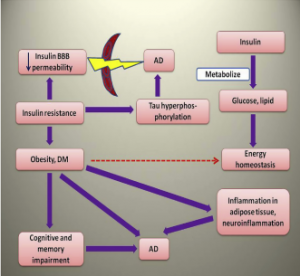
Figure 1: The link between insulin dysfunction, obesity/DM, and AD. [3]
In Figure 1, insulin at normal functioning is important for breaking down glucose, the main sugar metabolized for energy. Insulin also protects from plaques and tangles forming in our brains, and against cell death in brain areas that are focused on learning and memory. All of which is important for protection against Alzheimer’s. 

When Type 2 Diabetes sets in, our body starts to resist insulin. The causes of diabetes and insulin resistance will be discussed later. Since insulin is no longer being used, our protection against plaques and tangles decreases. Not only this, but diabetes can lead to increased inflammation due to fat sending inflammatory signals.

Inflammation, along with neuroinflammation (inflammation in the brain and spinal cord), can contribute to further insulin resistance to create a vicious cycle of worsening the body’s responses to insulin. 

Since insulin is no longer protecting against plaques and tangles, cell death in learning and memory brain areas, and breaking down glucose, the brain may be at a higher risk for Alzheimer’s Disease. 

Early treatments are being tested in which Alzheimer’s patients take Diabetes medications, and they have seen some cognitive benefits in those patients. More research is needed to fully understand the possible link between Alzheimer’s and Diabetes, but as a precautionary note, let’s examine some risk factors for insulin resistance developing. 

Causes of Insulin Resistance and Type 2 Diabetes 

Some causes of Type 2 Diabetes are out of our control, such as genetic make-up and family history. Our genes can determine if we’re more or less sensitive to insulin. [4]

Out of the modifiable factors, obesity is the strongest risk factor for developing Type 2 Diabetes. Increased abdominal fat can lead to more inflammation, which is harmful to insulin signaling. Additionally, an unhealthy diet and low physical activity can lead to Type 2 Diabetes. [5]

Free workout treadmill fitness vector
[6]
Considering the possible tie to Type 2 Diabetes and Alzheimer’s Disease, it’s important to maintain healthy habits to prevent insulin resistance from developing. It’s also important to note that those with Type 2 Diabetes are not guaranteed to get Alzheimer’s. Though for everyone, healthy habits could be a method of protection against Diabetes and Alzheimer’s. 

References

[1] Akhtar, A., & Sah, S. P. (2020). Insulin signaling pathway and related molecules: Role in neurodegeneration and Alzheimer’s disease. Neurochemistry International, 135, 104707. https://doi.org/10.1016/j.neuint.2020.104707

[2] Image from Pixabay.

[3] Akhtar, A., & Sah, S. P. (2020). Insulin signaling pathway and related molecules: Role in neurodegeneration and Alzheimer’s disease. Neurochemistry International, 135, 104707. https://doi.org/10.1016/j.neuint.2020.104707

[4,5] Galicia-Garcia, U., Benito-Vicente, A., Jebari, S., Larrea-Sebal, A., Siddiqi, H., Uribe, K. B., Ostolaza, H., & Martín, C. (2020). Pathophysiology of Type 2 Diabetes Mellitus. International journal of molecular sciences21(17), 6275. https://doi.org/10.3390/ijms21176275

[6] Imagine from Pixabay.

Glucose Transporters and Alzheimer’s: The Brain’s Silent Crisis

The Brain Needs Fuel—But What If It Can’t Get Enough?

Your brain is a powerhouse, consuming about 20% of your body’s energy despite making up only 2% of your total weight. It runs primarily on glucose, which is delivered by specialized proteins called glucose transporters (GLUTs). These molecular regulators guarantee that neurons obtain the necessary energy to operate effectively.

And for decades, scientists have understood that glucose metabolism plays a very important  role in brain well-being. But what happens when those transporters fail? Could this be a hidden trigger for neurodegenerative diseases like Alzheimer’s?

Therefore, recent research suggests that problems with glucose transport may play a role in Alzheimer’s disease, highlighting both a risk and a possible new treatment approach.[1]

The Science: How Glucose Transport Breakdown Fuels Alzheimer’s

Your brain runs on glucose, but neurons can’t just absorb it freely from the bloodstream. They rely on glucose transporters, mainly:

  • GLUT1 – The gatekeeper at the blood-brain barrier (BBB), moving glucose from the bloodstream into the brain.
  • GLUT3 – The main supplier inside the brain, delivering glucose directly to neurons.

Step 1: The Energy Crisis Begins

In Alzheimer’s disease, researchers have found that levels of GLUT1 and GLUT3 drop significantly [2]. This means less glucose gets into the brain, and even the glucose that does enter has trouble reaching neurons.

Think of your brain like a power grid:

  • GLUT1 is the main power line bringing electricity to the city (brain), but it’s weakening.
  • GLUT3 is the wiring that distributes electricity to homes (neurons), but the circuits are failing.

Without power, the homes go dark, and neurons struggle to function.

Step 2: Neurons Under Stress → Synapse Failure

Without enough glucose:

  1. Mitochondria (the cell’s power plants) struggle – They can’t generate enough ATP (energy), which neurons desperately need to function.
  2. Synapses weaken – Since neurons can’t fire properly, memory and cognitive function decline.

At this point, many Alzheimer’s symptoms like memory loss and confusion start to appear.

Step 3: The Vicious Cycle – Amyloid Plaques & Tau Tangles

Now, the brain is in crisis mode, and things get worse:

Beta-amyloid plaques: The brain begins accumulating clumps of beta-amyloid protein, which further disrupts neurons and damages glucose transport.


Tau tangles: Another toxic protein, tau, builds up inside neurons, disrupting their internal transport system.[3]


Inflammation increases: The brain’s immune cells, microglia, respond to the damage by releasing inflammatory molecules such as cytokines and reactive oxygen species (ROS).

While this response is meant to help, it can backfire. Prolonged or excessive inflammation can:

  • Disrupt energy production: Inflammatory signals interfere with glucose metabolism, worsening the energy shortage.
  • Damage neurons: Chronic inflammation leads to oxidative stress, which harms neurons and weakens their ability to function properly.
  • Alter communication: Inflammation can disrupt synaptic connections, affecting memory, cognition, and overall brain function. [4]


Step 4: Insulin Resistance – The “Type 3 Diabetes” Theory

Research suggests that Alzheimer’s disease (AD) shares key similarities with diabetes, particularly in how the brain processes glucose, sometimes being called “Type 3 Diabetes.”

Here’s how insulin resistance plays a role:

  • Insulin and the Brain: Insulin is important for glucose metabolism and also supports neuron growth, repair, and communication. In a healthy brain, insulin helps regulate energy use and protects against oxidative stress and inflammation.
  • Insulin Resistance Develops: Just like in Type 2 diabetes, the brain’s cells become less responsive to insulin, making it harder to absorb and use glucose for energy.
  • GLUT Levels Drop: Insulin resistance leads to a further decline in GLUT1 and GLUT3 transporters, worsening the energy shortage in neurons.
  • Cognitive Decline: Without enough energy, neurons struggle to function, leading to issues with memory, thinking, and overall brain health.

Can We Fix the Problem? Potential Therapies

Understanding the breakdown of glucose transport in the brain has led to promising treatment strategies that could slow, prevent, or even reverse cognitive decline. Here are some of the most promising approaches:

Medications to Boost GLUT1 and GLUT3

Researchers are developing experimental drugs aimed at increasing the levels or function of GLUT1 and GLUT3 to restore proper glucose transport. Potential strategies include:

Insulin-sensitizing drugs: Medications like metformin or intranasal insulin are being studied for their ability to improve brain glucose metabolism.

  • Anti-inflammatory treatments: Since inflammation worsens insulin resistance, reducing brain inflammation could help restore glucose transport.

Ketogenic Diets – An Alternative Fuel Source

The ketogenic (keto) diet has gained attention as a potential therapy because it provides an alternative energy source:

  • Why it works: When glucose transport is impaired, ketones can fuel brain cells even when neurons struggle to use glucose.
  • Evidence: Some studies suggest that ketones improve cognitive function, memory, and brain energy metabolism in people with mild cognitive impairment or early Alzheimer’s.[5]
  • Challenges: While promising, the keto diet can be difficult to maintain and may not work for everyone.  


Exercise & Cognitive Training – Boosting Brain Metabolism

Both physical exercise and mental stimulation have been shown to increase glucose metabolism and support brain health:

  • Exercise: Regular physical activity improves insulin sensitivity, reduces inflammation, and increases brain-derived neurotrophic factor (BDNF), which supports neuron survival.[6]
  • Cognitive training: Activities like puzzles, learning new skills, or social engagement help stimulate brain activity, potentially enhancing glucose metabolism and delaying cognitive decline.


Footnotes

[1] Szablewski L. (2017). Glucose Transporters in Brain: In Health and in Alzheimer’s Disease. Journal of Alzheimer’s disease : JAD, 55(4), 1307–1320. https://doi.org/10.3233/JAD-160841

[2] Kumar, V., Kim, S. H., & Bishayee, K. (2022). Dysfunctional Glucose Metabolism in Alzheimer’s Disease Onset and Potential Pharmacological Interventions. International journal of molecular sciences, 23(17), 9540. https://doi.org/10.3390/ijms23179540

[3] Medeiros, R., Baglietto-Vargas, D., & LaFerla, F. M. (2011). The role of tau in Alzheimer’s disease and related disorders. CNS neuroscience & therapeutics, 17(5), 514–524. https://doi.org/10.1111/j.1755-5949.2010.00177.x

[4] Simpson, D. S. A., & Oliver, P. L. (2020). ROS Generation in Microglia: Understanding Oxidative Stress and Inflammation in Neurodegenerative Disease. Antioxidants (Basel, Switzerland), 9(8), 743. https://doi.org/10.3390/antiox9080743

[5] Rusek, M., Pluta, R., Ułamek-Kozioł, M., & Czuczwar, S. J. (2019). Ketogenic Diet in Alzheimer’s Disease. International journal of molecular sciences, 20(16), 3892. https://doi.org/10.3390/ijms20163892

[6] Connor, B., Young, D., Yan, Q., Faull, R. L. M., Synek, B., & Dragunow, M. (1997). Brain-derived neurotrophic factor is reduced in Alzheimer’s disease. Molecular Brain Research, 49(1–2), 71–81. https://doi.org/10.1016/S0169-328X(97)00125-3


Alzheimer’s Prevention: Can Lifestyle Changes Make a Difference

Alzheimer’s is a neurodegenerative disease that falls under the broader category of dementia. Symptoms include impaired cognitive function, changes in behavior, and difficulties completing day-to-day tasks. AD most commonly impacts elderly individuals and its development can be divided into 3 stages.[1]

Early Symptoms

  • Forgetting recent conversations or events
    Alzheimer's Disease - Symptoms, Causes, Types and Treatment
    Figure 1 [2]
  • Misplacing items
  • Forgetting the names of places or objects
  • Frequent tip-of-the-tongue episodes
  • repeating questions.

[1]


Middle stage symptoms

  • increased confusion and disorientation
  • delusions
  • paranoia
  • Frequent mood swings
  • difficulties with spatial tasks
  • short and long-term memory issues

[1]

Late stage symptoms

  • loss of speech
  • incontinence
  • significant short and long-term memory issues
  • difficulties with eating and swallowing.

[1]

Mechanisms

Amyloid beta

Amyloid beta is cut from a large protein called amyloid precursor protein by the enzymes beta and gamma-secretase. When created, the individual amyloid molecules called monomers can group up to form a variety of shapes as seen in Figure 2. Amyloid beta oligomers are small and water soluble allowing them to bind receptors and disrupt their functioning. Amyloid beta mature fibrils are large insoluble molecules that can stick together and form plaques that can clog axons and disrupt neuron function.[3]

figure 1
Figure 2 [2]

Nuerofibrilary tangles

Neurofibrillary tangles form as a result of tau hyperphosprolation. Tau is a membrane-associated protein that helps keep microtubules organized. Phosphorylation refers to the addition of phosphate molecules and when Tau becomes hyperphosphorylated it separates from the microtubules causing them to get tangled. [4]

Insulin resistance

Insulin is a hormone that is secreted by pancreatic cells and cells in the brain. Insulin plays a role in the toxicity of amyloid beta and the formation of neurofibrillary tangles.  Insulin is regulated in the brain by the enzyme Insulin-degrading enzyme. A lack of this enzyme can contribute to amyloid beta accumulation and excess insulin levels. Increased brain insulin can also hinder the clearance of amyloid beta, worsening AD pathology. Because of insulin’s role in Alzheimer’s, The disease has been called type 3 diabetes.[3]

Treatment and Prevention

Alzheimer’s is a difficult disease to manage because pathology exists many years before symptoms show. Despite this treatments do exist and while there is no cure, relief can happen.

Medications

  • Memantine is an NMDA agonist and works by regulating the amount of glutamate in the brain. Glutamate is an excitatory neurotransmitter that can cause a condition called excitotoxicity. In this condition, the excessive excitatory signaling triggers the cell to take in too much calcium which does damage to the cell. Limiting the amount of glutamate and by connection the amount of excitatory signaling, excitotoxicity can be limited. The medication is prescribed for people in the middle to late stages of Alzheimer’s to help mediate symptoms. [5]

Prevention

Alzheimer’s is a very complex disease with a network of causes. Because of this complexity, There is no true way to prevent it but the evidence does show that some behaviors are correlated with lower rates of Alzheimer’s development. The Mediterranean diet which is rich in fruit, vegetables, legumes, whole grains, and monounsaturated fats like olive oil has been linked with improved cognition in individuals at risk of vascular diseases. It also helps reduce the risk of type 2 diabetes. Because both type 2 diabetes and Alzheimer’s seem to involve an issue with insulin resistance this diet could aid in Alzheimer’s prevention. [6]


[1] Graff-Radford, J. (2024, September 25). Alzheimer’s prevention: Does it exist? NHS choices. https://www.nhs.uk/conditions/alzheimers-disease/symptoms/

[2] Pace Hospitals. (2024b, December 10). Alzheimer’s disease – symptoms, causes, types and treatment. Pace Hospitals | Best Hospitals in Hyderabad, Telangana, India. https://www.pacehospital.com/alzheimers-disease-symptoms-types-causes-prevention-and-treatment

[3] Akhtar, A., & Pilkhwal Sah, S. (2020, February 18). Insulin signaling pathway and related molecules: Role in neurodegeneration and alzheimer’s disease. Neurochemistry international. https://pubmed.ncbi.nlm.nih.gov/32092326/

[4]Duan, Y., Dong, S., Gu, F., Hu, Y., & Zhao, Z. (2012, December 15). Advances in the pathogenesis of alzheimer’s disease: Focusing on tau-mediated neurodegeneration – translational neurodegeneration. BioMed Central. https://translationalneurodegeneration.biomedcentral.com/articles/10.1186/2047-9158-1-24

[5] NIH. (2023, September 12). How is alzheimer’s disease treated? | National Institute on Aging. How Is Alzheimer’s Disease Treated? https://www.nia.nih.gov/health/alzheimers-treatment/how-alzheimers-disease-treated

[6] Graff-Radford, J. (2024, September 25). Alzheimer’s prevention: Does it exist? NHS choices. https://www.nhs.uk/conditions/alzheimers-disease/symptoms/

The Hidden Link Between Insulin, Brain Health, and Memory Loss

Imagine your brain as a city, with neurons acting like workers who keep everything running smoothly. For these workers to do their job—helping you think, remember, and move—they need energy. Insulin, a hormone that helps control sugar levels, is like the key that unlocks fuel for these workers. But when something goes wrong with insulin, the whole city starts falling apart.

The Role of Insulin in Brain Health

Insulin plays a crucial role in brain function, influencing memory, cognition, and overall neural health. In a healthy brain, insulin supports synaptic plasticity, enhances neuronal survival, and regulates energy metabolism. However, when insulin signaling is impaired, as seen in insulin resistance, it can contribute to neurodegeneration and cognitive decline.

One of the major consequences of insulin resistance in the brain is its impact on the formation of neurofibrillary tangles (NFTs) and amyloid-beta (Aβ) plaques, two hallmarks of Alzheimer’s Disease (AD). Insulin resistance leads to increased oxidative stress and inflammation, which in turn activate kinases such as GSK-3β. This enzyme plays a central role in hyperphosphorylating tau proteins, leading to the formation of NFTs that disrupt neuronal communication and eventually cause cell death.

Additionally, insulin plays a role in regulating the clearance of Aβ peptides from the brain. Under normal conditions, insulin-degrading enzyme (IDE) helps break down Aβ, preventing it from accumulating. However, when insulin levels are chronically elevated due to insulin resistance, IDE becomes increasingly occupied with degrading insulin rather than Aβ. This imbalance leads to an accumulation of toxic Aβ plaques, further exacerbating neurodegeneration.

Moreover, insulin resistance can disrupt the function of GLUT4, a glucose transporter critical for neuronal energy metabolism. Impaired glucose uptake deprives neurons of essential energy, leading to synaptic dysfunction and cognitive impairment.

Studies have shown that insulin administration, either peripherally or intranasally, can enhance memory and cognitive function by improving glucose metabolism, reducing tau phosphorylation, and aiding in Aβ clearance. This suggests that therapies targeting insulin signaling pathways may hold promise in preventing or slowing the progression of AD.

Overall, maintaining insulin sensitivity through lifestyle interventions such as regular exercise, a balanced diet, and metabolic health optimization can significantly reduce the risk of AD and support overall brain function. [1]

 [1]


Why This Matters for Alzheimer’s, Parkinson’s, and Huntington’s

  1. Alzheimer’s Disease (AD):
    • Insulin normally prevents the buildup of toxic proteins like amyloid plaques and tau tangles (which clog up brain cells like roadblocks in a city).
    • Without insulin’s help, these roadblocks grow, leading to memory loss and cognitive decline.
  2. Parkinson’s Disease (PD):
    • The brain region responsible for movement, the substantia nigra, depends on insulin to keep dopamine levels balanced.
    • When insulin resistance occurs, dopamine-producing cells die, causing tremors, stiffness, and difficulty moving.
  3. Huntington’s Disease (HD):
    • Insulin helps control energy production and repair damaged cells.
    • In Huntington’s, insulin signaling is disrupted, leading to motor problems and brain cell degeneration.


The Role of Genetics in Alzheimer’s Disease

While lifestyle factors like diet and exercise play a big role in brain health, genetics can also increase the risk of developing AD. One of the biggest genetic risk factors is a gene called APOE (Apolipoprotein E), particularly the APOE4 variant.

  • People with one copy of APOE4 have an increased risk of AD.
  • Those with two copies (one from each parent) have an even higher risk and may develop symptoms earlier.
  • On the other hand, people with the APOE2 variant seem to have a lower risk.

Other genes involved in brain inflammation, insulin signaling, and tau protein regulation also play a role, but having a high-risk gene does not mean someone will definitely get AD. It just means they need to be extra careful with lifestyle choices to reduce their risk. [2]


Reducing the Risk of Alzheimer’s

Even if someone has a genetic risk for AD, behavioral changes can significantly lower the chances of developing the disease. Research suggests the following as ways of reducing the risk of Alzheimer’s:

  1. Keep Blood Sugar and Insulin in Check
  • Avoid processed foods, sugary drinks, and excessive refined carbs, as they contribute to insulin resistance.
  • Eat a Mediterranean or low-carb diet, rich in healthy fats (olive oil, nuts, fish) and antioxidants. [3]
  1. Stay Physically Active
  • Exercise increases insulin sensitivity, reduces inflammation, and boosts brain-derived neurotrophic factor (BDNF), which helps grow new brain cells.
  • Aim for at least 150 minutes of moderate exercise per week (walking, swimming, or strength training).
  1. Improve Sleep Quality
  • Sleep removes toxins from the brain, including harmful amyloid proteins linked to AD.
  • Stick to a consistent sleep schedule and avoid screens before bedtime.
  1. Reduce Stress and Inflammation
  • Chronic stress increases cortisol, which contributes to brain damage.
  • Practice meditation, yoga, or deep breathing to reduce stress hormones.
  1. Stay Mentally and Socially Active
  • Challenge your brain with reading, puzzles, or learning a new skill.
  • Social engagement reduces inflammation and keeps the brain stimulated. [4]
  1. Consider Fasting or Time-Restricted Eating
  • Intermittent fasting or time-restricted eating (12-16 hours of fasting overnight) helps regulate insulin and may support brain function. [3]

It should be noted that these are all examples of things that every person should try to aim for to remain healthy. However, this is not an exhaustive list and it is also important that we do not stress over the mere possibility of becoming sick with a disease so much that we cannot live our lives.


[5]


Can Insulin Be a Solution?

The good news is that boosting insulin sensitivity—either through medications, lifestyle changes, or natural compounds—could slow down or even prevent these diseases. Exercise, a healthy diet, and certain drugs that activate the Nrf2 pathway or insulin receptors could help protect brain cells, reduce inflammation, and restore lost function. [1]

Final Thoughts

Your brain and body are deeply connected, and problems like insulin resistance and inflammation don’t just lead to diabetes—they may also be the missing link behind memory loss and neurodegenerative diseases. The more we understand about how insulin works in the brain, the closer we get to finding new treatments for Alzheimer’s, Parkinson’s, and other brain disorders.

To read more about the specifics about Alzheimer’s disease and insulin resistance click here.

[1]

  1. Akhtar and S. P. Sah, “Insulin signaling pathway and related molecules: Role in neurodegeneration and Alzheimer’s disease,” Neurochemistry International, vol. 135, p. 104707, May 2020, doi: 10.1016/j.neuint.2020.104707.

[2]

  1. Safieh, A. D. Korczyn, and D. M. Michaelson, “ApoE4: an emerging therapeutic target for Alzheimer’s disease,” BMC Med, vol. 17, no. 1, p. 64, Dec. 2019, doi: 10.1186/s12916-019-1299-4.

[3]

What do we know about diet and prevention of alzheimer’s disease? | National Institute on Aging, https://www.nia.nih.gov/health/alzheimers-and-dementia/what-do-we-know-about-diet-and-prevention-alzheimers-disease (accessed Feb. 2025).

[4]

Preventing alzheimer’s disease: What do we know? | National Institute on Aging, https://www.nia.nih.gov/health/alzheimers-and-dementia/preventing-alzheimers-disease-what-do-we-know (accessed Feb. 2025).

[5]

“Alzheimer’s disease: Causes, stages, Symptoms & Prevention,” Drugwatch.com, https://www.drugwatch.com/health/alzheimers-disease/ (accessed Feb. 2025).

Alzheimer’s and Insulin: Is Alzheimer’s Disease a “Type 3 Diabetes”?

Did you know that Alzheimer’s disease (AD) might have more in common with diabetes than we ever imagined? Scientists have discovered a powerful link between insulin resistance – the same problem at the heart of Type 2 Diabetes – and the brain changes seen in Alzheimer’s. Some even call AD “Type 3 Diabetes” because of how insulin dysfunction contributes to memory loss and cognitive decline. But how does this work? And could diabetes medications help fight Alzheimers? [1]

1,900+ Man Measuring Blood Sugar Stock Photos, Pictures & Royalty-Free Images - iStock


Figure 1 [2]

Insulin: More Than Just a Blood Sugar Regulator

We usually think of insulin as the hormone that controls blood sugar, but it also plays a vital role in the brain. Insulin helps neurons communicate, protects them from damage, and keeps brain cells energized. When everything is working well, insulin binds to receptors on brain cells, triggering pathways that support learning and memory.

Figure 2 [3]: Artstract by Ella Alsleben. Diagram illustrating how insulin signaling through IRS, PI3K, and GSK3 beta interacts with neuroinflammation and oxidative stress pathways – via molecules like caspsases, NFkB, and Nrf2 – to contribute to neurodegeneration and Alzheimer’s disease.

But when insulin signaling is disrupted – known as brain insulin resistance – neurons can’t absorb glucose efficiently, leading to energy shortages, inflammation, and cell damage. This makes it harder for the brain to function, setting the stage for Alzheimer’s. [4]

The Early Warning Signs: Insulin Resistance in the Brain

Long before severe memory loss kicks in, brain insulin resistance begins to take hold – especially in areas critical for memory, like the hippocampus and cortex. Here’s what happens:

  • Neurons stop responding to insulin: Key signaling pathways that keep brain cells alive and functioning begin to break down.
  • Glucose metabolism slows down: Brain scans show that memory-related areas start using less glucose, making it harder to form new memories.
  • Inflammation and oxidative stress rise: Harmful molecules like TNF-a and IL-6 flood the brain, damaging neurons and worsening insulin resistance.

Adding to the problem, amyloid-beta oligomers – toxic protein clumps linked to AD – can actually cause insulin resistance in neurons. This creates a vicious cycle: insulin dysfunction fuels Alzheimer’s, and Alzheimer’s worsens insulin resistance. [5]

Insulin and Alzheimer's disease – Cobbers on the Brain


Figure 3 [6]

As Alzheimer’s Progresses: Insulin Dysfunction Gets Worse

As the disease advances, insulin resistance in the brain becomes severe:

  • Insulin receptors break down: The brain can’t properly respond to insulin, leading to widespread metabolic failure.
  • Neurons lose their survival signals: Key pathways, like P13K/Akt, that protect against cell death become disrupted.
  • Brain cells starve: Glucose metabolism crashes, leaving neurons without the energy they need to survive.
  • Amyloid plaques and tau tangles grow: These toxic proteins further block insulin signaling, accelerating brain cell death. [7]

Diabetes and Alzheimer’s: A Dangerous Connection

People with Type 2 Diabetes Mellitus (T2DM) are at a higher risk of developing Alzheimer’s – likely because both conditions involve insulin resistance and chronic inflammation. Research suggests that high insulin levels in the body can actually reduce insulin transport into the brain, making the problem worse.

Are Heat Shock Proteins an Important Link between Type 2 Diabetes and Alzheimer Disease?


Figure 4 [8]

Can Diabetes Drugs Help Treat Alzheimer’s?

Final Thoughts: What Can You Do?

While research on insulin-based Alzheimer’s treatments is ongoing, one thing is clear: managing blood sugar and insulin levels is crucial for brain health.

Here are some lifestyle tips to help reduce your risk:

  • Eat a balanced diet rich in Whole Foods, healthy fats, and fiber.
  • Exercise regularly to improve insulin sensitivity.
  • Get quality sleep – poor sleep can worsen insulin resistance.
  • Manage stress, as chronic stress affects insulin function.

Embrace Healthy lifestyle, take balanced diet, exercise, sleep, stress relief, no smoking 46149206 Vector Art at Vecteezy

Figure 5 [9]

Alzheimer’s disease is still a mystery in many ways, but understanding the insulin connection opens up new treatment possibilities. As science continues to evolve, one thing remains certain: taking care of your metabolic health is one of the best things you can do for your brain!

References

[1] de la Monte, S. M., & Wands, J. R. (2008). Alzheimer’s disease is type 3 diabetes—evidence reviewed. Journal of Diabetes Science and Technology, 2(6), 1101–1113. https://doi.org/10.1177/193229680800200619

[2] Man measuring blood sugar pictures, images and stock photos. iStock. (n.d.). https://www.istockphoto.com/photos/man-measuring-blood-sugar

[3] Artstract by Ella Alsleben

[4]Akhtar, A., & Sah, S. P. (2020). Insulin signaling pathway and related molecules: Role in neurodegeneration and alzheimer’s disease. Neurochemistry International, 135, 104707. https://doi.org/10.1016/j.neuint.2020.104707

[5] Arnold, S. E., Arvanitakis, Z., Macauley-Rambach, S. L., Koenig, A. M., Wang, H.-Y., Ahima, R. S., Craft, S., Gandy, S., Buettner, C., Stoeckel, L. E., Holtzman, D. M., & Nathan, D. M. (2018). Brain insulin resistance in type 2 diabetes and alzheimer disease: Concepts and conundrums. Nature Reviews Neurology, 14(3), 168–181. https://doi.org/10.1038/nrneurol.2017.185

[6] Zimy. (2024, April 2). Insulin and alzheimer’s disease. Cobbers on the Brain. https://blog.cord.edu/cobbersonthebrain/2024/04/02/insulin-and-alzheimers-disease/

[7] Akhtar, A., & Sah, S. P. (2020). Insulin signaling pathway and related molecules: Role in neurodegeneration and alzheimer’s disease. Neurochemistry International, 135, 104707. https://doi.org/10.1016/j.neuint.2020.104707

[8] Movassat, J., Delangre, E., Liu, J., Gu, Y., & Janel, N. (2019, June 3). Hypothesis and theory: Circulating alzheimer’s-related biomarkers in type 2 diabetes. insight from the goto-kakizaki rat. Frontiers. https://www.frontiersin.org/journals/neurology/articles/10.3389/fneur.2019.00649/full

[9] Sarkar, N. (n.d.). Embrace healthy lifestyle, take balanced diet, exercise, sleep, stress relief, no smoking. Vecteezy. https://www.vecteezy.com/vector-art/46149206-embrace-healthy-lifestyle-take-balanced-diet-exercise-sleep-stress-relief-no-smoking

P13K and Alzheimers disease: The Domino Effect

The Domino Effect: Alzheimer’s disease follows a pathogenesis that includes a cascade of inflammation, synaptic dysfunction, and hyper-phosphorylation of Tau proteins. P13k is a serine/threonine protein kinase. This is an essential signaling component, especially in an irreversible neurodegenerative disease like Alzheimer’s.

(STK) serine/threonine kinase is responsible for cellular processing; within P13k, there is a catalytic subunit and a regulatory subunit. I like to think of the two as a relationship, similar to an employee and a manager. The catalytic subunit is an active site for phosphorylation and, in turn, enzymatically catalyzes a reaction. As the catalytic subunit responds to the regulatory subunit, the manager, its job is to facilitate, control, or inhibit these reactions.

P13K: The Trigger

  • P13K is an enzyme that grows cells and initiates cell communication by transmitting signals. It is a critical for synaptic health.
  • As P13k’s job is regulation, it can become uncontrolled or abnormal and, in turn, the body responds in vicious ways as the P13k pathway is principle in human disease
  • The P13k/Akt pathway combustion accelerates neurodegeneration which triggers this cascade of events.

Akt Activation

  • Akt activation is triggered by various cellular components involved in Alzheimer’s disease, stems primarily from AmyloidB and Neurofibrillary tangles, which are neurodegenerative proteins found in patients with Alzheimer’s.
  • The activation of PI3K facilitates Akt. 
  • Serine/Threonine protein has a catalytic domain and regulatory domain, involved in PI3K/Akt pathways and phosphoinositide.
  • Phosphoinositide-dependent protein kinase-1 (PDK1) is responsible for the phosphorylation of Akt, which has three subtypes: Akt1, Akt2, and Akt3.

Phosphorylation of GSk-3B

  • Akt phosphorylates Glycogen Synthase Kinase-3B (GSK-3B).
  • GSk-3B propagates apoptotic signals and facilitates degradation.
  • This, however, creates inactivation of GSk-3B.. which in turn accelerates Tau protein phosphorylation.

Tau Proteins

  • Tau proteins are the main component of neurofibrillary tangles, which is the abnormal protein that promotes Alzheimer’s disease.
  • Inactivation of GSK-3B causes the hyper-phosphorylation of Tau proteins.
  • The hyper-phosphorylation of Tau proteins drives disease development.
  • Tau proteins are essentially responsible for axonal transport and neurite growth, so when Tau becomes hyper-phosphorylated ,it cannot attach regularly to microtubules.
  • Therefore, neurofibrillary tangles are formed, which affect cell communication and plasticity between neurons.


1-s2.0-S1355814523002419-Fig2_HTML_lrg.jpg (2030×988)
Figure1: Comparing P13K pathway in normal functioning via P13k in Alzheimers Disease

Alzheimers disease & P13K

  • P13K Pathway is critical in a signaling cascade which develops apoptosis and neurodegeneration,
  • Creates extracellular Amyloid- B plaques which are formed by amyloid cursor protein
  • Creates intracellular neurofibrillary tangles occurring from hyper-phosphorylated Tau proteins.
  • Amyloid-B and Neurofibrillary tangles are pathological marks that indicate Alzheimers disease. 
  • In relation to therapeutic research, insulin signaling has been used as a neuromodulator to create ‘brain insulin resistance.’ which stemmed from the idea that dysfunctional insulin signaling was contributing to the symptomatology of Alzheimer’s disease.
  • Dementia is a pathological disease, as Alzheimer’s follows the P13k/Akt pathway it produces hallmarks of AD, therefore, generates dysregulated brain insulin signaling.


Footnotes:

Povala, G., Bastiani, M. A. D., Bellaver, B., Ferreira, P. C. L., Ferrari-Souza, J. P., Lussier, F. Z., Souza, D. O., Rosa-Neto, P., Zatt, B., Pascoal, T. A., Zimmer, E. R., & Initiative, the A. D. N. (2022, January 1). Serine/threonine kinase activity associates with brain glucose metabolism changes in alzheimer’s disease. medRxiv. https://www.medrxiv.org/content/10.1101/2022.10.31.22281751v1.full

Razani, E., Pourbagheri-Sigaroodi, A., Safaroghli-Azar, A., Zoghi, A., Shanaki-Bavarsad, M., & Bashash, D. (2021, November). The PI3K/akt signaling axis in alzheimer’s disease: A valuable target to stimulate or suppress? Cell stress & chaperones. https://pmc.ncbi.nlm.nih.gov/articles/PMC8578535/

Rosenberger, A. F. N., Hilhorst, R., Coart, E., García Barrado, L., Naji, F., Rozemuller, A. J. M., van der Flier, W. M., Scheltens, P., Hoozemans, J. J. M., & van der Vies, S. M. (2016). Protein kinase activity decreases with higher braak stages of alzheimer’s disease pathology. Journal of Alzheimer’s disease : JAD. https://www.ncbi.nlm.nih.gov/pmc/articles/PMC4927853/

SP;, A. A. (2020). Insulin signaling pathway and related molecules: Role in neurodegeneration and alzheimer’s disease. Neurochemistry international. https://pubmed.ncbi.nlm.nih.gov/32092326/

Taylor, H. B. C., & Jeans, A. F. (2021, August 31). Long-term depression links amyloid-β to the pathological hyperphosphorylation of tau. Cell Reports. https://www.sciencedirect.com/science/article/pii/S2211124721010810

Concussions are Bad, you see

The article we have covered in a previous week, “The New Neurometabolic Cascade of Concussion” by Christopher Giza and David Hovea was an article about the various neurological aspects of the traumatic impacts of a concussion. Basically, it works as following; we know from even our introductory Neuroscience classes that the brain can be a very delicate organ full of life and power due to the beyond constant action potentials. However, must that process fail, such as damages interrupting this process along the way, various things can go wrong to cause a tragic concussion.The topic today is why people should care about this topic and what the people must know, so without further ado let’s get reading!

The article informs us that some of the distinguishable characteristics of a concussion are connected to both trauma and neurodegeneration. Though, the article specifically focuses mainly on damages. As a result of this connection, we can now classify concussions as a dangerous emergency scenario worthy of calling the infamous 911/999 number upon encounter.

Figure two from the article mentioned above is specifically excellent at explaining the despairing severity of a concussion at a cellular level where it was needed (excellently timed, or in other words placed well). That piece is simultaneously even a diagram which shows what goes wrong with a concussion at the micro-scale which were broken neurons leading to leakage of essential components (neurotransmitters, energy, potassium, calcium, and more)^1. Although, it could feel a tad bit overwhelming if you’re not too familiar with the applied terms of figure two in the Neuroscience field. This was an excellent piece to me for it is maximized simplicity because, for clear reasons, that kind of thing strongly helps. The figure may also benefit people uninvolved in Neuroscience as well because figure two works similarly like speech bubbles in comic books with all the brief, yet descriptive, labeling, and I find that effective myself in general because it’s easy on the eyes to track or logicate.

Now, at this point, one, such as yourself, may wonder why people really should care about all the above information. Well, let’s answer with essential basics to answer ourselves by quickly asking ourselves something simpler first; what really is a concussion? Well, concussion is not very nice at all and looks even worse when examined scientifically. According to Mayo Clinic, a concussion is defined as a, “mild traumatic brain injury that affects brain function….”^2 Considering that we know the brain to be the most vital organ of all in the body, it’s no shock that such a scenario is serious and even severe. This reminds me of something.

This human body response to direct brain trauma, a concussion, reminds me of my own concept of “alternative neurology.” Alternative neurology is a concept I have conceptualized in class just a couple weeks ago. Alternative neurology is the term, or in other words an unofficial term, for the brain’s ability to adapt to form after damages forces cell death and other happenstances. My term may sound much like neuroplasticity, a word used to reference the brain’s ability to adapt to stimulus in general, but rather alternative neurology adaptation refers to so-called “bad stimulus” solely whereas neuroplasticity includes any stimulus at all.

Footnotes Citation:

1) “The New Neurometabolic Cascade of Concussion” by Christopher Giza and David Hovea.
2) https://www.mayoclinic.org/diseases-conditions/concussion/symptoms-causes/syc-20355594

Featured image: artstract representing the terrors of a concussion. The brain represents itself. The darkness represents the sudden and tragic faint. The cracks framing the piece, some made to uncomfortably resemble hands, represents the tension, pain, and infamous sudden sense of doom victims experience.

New Frontiers in Alzheimer’s Treatment: Exploring More Approaches

Introduction

Today’s topic is the treatment for Alzheimer’s disease. Alzheimer’s disease is a neurodegenerative disorder that impacts memory, thinking, and behavior. It often leads to a progressive decline in all cognitive functions. Alzheimer’s disease is one of the most pressing health challenges facing aging populations today, no matter where in the world. With millions diagnosed, finding effective treatments is crucial not only for improving the quality of life for those diagnosed but also for easing the burden on caregivers, healthcare systems, and society as a whole.

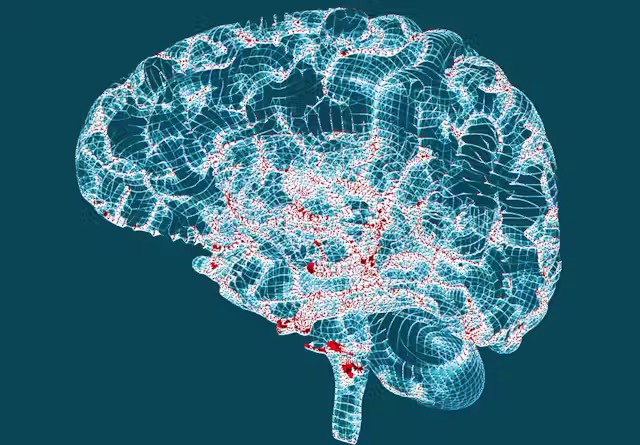
This image shows the degradation of the brain when affected with Alzheimer's disease.
This image shows the degradation of the brain when affected with Alzheimer’s disease.


The search for Alzheimer’s treatments is connected to larger issues like the aging population,  ethics of medical interventions, and healthcare resources. As life expectancy increases, Alzheimer’s disease is becoming more common. We need to make advancements in treatment for societal well-being. The ongoing research into Alzheimer’s connects to areas of neuroscience, biotechnology, and personalized medicine. Scientists are working to expand the boundaries of what we know about the brain and how diseases can be treated.

Treatments

Alzheimer’s disease treatments focus on managing symptoms and slowing progression. There is no cure. Medications like cholinesterase inhibitors (for example, Donepezil) and glutamate regulators (ex. Memantine) can help improve memory and cognitive function [1]. Newer treatments like monoclonal antibodies (ex. Aduhelm and Leqembi) target amyloid plaques specifically in the brain, stopping their growth [2]. Insulin treatments for Alzheimer’s, such as intranasal insulin, are being explored because insulin resistance in the brain contributes to cognitive decline, just like how insulin resistance in the body is a big factor in Type 2 diabetes. These treatments aim to enhance memory and cognitive function similarly to how insulin therapy helps manage glucose levels in diabetes. Lastly, GLP-1 agonists, like Ozempic, show possible promise for protecting brain cells and improving cognition [3]. Outside of medication, lifestyle changes like exercise, a healthy diet, and cognitive therapies can support brain health and well-being.

These findings note the challenge of Alzheimer’s disease. We are in need of finding treatments that can not only stop the degradation of the brain, but heal what damage has been done [4]. Exploring insulin therapies and GLP-1 agonists (like Ozempic) is causing researchers to shift focus to the brain’s metabolic processes, which may open up new avenues for slowing cognitive decline and improving quality of life for patients. These treatments provide hope for patients who haven’t responded well to existing medications.

The newer pathways for research further investigate the role of insulin resistance and metabolic dysfunction in Alzheimer’s, as well as exploring how GLP-1 agonists can protect neurons and improve brain health. They encourage the use of combination therapies, where metabolic treatments could be used alongside existing drugs or lifestyle interventions to create more care strategies [5]. This could lead to more effective treatments or preventive measures.

Societal Application

The topic of Alzheimer’s treatment definitely has an impact on everyday life and larger societal issues. This disease affects well-being of millions of people worldwide. As the global population ages, Alzheimer’s disease is becoming an increasingly intense concern because it strains healthcare systems and families who provide care for loved ones. Effective treatments could not only improve the lives of patients but also alleviate the emotional and financial burdens on caregivers.

Here are some questions to consider. How might advancements in Alzheimer’s treatment change our perceptions of aging? What if treatments targeting the brain’s metabolic processes, like insulin and GLP-1 therapies, could become as common as diabetes management? Could the future of Alzheimer’s care include personalized treatments based on genetic and metabolic factors?

The main message I want readers to remember is that while Alzheimer’s disease currently has no cure, research into treatments like insulin therapies, GLP-1 agonists, and amyloid-targeting drugs offer some hope for slowing progression and improving lives. These innovations not only provide new options for those with the disease but also open pathways for future treatment that could change how we approach aging and brain health.

References

[1] Podhorna, J., Winter, N., Zoebelein, H., & Perkins, T. (2020). Alzheimer’s Treatment: Real-World Physician Behavior Across Countries. Advances in Therapy, 37(2), 894–905. https://doi.org/10.1007/s12325-019-01213-z

[2] Severe Alzheimer’s Disease Study Group, Winblad, B., Kilander, L., Eriksson, S., Minthon, L., & et al. (n.d.). Donepezil in patients with severe Alzheimer’s disease: double-blind, parallel-group, placebo-controlled study. The Lancet, 367(9516), 1057–1065. https://doi.org/10.1016/S0140-6736(06)68350-5

[3] Liang, Y., Doré, V., Rowe, C. C., & Krishnadas, N. (2024). Clinical Evidence for GLP-1 Receptor Agonists in Alzheimer’s Disease: A Systematic Review. Journal of Alzheimer’s Disease Reports, 8(1), 777–789. https://doi.org/10.3233/ADR-230181

[4] Parvin, S., Nimmy, S. F., & Kamal, M. S. (n.d.). Convolutional neural network based data interpretable framework for Alzheimer’s treatment planning. Visual Computing for Industry Biomedicine, and Art, 7(1), 3. https://doi.org/10.1186/s42492-024-00154-x

[5] Theisen,  P. (2024). Alzheimer’s Association Board,of Directors. Early alzheimer’s detection can aid treatment, planning. Telegraph – Herald Retrieved from http://cordproxy.mnpals.net/login?url=https://www.proquest.com/newspapers/early-alzheimers-detection-can-aid-treatment/docview/3068907826/se-2

Genetic Mutations and Concussions: A Hidden Risk Factor

Mild traumatic brain injury (mTBI), commonly known as a concussion, is one of the most frequent brain injuries, affecting millions of people each year. It often results from falls, sports injuries, or accidents, and symptoms may include headaches, dizziness, and trouble concentrating. Most individuals recover quickly within days or weeks, and medical professionals often reassure patients that symptoms will fade over time. [2]

But for some, recovery is not so simple. A significant number of people experience lingering effects, such as chronic headaches, memory problems, and emotional difficulties that can last for months or even years. The unpredictability of recovery makes it challenging for doctors to provide clear treatment plans, and factors like genetics, previous injuries, and individual health conditions can influence outcomes. This uncertainty can lead to frustration for both patients and healthcare providers.

Therefore, researchers are working to better understand why some people recover quickly while others struggle with long-term symptoms. By studying brain function, inflammation, and genetic factors, scientists aim to develop better treatments and personalized care strategies. Improving early diagnosis and management of mTBI could help reduce long-term complications and provide clearer recovery paths for those affected.

Figure 1[1]

The Role of Genetic Variants in mTBI Recovery

Mild traumatic brain injury (mTBI) affects millions of people, with most recovering within weeks. However, some individuals experience prolonged symptoms, and recent research suggests that genetic mutations may play a key role in this variability. Specific mutations in genes related to neuronal repair, inflammation regulation, and metabolic function can influence how the brain responds to injury. For instance, variations in the Apolipoprotein E (APOE) gene, particularly the APOE4 allele, have been linked to an increased risk of cognitive decline after repeated head injuries.[1]

Why Some Heal Faster Than Others

Certain genetic mutations may also heighten susceptibility to concussive trauma. For example, mutations in CACNA1A, a gene associated with ion channel function and migraine disorders, have been linked to an exaggerated response to brain injuries. These genetic factors affect everything from the brain’s initial metabolic crisis to long-term neurodegeneration. Understanding these mutations could help identify individuals at higher risk for severe or prolonged mTBI symptoms, leading to personalized concussion management and targeted recovery strategies.[3]

What role does this play?

The CACNA1A gene plays a key role in ion channel function, which affects neuronal excitability and communication.

  • The CACNA1A gene provides instructions for making calcium ion channels in neurons, which regulate brain signaling.
  • People with CACNA1A mutations may experience more severe responses to mild TBI, including increased swelling and cognitive issues.
  • This suggests that ion channel disorders could impact how the brain reacts to trauma, leading to worse long-term outcomes for some individuals.

The Future of Concussion Care: A Personalized Approach

Understanding the genetic basis of concussions doesn’t just impact athletes or military personnel—it has far-reaching implications for public health, workplace safety, and even everyday activities. If genetic testing could identify individuals more vulnerable to long-term brain damage, it could transform how we approach contact sports, car accident recovery, and workplace safety regulations. Imagine a future where concussion protocols are tailored to an individual’s genetic profile, reducing unnecessary risks and improving recovery outcomes. Should genetic screening become a standard part of concussion management? How might this knowledge shape policies in professional sports or even school athletics?

Figure 2[2]

Genetics may hold the missing piece in understanding concussions, and unlocking this knowledge could lead to breakthroughs in personalized medicine and brain injury prevention. As research progresses, the opportunity to protect those at risk grows stronger. Stay informed, advocate for better concussion awareness, and keep the conversation going—because the brain you protect today could shape your future.

Footnotes

[1] Bennett ER, Reuter-Rice K, Laskowitz DT. Genetic Influences in Traumatic Brain Injury. In: Laskowitz D, Grant G, editors. Translational Research in Traumatic Brain Injury. Boca Raton (FL): CRC Press/Taylor and Francis Group; 2016. Chapter 9. Available from: https://www.ncbi.nlm.nih.gov/books/NBK326717/

[2] Brain Treatment Center Newport Beach. (2024, September 16). Traumatic Brain Injury Treatment – Brain Treatment Center Newport Beach. https://www.braintreatmentnewportbeach.com/traumatic-brain-injury-tbi/

[3] McDevitt, J., & Krynetskiy, E. (2017). Genetic findings in sport-related concussions: potential for individualized medicine?. Concussion (London, England)2(1), CNC26. https://doi.org/10.2217/cnc-2016-0020

[4] Conger, K. (2024, February 16). Concussion: Could your genes increase your risk? Scope. https://scopeblog.stanford.edu/2020/11/30/concussion-could-your-genes-increase-your-risk/

Spam prevention powered by Akismet