Get Your Head in the Game: Sports and Concussions
When encountering a concussion many people look at it as not a huge deal saying things like “don’t worry I can still play”, “they just need a little rest and they will be fine”, “look they are walking they can still play”, and “it is not truly serious until they pass out”. I believe people have a large misunderstanding about how concussions effect peoples brain functions in both the short term and the long term. There can be many consequences when taking repeated blows to the head and because of this rules and regulations regarding concussions in sports have been a controversial topic for many years now.
As research shows a single hit to the head can cause serious damage. Take that one hit and multiply it by 10 or 20 and you can have serious brain injury, possible cognitive deficits, and long term health problems. This is what people do for the sports they play whether it be on a professional level or as a child. As a participant in the sport they may not fully be aware of the consequences of repeated concussions.
In class this week we discussed an article called “The Molecular Pathophysiology of Concussive Brain Injury”. This article not only took us through the effects of a concussion within the brain on a molecular level but also led us to discuss the rules and regulations in contact sports, the different places one can get hit, and the steps to take in treating a concussion.
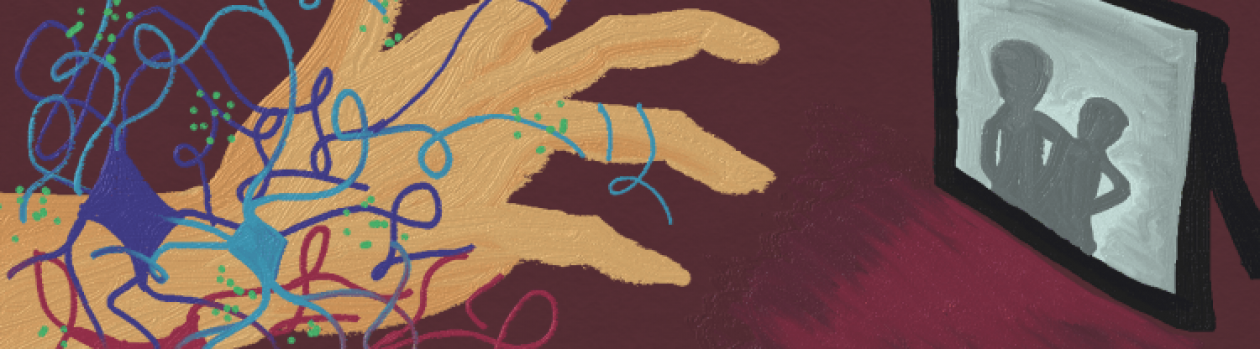
Not many people think about what happens in the brain as a result of a hit to the head. Take a look at the image below and you will have an idea of what is happening in your brain when you take a blow to the head.

http://users.rowan.edu/~cateri02/Concussion.Assessment.html
One of the most concerning things about concussions these days, is how they are being treated (and/or ignored). We discussed in class how people in the NFL do have professionals to assess the players after they take a hard hit, however it can be debated that the people who are in charge of this are sending the players back out before they are ready simply because coaches want them to play, the game depends on that player, they think they will be fine if they finish out the game, it is a sport that millions of fans watch so sending the player out to finish the game won’t be a big deal, and on and on with the excuses. Regardless of the level of the sport everyone should follow the basic procedures following a concussion before getting back into the game. Yes it does vary from player to player depending on history, health, the hit, etc. but it does not change the fact that they should follow the proper protocol for the sake of their long term health. These are the procedures that are recommended after receiving a hit to the head in any sport:
http://www.irbplayerwelfare.com/?documentid=3
As you can see in the diagram, there are six levels a person should go through before returning to their sport. The key is to start off small and not make the brain injury any worse. Giving your brain time to heal itself is the best thing you can do to ensure that you will fully recover and have proper brain functioning later in life. Many professional athletes have been found to have mental illnesses, cognitive deficits, depression, anxiety, etc. as a result of playing their sport with out thinking about the consequences of injury. I think many people should be more informed about sports injuries to the brain and learn to use the proper procedures to heal after an injury and learn not to take a blow to the head lightly.
As if you needed another reason to eat healthy
So pretty much everyone has heard of Type-II diabetes and its connection to obesity. The hallmark of Type-II diabetes is insulin resistance. Basically your body is making so much insulin in response to the glucose in your body that you build up a resistance to it. Well recent studies have now begun to show a connection between insulin and Alzheimer’s. Now normally when people thing about insulin you think about what it does in the blood, but insulin is very important for signaling in the brain. Insulin and IGF-1 (Insulin-like Growth Factor) are important in brain energy homeostasis, neuronal survival, and learning/memory. With less insulin in the brain, more neurons die and you see the memory loss associated with Alzheimers. One of the ways this happens has to do with Tau-proteins. Tau proteins are basically structural proteins that help support your neurons. When these proteins are phosphorylated, they begin to unfold. Insulin normally down-regulates their phosphorylation. With reduced insulin in your brain, the Tau proteins become hyperphosphorylated and begin to form tangles, killing neurons.

This picture shows what I was mentioning with Tau-proteins. You can see what happens to the neurons and how the tangles lead to neuron death.
The implications of these findings are scary. As if we needed another reason to eat healthy, developing Type-II diabetes might lead to Alzheimer’s as well. With obesity on the rise in America, this is just another thing to worry about.
"I got a fever, and the only prescription is more lithium"
Seriously though, besides being a Nirvana song that brings you back to your grungier days, lithium seems to play a crucial role in treating a variety of different disorders of the central nervous system. Oddly enough, lithium extends its hand into a majority of the major pathways that regulate a healthy central nervous system. Lithium is currently the most popular treatment for bipolar disorder. Lithium targets microRNAs that effect neuron outgrowth, neurogenesis, and signaling of ERK and Wnt pathways, both of which play crucial roles in maintaining a balanced nervous system. Lithium can also be used for treatment of Huntington’s, Alzheimer’s, Parkinson’s disease, and other CNS related disorders.

So if lithium is so important, why aren’t we taking it on the daily? Is this some sort of miracle drug? Lithium has many neuroprotective properties and is crucial for a healthy nervous system. So should we be taking lithium with our other vitamins every day? The intriguing thing about lithium is that since it is involved in so many different pathways, regulating one pathway will have sometimes harmful effects on the other pathways. But nonetheless, you are able to buy lithium supplements over the counter. There are relatively few side effects, and most of them are decently minor in the grand scheme of things. They include excess thirst, increased urination (go figure), upset stomach, and other minor side effects.
I’m not saying that we should just go ahead and start downing lithium by the bottle, but it’s definitely an supplement that we should be aware of. It’s crucial to many different pathways throughout the central nervous system. It has its side effects, but some might be bearable and even worth it the supplement really helps. Furthermore, many of the side effects experienced with lithium use disappear upon increased usage. I had no idea that lithium played so many important roles in maintaining our health, but it’s for sure something I want to be aware of.
Obesity: Is it a choice or a brain disorder?
Obesity is a growing epidemic in the United States along with other parts of the world. The concern of people not being able to eat because food cost too much or because it was not excisable to people has changed the way food is made. The food industry has made foods that are cheap and very easy to get to, insuring that more people would be able to eat. However, out of these good intentions these foods are extremely unhealthy and worse addicting. Food companies knew that these foods are unhealthy so to make sure people continued to buy the foods they play around with the chemistry. They change it to the point that the food becomes drug like and once you have it the buyer wants more so the next times they see the food it triggers those feels of pleasure which makes them want to buy it. However, this cycle doesn’t end there.
Studies show that overweight parents with a disposition to eating unhealthy food change their brain biological make up. The number of disorders and diseases that occur from eating food causes heart problems, liver problems and even brain problems. The really concerning thing is that if unhealthy people have a child, that child is more likely to suffer the same problems. These problems don’t just come from eating unhealthy foods that are found in the house. They also come from a genetic predisposition to eat high fat foods passed on by the parents. Because at a young age, new born babies rapid brain development can be altered even after birth. One study showed that mice born from health parents that were raised by an unhealthy mouse have a high disposition to unhealthy foods. Their findings claim that the high fat milk form the replacement mouse genetically changes the babies want for high fat foods. But knowing this occurs in some people, does the concern arise that people will just use this as an excuse to eat whatever and blame it on a lack of willpower? Obesity can be a slippery slope because once a person goes down that path it can quickly escalade out of control.
Lithium Toxicology
Lithium is a soft metal, it is the smallest metal found on column one, row two of the periodic table. Due to its small size and plus one charge lithium is useful in the biological system. To date the uses of lithium mostly revolve around bipolar disease among other mental disorders. However, this treatment has been used for quite some time; the exact mechanism to how it works is still unknown. The main target area of lithium is the apoptotic (cell death) part of the brain. Disorders like bipolar contribute to over apoptotic which is stopped by the drugs containing lithium. Is lithium good for people to be taking?
Lithium over dosing is a more common occurrence then one might think. There are two forms of OD; the acute and the chronic. Acute OD is the taking of too much lithium in one event. This can present itself in a number of symptoms like diarrhea, stomach pains, weakness, coma, hand tremors, ataxia, seizures, etc… Chronic OD is the taking of too much lithium on a daily bases. This is a more common occurrence than acute OD because this usually means the person was unknowingly prescribed too much by their doctor. This can result in serious symptoms like kidney failure, memory problems, movement problems, psychosis, etc… Not knowing the how much lithium can cause an OD the question becomes; is it ethical to continue prescribing it to people given the symptoms?
My Brain Made Me Do It…Obesity As a Brain Disease?
America has a growing problem with obesity that raises concerns about the future health of the nation. Additional, the incidence of childhood obesity is steadily increasing as well, which puts youth at an increased risk for a number of conditions later in life including high blood pressure, high cholesterol, cardiovascular disease, type 2 diabetes, bone and joint problems, sleep apnea, and psychological problems. The cause of obesity appears to be simple: overnutrition. People are consuming more calories than they are burning off, which causes them to gain weight as body fat. But is the cause really that simple? The article, “Is obesity a brain disease” argues that obesity is caused by overnutrition but the brain may be responsible for releasing signals that propagate the biological trap of obesity.
Often, overeating and obesity is seen as an issue of lack of willpower. People are told to choose to eat less and choose healthier food options. However, scientists have found that early exposure to high-fat and high-sugar diets increases the likelihood that a person will prefer that type of diet as an adult. Even pre-natal exposure via the mother’s diet during gestation may impact the feeding behavior of an individual later in life. Preferences for high fat and sugar diets have long lasting effects for individuals. For example, glucose sensing and use of insulin is impaired in individuals that are chronically exposed to overnutrition. Dysregulation of glucose metabolism plays a role in the development of type 2 diabetes. Studies using fMRI, an imaging technique to study functionality, have found there are differences between the activity in obese brains versus normal brains. Obese brains became more activated by food stimuli and more rewarding signals were sent in the brain in response to food. What causes the differences in desires for food and activity in the brain? There are two neuron types in the brain that control appetite. POMC neurons increase appetite, and these are the neurons that are overactivated in obese individuals. On the other hand, NPY/AGRP neurons have the opposite effect of decreasing appetite and are less active in obese people than average weight individuals.
Based on these facts, things are looking pretty grim because the brain is contributing to a person’s likelihood to overeat to form a biological trap. Is there any chance to break this vicious cycle? Our class investigated several ways to treat obesity as a brain disease and break the cycle. First it has been shown that eating healthy foods decreases appetite by increasing hormone signals to the brain. Another healthy lifestyle choice includes maintaining a regular sleep schedule. Regular sleep prevents decrease in metabolic rate, increases glucose levels and changes in insulin response. POMC neurons are a potential target for pharmacological intervention. By decreasing activation of POMC neurons, appetite would be suppressed in obese people. The differences in the brain can be changed to an extent by losing weight and maintaining a normal BMI. Scientists have found that there is a difference in brain activity between individuals that successful dieted and individuals that are still obese. However, not all of the differences in the brain caused by obesity can be reversed in all cases. Ultimately, our society needs to understand the consequences of eating fast food, constantly being on-the-go, and exposing kids to unhealthy food from a young age. Education will be another important tool in breaking the cycle for future generations.
Obesity: More than Poor Nutrition and Laziness
Many people are aware of the obesity epidemic in the United States. Many people also associate obesity with extreme over-eating and rare exercise. Recently, researchers have found that obesity may be about more than just an unhealthy lifestyle. Contributing authors to the article Is Obesity a Brain Disease? argue that there are many signaling pathways in the brain that control and regulate hunger and appetite. This specific article is a review article of multiple studies that try to link actual brain signal pathways to reasons for explaining weight gain that can be linked to obesity.
One main point the article makes is that over-eating/over-nutrition is not just a choice. Some may look at that statement and disagree, but pathways in the brain have been found that show the brain is very connected to and partially responsible for the choices people make in relation to eating. The article states that predisposition to high fat diets in the womb and as a child makes them more appealing to people at older ages and actually can influence the food choices they make for their life. These high fat diets have also been linked to cognitive defects in the brain. While the article talks about the relationship between obesity, unhealthy diets, predisposition to obesity, genetics, and brain pathways, it can be hard to decide which is to blame. It is also difficult to decide which comes first, the obesity being induced by over-eating or over-eating being induced by brain function which then leads to obesity. The story is quite complicated. In my opinion the 3 most interesting things learned from this paper and this week’s discussion in class are: the positive effect of health foods, the negative effect of dysregulated sleeping, and a specific neuron called POMC and its role in regulating hunger.
Eating healthy foods that contain a high amount of fiber is really great for a person in multiple ways. Not only does it provide the body with necessary nutrients, but it also makes the body feel fuller for a longer amount of time compared to sugary and unhealthy food. It works to make the body feel full by reducing gastric emptying. It also is able to help increase hormones that curb appetite, for example glucagon-like peptide 1. This specific protein is able to curb appetite by decreasing the satisfaction the brain feels by food. This is really awesome and beneficial to society because eating healthy can do so many great things for a person, to both combat obesity or to remain healthy.
While healthy eating shows the link between obesity and brain function, I think sleep regulation and its link to weight gain/obesity really helps to show that obesity might be able to be considered a brain disease. Most people know the effect on their brain when they experience and irregular or disrupted sleep pattern. The brain is groggy, prone to headaches, and sometimes is slow to respond. This is also expressed in pancreatic insulin release. When the brain is tired and fatigued from irregular sleep, the pancreas is unable to release insulin to respond to the increased blood sugar after a meal. When this happens, the glucose is more likely to be stored instead of metabolized for energy. The body works on a 24-hour circadian clock, which is usually common knowledge, but a recent study from Vanderbilt University discovered that insulin too is able to function on a 24-hour cycle. Dysfunction in sleep and insulin release can be negative for people because it leads to unnecessary storage of glucose, slower metabolic rate, and a decreased rate of calorie burning during resting periods.
The third, and most direct, connection to obesity being a brain disease has to do with special neurons called POMC neurons. These neurons release a chemical called proopiomelanocortin which helps to decrease appetite. It uses the adrenal gland of the sympathetic nervous system to secrete its hormone. One other important hormone involved in appetite regulation is leptin. Leptin is able to alter the activity of these neurons because it is a chemical that signals fullness to the brain. Leptin activity has been seen to be lowered in obese people. This causes a negative cycle. If leptin isn’t working correctly, it can’t correctly signal to the POMC neurons to help inform the brain that the body is full and that it needs no more food.
It is a very unfortunate situation that obesity seems to be such a vicious cycle linked with both the brain and the fact that Americans, for the most part, have a reasonably unhealthy diet. The important thing to do with this information is to brainstorm solutions to the problem. One major problem the US is faced with is the price of health foods. Fresh fruits and vegetables are much more expensive than frozen or canned one. But they contain much more nutritional value. For struggling families, canned or frozen foods may be the only thing they can afford. Eating unhealthy leads to the habit of eating unhealthy, this has major effects in the brain and hormones of a person.
While it may seem like a good idea to target one of the molecules involved in hunger signaling, people in the US (and likely around the world) eat even when they aren’t hungry. Hunger doesn’t seem to be the actual problem. The public needs to be educated on the possible long term effects of obesity, healthy food choices, and the negative things happening to their body when they make unhealthy choices regarding food and eating.
Lithium: Too Much of a Good Thing
Many people have heard of using lithium as a treatment for bipolar disorder, but many people don’t know how it works in the brain to help cope with the manic phases of bipolar disorder (BD). Those confused people are in luck because scientists aren’t even 100% sure about why lithium works to treat BD. Recently scientists have taken a look at other uses for lithium in nervous system related disorders. One recent example of this can be seen in the article Molecular actions and therapeutic potential of lithium in preclinical and clinical studies of CNS disorders. This study takes a look at how lithium functions in the brain and what types of pathways it affects. It also takes a look at lithium’s effect on multiple CNS diseases and concludes that lithium can be neuroprotective and antiapoptitic. Both of these outcomes result in better overall brain and CNS function for the disorder individual.
The two main ways that lithium works in the brain seem to be 1) by inhibition of the molecule GSK-3 and 2) preventing apoptosis. GSK-3 is a molecule in the brain/CNS that plays a role in many pathways. It is inactive when phosphorylated and usually leads to activation of multiple transcription factors when inactivated. One specific way this works can be seen in multiple sclerosis (MS). MS is a condition where neurons become un myelinated, which leads to loss of motor control. When lithium is used as a treatment, it is able to inhibit GSK-3, which in turn activated transcription factors that are able to aid in remyelination of damaged nerves. This is an important because remyelination can help lead to regain of motor control for MS patients. The other main way lithium works in the brain is through preventing apoptosis, or cell death.
If lithium seems to do so many good things, why isn’t it used for the go to treatment for more conditions instead if as a second, or even last, resort? In looking at the pathways that lithium effects, I think it would be safety say lithium might be dangerous since it has so many possible effects.
(a few notes about the picture… Lines ending with arrows indicate connections that activate molecules. Lines ending with a flat line mean that the starting molecule inhibits the molecule where the line ends. Dashed lines mean that lithium treatment inhibits/decreases that pathway when used as a treatment.)
Take for example the previously discussed example of GSK-3 inhibition activating a transcription factor to aid in MS, how can we be so sure that only that specific transcription factor will be activated? The picture of the many pathways clearly shows multiple effects of GSK-3 inhibition. It has even more effects that aren’t actually listed in the diagram. Now think about lithium’s inhibition of apoptosis and all the ways pictures to get to that goal. What might happen if the wrong transcription factors for disease treatment become active due to GSK-3 inhibition? What might happen if too many cells stay alive due to the lack of apoptosis and form tumors? Both if these questions seem to lack answers, at least in the discussed paper. Thinking about the widespread pathways that lithium effects lead to the discussion of these two questions which made me question if lithium is really the best treatment on the market. It seems that the multiple pathway modification aspect of this drug is unsafe. I think it might be a better idea to treat diseases by targeting a molecule further down in its specific pathway in order to allow for more precision and less possibilities for error.
One really interesting thing I learned from the lithium week discussion in my class was that the mechanism of lithium’s action in bipolar is pretty unknown. As a future pharmacist, it’s interesting to see that doctors prescribe this drug without understanding why it works. I also think it’s pretty strange that other mechanisms of lithium’s action are very well studied, but the reason it works for bipolar disorder (one of its very first uses) is still quite unknown.
A Hard Hitting Discussion: How do we effectively treat concussions?

I doubt it is surprising to find that a blow to the head can lead to some pretty serious implications in day-to-day and long term functions. Concussions seem to be the most common form of head injury and can be the consequence from a variety of activities that we choose to do. Concussions can also be referred to as mild traumatic brain injury (MTBI), which makes it sound a bit more serious. But what actually happens when you get a concussion? One tends to think of someone being knocked out or perhaps just dizzy. However, the complications brought about by concussions are much more serious. They affect an individuals ability to pay attention, to learn, and impair basic daily cognitive functions. But thankfully, the human brain is a remarkable structure and can repair itself even after a 200 pound lineman shoves his knee into your head and knocks you into tomorrow.

The real issue lies in how an individual goes about treating a concussion. Ideally, they should refrain from physical activity that would put them in any sort of intense physical contact with anyone else. It is critically important to the success of an individuals recovery that they do not obtain another blow to the head that could possibly further the damage done by the initial concussion. In extremely rare cases, an individual that takes on a second blow relatively soon after an initial concussion may actually be killed. This is referred to as Second Impact Syndrome and is largely a result of too much swelling in the brain due to traumatic events.
Given this very rudimentary information about concussions, it is important that we address concussions in an appropriate manner. In particular, sports-related concussions seem to be on the forefront of discussion. Let’s be real, if you get a concussion your first football game of your senior year season, are you going to be okay with having to sit out for several games? And what if you get another one after that? You’re most likely done for the season, and that’s a heartbreaker. But it is extremely important that you’re not exposed to further physical harm until you’re recovered, even if that’s the last thing you want to hear.
That being said, what is the real issue here? When it comes down to it, it’s easy for an individual to just brush off a concussion and act like it never happened, and this happens more frequently than we’d like to admit. Additionally, it’s often times difficult to assess whether or not an individual even has a concussion. They happen so quickly and if you retain consciousness it can be difficult to properly address what happened before the pile of guys gets up and the next play is run. Football is certainly not the only sport that this issue is a concern. What if an individual doesn’t report it? To say that a dedicated athlete is good with sitting out a few games would just be nonsense. They want to play. But how can that be healthy? Are we going to see some long term cognitive damage due to excessive and consistent concussions? Retired NFL players are coming forward and recognizing the damage done from repetitive physical damage to their heads without time to properly recover. Now that we’re having kids start playing contact sports at earlier and earlier ages, is this something we have to worry about? How will this affect their development in, for example, their learning? Are they going to start showing symptoms similar to retired NFL players in their 30’s? Or are they going to be just fine? Are we overreacting about concussions?
There have been some proposals to help curb the effects of concussions. For example, it has been suggested that indicators of how much force an individual takes upon getting hit during game play. At a certain amount of force, that individual is done for the game. Would that help or would it just take away from the actual sport? It’s not a matter of preventing concussions. They’re bound to happen. It’s a matter of how we go about treating them once they occur and seeing to it that an individual has a healthy and unhindered recovery, which is often easier said than done.