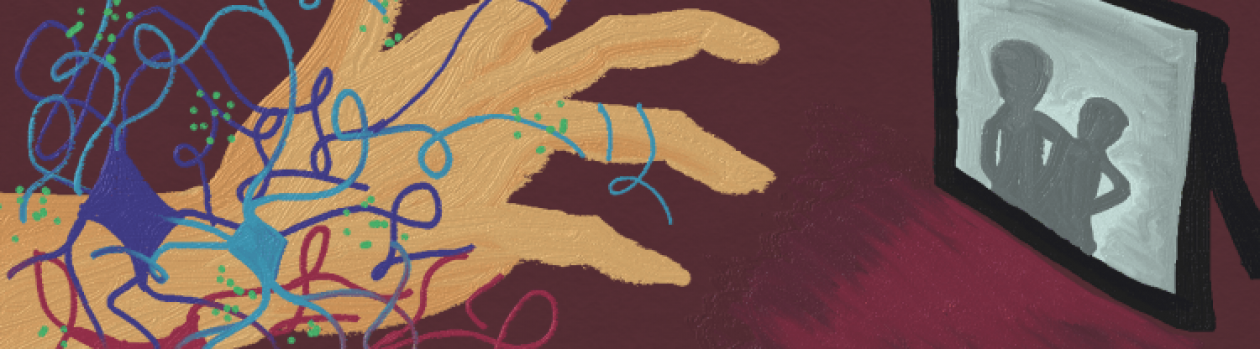
Concussions are fairly common and inexpensive with the treatments we currently use (some good old rest and relaxation); as a result, it is often hard to see them as a serious injury. A broken bone causes a lot of pain and hubbub, having to get a cast and waiting months for it to heal – it’s a very apparent injury with constant reminders that something’s damaged. Considering the attention it demands, most people would probably consider a broken bone much more severe than a concussion. Although brain damage via concussion is much less apparent, it is a very serious matter, possibly resulting in decreased cognitive capacity or, in extreme cases, death. The brain is the most sensitive and vital organ we have, so the importance of its health and protection makes all others pale in comparison, even though the bills for other injuries might suggest otherwise. The question then becomes: how do we best spend our efforts to deal with injuries like concussions – in prevention or treatment?

I’ve always thought that a concussion was just bruising of the brain (which is actually a contusion), but there’s a lot more to it than some burst capillaries. Immediately following the hit to the head in a concussion, a number of things happen rapidly to offset homeostasis in the brain. Neuronal membranes are disrupted, causing the opening of K+ channels, depolarizing the neuron. Depolarization causes a random release of glutamate which binds to NMDA receptors that allow Ca2+ to flow into the cell and more K+ to flow out of the cell, depolarizing it even more. At this point there is a major imbalance in K+ concentration, which is far from homeostasis; to counter this, ion pumps in the membrane are activated to pump Na+ and K+ back into the cell. This requires energy, however, so glycolysis goes into overdrive to convert glucose to ATP to power the pumps. After brain trauma, oxidative metabolism performed by the mitochondria is also impaired, leading to reduced ATP production, calling for an increase in glycolysis. All of this glycolysis is producing a giant amount of lactate, which can induce increased cellular acidity, membrane damage, altered blood brain barrier permeability, and cerebral swelling, all leading to neuronal dysfunction and possible cell death, all characteristic of concussion.
Looking at the prospect of treatment, not only would the treatment have to be administered within minutes of occurrence, some very influential processes would have to be altered, which always worries me – either glycolysis would have to be shut off (and considering its importance to all life processes, this is likely not a great option) or the ion channels controlling K+ and Ca2+ flow would have to be blocked. Ion channel blockers have been identified and used, but they have produced mixed results and many, if not all, of them have a list of possible negative side effects as long as my arm, ranging from headaches to death. At that point, I’d rather take my chances with the concussion.

Prevention of concussion would solve the problem right then and there. Most of the concussion incidents in our society are due to sports, a setting that can be regulated to greatly control its occurrence. The issue here is that the game would be altered to such a degree that some would question whether it’s worth playing anymore. The point of competition is to give your all against the other team and whoever comes out on top had more to give and was therefore the better competitor. Forcing people to hold back would destroy the point, although the importance of health versus a game seems like an obvious choice. I guess the bottom line is, people still know the risks and put their health on the line anyway; who’s to tell them they can’t?
To choose sides, I tend toward treatment, but with a twist; I think researchers should focus on developing reliable methods for diagnosing concussions so people can know their risks with repeated injury, and any available treatment can be administered to an appropriate degree for the extent of the concussion. Overtreatment with ion channels can be an issue because homeostasis is usually the goal, so going too much in the opposite direction can swing one’s system into an equally problematic state. However, in the end, each option is complicated and has its positive and negative aspects – there may be no ideal answer. What do you think is the best route?
Head Shot: Football and Concussions
 The paper we read for this week takes us down to the basic mechanism of concussions, and by investigating the neurometabolic changes the authors try to find the relationship between these changes and sports related issues. Since I have no personal experiences with concussions, I decided to seek help from the internet in order to find some Inspirations to write this blog. And luckily, one of my favorite TV programs, Sport Science by ESPN, did a sector on the topic, NFL Concussions and helmet to helmet collisions. Although this video was filmed over two years ago, I find it still fits perfectly with the recent controversial topic of sports and concussions, especially in the NFL.
Earlier in the year, some former NFL players filed lawsuits against the league for repeated traumatic injuries to their heads. As of today, the number of the total players (both recent and former) in these lawsuits has snowballed to nearly 3000. Although personally I do not believe they have a strong case, but since I am a science student not an expert in law, it is more appropriate for me to just dive into the science part of the issue.
After a traumatic head impact, the excitatory amino acids (EAAs) are accidentally released from the pre-synaptic neurons, which then bind to the NMDA receptors located on the post- synaptic neurons. Upon the activation of the NMDA receptors, the efflux of potassium and influx of calcium leads to neuronal depolarization. And since our body would like to restore the normal cell potential, the ATP requiring sodium potassium pumps in the cell will work overtime causing the “hypermetabolism” and eventually an energy crisis. The researchers suggest that the energy crisis is a likely mechanism for postconcussive vulnerability, making the brain less able to respond sufficiently to a second injury and potentially leading to longer-lasting deficits such as impaired coordination, attention, memory, and cognition. According to the Sport Science video, over 100,000 concussions occur at all levels of football field alone every year, and 60% of these results from head to head collisions. In the NFL, the average speed of the collision is 20 miles per hour, and a player’s head could experience nearly 190Gs of force in just 0.015 seconds. Even with improved technology, helmets could only reduce an 80G collision in half, which is still more than enough to cause a concussion.
All these facts only suggest that concussions and physical sports such as football go hand in hand. With proper care, most concussive patients are able to fully recover from mild concussions. But most people (including the players) sometimes underestimate the damages of repeated concussions and therefore result in permanent damages. After all, no matter what the outcomes of the lawsuits turn out to be, I believe the lawsuits themselves are positive. Because they have successfully raised the awareness of the importance of concussion care of the general public, and more importantly, the youth and adolescent players who see the NFL players as idols.
Concussions: What are they and why are they so dangerous?

Crash! Bang! “What a hit!” On Sunday every weekend during the fall, football catches our attentions with big, powerful hits between opposing teams. On occasion, players are assisted off the field under suspicion of suffering a head injury from such a hit. More often than not, the announcer informs you that the player will not be returning to the game due to concussion-like symptoms. In the case of my grandpa, this generally prompts an angry outburst followed by a comment about how “in the old days” men use to play through such injuries. I do agree with my grandpa that it does seem like there was less concern about concussions in the past than today. So why are concussions such a hot topic in football today? Why are players not allowed to return to finish the game?
Before I begin to answer these questions, it is best to understand what a concussion is. Concussions are a type of traumatic injury caused by a hit to the head or body, a fall, or another injury which results in jarring or shaking of the brain inside the skull.1Some common symptoms include confusion, disorientation, dizziness, headaches, unsteadiness, and vision problems.2 Concussions are generally associated with sports, but they can occur in daily activities as well. You are probably saying, “but why are they so dangerous?”
First, we need to understand what happens to the brain immediately following a concussion. After receiving a concussion, there is an increased concentration of calcium ions due to increased signaling in the brain, leading to stress on the neurons. Increased calcium concentrations can lead to stress on neurons as a result of calcium accumulation. One downside of calcium accumulation is that it slows down energy production by interfering with mitochondria in the cells. Additionally, when a concussion occurs, there is a disruption in the brain’s ability to regulate potassium ions inside and outside the cell. Normally potassium ions have a high concentration in the nerve cells so after a concussion the brain tries to restore this concentration gradient by causing the ion pumps in the brain to work overtime. Therefore, the brain requires extra energy (ATP) to run these pumps longer, leading to an energy shortage. The increased potassium and calcium ion concentrations greatly limit the body’s ability to produce enough energy to support the brain cells. It takes many days until these ions return to their normal concentrations.
If enough time is given for the brain to return to normal, there seems to be little or no lasting neurological conditions from concussions. However, the lasting effects from concussions appear to occur when someone gets another concussion before the first one is fully healed. According to the research paper, the brain is most vulnerable to lasting damage when it is working overtime producing energy to recover from the first injury. When there is a second concussion, the brain may not be able to produce enough energy to support the repair process for both the first and second concussions. The result is irreversible damage to the brain. Therefore, the injured NFL players are not allowed to return to the game because the NFL is trying to protect the players from a second concussion and thus permanent brain damage.
Sources:
1) http://www.webmd.com/brain/tc/traumatic-brain-injury-concussion-overview
2) http://www.ncbi.nlm.nih.gov/pmc/articles/PMC155411/pdf/attr_36_03_0228.pdf
Concussion Repercussions

“You are supposed to be tough. You are supposed to play through pain. You are not supposed to cry. We are taught that early on in the game as kids. Tough sport. Brutal sport. It’s like the gladiator. People want to see the big hits. They wind up on Sports Center. And as a player, you don’t want to admit you are injured.” -Hall of Fame running back Eric Dickerson
American football is one of most watched sports in the United States. One might even say it is a symbol of the country. I know it is my favorite sport to watch. I love the intensity of the game, the competitiveness, the strength and courage of the players, and I too love the “big hits”. But I am just a spectator. I am not the player. Although I might cringe when I see a big hit, my life is not affected by its outcome. What are the outcomes? Sometimes it’s a minor injury, while other times it’s a serious one. And sometimes it’s a concussion.
Strong impact to the brain jolts the brain from position and causes the brain to experience a blunt force at the sight of impact and an opposing force on the other side of the head. The sudden force causes the axon of the neurons in the brain to stretch. Ultimately, a concussion results from an increase in activity of excitatory amino acids (glutamate) as well as an influx of calcium ions and efflux of potassium in the neuron. This shift leads to changes in neuronal physiology. Na+-K+ pumps need to work over time in order to restore calcium and potassium concentrations back to normal. The Na+-K+ pump requires energy to function (in the form of ATP), which is obtained through the metabolism of glucose. Thus, when a Na+-K+ pump needs to work harder to restore ion concentrations, the pump demands more energy, and glucose metabolism is increased. Hypermetabolism puts the cell in an energy crisis, which makes the cell vulnerable to a second injury and increases the time necessary for full recovery. Allowing time to recover is imperative for a concussed brain to heal. In fact, repeated injuries occurring within a time frame that doesn’t allow for the brain to recover leads to larger anatomical and behavioral impairments in the brain in the long run.
As scientists have become more aware of the dangers that concussions present to players, ethical questions are raised. Should players be allowed to participate in a sport that has the potential of being so detrimental? Is it a person’s right to participate in activities that have proven to be risky? Are parents putting their children in danger by enrolling them in activities where concussions are common? What duty does a medical doctor or athletic trainer have in limiting play for a player who has obtained a concussion?
In my opinion, the last question is one of the most difficult questions to answer. It is imperative that a player allows time for their brain to heal after they experience a concussion, as two repeated concussions are far worse than two isolated concussions. But have you ever talked to a football player before, during, or after a game? Their passion for the game and competitiveness to win often determines whether or not they can play rather than their awareness of what their body actually needs. It is not uncommon for a player to ignore concussive symptoms (as well as other injuries) so they can continue playing the game. Besides, aren’t football players SUPPOSED to be tough? As running back Erik Dickerson said, players are “supposed” to be strong, to endure pain, to push themselves beyond their limits.
Therefore, it is a combination of competitiveness and pride that pushes players to return to the game before they are ready. And unfortunately, there are not many quantitative, concrete ways for doctors and trainers to assess a concussion, especially in the first, critical assessment on the field. Instead, they rely on the player to be honest and assess their abilities themselves.
Personally, I couldn’t imagine life without sports (especially football). Sports are important for a person’s health as well as teaching them teamwork, accountability, perseverance, sportsmanship, hard work, and so much more. To avoid the potential dangers of concussions, I feel that education is one of the most important things we can do to avoid the repercussions that might occur in repeated concussions. By informing players of the seriousness that these repercussions could have in the long run, players might become more willing to allow themselves to heal before returning to play. Hopefully, this would also dissipate the negative stigma that follows players who DO allow themselves to heal properly.
I do believe people have a right to participate in dangerous activities and do not think it would be reasonable to take such activities away. Think of all the worldly activities people participate in that have the potential to be dangerous! However, I also feel that players have a responsibility to themselves (as well as their friends and families) to be aware of what their body needs, and this includes allowing time for their brains to heal after a concussion.
Concussions: The Elusive Injury
Last week we talked about concussions in our class. Namely, what they are and what causes them. The latter question is easy enough to answer, turn on any high contact sport and odds are you will likely see an athlete receive a concussion. Yes this massive deceleration that is experienced by our brains within our skulls creates enormous stress on the nerve cells within the brain. Basically what happens is that after the brain suffers an injury, the nerve cells within our brains lose their polarization. This polarization is necessary for bodily function as signals are carried most effectively by electrical impulses which are enabled by said polarization. Now in order to counteract this depolarization the cells use a pump on their outer surfaces which allow the transfer of charged ions to into the cell. The only problem with this is that they need energy in order to function, and after the brain suffers a collision blood flow into the brain is significantly reduced. This means that nutrients normally being carried into the brain in sufficient amounts are no longer going to where they need to go, so now our pumps which are trying to restore the natural state are using up resources which are becoming more scarce as time goes on. Eventually, we reach a point our brain cells undergo a cellular energy crisis where we see a depressed state of metabolism in the cell. This crisis is especially dangerous when we take into account the threat of subsequent concussions as in this state the brain cells are in worse shape to counteract the injury. Now once again this is a very basic overview of what happens during a concussion. In truth we also see the generation of lactic acid, decreased magnesium level in the cell, free radical production, inflammatory responses, and altered neurotransmissions playing a role in concussions.
In our discussions for this week we mostly stayed on the topic of concussions and contact sports. Namely, these types of injuries are so easily misdiagnosed or so easy to cover up by the players that a second more serious injury is very likely to occur. We talked about many different ways that one might go about trying to address these two issues as there are many factors involved. For example, we still do not know very much about concussions, namely what specific forces on the brain cause a concussion. Scientist use sensors in the helmets of the players in order to monitor the kinds of forces acting on them and as such we are making progress in this area. Another important topic that was brought up is that athletes are only getting stronger and faster as time goes on due to better training methods, so the odds that we will see more players dealt concussions in the future are pretty good. Lastly and possibly most important is simply the players themselves. If they are not educated about the symptoms of concussions they are putting themselves in danger, more to the point if they simply ignore their symptoms after they receive a concussion and decide that it is not worth getting barred from their normal training for 7 days.
I thought that we had an enlightening discussion this week and it just goes to show that sometimes there really aren’t any easy answers to a problem that is as complicated and multifaceted as this.
Concussions Are More Dangerous Then We Think
 Over the recent decades we have seen a great increase in the intensity of sports and along with it more seem to be getting concussions. Concussions can be very dangerous brain injuries possibly causing high levels of cognitive impairment in the individual’s future. Athletes still are well-educated on the subject and are unaware of such dangers. Professional athletes have nonchalant attitudes towards concussions as they are back in the game or training as early as a day later. Young children, high schools students, and even college athletes look up to the professional players and mimic their actions and attitudes putting themselves at great risk for further damage to their brains. There needs to be an increase in awareness for concussions on what types of damage they can really cause and what can happen if an athlete is not fully healed and gets another concussion.
What is a concussion? Concussions are types of brain injuries caused by trauma to the head usually induced by a blow to the head or body, a hard fall, or some other injury causing the brain to be shaken or jarred. Despite the absence of bruises or scratches on the face there can be a great amount of internal damage. Our brains do not fully fill out our skull and have a bit of room to move around. When the body is hit there is a sudden change of direction of movement by the skull while the brain continues to move until it smashes into the skull and bounces back to hit the other side. This collision causes a complex cascade of ionic, metabolic, and physiological events. Hypometabolism occurs slowing the brain’s ability to communicate and process information. This is followed by chronic alterations in neurotransmission resulting in neuronal dysfunction causing symptoms such as impaired coordination, memory, attention, and cognition.
It is often thought that once a concussion occurs the athlete needs only a few days to recover before getting back into the game. This is untrue. It has been shown that it can take 10 or more days for metabolism in the brain to return to its normal functioning. Even if the metabolism returns to normal in that amount of time the athlete may still have new or persisting symptoms. This has been termed as postconcussive syndrome: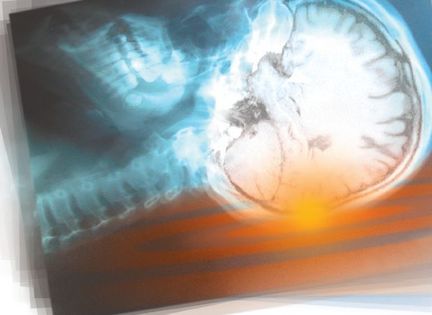
- “Changes in your ability to think, concentrate, or remember.
- Headaches or blurry vision.
- Changes in your sleep patterns, such as not being able to sleep or sleeping all the time.
- Changes in your personality such as becoming angry or anxious for no clear reason.
- Lack of interest in your usual activities.
- Changes in your sex drive.
- Dizziness, lightheadedness, or unsteadiness that makes standing or walking difficult.”
(http://www.webmd.com/brain/tc/traumatic-brain-injury-concussion-overview?page=2)
In some cases concussions can cause very serious problems. This happens when an athlete receives a concussion and returns to play. This initial concussion need not be major but if there is another hit on the player inducing another concussion there can be serious consequences. During the 10 days after getting a concussion the brain is very vulnerable and is in a weakened state. Another blow can induce a major traumatic brain injury. This results in either long-term problems with basic movement, learning, and even speaking. Protecting the brain in this vulnerable state is crucial for recovery and prevention of very serious long-term problems.
A concussion is serious traumatic brain injuries and the awareness of its symptoms needs to be heightened. Professional and nonprofessional athletes such as college and high school athletes need to be more educated on the effects of such injuries to prevent serious problems. Parents also need to be educated to protect their children from impairment of cognitive potential as a repeated concussion can cause serious problems for the developing brain.
Brain Tackles: Concussions in Football
How do you differentiate between the mild and spicy salsas at a Mexican restaurant? It’s obvious: one has a jalapeno and one doesn’t, or one tastes clearly spicier than the other. When it comes to the severity of a concussion, however, the ability to differentiate between a severe injury and a mild one is much more unclear. How the brain will be affected by an injury and develop a concussion is impossible to observe at the time. Due to this, there is a growing concern in the sports world about how the best way to regulate and prevent repeat concussive injuries in players.
Currently, if you’re diagnosed with a concussion, you are removed from play for only a week, in football. For players, a week seems like a death sentence for their careers. For your brain, a week is the bare minimum amount of time necessary to repair itself for most concussions. But when even a doctor can’t tell you how bad your concussion really is or how long it will need to completely return to its normal state, how long should players be pulled off of the field? Fans and players will not want them off of the field longer than necessary, or at all. No one wants players to get injured, but they also don’t want miss a single game with their star players. There is an ethical question of whether it is up to the players here to decide to risk their brain’s health in order to keep playing, or not and maintain proper brain health. An obvious choice would be to improve safety equipment or to implement stricter regulations when a player is allowed to return to play after injuries.
Plenty of time and money is invested annually into the best helmets and equipment for players to keep them as safe as possible in play, but the players themselves have to be responsible enough to own up to their injuries. An injury to the body is obvious and if a player can’t walk, they can’t walk. An injury to the brain is not something you can look at and assess, even if you saw the tackle that caused it. The only way to assess whether players have a brain injury that’s severe is to ask them post-tackle and to ask them. Unfortunately, a player is at liberty to be honest and say he’s experiencing neck pain, or lie, say they’re feeling completely fine, and return to the field and further risk their brain to injury. Most players at the end of their career would not have their children exposed to the same risks of brain injury, leading most to interpret that this game can have some serious long-term problems with the way football is going right now. A change is necessary, and in order to prevent repeat concussions and long term brain damage, it’s time to choose whether it’s better to be safe than sorry or not. To be safe, any player with trauma to the brain, whether the player is experiencing pain or not, should be pulled out of games for a week or two to ensure that they are healed totally and completely. The risks of returning too soon would be impaired memory, thinking ability, and motor ability. If a player is willing to risk how well he can think for the rest of his life, just to play twenty more minutes of a game before getting another injury, then that’s the poor choice they choose to make.
MAPK pathway and the brain
This week, the discussion topic was the MAPK pathway and its connection to Parkinson’s(PD), Alzheimer’s (AD), and Lou Gehrig’s (LGD) diseases. One of the first things we discussed was whether we thought that there was a simple way to control or block the development of these diseases. Unfortunately, we could not think of a way simply because the MAPK pathway is literally everywhere. If we block any part of the pathway, it effects more than just the region we want it to, which is the biggest downfall in looking at such widespread pathways in the body with respect to disease.
Next we talked about insurance companies and being able to prescreen for risk factors for diseases. We all know that certain insurance companies can deny you on pre-existing conditions and we all thought that was ethically wrong but we all know it about money in this world and unfortunately that’s why insurance companies do that. What we thought was that if people had to pay to get things treated that aren’t life-threatening, then insurance companies would be more apt to accepting everyone and then everyone could have it for when they need it. One flaw that I saw from this was that some conditions aren’t life threatening in and of themselves but the fact that they lead people to have to miss work may end up threatening health, especially those people who need to work to provide for themselves and their families.
Next topic was the feasibility and morality of using stem cells to regenerate brain cells lost due to PD, AD and LGD. What we found out was that brain cells regenerate when stem cells are injected into the area where the loss occurred. However, because there are other factors that play into the development of the diseases, the stem cells are just a temporary cure and the neurodegeneration comes back and you would have to go through the process of re-injecting new stem cells into your brain. You also run the risk of the stem cells not differentiating correctly and turning into some other cell in the brain which is not a good thing at all. The morality issue has been around for a while in respect to stem cells because they come from fetuses. This brings into the picture of when does life officially start and due to the extreme sensitivity of some people to this topic, I will not go any further than saying that it was brought up in our discussions.
All in all, there are many potential ways out there now that we could use to go about preventing or curing neurodegenerative diseases, some with moral side effects and some with physical side effects that need to be taken into account. Who knows, maybe one day someone will stumble across the miracle drug that will cure all of these horrible, debilitating diseases.
Will the MAPK pathway lead scientists to a cure for many common neurodegenerative diseases?
Neurodegenerative diseases such as Alzheimer’s disease (AD), Parkinson’s disease (PD) and Amyotrophic lateral sclerosis (ALS) are a scary thought for many people as they have either experienced one of these diseases personally or know someone that has been affected. The thought of losing cognitive and memory function or having difficulties performing basic motor skills is absolutely horrifying, especially due to the fact that scientists are yet to develop a definite cure to these common neurodegenerative diseases that affect our society. In the paper “Pathological roles of MAPK signaling pathways in human diseases”, that we read and analyzed this week in our neurochemistry class, scientists are looking at a possible cell-signaling pathway that could shed light on a possible cure to these devastating diseases.
The basis of these three common neurodegenerative diseases involves either cell death or loss of neurons that leads to the symptoms that are developed from these diseases. Scientists have recently identified a few different cell-signaling pathways that could be involved in the development of these diseases. The first pathway that was identified is known as the Mitogen-activated protein kinase, or MAPK pathway. This pathway is associated with a number of different cellular activities that include cell proliferation, differentiation, survival, death and transformation. Other pathways in the body that were explored in this paper include the p38, JNK and ERK pathways, all of which are responsible for different cellular responses in the body.
Alzheimer’s disease is the most common neurodegenerative disease seen in our society today. In this disease, the MAPK pathway is triggered by oxidative stress and is responsible for neuronal apoptosis, ultimately causing AD. Oxidative stress is simply an event that is triggered by certain reactive oxygen species such as the hydroxyl radical, superoxide anion or hydrogen peroxide. Parkinson’s disease, the second most common neurodegenerative disease is also caused by oxidative stress. In PD, oxidative stress activates the p38, ERK, and JNK pathways, ultimately activating the MAPK pathway causing an increase in neuronal apoptosis as well. ALS is also caused by the activation of the p38 MAPK pathways resulting in a loss of motor neurons causing muscle atrophy. The fact that all of these pathways are seen in the progression of these neurodegenerative diseases it is a very important that scientists target them when looking for a cure.
You might be wondering, if scientists know what pathways are present in the development of these neurodegenerative disorders, why haven’t they already developed a cure? Although there are different inhibitors to these pathways that can be used to slow the progression of these diseases, it is very difficult to inhibit a certain pathway without it having many other effects in the body, as these pathways are responsible for so many other cell responses in the body and it’s almost certain that by inhibiting these pathways, many negative side-effects will also be present.
Now that scientists have been able to determine that these complicated cell-signaling pathways are involved in the pathogenesis of these neurodegenerative diseases, they have a very promising target when trying to develop a cure for these diseases. It will be very interesting to watch the progression as scientists attempt to find a cure for these very scary neurodegenerative diseases.
The Complexity of the MAPK Pathway
Our article this week talks about how the MAPK pathway is highly linked with several neurological diseases including Alzheimer’s Disease, Parkinson’s Disease, ALS – Almytotropic lateral sclerosis (or Lou Gehrig’s Disease), and cancer. A single pathway that is connected with so many influential diseases is exciting in that it offers a great deal of potential and a great challenge.
The MAPK Pathway
At the most basic level, the MAPK (Mitogen-Activated Protein Kinase) pathway is a set of proteins that activate one another by setting off and activating a kinase chain eventually leading to transcription factors in the nucleus being activated and the expression and coding of genes. More specifically, while not the only factor, it controls cell life and death.

This flow chart from this weeks article shows the three different MAPK protein pathways: ERK, p38, and JNK. In general, ERK can be associated with cell life or proliferation, while p38 and JNK can be associated with cell death or apoptosis. In Alzheimer’s Disease the ERK transcription is blocked and the p38/JNK pathway activated, which leads to cell degradation and apoptosis. In Parkinson’s Disease the activation of the p38/JNK pathway leads to the death of dopaminergic cells which lead to the symptoms associated with the disease. In ALS activation of the p38/JNK pathway leads to death of motor neurons. In Cancer, patients experience the over proliferation of cancer cells. In all of these cases there is malfunction of the MAPK pathway.
Research Possibilities
The link between all of these diseases and the MAPK pathway could be a great research opportunity because any new information that is acquired on the subject has the possibility of being applied to one or more of these diseases. This gives the prospect of moving forward in understanding of several diseases at the same time.
Using treatments of the MAPK pathway to find and treat the cause of the disease instead of treating symptoms . Since the MAPK pathway is highly linked to so many different diseases as well as cell life and death within the brain, selectivity of treatment would pose a dilemma. It would be unfortunate to find a way to treat one disease only to find that the treatment is leading to the cause of another disease or malfunction of the MAPK pathway in other parts of the brain.
The link between Alzheimer’s Disease, Parkinson’s Disease, ALS – Almytotropic lateral sclerosis (or Lou Gehrig’s Disease), and cancer through the MAPK pathway gives insight into how the brain works, and how these diseases effect the brain. It could in the future offers opportunities to find ways to treat the cause of the diseases, not only the symptoms. Other options such as gene therapy pose similar problems in that changing certain genes associated with the disease may help with the disease but cause unknown other problems in the future. There are still so many things we do now know or understand about how the brain works.