Stimulating the Endocannabinoid System Without Cannabis

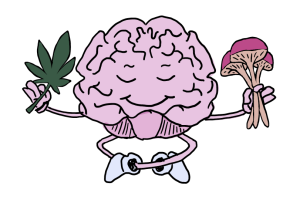
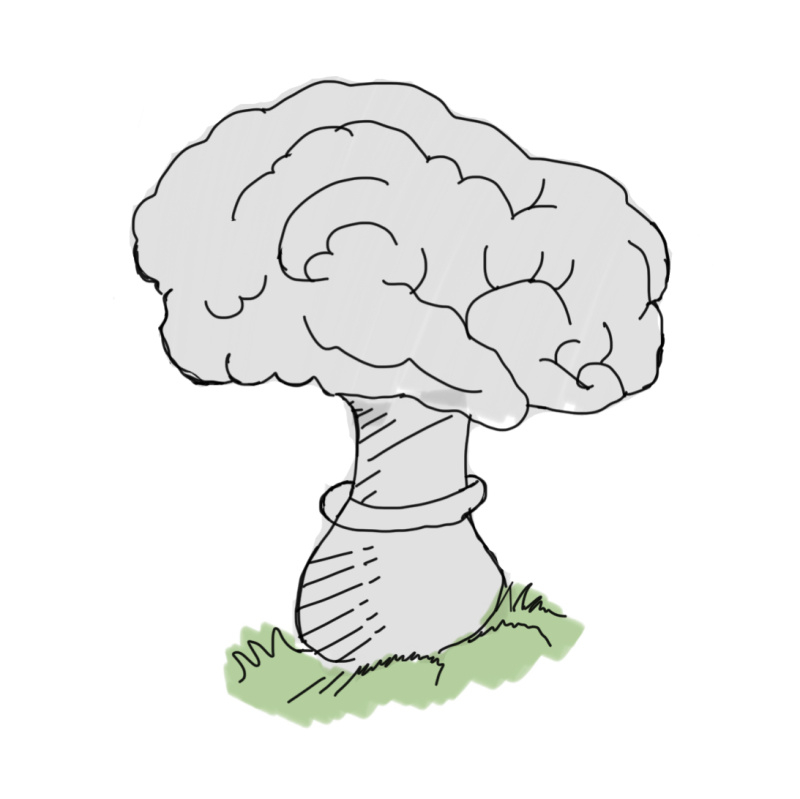
Artstract by H. Puppe


Referred to as “the gate-way drug,” weed, Mary Jane, or pot, cannabis has been known by many for a long time. But many do not know how it works in the body. Cannabis acts on the endocannabinoid system. There are two main things to understand about the endocannabinoid system: endocannabinoids and CB1 and CB2 receptors.

Endocannabinoids and Receptors

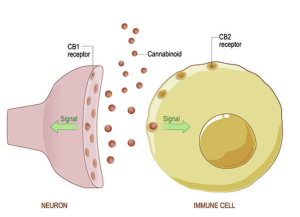
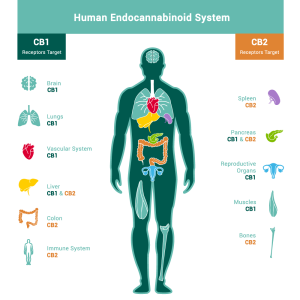
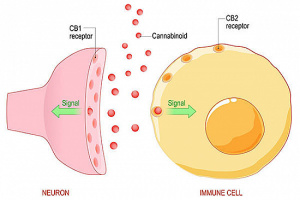
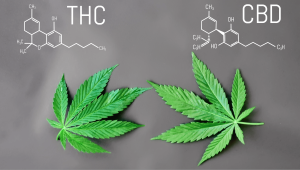
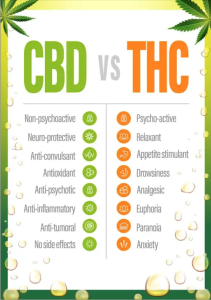
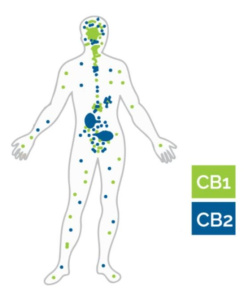
Endocannabinoids are chemical compounds that are produced in the body that bind to the same receptors as chemicals in cannabis like THC, which is the chemical that produces the euphoric effects. Two endocannabinoids are arachidonoylethanolamide (AEA) and 2-arachidonylglycerol (2-AG). Both of these act on CB1 and CB2 receptors. CB1 receptors are in the neocortex, hippocampus, basal ganglia, cerebellum, and brainstem as well as the testis, eyes, spleen, and the inner lining of veins, arteries, and capillaries. CB2 receptors are associated with inflammation and immune cells.1 Figure 1 shows the locations of CB1 and CB2 receptors in the body. Thus, it is safe to say that THC and endocannabinoids effect almost everything in the human body.

Figure 1. Locations of CB1 and CB2 receptors in the body

Treatment with THC

Legalizing THC has been a topic of debate for a long time, especially for medical use. THC has been used to help manage pain, nausea, weight and appetite, glaucoma, multiple sclerosis, Parkinson’s, and the list continues to grow. But, there is one major problem. Cannabis continues to be source of many problems like increased risk of car accidents, injury, and cannabis use disorder.2

Signs of cannabis use disorder include:

  • Using more marijuana than intended
  • Trying but failing to quit using marijuana
  • Spending a lot of time using marijuana
  • Craving marijuana
  • Using marijuana even though it causes problems at home, school, work
    • Despite social and relationship problems
    • Despite physical or psychological problems
  • Giving up important activities with friends and family in favor of using marijuana.
  • Using marijuana in high-risk situations, such as while driving a car.
  • Needing to use more marijuana to get the same high.
  • Experiencing withdrawal symptoms when stopping marijuana use.

People who use cannabis have a 10% likelihood of developing cannabis use disorder.3 In a study with THC treatment, glaucoma patients had to smoke six to eight doses each day to alleviate symptoms. This led to tolerance of the drug while reducing the beneficial effects. When stopping treatment, patients experienced withdrawal symptoms. It was concluded that these high daily doses resulted in cannabis use disorder.4 Cannabis may not be the cure-all that people think it to be and it is important to look into the negatives along with the positives of cannabis use. Because of this, alternative treatment must be taken into consideration before prescribing medical cannabis.

Stimulating the Endocannabinoid System

Low endocannabinoid levels have been linked to major depressive disorder, multiple sclerosis, and Parkinson’s. If we want to treat with cannabis without actually using cannabis, we can look to stimulating the endocannabinoid system. There are other ways besides cannabis to stimulate this system.

  1. Cold Temperatures
    • Exposure to cold temperatures can increase the amount of endocannabinoids in the body as well as the density of CB1 receptors. An easy way to achieve this is to take cold showers.
  1. Coffee and Tea
    • Consuming caffeine has been shown to enhance endocannabinoids and CB1 receptors. Tea specifically also has an anti-inflammatory effects.
  1. Exercise
    • Exercise results in upregulation of CB1 receptors and increased CB1 receptor sensitivity5

Although cannabis has many benefits that effects many parts of the body, there are many negatives. It may be possible to mimic its effects through the activities listed above and may be able to help treat these ailments.


References

  1. Kendall, D. A., & Yudowski, G. A. (2017). Cannabinoid receptors in the central nervous system: their signaling and roles in disease. Frontiers in Cellular Neuroscience10. https://doi.org/10.3389/fncel.2016.00294
  2. (2019). Cannabis (Marijuana) and cannabinoids: What you need to know. National Center for Complementary and Integrated Health. https://www.nccih.nih.gov/health/cannabis-marijuana-and-cannabinoids-what-you-need-to-know#:~:text=Drugs%20containing%20cannabinoids%20may%20be,loss%20associated%20with%20HIV%2FAIDS.
  3. (2020). Addiction (Marijuana or cannabis use disorder). National Center for Injury Prevention and Control, Center for Disease Control and Prevention. https://www.cdc.gov/marijuana/health-effects/addiction.html#:~:text=Some%20people%20who%20use%20marijuana,marijuana%20have%20marijuana%20use%20disorder
  4. Sun, X., Xu, C. S., Chadha, N., Chen, A., & Liu, J. (2015). Marijuana for glaucoma: a recipe for disaster or treatment? The Yale Journal of Biology and Medicine88(3), 265–9. https://www.ncbi.nlm.nih.gov/pmc/articles/PMC4553646/
  5. Fallis, J. (2023). 26 powerful ways to boost your endocannabinoid system. Optimal Living Dynamics. https://www.optimallivingdynamics.com/blog/how-to-stimulate-and-support-your-endocannabinoid-system

Addiction on the Molecular Level

Addiction is a significant issue in today’s society. Addiction is defined as a compulsive and persistent dependence on a substance or behavior that has negative consequences. Some of the most common types of addiction are substance addiction (addiction to drugs, alcohol, and tobacco), natural addiction (addiction to food, binge eating disorder) and behavioral addiction (addiction to gambling, video games, and social media).

Addiction can have a significant impact on an individual’s life as well as the lives of those close to them. It can result in physical and mental health issues, financial difficulties, social isolation, and legal complications. Addiction can also have a negative impact on the larger community by causing crime, violence, and other social problems.

Addiction is particularly problematic in today’s society due to a number of factors. For starters, addictive substances and behaviors are more widely available, thanks to the proliferation of online gaming and social media platforms. Second, there is less social stigma attached to addiction, which may make it easier for people to engage in addictive behaviors without fear of being judged. Finally, many people lack access to effective addiction treatment and support services, making it difficult for them to overcome their addiction and live a healthy life.

Drug abuse can activate several signaling pathways in the brain, leading to the development of addiction. The following are some of the most common signaling pathways involved in drug abuse:

  1. Dopamine pathway:The mesolimbic dopamine pathway, which is a circuit of brain regions involved in reward and motivation, is one of the key pathways identified by Dr. Nestler and his colleagues. This pathway is activated when a person engages in rewarding behavior or takes an addictive drug, and dopamine is released in the nucleus accumbens, a key region of the brain’s reward circuitry. This dopamine release reinforces and motivates the individual to repeat the behavior.
  2. Glutamate pathway: The glutamate pathway is responsible for learning and memory. Drugs of abuse can activate this pathway, leading to changes in synaptic plasticity, which can lead to drug cravings and addiction.
  3. GABA pathway: The gamma-aminobutyric acid (GABA) pathway is responsible for the brain’s inhibitory system. Drugs of abuse can disrupt the balance of GABA signaling, leading to an increase in excitatory signaling, which can lead to drug cravings and addiction.
  4. Endocannabinoid pathway: The endocannabinoid system is responsible for regulating appetite, pain, and mood. Drugs of abuse can activate the endocannabinoid pathway, leading to changes in appetite and mood.
Positive. Hedonic Effects. Dopamine. Endorphins. Serotonin. GABA. KoobG/NP/wor2/030104jh. 14.

Moreover, repeated drug use or addictive behavior causes the brain to adapt, resulting in long-term changes in gene expression and synaptic plasticity. Dr. Nestler has identified a number of specific molecular pathways involved in these adaptations, such as changes in gene expression of various transcription factors, epigenetic DNA modifications, and changes in synaptic plasticity and neuroplasticity.

While there may not be a single common molecular pathway for addiction, Dr. Nestler’s research has contributed to the identification of some of the key molecular and cellular mechanisms that underpin addictive behavior. This understanding is critical for the development of new treatments and interventions to assist individuals in overcoming addiction and leading healthy, fulfilling lives.


Obesity: Weighting for the World to Change

Artstract created by Kailee Vigen

The Obesity Crisis 

41.9 percent of American adults have obesity as of 2022. This obesity rate is due to many contributing factors such as race, genetics, environmental, and biological. Since 2021, nineteen states have announced a population obesity rate of 35% or higher. A decade ago, none of the fifty states were even near 35% obese. What has caused this increase, and what can be done to help the obesity crisis? With numbers as such, it is safe to say that this is not an individual problem – this is the nations, and even the world’s problem.

The only explanation for such an increase in obesity is, simply, increased caloric intake and decreased exercise causing weight gain. As treatment, it is advised to eat healthier and exercise more, which is attainable for some individuals, but not all. At such a large scale of obesity, our only hope for a “cure” is market changes and policy. One policy that has been proposed and is now implemented in Philadelphia, PA, Boulder, CO, and Berkeley, CA is a sweetened beverage tax. In Berkeley, this tax caused a 21% drop in sugary drink consumption. This is one promising example that such policies can help with the obesity crisis. It is discouraging seeing the healthy food priced at least two times more as the processed and fatty snack aisle in grocery stores. If healthier food costs were lowered and unhealthy foods were taxed, the obesity epidemic would see the end of its climb and plummet. 

The Science

Biologically, obesity is more than just a bigger waist and greater amounts of adipose tissue built up throughout the body, it actually affects brain function as well. Altered brain function also contributes to obesity in individuals, but it all begins with diet – a high fat diet.

What is a High Fat Diet (HFD)?

HFD is the consumption of 35% of total caloric intake coming from fats, both saturated and unsaturated. These high-fat foods include the beloved and cheap processed foods we all know and love, animal fats, chocolate, butter, and oils. To put this diet into perspective, if one consumes 2,000 calories in a day, and 700 calories of that came from fats, equivalent to half a normal sized bag of Doritos, then this would be considered a HFD. Unfortunately, just this one day of poor eating can cause detrimental change to the brain and thus the body as a whole. 

A HFD has been found to activate pathways causing leptin and insulin resistance – preventing individuals from feeling satiated and increasing blood sugar levels. This nutrient excess through overconsumption drives inflammation of the hypothalamus. This hypothalamic inflammation occurs even before weight gain. This inflammation alters the brain’s homeostatic and metabolic functions, contributing to obesity through such imbalanced energy and insulin resistance, as shown in the figure below. It has also been shown that HFD reduces synaptic plasticity, the body’s way of making new pathways for things learned and the formation of new memories. 

Conclusion

The obesity epidemic is one of the largest problems in the US and in the world. Obesity is not only gaining weight, it also alters brain function and creates different neuronal pathways from a HFD. Obesity effects an individual much more than one would think, and that is alarming. Taxes on unhealthy foods are a strong start to deterring individuals from buying such cheap, fat-filled  foods. Obesity is much more than an individual problem – the weight is truly in the country’s and world’s hands. 

References

Farberman, R. (2022). State of Obesity 2022: Better Policies for a Healthier America. Trust for America’s Help. Retrieved April 12, 2023, from https://www.tfah.org/report-details/state-of-obesity-2022/#:~:text=Nationally%2C%2041.9%20percent%20of%20adults,obesity%20rate%20of%2045.6%20percent.

Blumenthal, D.; Seervai, S. (2018). Rising Obesity in the United States Is a Public Health Crisis. The Commonwealth Fund. Retrieved April 13, 2023, from https://www.commonwealthfund.org/blog/2018/rising-obesity-united-states-public-health-crisis

Kristantis, B.; Turner, D. (2020). High-Fat Diet. Advances in Cancer Research. Retrieved April 11, 2023, from https://www.sciencedirect.com/topics/agricultural-and-biological-sciences/high-fat-diet#:~:text=A%20high%2Dfat%20diet%20(HFD,%2C%20butter%2C%20and%20oily%20fish.

Jais, A., & Brüning, J. C. (2017). Hypothalamic inflammation in obesity and metabolic disease. The Journal of Clinical Investigation, 127(1), 24–32. https://doi.org/10.1172/JCI88878

Hypothalamic Inflammation: A Key Contributor to Obesity and Metabolic Disease

What is Obesity?

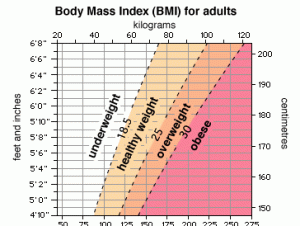
Obesity is a condition characterized by excessive accumulation of body fat to the extent that it impairs health. It is commonly defined by body mass index (BMI), a measure of weight in relation to height, with a BMI of 30 or higher considered obese. Obesity and metabolic diseases such as type 2 diabetes are major public health challenges that have reached epidemic proportions globally. While the exact mechanisms underlying these diseases are complex, recent research has pointed to the role of hypothalamic inflammation in their development.

A paper titled “Hypothalamic inflammation in obesity and metabolic disease” by Alexander Jais and Jens C. Brüning provides an in-depth review of the current understanding of this phenomenon. The authors explain that the hypothalamus, a brain region that plays a crucial role in regulating energy balance and glucose homeostasis, is particularly vulnerable to inflammation due to its high sensitivity to changes in nutrient and hormonal signals.

One section of the paper discusses the mechanisms that contribute to hypothalamic inflammation in obesity and metabolic disease. It also discuss the role of the immune system and how chronic low-grade inflammation can lead to hypothalamic dysfunction.

Fatty Acids

Another interesting aspect of the paper is the discussion of how certain dietary components can influence hypothalamic inflammation. For example, saturated fatty acids, which are commonly found in animal products and many processed foods, can activate inflammatory pathways in the hypothalamus. On the other hand, consumption of omega-3 fatty acids, which are found in foods like fatty fish and flaxseed, has been shown to have anti-inflammatory effects in the hypothalamus.

Neural Networks

Inflammation can affect the neural circuits that regulate feeding behaviour and energy expenditure, leading to alterations in appetite, physical activity, and metabolic rate. Activation of pro-opiomelanocortin (POMC) neurons and inhibition of agouti-related peptide (AgRP) neurons by adipostatic signals leads to the activation of melanocortin 4 receptor (MC4R) expressing neurons in the paraventricular nucleus (PVN) of the hypothalamus. This results in satiety and stimulation of energy expenditure. In contrast, during fasting, AgRP expression increases while POMC expression decreases, leading to decreased MC4R signaling.

Hypothalamic Inflammation

The effects of a high fat diet on the hypothalamus. https://www.researchgate.net/figure/Diet-induced-hypothalamic-dysfunction-Increased-consumption-of-obesogenic-diets-high-in_fig2_334109353

The figure above shows how the consumption of a high fat diet can lead to hypothalamic dysfunction, a condition associated with an increase in oxidative stress. When the hypothalamus becomes inflamed due to the consumption of a high-fat diet, it can lead to a disruption of insulin and Leptin hormones (appetite regulators) and contribute to the development of obesity. Insulin and leptin act directly on specific subsets of neurons in the arcuate nucleus (ARC) of the hypothalamus to control energy balance. The authors describe several approaches, including anti-inflammatory drugs, lifestyle interventions, and dietary modifications, that have shown promise in preclinical and clinical studies.

Overall, this blogpost highlights the importance of understanding the role of hypothalamic inflammation in the development of obesity and metabolic disease. By identifying the underlying mechanisms and consequences of this process, researchers may be able to develop more effective strategies for preventing and treating these conditions.

Sleep and Memory

Sleep and Memory Consolidation

Sleep is an essential component of our daily lives, and it plays a critical role in our cognitive and emotional functioning. One important aspect of sleep is its role in memory consolidation – the process by which new information is transferred from short-term to long-term memory. In recent years, researchers have made significant advances in understanding the relationship between sleep, circadian rhythms, and memory consolidation. One particularly insightful paper on this topic is “Role of circadian rhythm and REM sleep for memory consolidation” by Zhengui Xia and Dan Storm.

The paper explores the complex relationship between sleep, circadian rhythms, and memory consolidation. The authors suggest that the circadian rhythm, which regulates the sleep-wake cycle, plays a critical role in memory consolidation. They propose that the timing of learning and memory consolidation can impact the effectiveness of memory formation, and that the circadian rhythm affects various aspects of brain function, including synaptic plasticity, gene expression, and neurotransmitter release.

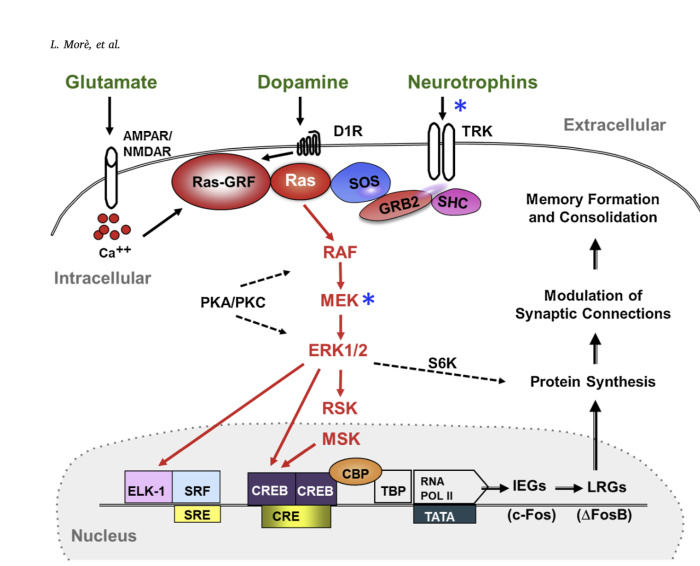
CRE-Mediated Signaling

The paper referenced in this blogpost discusses the role of signaling pathways in hippocampus-dependent memory consolidation. The following paragraph summarises the section of the paper that discusses the role of CRE-mediated signaling in LTM consolidation: The process of memory consolidation is initiated by Ca2+ signals generated by NMDA receptors and is dependent on de novo transcription and translation. CRE-mediated transcription is strongly implicated in the consolidation of long-term memory (LTM) and integrates Ca2+ and cAMP signals. The CREB-binding protein, CREB, is implicated in LTM and other forms of neuroplasticity in mice and drosophila. Studies on mice show that stimulation of CRE-mediated transcription during training depends on activation of NMDA receptors and MAPK. Inhibition of CRE-mediated transcription by administration of CRE inhibitors to the hippocampus blocks memory formation, indicating the involvement of CRE-mediated transcription in memory consolidation.

CREB-mediated transcription enhances LTM formation. https://elifesciences.org/articles/33007/figures

REM Sleep

REM (Rapid Eye Movement) sleep is a stage of sleep characterized by rapid eye movements, low muscle tone, and vivid dreaming. It is one of the four stages of sleep, along with non-REM (NREM) sleep stages 1, 2, and 3. REM sleep is typically associated with heightened brain activity and increased heart rate and blood pressure. The authors delve into the role of REM sleep in memory consolidation. They suggest that REM sleep plays a critical role in the consolidation of emotional memories, procedural memories, and declarative memories. They propose that this may be due to increased activity in brain regions involved in memory consolidation, as well as increased levels of neurotransmitters such as acetylcholine.

The implications of this research are significant. A better understanding of the relationship between sleep, circadian rhythms, and memory consolidation could ultimately lead to more effective treatments for sleep disorders and cognitive impairments. For example, individuals with sleep disorders or cognitive impairments may benefit from interventions that target the timing and quality of sleep, or that enhance the activity of neurotransmitters involved in memory consolidation.

In conclusion, “Role of circadian rhythm and REM sleep for memory consolidation” provides valuable insights into the complex relationship between sleep, circadian rhythms, and memory consolidation. By understanding the neurobiological mechanisms underlying this relationship, researchers and healthcare professionals may be able to develop more effective interventions for individuals with sleep disorders or cognitive impairments.

Psychopathy

What is Psychopathy?
Psychopathy is a personality disorder that is often characterized by a lack of empathy, impulsivity, and manipulative behavior. While there is still much to learn about the disorder, recent research has shed light on its neurobiological roots. In a paper published in the journal Molecular Psychiatry, researchers explore the genetic and environmental factors, brain regions, and neurotransmitters that may be implicated in psychopathy. They also suggest potential directions for future research and highlight the importance of better understanding the neurobiological mechanisms underlying the disorder.

The authors suggest that genetics may account for a significant portion of the variance in psychopathy, but that environmental factors such as childhood abuse and neglect may also play a role. They suggest that gene-environment interactions may be particularly important in the development of psychopathy. This highlights the need for continued research into both genetic and environmental factors that may contribute to the disorder.

Biology of Psychopathy

The researchers also discuss the brain regions and neurotransmitters that may be involved in psychopathy. Their results concluded that expression of ZNF132 and RPL10P9 is greatly reduced in neurons and astrocytes of habitually violent offenders. They also suggest that dysfunction in the prefrontal cortex, amygdala, and other brain regions may be implicated, as well as imbalances in neurotransmitters such as serotonin and dopamine. They also introduce a theory that states that a deficient opioid system may be implicated in psychopathy, which would explain why psychopaths tend to engage in drug abuse; to satisfy their reward system. This suggests that further research on the neurobiological basis of psychopathy could lead to a better understanding of the brain mechanisms involved in the disorder.

Brain areas that are affected by psychopathy. https://neurosciencenews.com/psychopahty-neural-basis-18234/

The authors highlight several potential directions for future research, including the need for more precise measurements of psychopathy, the use of animal models to study the disorder, and the development of more effective treatments. They suggest that identifying specific biomarkers of psychopathy could be particularly useful in developing more targeted treatments. Additionally, the authors suggest that a better understanding of the neurobiological mechanisms underlying psychopathy may have broader implications for understanding other psychiatric disorders.

Research on the neurobiological roots of psychopathy could ultimately have implications for reducing crime rates by identifying effective treatments for individuals who exhibit psychopathic traits and who are at higher risk of engaging in criminal behavior. Additionally, a better understanding of the neurobiological mechanisms underlying psychopathy could lead to more targeted interventions aimed at preventing the development of psychopathic traits in the first place, potentially reducing the number of individuals who engage in criminal behaviour.

In conclusion, the research on the neurobiological roots of psychopathy provides a valuable framework for understanding the disorder and may lead to new treatments and diagnostic tools in the future. Continued research in this area is critical to further our understanding of this disorder and to improve outcomes for individuals affected by it.

word count: 487

What Happens in Obesity

It’s fairly well known that obesity can lead to an increased risk for numerous different health outcomes, such as type 2 diabetes and cardiovascular diseases. Obesity also causes a state of constant low-grade inflammation in the body, which in turn has it’s effects on the brain as well that people often don’t realize. Many thing’s go wrong in the body and brain that contribute to obesity, primarily an imbalance of energy homeostasis and hunger cues.

What’s Happening in the Brain

The hypothalamus’s role in hunger and energy usage

The hypothalamus region of the brain controls several endocrine functions that take metabolic feedback and regulate energy homeostasis. Basically, the hypothalamus will give signals to either increase or decrease hunger and energy use in response to the signals the body sends to the hypothalamus. Obesity can occur due to disorders of the hypothalamus, such as Prader-Willi syndrome. This is an inherited disorder that causes the hypothalamus to not recognize the sensation of being full when eating. This causes a constant urge to eat, and puts you are risk for obesity.

The Melanocortin System

The main player in this regulatory function is the melanocortin system. Insulin and leptin circulate the body in levels that are proportionate to the amount of adipose (fat) tissues, and the nutritional status of the body. These molecules bind to receptors in the melanocortin system and will decrease food intake, and increase energy usage.

Melanocortin system in energy use and food intake

In a healthy brain these cues are in balance, leading to a balance of energy usage and food intake. In obesity it’s been studied that there is a dysfunctional melanocortin system, leading to an increase of food intake and decreased energy usage.

Dietary Fats

Difference in saturated vs. unsaturated fatty acids

Surely you’ve been told to eat the ‘right’ foods, and that fats usually aren’t those right foods. And maybe you’ve heard of ‘good’ fats and ‘bad’ fats, but what makes those different? The main two groups are saturated fatty acids (SFAa), and unsaturated fatty acids.

Saturated fats the ‘bad’ fats. They are typically solid at room temperature, meat and dairy products are the main dietary sources of these. Their structure consists of only single bonds, and have the maximum amount of hydrogen atoms in their structure. These fats are known to raise both good and bad cholesterol in the body, raising the risk of cardiovascular and other diseases.

Sources of different fats

Unsaturated fatty acids are the ‘good’ fats. These are more complex molecules, consisting of double bonds that cause bends in their chain. These fats are typically liquid or fluid like at room temperature. Common sources of these are oils such as vegetable or canola oil, nuts, and fish. These fats typically raise the level of good cholesterol in our body.

Effects of Fats in the Body and Brain

Studies have been done in rodents about the effects of certain fats on the hypothalamus. A diet with high amounts of SFAs have been shown to increase hypothalamic inflammation in days, while mono-unsaturated fatty acids did not compromise and hypothalamic function. SFAs have also been shown in these studies to cross into the brain and accumulate in the hypothalamus, where they block insulin and leptin signaling, and will disrupt the melanocortin system. It’s recommended that about 10-30% of our calorie intake should be fats, although only about 5-10% of caloric intake should be saturated fats.

References
  1. https://my.clevelandclinic.org/health/articles/22566-hypothalamus
  2. https://www.sciencedirect.com/science/article/pii/S2212877821000466
  3. https://www.mayoclinic.org/healthy-lifestyle/nutrition-and-healthy-eating/in-depth/fat/art-20045550
  4. “Hypothalamic Inflammation in Obesity and Metabolic Disease” A. Jais

Unlocking the Secrets of Endocannabinoids: The Surprising Role They Play in Our Health and Well-being

What Are Endocannabinoids?

Endocannabinoids are naturally occurring molecules that are similar in structure to the active compounds in cannabis. These molecules are produced by the body and interact with the same receptors as THC, the main psychoactive compound in cannabis.

Structure

There are two main endocannabinoids: anandamide (AEA) and 2-arachidonoylglycerol (2-AG). Anandamide has a chemical structure consisting of an ethanolamine head group, an arachidonic acid chain, and an amide bond linking them together. 2-AG, on the other hand, consists of a glycerol backbone with two arachidonic acid chains attached to it via ester bonds. Both endocannabinoids are synthesized on demand from membrane phospholipids and are rapidly metabolized to terminate their signaling effects.

Structures of the main endocannabinoids, anandamide and 2-AG, which... | Download Scientific Diagram
Figure 2. Structures of the main endocannabinoids, anandamide and 2-AG.

Receptors

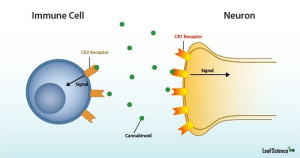
The two main receptors that are relevant to endocannabinoids are CB1 receptors and CB2 receptors. CB1 receptors are primarily found in the brain and central nervous system, while CB2 receptors are primarily found in immune cells and peripheral tissues.

Endocannabinoids, such as anandamide and 2-arachidonoylglycerol (2-AG), bind to these receptors to regulate various physiological processes, including pain, appetite, mood, and inflammation. CB1 receptor activation is associated with the psychoactive effects of cannabis, while CB2 receptor activation is associated with anti-inflammatory effects.

Research has also shown that there are other receptors that can interact with endocannabinoids, such as TRPV1 receptors and GPR55 receptors. These receptors may have additional roles in mediating the effects of endocannabinoids in the body.

Signaling Pathways

CB1 and CB2, are G protein-coupled receptors (GPCRs) that are located throughout the body. When endocannabinoids bind to these receptors, they initiate a signaling cascade that leads to various physiological effects.

When an endocannabinoid binds to a CB1 receptor, it activates a G protein that can lead to the inhibition of adenylyl cyclase, which in turn reduces the production of cyclic adenosine monophosphate (cAMP). This leads to a decrease in the activity of intracellular enzymes such as protein kinase A (PKA) and mitogen-activated protein kinases (MAPKs), which ultimately results in the inhibition of neurotransmitter release from presynaptic neurons.

In addition, CB1 receptor activation can also lead to the activation of ion channels such as inwardly rectifying potassium (K+) channels and voltage-gated calcium (Ca2+) channels. This can result in the hyperpolarization of the postsynaptic membrane and a decrease in the excitability of neurons.

On the other hand, when an endocannabinoid binds to a CB2 receptor, it can activate several signaling pathways, including the inhibition of adenylyl cyclase and the activation of PI3K/Akt and MAPK signaling cascades. CB2 receptor activation can also lead to the inhibition of intracellular calcium release and the activation of potassium channels, which can contribute to the anti-inflammatory and immunomodulatory effects of endocannabinoids.

Endocannabinoids in Neurodegenerative Disease

The paper discussed in class highlights the potential roles of cannabinoid receptors in various diseases of the central nervous system (CNS). The authors describe the potential therapeutic benefits of targeting these receptors for the treatment of neurodegenerative diseases such as Alzheimer’s, Parkinson’s, and Huntington’s disease.

The authors describe the endocannabinoid system as a key regulator of neurotransmitter release, synaptic plasticity, and immune function in the CNS. They discuss the role of CB1 receptors in regulating the release of neurotransmitters such as glutamate, GABA, and dopamine, and the potential therapeutic benefits of CB1 agonists in modulating these pathways.

The authors also describe the potential therapeutic benefits of CB2 receptor activation in the treatment of neuroinflammatory and neurodegenerative diseases, as well as pain and psychiatric disorders. They discuss the anti-inflammatory and immunomodulatory effects of CB2 receptor activation, as well as its potential role in regulating microglial activation and neurogenesis.

Metabolic Syndrome’s Relationship with the Hypothalamus

Artstract By Hailey


Metabolic syndrome is a combination of conditions that increase one’s risk for type 2 diabetes, heart disease, and stroke. It is characterized by excess fat in the abdominal areas, high blood pressure, and high blood sugar.

High Fat Diet

One of the things that can cause metabolic syndrome is inflammation via a poor diet. Specifically, a high fat diet filled with saturated fatty acids that are in food like cake, butter, chocolate, and red meat. This inflammation starts in the hypothalamus. The hypothalamus functions to control homeostasis. Some fats and oils are also linked to insulin and leptin resistance. Leptin resistance causes someone to eat more and more because it becomes harder for them to feel full. Insulin resistance leads to high blood sugar and many other physiological comorbidities. With a diet high in saturated fatty acids, the hypothalamus cannot control normal homeostatic processes like blood sugar or appetite.

This inflammation in the hypothalamus occurs through many cell signaling pathways. One pathway in particular is affected by saturated fatty acids. In figure 1, we see saturated fatty acid (SFA) triggers activation of IKK and NF-κB to produce the expression of pro-inflammatory genes in the hypothalamus like SOCS3 and cytokines. In fact, inhibiting this signaling pathway inhibits insulin and leptin resistance.2

Figure 1. Pathway of Inflammation in Hypothalamus

Hypothalamic Dysfunction

As stated earlier the hypothalamus controls the body’s homeostasis. With a high fat diet causing inflammation in the hypothalamus, there are other things that may come of it. Hypothalamic dysfunction can lead to brain tumors, infertility, and osteoporosis. Metabolic syndrome can cause hypothalamic dysfunction, so it is important for body and brain health to prevent and treat it.3

America’s Relationship with Food

The answer to this problem seems simple: eat less saturated fats. But, it is not simple. The United States has had a problem with obesity and metabolic syndrome for decades. The U.S. Department of Agriculture found that Americans eat 20% more calories in 2000 than in 1983 and consumption of added fats rose by two thirds. Additionally, fast food (which is often full of saturated fats) makes up about 11% of an average American’s diet. This may be due to the convenience of these meals. We often find ourselves spending more time at work than at home with no time to make a home cooked meal, so we rely on drive-throughs to get our meals.4

How Can We Address This?

  1. Quality over quantity
    • The focus needs to be on good nutrition. Food assistance programs in the United States has helped to address hunger overall, but not healthy nutrition. Programs need to improve access to more quality foods.
  2. Integrate healthy nutrition into health care
    • Although nutrition exists within health care, food and nutrition needs to be raised to the same level as medication. This can be done through prescriptions. Prescriptions for meals and food would help support a patient in their journey to good health.5

Making healthy food more assessable is a crucial step to address the problem of obesity and metabolic syndrome. Accessibility will help Americans prevent and treat hypothalamic dysfunction as well as obesity and metabolic syndrome overall.

  1. National Heart, Lung, and Blood Institute. (2022). What Is Metabolic Syndrome? https://www.nhlbi.nih.gov/health/metabolic-syndrome
  2. Jais, A., & Brüning, J. C. (2017). Hypothalamic inflammation in obesity and metabolic disease. The Journal of Clinical Investigation127(1), 24–32. https://doi.org/10.1172/JCI88878
  3. Mount Siani. (2023). Hypothalamic Dysfunction. https://www.mountsinai.org/health-library/diseases-conditions/hypothalamic-dysfunction#:~:text=Symptoms%20may%20include%20feeling%20cold,lack%20of%20interest%20in%20activities.
  4. Public Health. (2023). Why Are Americans Obese? https://www.publichealth.org/public-awareness/obesity/#:~:text=As%20for%20what%20is%20driving,food%20and%20too%20little%20exercise.
  5. Aubrey, A. (2022). The U.S. diet is deadly. Here are 7 ideas to get Americans eating healthie NPR News. https://www.npr.org/sections/health-shots/2022/08/31/1120004717/the-u-s-diet-is-deadly-here-are-7-ideas-to-get-americans-eating-healthier

Obesity Effects on the Brain

Artstract by Jessica Howard

Obesity can have multiple harmful effects on a person’s life. Most of us know mostly about the physical effects such as increased risk for heart disease. But there are also harmful effects to the brain, specifically the hypothalamus. The hypothalamus is the part of the brain in charge of homeostasis of the body using hormones. This includes, temperature regulation, energy expenditure, and eating habits. One important hormone that the hypothalamus uses to balance energy expenditure with calorie intake is insulin (Sateil & Olefsky, 2017).

How Energy is normally regulated

Normally, in the hypothalamus there are chemicals in the brain that control food intake and energy expenditure. The agouti-related peptide (AgRP) is inhibited by insulin while proopiomelanocortin (POMC) is activated by insulin. This causes the body to decrease its food intake while increasing its energy expenditure. AgRP expressing neurons normally activate melanocortin receptor expressing neurons (MC4R) which leads to increased food intake and decreased energy expenditure. POMC expressing neurons act as inhibitors of MC4R neurons which decreases food intake and increases energy expenditure. Insulin is an important part of keeping these two systems balanced for energy homeostasis (Sateil & Olefsky, 2017).

Salteil, A. R., & Olefsky, J. M. (2017). Hypothalamic inflammation in obesity and metabolic disease. The Journal of Clinical Investigation 127(1), 24-32. Doi:10.1172/JCI88878.

What Goes Wrong?

Obesity caused by a high fat diet activates stress signals in the hypothalamic neurons which release things called cytokines and other inflammatory responses. These responses lead to a decrease in sensitivity of the AgRP and POMC expressing neurons, this is also known as insulin resistance. This means that the neurons no longer respond as strongly to the presence of insulin. So AgRP neurons aren’t getting inhibited and POMC neurons aren’t getting activated, this means that there will be an increase in energy intake and a decrease in energy expenditure (Sateil & Olefsky, 2017).

One way which insulin is inhibited is by the activation of the MAPK pathway. This triggers the activation of JNK signaling which is a mediator of insulin receptor substrate proteins, which help transmit signals from insulin to create a cellular response (Shaw, 2011). In other words the JNK signaling inhibits insulin receptor substrate proteins by phosphorylating them, which deactivates them. This leads to insulin resistance in that cell. When this happens in AgRP neurons they are no longer inhibited and food intake increase, which then leads to more weight gain that serves to continue the insulin problem (Sateil & Olefsky, 2017).

Salteil, A. R., & Olefsky, J. M. (2017). Hypothalamic inflammation in obesity and metabolic disease. The Journal of Clinical Investigation 127(1), 24-32. Doi:10.1172/JCI88878.

What Can Be Done?

Obesity is a very serious condition that can cause great harm to all organs in the body, not just the brain. That is why it is important to seek treatment sooner rather than later. It is best to start with your doctor and get recommendations for a dietitian. A dietitian can help you create a meal plan that is balanced and healthy. It is also important to get regular exercise that with increase your heart rate, like swimming or fast walking. It can also be helpful to join a local weight loss group. This will offer you both a method of accountability and support from others facing similar challenges. It is also important to seek support from your family and friends. Tell them what you are trying to accomplish so that they can also help keep you accountable and keep you from any tempting situations. By sticking with your plan it is possible to lose weight and get better to live a longer healthier life (NHS inform, 2023).

References

NHS inform. (2023). Obesity causes and treatments. causes & treatments – Illnesses & conditions . Retrieved April 15, 2023, from https://www.nhsinform.scot/illnesses-and-conditions/nutritional/obesity#:~:text=The%20best%20way%20to%20treat,a%20local%20weight%20loss%20group

Salteil, A. R., & Olefsky, J. M. (2017). Hypothalamic inflammation in obesity and metabolic disease. The Journal of Clinical Investigation 127(1), 24-32. Doi:10.1172/JCI88878.

Shaw, L. M. (2011, June 1). The insulin receptor substrate (IRS) proteins: At the intersection of metabolism and cancer. Cell cycle (Georgetown, Tex.). Retrieved April 15, 2023, from https://www.ncbi.nlm.nih.gov/pmc/articles/PMC3142458/#:~:text=The%20IRS%20proteins%20are%20a,in%20response%20to%20insulin%20stimulation.


Spam prevention powered by Akismet