Music Therapy: Releasing Babies Early From the NICU

Most people listen to music often. There are many types of music, for example it can be songs or noises, such as breathing. Most people know that music can provide feelings of intense pleasure or euphoria and reveal memories. Yet, it isn’t addictive like drugs. Nevertheless, music may be involved in the brain’s natural reward system. Research has been done to try to reveal what is going on in the brain when one listens and/or conducts music. Results have shown promising evidence that music can be beneficial to people, including premature babies.

In The Brain

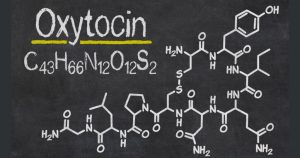
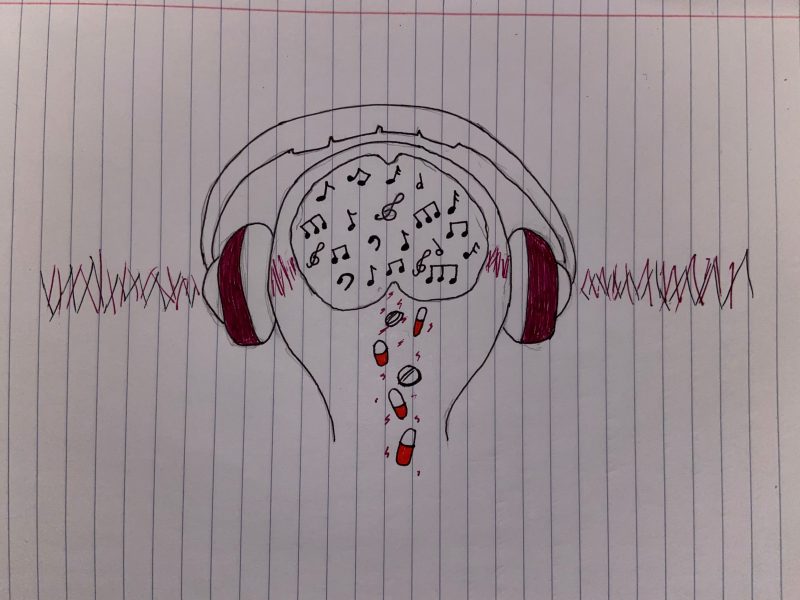
First, it is important to understand what is going on in the brain. When listening to music the brain releases dopamine in places such as the VTA and NAc just like addictive drugs do. This dopamine being released can relieve stress and anxiety, as well as reduce pain. Music also improves social interactions. It provides a setting for people to get together and interact with one another, whether they are making or listening to the music. Not only does it improve one’s social life, but music reduces stress and anxiety by releasing oxytocin and vasopressin (neurochemicals that maintain positive feelings and reduce stress levels) creating an enhanced mood. Contentedness and enhanced mood creates a form of homeostasis, which is related to a decrease in inflammation, improved immune function, and overall leads to a healthier life.

Music leads to a healthier life because it decreases inflammation, stress and anxiety, and improves immune function. But it also modulates brainstem-mediated measures including: heart-rate, pulse, blood pressure, body temperature, skin conductance, and muscle tension. The effects are largely controlled by tempo and frequency. Lastly, music alone can also be used as a great distraction from physical and emotional feelings, as well as create an outlet for people to release their emotions.

Artstract created by H.Pfau

Music Therapy in the NICU

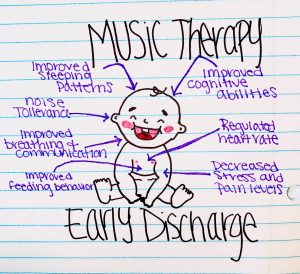
There are two types of music therapy used with premature babies in the neonatal intensive care unit (NICU): Recorded Music and Live Music. This music includes breathing sounds, heartbeat sounds, and lullaby’s. Research has shown music therapy has many benefits for premature babies including improved: sensory skills, communication skills, cognitive abilities, and overall health.

Sensory skills improve because, parents are holding their baby while listening to music/singing which provides time for skin-to-skin contact. During this process, the baby is building stimulation tolerance to noise. This is important because it allows for de-stress by blocking out noise and alarms from NUCI equipment. Second, communication skills form when parents are able to bond with their baby though holding them and soothing them while the music is playing. When music intervention includes parents, it helps build a physical attachment between the baby and parent, resulting in positive involvement.

Next, music therapy has been shown to improve cognitive abilities for babies later in life by increasing their attention span and allowing for self-regulation of emotions and behaviors. Lastly, premature babies overall health has been shown to improve due to music therapy because music therapy may improve feeding behavior, normalize heart-rate, normalize breathing and sleeping patterns, as well as decrease stress and pain levels.

Overall, more research needs to be done, because there is little research that has been conducted on music and the brain. Although, the little research we do have shows many benefits to music therapy. Music therapy should be conducted by a trained professional to prevent the baby from becoming overstimulated. If done correctly, due to all the benefits, babies are often able to be discharged from the hospital earlier than babies who did not receive the music therapy.

Mom, I think I PEAK’ed in College & Six Other Reasons To Take Neurochemistry 475

After spending the past fifteen weeks reading and discussing articles, creating a community outreach project, learning more about the brain, and deepening relationships with my friends, I find that I’m really sad for it to be over. So, if you’re a Concordia Student on the fence about taking this course, here are my top seven reasons why you should take this class.

  1. Read & discuss cutting-edge academic articles. For students pursuing a career in science, the ability to read and understand scientific papers is critical. In Neurochemistry, you hone this ability every week by reading a recent, comprehensive review paper on a given subject. Through this, my ability to read, understand, and critique scientific papers grew so much. As a future researcher, this skill will be one I’ll use constantly throughout my career.
  2. Course organization. Another key piece of what makes Neurochemistry unique is how the course is designed. Each unit is one week in length, with Monday holding a discussion of that week’s article where you have the chance to ask questions and seek clarification, Wednesday for ‘speed dating’ where you have 2 minutes to explain a topic people had questions about on Monday to the class, and Friday where you have a student-led discussion of topics relating to the paper. This layout removed the pressure of feeling like you had to completely understand the article for class on Monday and helped me deeply engage with the topic at hand.
  3. No lab. While I love being in a lab and doing experiments, I found that I really enjoyed not having an accompanying lab for this class. This feature of the course allowed me to focus on understanding a broad range of topics and dive deeply into each topic each week. Additionally, since labs are often 4-8 hours per week, not having an accompanying lab time made ironing out my schedule for this semester much easier.
  4. Deepen relationships with your cohort. People are so important. I cannot express how thankful I am for the people in my neuroscience cohort. Due to the discussion-based nature of the class, I got to know students in my major that I wasn’t close with before. Not only are the students in this class some of the most highly motivated individuals I’ve had the privilege to know. They’re also some of the kindest people as well. I’m excited to carry these professional and personal relationships into my future career.
  5. Learn from the experiences of others. Since neuroscience is an intensely interdisciplinary major, students often also double major or minor in other disciplines like biology, chemistry, psychology, religion, and environmental studies. Due to my heavy biology & chemistry coursework, I hadn’t had the chance to develop strong relationships with students with more experience in psychology, environmental studies, and social work, until now. Their contributions helped broaden my perspectives and added important context to our class discussions.
  6. PEAK-ing during Neurochemistry. While I think it likely that no adult would like to think of themselves as ‘peaking’ during college, yet I proudly did. At Concordia, PEAKs, or Pivotal Experiences in Applied Knowledge, are an opportunity to take the knowledge gained in the classroom and apply it to the broader world around us. In Neurochemistry, PEAK students are partnered with students in the Social Work department to create a community action project applying neurochemistry to benefit the community around us. My PEAK group examined the literature surrounding adverse childhood events, trauma-informed educational practices, and the neurobiology of PTSD and decided to create a video for education majors on understanding and identifying PTSD in children. Due to COVID, we recorded the video using Zoom and sent the video to the education club on campus, creating a resource that can be accessed by future students on demand.
  7. Finally, this class is really, really fun. Most of the time, it didn’t even feel like a class, but more of a journal club or book club with my friends. After all, what could be more fun than talking and learning about science with your friends?

Conclusion

So, are you convinced that you should take Neurochemistry? Well, even if you weren’t convinced by this brief blog, it’s a required course for the Neuroscience major and an elective for the Chemistry major so it’s likely that taking it might even be required for you. Additionally, it’s a great way to get one of your two required PEAK requirements for graduation! If that’s the case, hopefully, this blog piques your interest.

How Music Changes Your Brain

The brief second of stillness immediately before the first downbeat is my favorite part of an orchestra concert, both as a cellist and as an audience member. So much goes into creating this single moment, even discounting the months of preparation of the orchestra and years of training of each member. The anticipation that hangs in the hall thick enough to cut, every musician breathing together, the eyes of every player on the conductor, the feeling of resistance as my bow grips the strings of my cello, and the silence of the audience’s anticipation for great music create a beautiful, liminal transitory tension that is, quite frankly, nothing short of addicting, even if it only lasts for a moment. I’ve played cello for the past ten years and I have yet to tire of that feeling. Yet, as interesting as that moment is, what goes on in the brain once the music starts is even more complex.

What listening to music does to the brain

Music is really cool. I freely admit that, as a music lover and musician, I’m biased and unable to objectively assess my own claim, but I think that my assertion is true and that I can convince you of that.

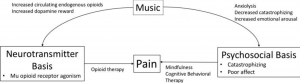
Did you know that music can reduce pain by activating the dopaminergic reward pathway (figure 1)? In fact, this reward pathway involves endogenous opiate signaling, which helps explain the pleasurable feeling you get from listening to your favorite Taylor Swift album on repeat and helps explain why we return to our musical favorites. While I doubt that this can fully explain why I’ve listened to the same Dear Evan Hansen song 59 times this year or why I spent over 27 hours listening to Vance Joy in 2019, I do think it’s clear that dopaminergic reward pathway signaling plays a role in bringing us back to our favorites.

Figure 1. Graphic showing that music causes increased dopamine release in the brain, leading to decreased pain sensation. (Strickland, Artstract #3).

Did you also know that music can help reduce stress and even help reduce the amount of anesthetic needed in surgery? This is probably the most interesting effect of listening to music that I’ve learned about to date. This impact is mediated by reducing stress hormones released along the hypothalamic-pituitary-adrenal (HPA) axis. Research shows that listening to relaxing music helped lower cortisol levels more rapidly after exposure to stress and prevented stress-induced increases in blood pressure and heart rate.

Importantly, the experiences of listening to music and performing music are incredibly different in terms of their impacts on the brain. While listening to music has the effects discussed earlier, making that music is even more involved. As Barrett, Ashley, Strait & Kraus describe in their 2013 article Art and Science: How Musical Training Shapes the Brain, “To be a musician is to be a consummate multi-tasker. Music performance requires facility in sensory and cognitive domains, combining skills in auditory perception, kinesthetic control, visual perception, pattern recognition, and memory.”

So that begs the question: How does musical training change your brain?

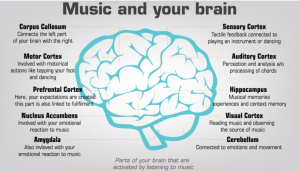
Our brains are highly plastic. Not literally. What I mean by that is that our brains constantly change in response to our environment and choices and musical training, similar to how exercise builds muscle mass and endurance, creates a few very interesting functional and anatomical changes. Specifically, instrumental musicians have more gray matter in the somatosensory, premotor, superior parietal, and inferior temporal areas of the cortex that correlate with their level of skill. Additionally, musicians show increased corpus callosum volume. The corpus callosum functions as the bridge between the left and right hemispheres of the brain. This suggests that musicians may have increased connectivity between the left and right hemispheres. Interestingly these anatomical differences facilitate more advantages than mere musicality. Research has also demonstrated that musicians’ more efficient audio-motor learning ability enables them to more accurately pronounce foreign languages and improves their spatial tactile acuity.

So, what does this all mean?

First, taken together, these data indicate that music is incredibly powerful.

Second, because music can be learned and taught, it’s clear that the benefits of being a musician can be realized by all if people are given the opportunity to learn. This, of course, opens the much broader discussion of equity and access to music – especially at early ages in public education. I simply would not be the musician and human I am today without my music instructors.

Can Music Reduce Your Stress and Pain Perception?

artstract by C.Eisenschenk

Music seems to be everywhere these days and serves a variety of purposes from person to person. Some use music to quell their nerves, others use it for focus measures, some may use it for working out, etc. Music provides a variety of purposes, including simple enjoyment. So, what is music actually doing in the brain at these times? Could music serve even more purpose and be used in medical rehabilitation settings? To answer these questions, we first have to dive into the neurochemistry behind the brain. Two of the biggest theories surrounding on how music works neurochemically is the reward, motivation, and pleasure pathway and the stress and arousal response system.

Inside the Brain

The Reward Pathway

When we listen to music, it is referred to as the consummatory phase. During this time, music serves as a reward stimulus and activates the reward pathway, releasing dopamine and endogenous opioids.

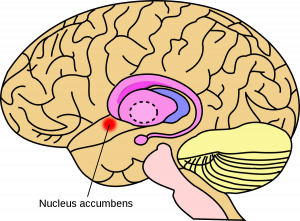
As seen in the figure below, dopamine release in the ventral tegmentum area (VTA) function to regulate motivation and goal-directed behaviors when music is serving as a reward stimulus and is mediated by the mesocorticolimbic system. Endogenous opioids are also released with dopamine in the nucleus accumbens (NAc)of the brain and are what provide the feeling of pleasure in the reward system. Using music as a form of reward allows for those short-term behavioral changes of inhibiting stress and/or anxiety and increasing pleasure and motivation.

https://www.dreamstime.com/stock-illustration-dopamine-serotonin-pathways-brain-cross-section-showing-affection-mood-memory-sleep-pleasure-reward-image61090431

Stress & Arousal Response

We know that music can serve as a calming technique to decrease stress levels, and the reward pathway is involved in that by providing pleasure. What happens in a stress response? During a stress response, the neuroendocrine, autonomic, metabolic, and immune system are all affected. The HPA Axis is activated during high stress, releasing high levels of cortisol, which is the primary stress hormone. It’s been found that while listening to music, specifically slow tempo, low pitch, and no lyric music, HPA activation is actually reduced at cortisol markers, resulting in lower stress levels. This helps protect the body against the neurotoxicity that long-term stress and anxiety produce. Taking this into account that music helps reduce stress and anxiety by increasing dopamine and endogenous opioid release and decreasing cortisol production, could music possibly be used in high pain medical situations like physical rehabilitation for chronic pain and/or post-surgery?

Music Therapy with Physical Therapy

Music therapy being incorporated during physical therapy sessions is a rather common occurrence in many chronic pain cases and cases involving gait issues. Studies have found that using music in these cases increases the patient’s motivation during the session but also helps to reduce their pain perception and muscle tension, most likely due to music’s effect on stress response and dopamine release. Music is able to provide a distraction element along with these neurochemical aspects to subjectively reduce pain because the patient’s cognitive attention is elsewhere with the music. This component of the consummatory phase of music makes it a great option to help patients experience less pain, anxiety, and muscle tension. The rhythm and tempo patterns in music seem to benefit gait therapy especially, helping the body fall into walking/marching with the beat. Using music in these more severe physical therapy cases seems to be extremely beneficial and are promising when even looking at acute pain. Incorporating background music or music therapy in most physical therapy sessions could serve as a great distraction for patients and give them an overall more enjoyable, motivated, and less painful therapy session.

References:

https://www.ncbi.nlm.nih.gov/pmc/articles/PMC3920463/

https://www.tandfonline.com/doi/full/10.1080/08098131.2010.485785?scroll=top&needAccess=true

https://pubmed.ncbi.nlm.nih.gov/20498613/


How Music is Raising the “Bar” in Brain Functioning

What’s your favorite song? Can you picture a specific time or place that makes that song so special? Music has been incorporated into the lives of humans for hundreds of years. We know how it can make us feel, whether it’s screaming in your ears as you push up on the bench press for your new personal record at the gym or as it’s gently swaying back and forth in the background as you are studying for an upcoming exam, music seems to be used in everyday life, and for good reason! Recent studies are beginning to specifically explore just why our brain likes music so much, so that is what we will find out below along with a brief analysis of if playing an instrument or listening to music seems to be more beneficial to your brain!

The Neurochemistry of Music

If someone has ever told you “music is medicine”, they might not be completely wrong! In recent years, there has continued to be additional amounts of information regarding the positive impacts that music has through neurochemical changes in the brain. One way music affects us is through reward, motivation and pleasure. Certain songs and/or noises can instantly evoke powerful emotions ranging from happiness to sadness to even a state of reminiscence. This has been stated as one of the main reasons as to why people even listen to music. Inside the brain, it has been shown that during this process, there is a dump off of dopamine at places such as the VTA and NAc that provide us with that pleasurable feeling that medication such as opioids do. This in part is why music has been shown to be capable of triggering short-term behavioral changes while also temporarily inhibiting feelings such as stress and/or anxiety. In fact, music that is non-lyrical with a low pitch and/or slow tempo (types that I personal enjoy listening to while studying) have been shown to be most effective at reducing stress and anxiety!

A few other areas that music has been shown in improve are immunity and social interactions. Having the ability to partake in creating music or simply just listening have both shown to decrease inflammation within the body as well as boosting the immune system overall! Social health has also seen an increase in those who listen to or create music together. Neurochemicals such as oxytocin and vasopressin are presented in the body which seems to establish and maintain positive feelings and reduce stress– so keep up with those weekly group-garage band sessions with your friends! There is still currently ongoing research in each of these areas, as we still cannot be certain that it is solely music alone causing these impacts on our emotions and body, so hold off on telling your mom that you only have to listen to music in order to feel better the next time you catch the flu!

Playing versus Listening

Okay, so whether you skipped down to this section of the post immediately after reading the final line of the introduction or have read the blog to its entirety up to this point, it is now time to see what benefits our brain the most: playing an instrument or listening to music. So, what do you think? Ultimately: playing an instrument has generally shown to be more beneficial to your brain than listening to music. Of course, there will be a select number of individuals who have more benefits through listening, but this is what covers the majority of individuals. There are two factors that this largely comes down to. The first being that playing an instrument is normally far more of an active process than is listening to music. Your fingers and hands are usually both doing different things at the same time while your eyes dart across the sheet music. Most of the time when music is on, the only “active” thing we do is sing along and that can be thought of as more of a pleasurable aspect versus “testing” your brain to see how accurate you can be on wording and pitch. Researchers have been quoted as saying how this process “engages every major part of your central nervous system”. It has also been shown to relieve stress and bring people together even more than just listening to music does. A short video description of the two can be found here!

The second factor is how playing an instrument can be thought of as engaging all parts of your brain versus listening to music only engaging specific areas. I like to think of this in reference as to going to the gym. Listening to music can be thought of as just working a specific area of your body, let’s say your arms, while playing an instrument compares to doing a full-body workout! This in turn demonstrates an increase in the fine motor skills, specific to playing an instrument, that results in both hemispheres of your brain working on a task simultaneously. This has your corpus callosum constantly bringing signals back and forth between the two hemispheres to communicate with one another and in turn both strengthens and increases the speed at which this is done. This ultimately results in an individual being more effective and efficient at other tasks that require both hemispheres of the brain to be working simultaneously!

The Coda

Over the last few years, much has been discovered with regards to just how beneficial music is to our brains, not only emotional or behavioral, but also through our interactions and abilities to perform other tasks. There are still many questions left to be answered, however, so future research is still necessary to explore specifically how music is impacting our body so much and if it will one day be able to compete with modern medicine through uses more than we have ever initially intended or imagined.

The Final Chapter of Neurochemistry

Neurochemistry has been a class I have feared since being a first-semester freshman. I struggled in Gen. Chemistry and Organic Chemistry. I started to find a liking for the subject when in Biochemistry, but I was still hesitant about this course.

Walk into first day of class and am greeted by faces I have grown with over the past three years and have considered to be my friends since Intro to Neuro freshman year. I am normally an uncomfortable person in regard to conversation-based courses, however, having a group that you already know really helps. This allowed me to communicate with peers openly and comfortably about heavy neuroscience topics. Also, this group allowed for a safe space during discussion days where individuals felt comfortable to share more personal stories that related to the topics at hand.

For the first six classes, we reviewed basic signaling molecules and pathways to refresh our brains and set us up for the rest of the weekly topics. For the first class, we examined excitatory signaling that is capable of stimulating an activity and/or response by a neuron. The primary excitatory neurotransmitter being glutamate with the primary receptors being NMDA, AMPA and Kainite. Then we discussed inhibitory and retrograde signaling with GABA being the primary inhibitory neurotransmitter. These receptors include ionotropic GABA-alpha and metabotropic GABA-beta. Glutamate and GABA work together to modulate immune and endocrine system responses.

Following the basic signaling molecules, we began looking into G-protein signaling and G-protein coupled receptors (GPCRs). Gi and Gs receptors help to regulate adenyl cyclase activity, whereas Gq helps to regulate movement of Ca2+ ions and PKC. These receptors are characterized by a seven-transmembrane alpha-helical fold. Following GPCRs we talked about RTK pathways. These pathways include insulin pathways and use tyrosine kinase activity. Then, with cytokine pathways we discussed the Jak/Stat pathway. These pathways can include autocrine, or activation of cell itself, paracrine, or signal activates nearby cell, and endocrine, or activation by signal in circulation that activates a cell further down. Lastly, we talked about wnt-b catenin signaling. This pathway regulates cell fate and stem cell differentiation during embryonic development.

The first six topics helped to solidify information that has been drilled into our brains for many classes. Coming from a semester that felt as though I retained nothing, it really helped to have a refresher and get me back on track with basic signaling. I tend to gravitate towards the psychological and neurobiological aspects of my major, but this class help to confront the parts of neuroscience that I have avoided for some time.

The first topic we discussed included making memories of stressful events. In this we discussed how stress effects memory retention. In particular, I looked into adjustment disorder, acute stress disorder, and PTSD. Adjustment disorders causes distress out of proportion to the event with behavioral and emotional within three months of the event. Acute stress disorder is any maladaptive response to a traumatic event with symptoms lasting three days to one month. Symptoms can include dissociative behaviors, steep disturbances, and severe anxiety. If symptoms persist past one month, the diagnosis changes to PTSD. This topic allowed me to connect information I had learned about symptoms in abnormal psychology to the neurochemistry in stressful events.

The next topic talked about was mental illness, specifically the role of wnt and GSK3 signaling in schizophrenia. Since schizophrenia is believed to be due to a lack of b-catenin transcription, overactive GSK3-beta, and an increase in dopamine, hallucinations are believed to be one of the most apparent symptoms of the disorder. Hallucinogens that bind to 5-HT2A receptors. Antipsychotics bind to specific serotonin receptors in the VTA and ventral striatum, this may be the area for psychosis. Since hallucinogens are able to evoke hallucinations that are easily to distinguish as fake, but hallucinations from psychosis evoke stimuli that appear real.

We talked about addiction and the cellular basis for it during for the third topic. For this week, I took time to look at the dual diagnosis between mental illness and substance use disorders. ¼ to ½ of all substance abusers also meet the criteria of a mental illness or have a diagnosis of a mental illness. The most common comorbidities including ADHD, depression, bipolar disorder, and schizophrenia.

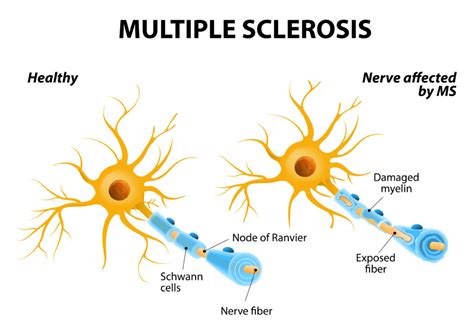
For the fourth week, we talked about the metabolic cascade that follows a concussion. Though bilingualism is meant to be beneficial if taught during the “critical period” of neurodevelopment during childhood. During the critical period, children are able to gain a logical and emotional connection to the language being taught, whereas adults learn mostly from a logical standpoint. With higher executive functioning seen in bilinguals, following a mTBI the individual may suffer from a disproportionate return of language. Also, children have less myelin protecting axons, children are more likely to suffer axonal injury and executive function deficits. Even after learning about all of this, I managed to sustain a concussion myself and was able to use the SCAT-5 to go about making sure I do not impair my brain farther than I already had.

The fifth week we discussed the connection between Alzheimer’s and diabetes. Also, this topic was returned during the seventh week when discussing hypothalamic inflammation and obesity. Hypothalamic inflammation can result from poor diet and health. This continuation of inflammation in the brain can lead to innumerable complications, one potential complication is the increased risk for Alzheimer’s. Though Alzheimer’s can be hereditary, through the APOE-4 gene, if diet is not maintained, if the brain is not protected from injury, you are going to be at an increased risk no matter your family history.

During the sixth week, we discussed autism spectrum disorders. Now I am passionate about this topic and was very excited about this week. I discussed the benefit of sensory rooms in schools, but also the potential downfall of excluding children from mainstream rooms. I will say I was disappointed in some of my peers from their lack of awareness on some aspects of ASD and laws that protect vulnerable adults. It helped me to stand up later on in another one of my classes for something that was said that didn’t directly affect me, but I imagined it being said to one of my kiddos from work and was heartbroken.

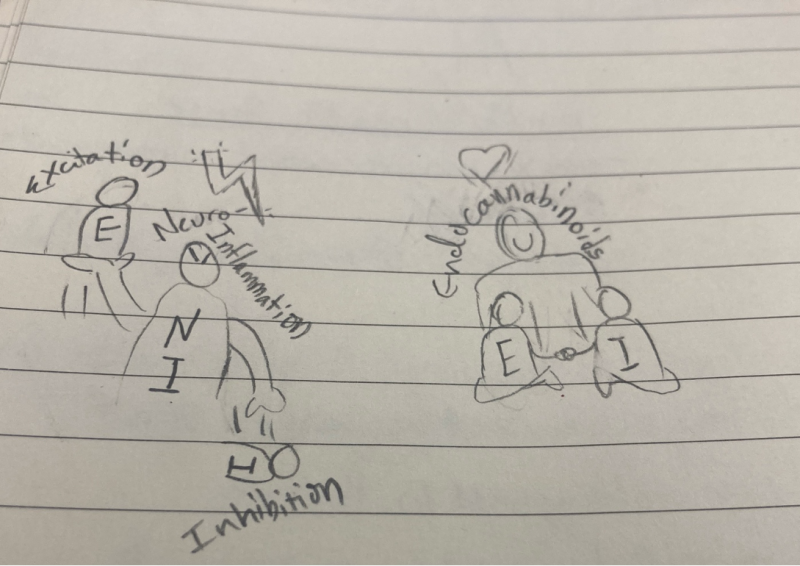
During the eighth week, we discussed how the endocannabinoid receptors work on the CNS. This week I looked at if targeting the endocannabinoid system could help reduce the aggregates seen in Huntington’s Disease. ERK has to be phosphorylated to see any positive effect, but activation of CB1 receptors did allow for cell to be rescued from cell death. However, this also increased the total number of aggregates being produced.

Lastly, we discussed how music affects our brains neurochemically. For this week, I chose to look at if the genres we dislike changes how the neurochemistry plays out. It turns out that even if we hate a genre, our brain will still release dopamine and trigger the amygdala to evoke emotion.

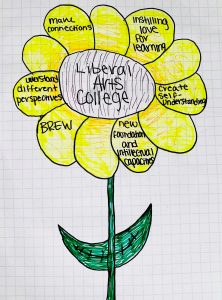
Mainly, in all of these topics I was able to make a connection to psychology courses. By examining neurochemical changes in the brain, it helps make sense of why certain symptoms are present, thus allowing to make sense for different therapeutics that are being used to treat a variety of disorders. This class helped me to become more confident in my abilities to communicate with peers about topics and inform them on other topics. This skill will be heavily transferable as I progress beyond Concordia.  Discussion days really helped to make us feel as professionals and not just students. Also, even if we were all in a neurochemistry course together, we all come from different majors, have different life experiences, and interpret information differently. This is one of the cool things about a liberal arts education. We get to dive into and inspect a topic from a variety of disciplines and potentially gather a deeper understanding than a neuroscience-only education.

Photo Sourced From: https://www.brandeis.edu/psychology/neurochemistry-cognition/

Your brain may like a music genre even if you don’t

How many times have you heard someone complain when a country song comes on the radio, but will end up tapping their foot or humming along at some point during the song? Whether you are listening to your most played Spotify song of the year or passing by some street band at a subway station, your brain is responding in incredible ways.

The reason we like a certain genre derives from the personality characteristics and social groups we associate with the genre. For example, we may associate “heavy metal” with burly motorcycle guys covered with tattoos or we may see that same group when thinking about “country” music. It all comes down to our psychological perceptions. We choose to express certain characteristics of ourselves through the music we listen to. Even if you don’t actively listen to classical or show-tunes, if you perform it, it becomes part of who you are. Music may also bind us to a certain culture that makes up our identity. Lastly, music is very strongly linked to memories and may cause an emotional response or a sense of nostalgia.

Music can have a significant benefit to our brains, no matter the genre. Overall music carries the ability to trigger short-term feelings of anxiety and stress. Music helps to reduce the HPA axis activation for cortisol and beta-endorphin. Beyond that, simple music properties can affect neurotransmission associated with cardiovascular health, respiratory control, motor functioning, and potentially cognitive functioning. Some studies have even begun to show that music provided to healthy post-surgery patients helped decrease the need for pain medications.

However, these are heavily individualistic results, but what happens when we listen or perform music as a group? Calming music and performing music has been observed to increase oxytocin levels and immunoglobin A levels in males and females. One form of music performance, group drumming, has shown to increase the 5-DHA-to-cortisol ratio which has shown to enhance immune functioning and cell response buffering. This form of performance also showed to increase total number of lymphocytes, counteract age-related immune functioning declines, and increase NK cell activity.

Now after seeing music’s overall effect on the brain, how do different genres affect us? Pop, rap, country, and reggae are all genres that typically have repetitive beats and catchy tunes. This is meant to get our dopamine pumping and get us up singing and dancing. This can help explain why even if you outwardly hate a song, you are still tapping your foot to the beat. Certain slow-paced songs, typically 60-100 beats/min, can activate the amygdala to evoke emotion in response to the song. Though this emotion is not the same as the memory-associated emotion produced.

Metal is considered to be a relatively aggressive genre. Though these tempo and lyrics are aggressive in nature, they are actually known to make listeners calmer and comb out stressful and depressive thoughts. Though this may be not due to any neurochemical effect from dopamine, but rather an end result of getting your blood-pumping. Getting your blood-pumping, whether it be from exercise or metal music, can help drown out thoughts and provide a safe outlet for emotion.

Classical music has been heavily regarded in mainstream media as the perfect study music. This is relatively true. Classical music tends to lack repetition that helps to keep you attentive while still getting the dopamine rush to induce pleasure and calmness. The complexity and variety of notes used in classical pieces may also activate more areas of the brain than other genres, which may in turn help with focus in studying.

Lastly, jazz is a different type of genre. This genre is heavily improvised and provides a “call-and-response”. This allows musicians to communicate with one another through their beats. This “conversation” allows activation of the language syntax part of the brain. For the listener, the “talking” of jazz music allows for hyperactive neural stimulation which permits the listener to interpret the beats in their own way.

In conclusion, music interpretation is heavily individualistic and how one interprets a genre is going to be different from the next person. So if you listen to classical music while studying and your friend listens to low-fi rap, may I suggest headphones so you may both succeed.


A world of Music


Music, a universally understood and appreciated artistic form of expression. We use it to amplify or suppress emotions, share in creativity, empathize with others, and even to wreak havoc. Music is so important we find our own identity in many of the countless forms and genres. Music has the power to ignite rebellions, spark innovation, establish peace, and inspire love. So, let’s take a look at current research in an attempt to understand the neurochemistry of music and how music is so influential.

Reward, Motivation, Pleasure

Music is associated with countless emotions but is most commonly associated with sensations of joy, accomplishment, and determination. Because of this, initially, we will focus on music’s implications on the reward pathway. Music can trigger short-term behavioral changes and temporarily inhibit feelings such as stress and/or anxiety. While listening, music serves as a reward stimulus which ultimately amplifies the reward pathway triggering dopaminergic transmissions and the release of endogenous opioids (naturally produced within the organism). Dopamine in this case serves as a regulator of motivation and goal-directed behaviors in the reward system. The feelings that are associated with musical reward are mediated by a region of the brain called the mesocorticolimbic system. The actions of motivation, learning, and goal-directed behavior are mediated by the dopaminergic neurons in the specific brain region called the ventral tegmentum (VTA), which projects to another region called the Nucleus accumbens (NAc) and the prefrontal cortex (PFC). The endogenous opioids released during musical reward in the NAc are what provide the reward feeling of pleasure. The involved neurochemicals interact with receptors at different sites of action, so dopamine and opioid release can each affect various actions/behaviors.

Stress and Immune function

Many environmental triggers can stimulate stress responses in the body and when these responses are activated, they prompt short-term adaptive behaviors, physiological changes, and inhibit non-essential functions (sympathetic nervous system). It has been found that slow tempo, low pitch, non-lyrical music can reduce stress and anxiety in healthy subjects ultimately protecting against the neurotoxic effects of long-term stress. Listening to music or participating in music-making has been shown to decrease inflammation and have positive effects on the immune system. However, it remains uncertain if these effects are due to the mood-regulating function of music, the camaraderie of making music in a group atmosphere, or some other factor. What data has shown is that group music increased Natural killer cell (NK) activity, increased 5-DHA-to-cortisol ratio (reduces level of stress), enhanced immune functioning, decreased stress-induced cytokines (important factors in inflammation), counteracted age-related decline in immune function, and significantly increased the total number of lymphocytes (defensive cells of the immune system). Passively listening to music and group singing had similar effects.

Social Affiliations

Music has also been found to influence the neurochemicals oxytocin and vasopressin. Oxytocin is a vital neuropeptide involved in the establishment and maintenance of social health but can have contradicting effects. Oxytocin can facilitate increased social health and development of connections, but its levels also increase during periods of separation and social isolation. This facet demonstrates oxytocin’s additional role as a distress signal in social or nonsocial situations indicating that context matters. Vasopressin is a molecule that closely regulates social behavior (affiliative, social, & romantic behaviors) and whose gene regulates oxytocin activity. Endogenous opioids (b-endorphin) may also play a role in pain signaling in response to social isolation. Low levels of endogenous opioids or opioid antagonists promote separation distress behaviors and lead animals to seek out contact, while increased opioid levels reduce these behaviors. Music could potentially increase opioid production, leading to a sense of comfort. Through the increased actions of neurochemicals like oxytocin, vasopressin, and endogenous opioids stimulated by music, there is a potential link between music and the establishment and maintenance of social bonds in a variety of social and nonsocial contexts.

Conclusion

We understand music to have a significant impact on our lives, visible through our emotions, behaviors, and interactions. However, there remains much to learn about the exact mechanisms by which music influences our neurochemistry as many of the current studies exhibit significant limitations, therefore, continued future study is necessary to fully elucidate the profound influences of the phenomenon we call music.

Treating anxiety through the endocannabinoid system

The Endocannabinoid System

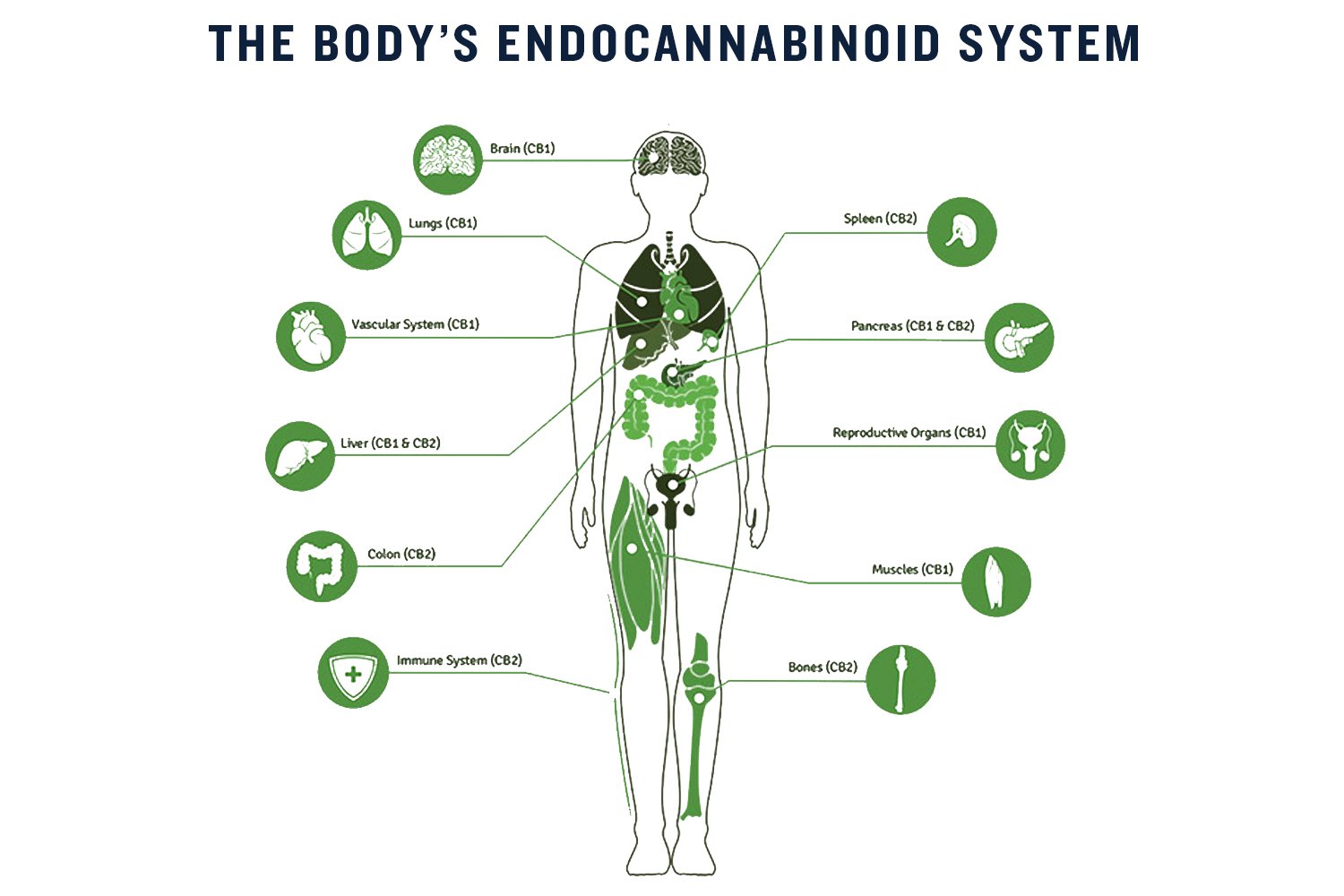
When a person speaks of cannabinoids, most people’s minds will automatically think of weed or CBD oil, but it is extremely important for people to understand that our bodies naturally create cannabinoids. More specifically, the body uses these

Physiological roles of the eCS.

endogenous cannabinoids in the endocannabinoid system (eCS). The eCS play important roles in regulating other systems and responses such immune responses, communication between cells, appetite, metabolism, memory, and even more. Since the eCS regulates so many physiological aspects, problems can arise when when the system gets disrupted, and one physiological dysfunction that dysregulates the eCS affecting millions of people around the world is that of stress and anxiety.

Treating anxiety now

Short-term anxiety or stress may help a person respond to danger or get a task done right before the due date, but long term stress and anxiety can have negative effects on a persons health including gastrointestinal issues, heart issues, headaches, migraines, sleeping problems, or depression. To treat anxiety caused symptoms, doctors prescribe medications such as selective serotonin reuptake inhibitors (antidepressants), benzodiazepines, or beta-blockers. Although these medications may help suppress anxiety and its effects, they all cause various side effects including drowsiness, memory problems, insomnia, stomach problems or pains, and quite a few others. Considering the high amount of negative side effects given by anti anxiety medications, it is becoming increasingly more popular for scientists and pharmaceutical companies to look into other possible anti anxiety treatments. An new, exciting approach involves medications that regulate the endocannabinoid system to treat anxiety.

Relating anxiety and the eCS

When functioning properly, the endocannabinoid system helps to regulate the release of glutamate (the main excitatory neurotransmitter in the

Normal function of the eCS.

brain) and GABA (the main inhibitory neurotransmitter in the brain). It inhibits the release of the neurotransmitters making it so they are not being released at too high of rates. It does this using the postsynaptic production of the endocannabinoids AEA and 2-AG. The endocannabinoids are released back into the synaptic cleft and the CB1 receptor reuptakes them which inhibits the release of glutamate and GABA. But, when the body is responding to stress and anxiety, there is an over production of FAAH and PTP1B which are enzymes that can breakdown endocannabinoids. In this scenario, the endocannabinoids are not being released to the synaptic cleft

Diagram showing the abnormal function of the eCS in response to stress and anxiety.

and therefore not activating the CB1 receptor. This allows for uncontrolled release of glutamate or GABA which can increase symptoms related to stress and anxiety. Since the eCS and anxiety are so closely related, introducing pharmaceutical forms of cannabinoids could be a potential treatment for anxiety.

Possible applications

Recently, there has been clinical trials that have shown promising treatments for anxiety using pharmaceuticals that affect the eCS. In the trials that have introduced drugs that have inhibited the breakdown of AEA by FAAH. There has also been promising research with using CB1 receptor agonists in helping with anxiety symptoms. Most likely, these medications could potentially be used in conjunction with currents anti anxiety medications or used as a starting treatment to treat acute anxiety disorders. Although the application of these medications affecting the eCS may be years away from being prescribed to patients, this is a promising and exciting science that may help to rid people with anxiety of the common symptoms caused by current anti anxiety medications.


A Safer Replacement for Delta-9 THC

Legalizing marijuana has been a pressing debate throughout the past decade. Our generation has been able to be front and center on this hot topic. Slowly, we are witnessing states legalize it both medically and recreationally. The legalization allows for many benefits along with consequences. In a recent class discussion, we were able to discuss the endocannabinoid system (ECS) and the possibility of using marijuana-based products to activate this system. Activation of ECS is useful because the system “plays key modulatory roles during synaptic plasticity and homeostatic processes in the brain.”


Within the ECS, there are cannabinoid receptors. The two receptors discussed in our research article were the CB1 and CB2 receptors. Throughout the rest of the blog, I will be mainly focusing on relationships dealing with the CB1 receptor. The CB1 receptor is found in the central nervous system and provides as a binding site to a marijuana most active ingredient which is delta-9 tetrahydrocannabinol (delta-9 THC). The binding of Delta-9 THC to the CB1 receptor allows for activation of the ECS. This allows in feelings that have been described as relaxing and pain reducing. Due to these effects, therapeutic conversations have been aroused. One use of therapy that has been discussed is using marijuana derivatives as a pain killer. The thought is to be used similarly to opioids. However, just like opioids, marijuana can have negative impacts as well. Addiction can still be present but said to be at a lesser extent in marijuana than opioids. Recreational use is used in many of the same reasons that opioids are used for which is a large part of the hold up on legalization. Delta-9 THC also provides users with paranoia and euphoria. This gives them anxious feelings along with sickness and not being able to function. Research continues to create products that will not being on these consequential feelings yet provide the consumer with beneficial effects.


Barstool Sports is a multi-media sports company and provides a podcast. On their podcast they heavily advertise for a different derivative of cannabis. They advertise 3-chi which is a delta-8 THC company. After discussing delta-9 THC in class I wanted to do more research on delta-8 THC and see what the differences are. On their website, 3-chi has a biochemist explain why the use of delta-8 THC is much more beneficial than delta-9 THC. Although this podcast and company advertises on the recreational side of things, relating this to potential medical use is relevant.


Delta-8 THC is also an ingredient in a cannabis plant but comes off as the least abundant. Through chemical reactions, scientist can make delta-8 THC out of delta-9 THC. The reaction process is what turns some researchers away due to safety concerns. When researchers get past the point of the chemical process of the THC derivative, they noticed that delta-8 does not bind as well to the CB1 receptor as the delta-9 receptor. The slight difference in the double bond as you can see below is the reason the binding is not as strong. The lower binding ability is what makes delta-8 THC a more effective product. When the CB1 does not get the perfect binding, activation is not as strong within the ECS. This has proven to provide similar benefits to delta-9 THC such as relaxation and pain reducer but does not give off the negative effects. Delta-8 users report that they do not need to use as much, and they don’t get the paranoia or the euphoria.


Whether or not recreational use of marijuana becomes legal, there is still a lot of research to be done with cannabis. Research has shown that the use of marijuana can provide medical benefits, but negative effects can come with it. The ability to derive delta-9 THC to delta-8 THC can be very significant if in further research does show the medical benefits. There is still a long ways to go, but it makes me more comfortable knowing that certain derivatives could possibly provide medical use without the negative impacts.


Spam prevention powered by Akismet