When I signed up for this course last spring, I really wasn’t sure what it would entail. All I knew was that some of my friends were taking neurochemistry, and that one of my favorite professors, Dr. Mach, was teaching the course. Fast forward to the beginning of this semester. As we were going over the syllabus I saw that a big portion of our grade was participation, aka, talking in class. As an introverted, shy person I began to panic. I don’t like to talk in class, and often because of my personality when I do talk I get nervous. I thought this would be the case in neurochemistry, but I was pleasantly surprised. As the semester went on not only did I share in class, I was able to confidently lead two discussions. Not only am I leaving this class with more knowledge, I am leaving it with more confidence.
Neurochemistry was unlike any class I’ve ever taken. Not only did it allow me to make connections to classes I’ve previously taken, like biochemistry and pharmacology, but the layout of the class was unique. For the first several weeks of the semester we spent time laying the foundation of cell signaling. This information allowed many of us to review old class material, and made sure the class was on the same playing field. Then, for the remainder of the semester we had weekly articles. This is where the uniqueness of the class started.
We were given a week with each article!
- Each Monday, we were expected to come to class with the article read. It was also expected we try to understand the main points of the article, and with any questions that popped up while reading. Dr. Mach, along with the rest of the class helped create an environment where asking questions was welcomed, and in fact no question was ever frowned upon. At the end of each Monday topics/questions were assigned to each student to research for Wednesday’s class.
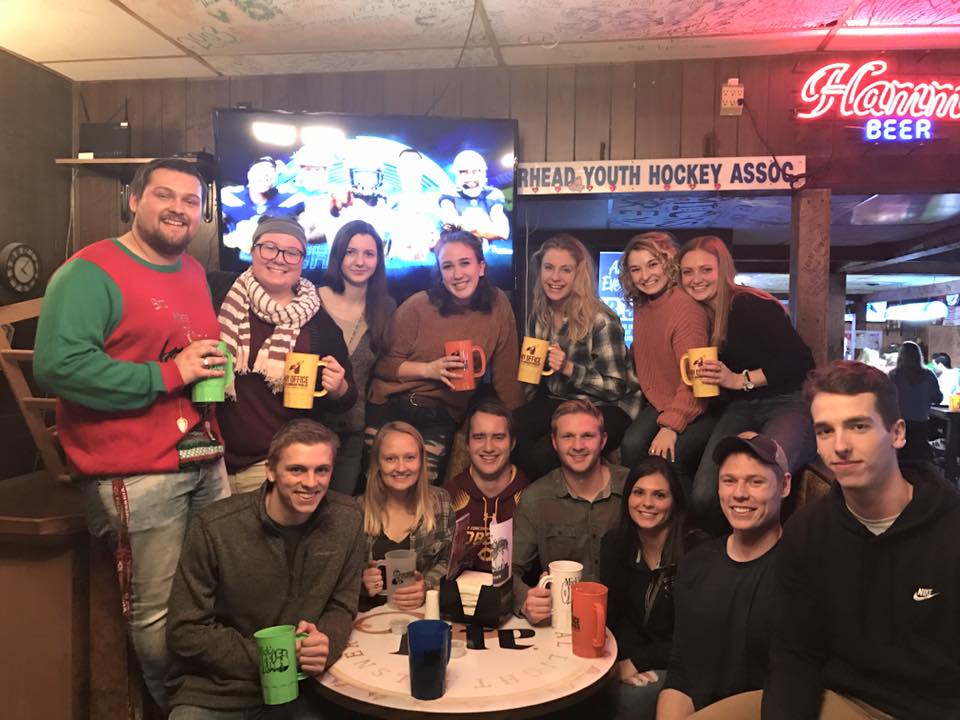
- Wednesdays we had what was affectionately called “speed dating.” We would move the tables into a circle formation and half the class sat on the outside of the circle, and the rest were in the inner part. We were given about three minutes to discuss what topic we researched from Monday’s class. By the time the class period was over each student heard half of the topics researched. Wednesdays allowed for us to understand the big picture, and put together our understanding of the “puzzle.”
- Fridays we met in the Knutson Campus Center, in an area that had comfy couches, and spent the 70 minutes of class discussing what we had learned with fellow classmates. Each week students would volunteer to lead the discussion, and would come prepared with questions to help guide the conversation. Many times these discussions would lead to fellow students sharing personal stories about the disease or disorder we had discussed that week.
Not only were these discussions the highlight of the week, they brought the class closer together.
Concordia has five goals for liberal learning, and neurochemistry found a way to incorporate them all.

The first goal is to instill a love for learning. Neurochemistry brought together information I had learned in the past, along with new information that allowed me to put puzzle pieces together. I began to understand complex ideas, and looked forward to going to neurochem each week. I loved being able to connect the dots between topics like Alzheimer’s and obesity. In neurochemistry we focused on learning and how to apply that knowledge, not just memorize it for a test. This approach to the class truly helped instill a love for learning.
The second goal is to develop foundational skills and transferable intellectual capacities. One of the greatest skills I have taken away from this class is how to listen to other’s opinions, and not let my own beliefs keep me from listening completely. Even if a classmate held a different belief than I did, I could always learn something new, if I opened myself up to listen. Another skill that I learned in this class that will prove useful is how to condense important information and explain it to someone in two to three minutes. As a future pharmacist my patients are not going to want to hear my drone on for twenty minutes about a medication. By having the “speed dating” sessions each Wednesday I got to practice this useful skill.
The third goal is to develop an understanding of disciplinary, interdisciplinary and intercultural perspectives and their connections. This goal also went along with goal five, encourage responsible participation in the world, in the form of our community action project. We partnered with a social work class, and set out to create a project that could help the community out in some aspect. My group focused on PTSD and anxiety in young adults in the Fargo/Moorhead area. Seven of my fellow neurochem students, along with three social work students, and myself worked together to create a training program for direct-support professionals. We specifically focused on how to bring the science behind these disorders into the community. Our training program proved to be quite successful. It was rewarding to see the information I had learn over the semester be put into practice.
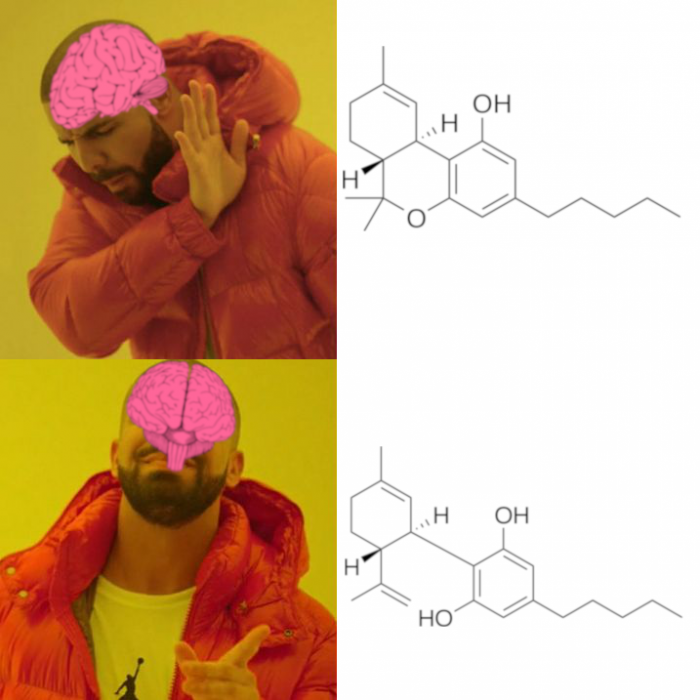
The fourth goal of liberal learning is to cultivate an examined cultural, ethical, physical and spiritual self-understanding. The discussion each Friday was an excellent space to reflect, and brought up several different topics that forced me to examine by own ethics. One week we talked about endocannabinoids, and marijuana. During the discussion that Friday the question “would you prescribe medical marijuana,” came up. It was interesting to see what each person thought, and how a simple question could lead to deep self-reflection. Each Friday brought new questions, and new topics to reflect on.
For the last two Fridays of the semester I had to miss class for pharmacy school interviews. I missed the time with my fellow classmates, we had become like a family. A family who sings Happy Birthday to you (like they did for me), and is always supportive of each other. Signing up for this class last spring was one of the best decisions I have ever made.




 We were given a week with each article: three entire class days structured something like this:


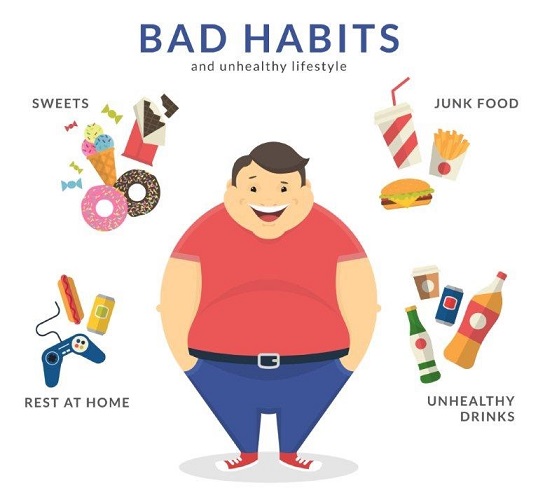

 During this course, we were able to rank topics according to our interests to form groups for a project that, throughout the semester, were going to work and engage the community in. I found the whole project inspiring, especially as it took the knowledge we learned in class and gave it a purpose outside of the course. Along with this, I found myself staying interested throughout this course as each week we tackled a new topic not for the goal of just learning it but engaging this knowledge to discuss the implications of what we had learned to medicine, the well-being of our community, and science.
 Working together with students studying Social Work during our Community Action Project helped us to build an interdisciplinary project. This was worthwhile, especially with my teams project focusing on mental health, as we had to focus on the science of mental health, but also the resources and supports important at our campus and in the community. During weekly discussions, we were also encouraged to answer questions posed by discussion leaders that often involved thinking about a variety of implications and perspectives.