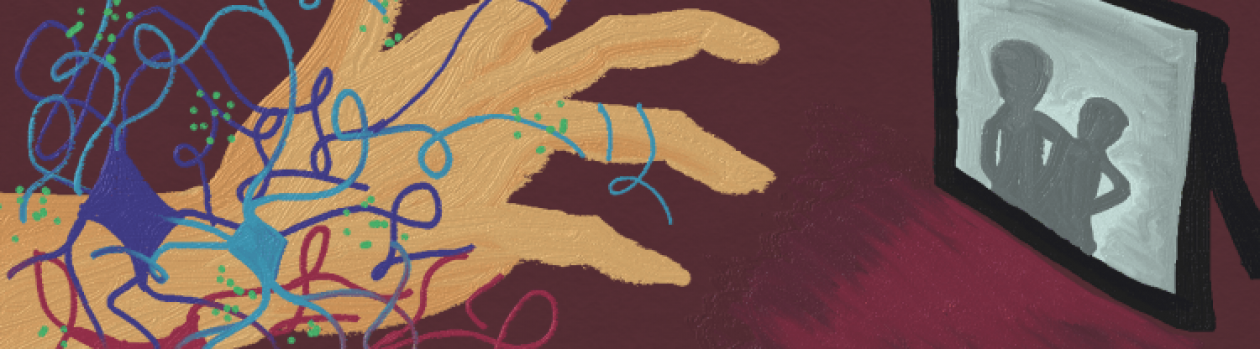
When initially discovered, purified opioids were an exciting and powerful new tool for managing pain. Yet, despite their undeniable effects at alleviating debilitating pain, opioids have progressively fallen out of favor due to their highly addictive properties and lethal side effects. As a result, scientists are beginning the search for opioid-based molecules that retain the analgesic effects of morphine and oxycodone, but abandon the devastating side effects and addictive properties.
According to the CDC, deaths from prescription opioids have quadrupled since 1999 and killed more than 28,000 people in 2014 alone. Additionally, the October issue of Medical Care cited the economic burden of opioid overdose, abuse, and dependence as 78.5 billion dollars per year. Because new drugs would save lives and relieve a major economic burden, research into alternatives for the common opioids are currently being fast-tracked by the FDA.
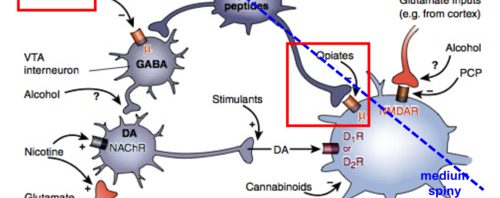
Before the search for these alternatives could begin, more knowledge about the specific receptors for opioids was needed and newfound technologies have made this possible. Three main G-protein coupled receptors exist for opioids, signified as μ, δ, and κ. Research now indicates that the pain relief from opioids results from μ-opioid receptor signaling through the inhibitory G protein, Gi. Interestingly, many of the deadly side effects of opioids, such as respiratory depression, arise from a separate β-arrestin pathway that is downstream from the μ-OR activation.

Efforts are now concentrated on discovering an opioid-like drug that retains the analgesic effects of morphine but lacks the respiratory depression. In essence, the scientific community searches for a μ-OR agonist that elicits a response leading to Gi signaling without a subsequent β-arrestin response.
To find such a molecule, researchers have relied on the crystal structures of the μ-opioid receptor and extensive computer modeling. A research team based at Stanford University computationally docked roughly 3 million known chemical compounds to the μ-opioid receptor. After narrowing the list to around 30 compounds, the team then chemically modified the compound to ensure that it interacted properly with conserved amino acid residues in the receptor’s active site. Finally, they arrived at one molecule in particular which they called PZM21.
From what the researchers have observed thus far, PZM21 could be a life saving drug someday. It has no detectable κ-OR response and 500-fold weaker δ-OR agonist activity. That means PZM21 is a selective μ-OR agonist. Most importantly, however, PZM21 has no measurable recruitment of β-arrestin.
In regard to respiratory depression, morphine heavily depressed respiration frequency compared to PZM21. In fact, the effect of PZM21 was nearly indistinguishable from the negative control. Even a new Gi biased opioid called TRV2130, which is currently in stage 3 drug trials, depressed respiration at 15 minutes. Additionally, PZM21’s length of efficacy is 180 minutes, which is even longer than the maximal dose of morphine.
Another promising finding for PZM21 is its low addictive properties. Along with the lethal side effects of opioids, they are also highly addictive due to increased dopaminergic reward responses in the brain. Research has shown that PZM21 has decreased activation of reward circuits compared to current opioids. Mice taking PZM21 also showed reduced preference to a drug chamber versus vehicle chamber following conditioning.
While PZM21 isn’t ready to be used by humans now, its current successes demonstrate the validity of a structural based approach to G protein coupled receptor ligand discovery. Using the knowledge we have about the biochemistry and structural features of the opioid pathway, we can legitimately search for safer and less addictive, yet still effective analgesics. This in itself is a great scientific accomplishment and one that will hopefully save the lives of many people who would otherwise become addicted to our current opioids.
Addiction: An Illness or a Crime?
According to a recent Human Rights Watch study published in 2013, federal drug offenders in the United States are given an offer they can’t refuse: fight federal drug charges in court and risk getting a sentence thrice as long if you lose, or simply accept a guilty plea deal and serve much less time. According to the Bureau of Justice Statistics, in 2010, more than half of federal prisoners incarcerated were charged with drug crimes, and the proportion has hovered around 50% ever since. While such mass incarcerations have done little or nothing to alleviate addiction, as suggested by the NIH’s report of a 2.8 fold increase in national overdose deaths between 2001 and 2014. Also troubling, The pro-reform Drug Policy Alliance has estimated that state and local spending on everything from drug-related arrests to prison add up to a total cost of at least $51 billion per year. Furthermore, the NIH also estimates that abuse of tobacco, alcohol, and illicit drugs in the US exacts more than $700 billion annually in costs related to crime, lost work productivity and health care. One cannot help but wonder, is fighting addiction fighting an illness or crime at this point?
As cited by the National Association Of Drug Court Professionals in a recent report, nearly 50% of jail and prison inmates have been diagnosed as clinically addicted to illicit drugs or alcohol, 95% of whom return to drug abuse after release from prison, and 60-80% commit further drug related crimes after their release. These facts then beg the question, are we as a society fighting this epidemic with the right tools: guns, handcuffs, and prisons, or perhaps it is time that we reexamine the fundamental basis of drug abuse and drug related criminal behavior?
The American Society Of Addiction Medicine defines addiction as, “a primary, chronic disease of brain reward, motivation, memory and related circuitry.” Furthermore, they add that, “addiction is characterized by inability to consistently abstain, impairment in behavioral control, craving, diminished recognition of significant problems with one’s behaviors and interpersonal relationships, and a dysfunctional emotional response.” In essence, drugs of abuse subdue normal reward-related behavior to uncontrollable drug-seeking and taking by altering dopaminergic neurotransmission (critical for reward) and consequently affecting glutamatergic neurotransmission (critical for reward learning). Complex signal transduction pathways are stimulated by these drugs of addiction, which then affect functional and structural neuroplasticity due to repeated drug exposure, leading to biological characteristics that typify addiction, and behavioral manifestations of the latter.
Now that I have outlined the science and statistics behind addiction, it is imperative to ask the so what question. My response is that it is about damn time that we give our fellow drug addicted Americans the medical attention that they so desperately need. To me, this move is a no brainer, it kills two birds with one stone: we solve the problem or reduce it significantly, and we save ourselves a heck of a lot of tax payer dollars, rather than squander them like the prodigal son did his fortune. To this end, I propose that we reconstruct some prisons to be drug treatment facilities where federal drug offenders are given the medical attention they deserve. Here, they would be subjected to a hospital/rehabilitation like environment that psychologically makes them feel like they are still valuable members of society and not packed away in a permanent cycle of self-destruction. These treatment centers would clinically wean them off their addictions while, as is necessary, keeping them apart from society in until they have been equipped with the skills to be able to stand on their own two feet so to speak. These treatment centers will serve as pit stops of hope and re-socialization, as well as cheaper and far more effective alternatives. What’s your take?
Addiction as a Brain Disease
According to the National Institute on Drug Abuse, addiction can be defined as a chronic, relapsing brain disease that is characterized by compulsive drug seeking and use, despite harmful consequences. Though many people see addiction as a choice – a voluntary action done to produce a pleasurable feeling– scientific evidence proves that addiction is much more complicated than that.
Though it is true that the initial decision to take a drug is often voluntary, continued use is often not. With continually drug use, a person’s ability to exercise self -control can often become seriously impaired. Brain imaging studies of individuals addicted show extreme physical changes in areas of the brain critical for judgement, decision-making, and learning and memory. Due to these changes, it is incredibly challenging for an individual to stop using drugs. These structural and chemical changes in the brain are also why scientists are beginning to refer to addiction as a brain disease.
Drugs are nothing more than chemicals that disrupt the brain’s normal communication system by influencing the way nerve cells send, receive, and process information. Drugs can do this by either imitating the brain’s natural chemical messengers or by overstimulating the reward circuit of the brain.
For example, take marijuana. The chemical in marijuana, THC, has a similar structure to a naturally produced neurotransmitter in the brain, anandamide. Cannabinoid receptors are normally activated by anandamide, however, due to the similar structure between anandamide and THC, THC can bind to these receptors. This causes aversive side effects on the mind and body, including the memory problems and impaired motor coordinators.
Other drugs though, such as cocaine, cause the nerve cells to release abnormally large amounts of natural neurotransmitters, such a dopamine. Normally, dopamine is release by a neuron in response to a pleasurable signal, and then recycled back into the cell that released it. However, cocaine prevents dopamine from being recycled, causing excess amounts of dopamine to be build up, disrupting normal communication. With repeated use then, cocaine can cause long-term effects in the brains reward pathway ultimately leading to addiction.
From these two examples, it is evident that drugs have extreme influences on the brain’s structure and function, resulting in addiction. However, these examples only touch the very basics of addiction. There are many more complicated concepts that need to be understood to grasp the full picture. So, before passing judgement on individuals with addiction, think back to this reading and do some research of your own. The challenges that these individuals face are much more complicated then they first seem.
Addiction: A Multi-Faceted Disease
In the state of North Dakota, the number of drug cases submitted to the State Crime Laboratory have increased by 26% from 2013 to 2015. In 2015, alcohol, marijuana, meth, opioids and heroin were the top five substances reported by adults in North Dakota Alcohol and Other Drugs treatment. These statistics from the North Dakota Office of Attorney General depict the increasing rate of individuals criminally caught abusing drugs in this area, and the substances that those individuals are primarily using.
Addiction to substances like these are more common than people may realize. According to the Addiction Center, over 20 million Americans over the age of 12 have an addiction, and that number is excluding tobacco. Reported from the same source, 100 people die every day from drug overdoses, and this rate has tripled over the past 20 years.
All in all, addiction is not well-defined. Most people don’t know that many components of addiction conclude that addiction is a brain disease. Addiction is characterized by habitual use of a substance, despite adverse effects and efforts to stop. This characteristic of addiction is explained by dependence. There are two types of dependence in addiction: physical and psychological.
Physical dependence shows signs of tolerance and withdrawal. Tolerance is the reduced effect of a drug over time. Withdrawal is an experience of drug-opposite symptoms when coming off the drug. These symptoms are categorized as physical dependence, because they illustrate how the body cannot function without the drug, due to neuronal changes.
On the other hand, psychological dependence describes the emotional and cognitive aspects of addiction, including craving and lack of behavioral inhibition. Cravings show the perceived need to use, and it results in compulsive drug behaviors. Lack of behavioral inhibition illustrates a disregard of the consequences of drug-taking. Individuals struggling with addiction experience these two facets of dependence.
The construct of dependence can be explained by investigating brain reward circuitry as a result of drug abuse. A 2011 review article by Philibin, Hernandez, Self, and Bibb explain that addiction is generally characterized by increases of dopamine in the neural projection from the ventral tegmental area (VTA) to the nucleus accumbens (NAc). More specifically, increased levels of dopamine lead to overactivation of two important second messengers: cAMP and calcium. Both cAMP and calcium contribute to gene transcription, resulting in synaptic remodeling of cognition and motivated behaviors. Studying biological mechanisms helps identify the function of drug addiction.
The behavioral principles of conditioning also provide insight to the discussion of addiction development. Operant conditioning clarifies how drug use turns into addiction and drug abuse due to the reinforcing consequences of drug-taking behaviors.
Positive reinforcement explains how a behavior will become more likely when followed by the presentation of a pleasurable stimulus. The act of taking a drug is positive reinforced in the short-term by the pleasurable effects produced by the drug. Pleasurable effects result in an increased likelihood of taking that drug again.
Negative reinforcement explains how a behavior will become more likely when followed by the removal of an aversive stimulus. The act of taking a drug is negatively reinforced in the long-term by the removal of unpleasant withdrawal symptoms. Because taking the drug removes the adverse withdrawal symptoms of the drug, it increases the likelihood of drug-use.
All in all, addiction is difficult to clarify and explain. We do know that it is more prevalent than we realize, especially considering that addictive tendencies can show up in perceivably more harmless ways than drug abuse, like regular coffee drinking, compulsive shopping, overeating, and more. The reality is that addiction is not developed or maintained by one mechanism or one system–it is physical and psychological, biochemical and behavioral.
Brain Structures and Addiction
Addiction. Most people have run into it, whether it be knowing someone personally, or knowing a friend of a friend who has an addiction problem. If you have never experienced addiction yourself, it may be hard to understand how someone could possibly become so dependent on a substance that it starts to ruin their life.
The neurochemistry mechanisms of the drugs are the center to why addiction can be so potent. Many structures of the brain are involved in addiction. Two of the areas of the brain related to addiction are the frontal cortex and the nucleus accumbens.
According to the American Society of Addiction Medicine, addiction is a primary, chronic disease of brain reward, motivation, memory and related circuitry. It is the dysfunction in many of these reward and motivation pathways that can develop into an addiction. If addiction persists and is not treated, it can go as far as resulting in death due to the pathway dysfunctions in the brain.

The frontal cortex of the brain plays a fundamental role in the circuits of reward and motivation. In addiction, the frontal cortex is responsible for the manifestations of altered impulse control, judgement, and dysfunctional pursuits of rewards. Addiction can especially manifest during early adulthood. This is due to the on going development of the frontal lobe, expanding its connections throughout the brain. When adolescents are exposed to drugs, this can inhibit the morphology of the frontal lobe, contributing to the development of “high risk” behaviors and thus to addiction.

The nucleus accumbens (NAc) is also highly involved in addiction. This is referred to as the brain’s pleasure center. When the neurotransmitter dopamine surges as a drug binds to a receptor in the brain, it proceeds to target the NAc. Addictive drugs provide a “short-cut” for the brain’s reward system due to this surge of dopamine. Through this intensified signaling in the NAc, addiction becomes possible. The pleasure that an individual receives from the signaling is enough for them to want to continuously seek out and fulfill.
These are just two of the brain areas involved in addiction. The process of addiction is much more complicated as the individual pathways are broken down, but knowing just the basics of how addiction forms can be valuable when helping an individual who has developed such a problem.
Addiction: A Disease or a Choice?
Like many of the issues we have been looking at recently that involve the brain, this is going to be a complicate issue but I will try to tackle it the best that I can. But, I firmly believe that addiction is a disease and in this blog I will try to show why I, and many others in the scientific community believe that.
To start off, it is worth nothing that addiction is classified as a disease by many medical associations including the American Medical Association and the American Society of Addiction Medicine.
Like many other diseases that can afflict a person, addiction is brought on through a combination of behavioral, environmental and biological factors, with genetic risks accounting for about half of the likelihood that somebody will develop an addiction.
HOW DRUG USE CHANGES BRAIN CHEMISTRY
In a normal healthy brain, when a person satisfies basic needs pleasurable chemicals are released in the brain that makes the brain want to repeat what just caused that pleasure. This is a driving force of survival, such as receiving pleasure when drinking water or eating food.
Many addictive substances release very high levels of these chemicals in the brain, and with continued use over time the brain may start to need these substances to feel normal since there are always these high levels of pleasure chemicals inside of it.
This is a major problem because a lot of things that should normally bring pleasure don’t bring nearly as much as these chemicals do, causing people to have cravings for these addictive drugs that far outweigh normal healthy activities and leading to a decline in one’s overall health.
It is also a problem because these brain changes can remain for a very long time, or even permanently after someone uses these substances.
BUT ISN’T IT SOMEONES CHOICE TO USE THESE SUBSTANCES?
Well, technically yes. Especially at the very start of an addiction before the brain chemistry has been altered an individual has full control over weather or not they want to ingest these substances. The Problem comes from what I mentioned above and that is that this brain chemistry is altered so significantly that a person loses most or all control over their behavior.
Brain imaging studies of people with various forms of addiction show that there are actual physical changes to the brain in areas that are important for critical for judgement, decision making, learning and memory, and behavior control. This makes the addiction stronger and more signs of the disease of addiction show.

WELL THEN WHY DO SOME PEOPLE BECOME ADDICTED TO DRUGS AND OTHER DON’T?
As with any other disease that we have discussed as well as others we haven’t, the chances that someone forms addictions differs from person to person and there is no single way to determine that someone will become addicted to drugs.
Genetics play a huge part in addiction and children with an addict parent are 4x as likely to become addicts themselves. Also currently almost 60 percent of people suffering from alcoholism also have family history of alcoholism.
There are other factors that can increase the likelihoods of depression developing including already existing psychiatric conditions, social environment, and trauma.
WHAT ABOUT THE FACTORS THAT INFLUENCE ADDICTIVE BEHAVIORS?
For addiction, there are certain risk factors as well as opposing protective factors that contribute to the risks of forming addiction.
On one hand, aggressive behavior in childhood, lack of parental supervision, poor social skills, drug experimentation, and community poverty all put someone at risk of forming this disease. While on the other hand good self-control, parental monitoring and support, positive relationships, academic competence and school anti-drug policies during childhood put someone at lower risks of developing addictions.

For all of the points that I just talked about, this is why I consider addiction to be a disease and not a choice. Because of this I believe we need to start treating addition for what it is, socially and medically so people with the condition can start getting the treatment and care they need to be able to improve and at least take back control over the disease, even if it can’t be beaten. Thank you for reading my thoughts about this.
Addiction: A Dopamine Story
Addiction is a neurological disorder that affects the reward system in the brain. In a healthy person, the reward system reinforces important behaviors that are essential for survival such as eating, drinking, sex, and social interaction. For example, the reward system ensures that you reach for food when you are hungry, because you know that after eating you will feel good. It makes the activity of eating pleasurable and memorable, so you would want to do it again and again. Drugs of abuse hijack this system, turning the person’s natural needs into drug needs.
The brain consists of billions of neurons, or nerve cells, which communicate via chemical messages, or neurotransmitters. These cells need to work together to produce the right signals. When the signals are done the pathway also has to be properly shutoff so that it is ready when it is next needed.
The major reward pathways involve transmission of the neurotransmitter dopamine from the ventral tegmental area (VTA) of the midbrain to the limbic system and the frontal cortex. Engaging in enjoyable activities generates action potentials in dopamine-producing neurons of the VTA. This causes dopamine release from the neurons into the synaptic space. Dopamine then binds to and stimulates dopamine-receptor on the receiving neuron. This stimulation by dopamine is believed to produce the pleasurable feelings or rewarding effect. Dopamine molecules are then removed from the synaptic space and transported back in to the transmitting neuron by a special protein called dopamine-transporter.

Most drugs of abuse increase the level of dopamine in the reward pathway. Some drugs such as alcohol, heroin, and nicotine indirectly excite the dopamine-producing neurons in the VTA so that they generate more action potentials. Cocaine acts at the nerve terminal. It binds to dopamine-transporter and blocks the re-uptake of dopamine. Methamphetamine – a psychostimulant – acts similarly to cocaine in blocking dopamine removal. In addition, it can enter the neuron, into the dopamine-containing vesicles where it triggers dopamine release even in the absence of action potentials.
Different drugs act different way but the common outcome is that dopamine builds-up in the synapse to a much greater amount than normal. This causes a continuous stimulation, maybe over-stimulation of receiving neurons and is responsible for prolonged and intense euphoria experienced by drug users. Repeated exposure to dopamine surges caused by drugs eventually de-sensitizes the reward system. The system is no longer responsive to everyday stimuli; the only thing that is rewarding is the drug. That is how drugs change the person’s life priority. After some time, even the drug loses its ability to reward and higher doses are required to achieve the rewarding effect.
Because drug abuse and addiction have so many dimensions and disrupt so many aspects of an individual’s life, treatment is not simple. Effective treatment programs typically incorporate many components, each directed to a particular aspect of the illness and its consequences. Addiction treatment must help the individual stop using drugs, maintain a drug-free lifestyle, and achieve productive functioning in the family, at work, and in society. Because addiction is a disease, most people cannot simply stop using drugs for a few days and be cured. Patients typically require long-term or repeated episodes of care to achieve the ultimate goal of sustained abstinence and recovery of their lives.
Lean In: Combating PTSD Among Combat Veterans!
All too often my House Of Cards binge session has been ruined by yet another Prozac or Pexeva commercial, almost leaving me teetering on the brink of anxiety, smart move on their part. Putting aside my endearment for commercials, it is important to highlight how anxiety and depression have become mainstream public health concerns in the United States as our men and women in uniform have returned home from serving their country in far flung corners of the earth, only to now fall victim to Post traumatic stress disorder (PTSD). In 2013, the United States Department of Veterans Affairs released a study that covered suicides from 1999 to 2010, which showed that roughly 22 veterans were committing suicide per day, or one every 65 minutes.
Without question, extensive reforms in the Veterans Administration are necessary to develop a robust support system to mitigate this rampant problem. However, you and I can raise awareness on this issue and reach out to veterans in our community to build a support network that serves to educate, give audience to their concerns, preemptively flag individuals who need professional/medical help, and link them with the resources that they need. In this vein, i’ll dedicate the rest of this post to informing our veterans about antidepressant medication.
There are several different categories of antidepressants, each of which bears a characteristic side effect profile and a mechanism of action. Given the association of depression with the levels and activity of neurotransmitters in the brain such as serotonin, norepinephrine, and dopamine, most antidepressants relieve depression by targeting the receptors of these neurotransmitters. Selective serotonin reuptake inhibitors (SSRIs) are one category of antidepressants, and they happen to the most commonly prescribed and effective subtype, with the least amount of side effects. While the exact mechanism is unknown, SSRIs are believed to alleviate symptoms by selectively blocking the reuptake of serotonin into presynaptic neurons, thereby increasing synaptic levels of the neurotransmitter available to bind to the postsynaptic receptor. Potential side effects of SSRIs may include nausea, vomiting, diarrhea, sexual dysfunction, and headache. Examples of SSRI’s include fluoxetine (Prozac, Selfemra), paroxetine (Paxil, Pexeva), sertraline (Zoloft), citalopram (Celexa) and escitalopram (Lexapro).
Another class of drugs are serotonin and norepinephrine reuptake inhibitors (SNRIs). These block the reabsorption of the neurotransmitters serotonin and norepinephrine in the brain. Examples of SNRI medications include duloxetine (Cymbalta), venlafaxine (Effexor XR), desvenlafaxine (Pristiq, Khedezla) and levomilnacipran (Fetzima). Some side effects of SNRIs include nausea, dizziness, tiredness, constipation, and insomnia. Norepinephrine and dopamine reuptake inhibitors (NDRIs) are a class that block the reabsorption of norepinephrine and dopamine in the brain. They are one of the few antidepressants not frequently associated with sexual side effects. Bupropion (Wellbutrin, Aplenzin, Forfivo XL) falls into this category. Atypical antidepressants don’t fit neatly into any of the other antidepressant categories. Like other antidepressants, atypical antidepressants affect the levels of dopamine, serotonin, and norepinephrine in the brain. Atypical antidepressants include bupropion, mirtazapine, nefazodone and trazodone. Some common side effects include dry mouth, constipation, dizziness, and lightheadedness.
The last two classes of drugs include Tricyclic antidepressants (TCAs) and Monoamine oxidase inhibitors (MAOIs). TCAs block the reabsorption of serotonin and norepinephrine in the brain. Additionally, they block muscarinic M1, histamine H1, and alpha-adrenergic receptors. They were one of the first approved antidepressants but are generally no longer prescribed unless a patient has tried an SSRI first without improvement. TCAs affect several neurotransmitters in the brain and, as a result, cause numerous side effects. The most common side effects include dry mouth, constipation, blurred vision, dizziness, memory impairment, and delirium. Exmples of TCAs include amitriptyline, desipramine, doxepine , and Imipramine. MAOIs block the activity of monoamine oxidase, an enzyme that breaks down norepinephrine, serotonin, and dopamine in the brain and other parts of the body. These have many drug and food interactions and cause significant side effects in comparison to the new antidepressants, so have been replaced by the latter. Common side effects include postural hypotension, weight gain, and sexual side effects.
In precis, there exists a wide variety of antidepressant drug classes, each of which has drugs that target specific neurotransmitter receptors and have particular side effect profiles. The most effective class, which also fortunately has the least amount of side effects, are SSRIs and the least effective are MAOIs. PTSD, particularly among combat veterans, is a significant public health issue and it is imperative that we engage in a coordinated effort to inform our veterans and lend them the emotional and medical support they need to combat this condition. Lean in together with me in giving a shoulder to our service men and women, it is the least that we can do.
What Is Anxiety?
We hear about anxiety a lot. So what is anxiety? The word can be used two ways, anxiety can be used as a synonym for fear and worry. It’s the feeling you get when you have a test tomorrow and haven’t studied. In addition there are anxiety disorders, which are a class of mental illnesses characterized by abnormal levels of worry.
There are many types of anxiety disorders. Some of the most common are:
- Generalized anxiety
- Social anxiety
- Panic Disorder
- Phobias
It is normal to be worried and fearful sometimes. These feelings help us navigate our way through life and tell us when something bad may happen. Absence of fear can easily lead to death or injury. So what is the difference between anxiety and an anxiety disorder?
An anxiety disorder means excessive worry—especially if it is over a long period of time. This can be worry about something specific (such as a phobia), or worry about everything or even nothing in particular. Sleep issues, impaired concentration, fatigue, and restlessness can also be symptoms. Overall, people with anxiety disorders are affected by worry and anxiety to an abnormal degree. They may not be able to function in society due to their excessive anxiety.
There are also symptoms of anxiety in the brain. People with anxiety have low levels of a neurotransmitter called GABA. GABA inhibits signaling in the brain, basically it calms everything down. Inhibitors of GABA called anxiolytics are often used to treat anxiety.
So why do these low levels of GABA occur? Well it’s complicated. Anxiety disorders can be triggered by stress. Genetics also plays a large role. Some people are much more susceptible to anxiety than others. Alcohol, marijuana, and other drugs can also trigger anxiety. In some unusual cases, caffeine can trigger anxiety.
To conclude, anxiety disorders are a treatable illness. The most prevalent symptom is abnormal amounts of fear or worry. Eighteen percent of American adults will be diagnosed with an anxiety disorder at some point in their lives.
Anxiety disorders are real, and they are so much more than just feeling worried sometimes. It is important to be aware of these illnesses so we can help our family, friends, neighbors, or even ourselves.
The Differences Between Anxiety and Stress
As a college student, I hear the words “anxiety” and “stress” tossed around all the time. Phrases like, “This test is making me so anxious,” “My anxiety is through the roof,” or “I’m so stressed” can be heard daily on a college campus. What many people are not informed about, though, is that “stress” and “anxiety” are not interchangeable. So, here’s the breakdown.
Stress 
The Definition: According to the Merriam-Webster Dictionary, stress is “a state of mental tension or worry caused by problems in your life, work, etc.”
The Statistics: According to the American Psychological Association, “more than half of working adults-and 47 percent of all Americans-say they are concerned with the amount of stress in their lives.”
The Science: Stress is caused by a trigger that leads to a release of hormones like adrenaline and cortisol from your hypothalamus. These hormones are pretty short-lived, but they cause a variety of effects in the body, including increased heart rate and respiration, decreased digestion and salivation (you know when your mouth gets all dry during a speech?), and an increase in blood sugar. All of these effects are meant to prime you for a “fight-or-flight” situation, but can be triggered by day-to-day stressors like exams, personal conflicts, or things that go bump in the night. When people are constantly exposed to stressors, like long-term family problems or constant noises like traffic, their bodies might trigger the stress response all the time, which is called chronic stress.
Anxiety 
The Definition: Again according to the Merriam-Webster Dictionary, anxiety is, “painful or apprehensive uneasiness of mind usually over an impending or anticipated ill.”
The Statistics: According to the National Institute of Mental Health, “Anxiety disorders are the most common mental illness in the U.S., affecting 40 million adults in the United States age 18 and older, or 18% of the population.”
The Science: There are many factors that contribute to anxiety, including genetic and neurochemical factors as well as negatively impactful experiences, especially during childhood. For example, somebody could have a genetic makeup that predisposes them to imbalances in key neurotransmitters, like serotonin, and then a traumatic event could cause those genes to code for a chronic imbalance in neurotransmitters, leading to anxiety.
The Take Home 
Stress is caused by a specific event or trigger and uses hormones to elicit a short-term “fight-or-flight” response in the body. Anxiety is a general feeling of helplessness or impending doom that can be triggered by external events, but is typically caused by internal factors like genetic predisposition and neurotransmitter imbalance. So, the main difference between stress and anxiety is that stress has an immediate outside trigger, like the test you have next week or your friend popping out of a closet, and goes away when your hormone levels return to normal. Anxiety, on the other hand, does not have an immediate cause and is characterized by permanent changes in the brain’s chemistry. So, the next time you say that your test is giving you anxiety, you know that you are really just feeling stress, and that you will return to a normal state when you ace your exam (or, at least, when it’s all over).