
Concussion Alters the Chemical Balance in the Brain

Concussion Has Major Mental Health Consequences
Concussion has been a hot topic in the NFL recently, with evidence of CTE (chronic traumatic encephalopathy) found in many deceased football players who have had mental disabilities later in their life. CTE has been found in many former NFL players who have committed suicide, and in the case of Jovan Belcher, who murdered his girlfriend before committing suicide. This has caught the eye of suffering of football players who develop CTE is no longer going unnoticed.
Chronic_Traumatic_Encephalopathy

CTE is a neurodegenerative disease caused by repeated concussions or sub-concussive blows that occur frequently with people who play football, depending on the force of the blow.  When concussions occur, there is a period of time in which the brain is especially vulnerable to subsequent concussions, which can lead to future problems with the brain.
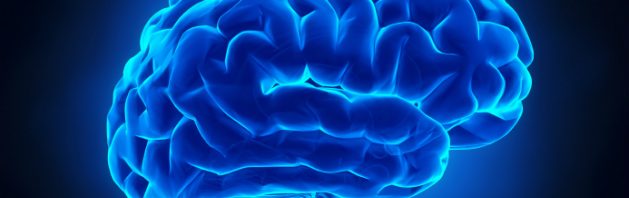
The Chemicals in the Brain are Altered After Concussion
According to this literature review on concussion, after a concussive blow occurs the neurotransmitter glutamate is released in high amounts throughout any impact-affected brain. Glutamate is a chemical normally released neuronal cells as a signal in the brain during synaptic transmission (communication between neurons), that creates a response from the target cell to change its calcium levels by opening up a calcium channel.
neurons
After concussion, too much glutamate released indiscriminately throughout the damaged areas causes all of the surrounding neurons to take in too much calcium for the neuron to function normally, as calcium is involved in energy production, axon structure, and overall proper function. This excess calcium not only causes the axons of neurons to break down and become nonfunctional, but it also prevents the neuron from producing the necessary energy it needs to function.
Hence, cognitive impairment in the form of dizziness, slurred speech, and whole host of other symptoms exist that may also depend on what part of the brain has been damaged.
In order for the neuron to resume its normal ability to function, it must return to its normal levels of calcium and glutamate. In studies of rats with concussion, the glutamate levels in their brain are fixed within a day after injury, but the calcium problem can take at least a week to be fully restored, leaving the brain much more vulnerable to damage from further concussions.
In humans, this recovery period could be much longer with our significantly larger and smarter brains, and it says nothing about the permanent structural damage that has been done. The more neurons that need to be repaired, the longer it needs to fix itself. But it may be even longer, as researchers have also identified possible indicators that the brain chemical balance is not fully restored after an entire month.
Repeated Concussions Cause More Damage
The worst damage is done when repeated concussions occur before the brain has fully recovered. NFL players with their incredible speed and power are the most likely to have these kinds of subsequent concussions. Not every concussion has to be majorly debilitating, and may even be completely unnoticeable in the case of sub-concussions. What does this mean for the rest of the world’s younger football players?
Youth football players also often get concussions throughout their career from elementary school to high school, a period of very important brain development. After someone gets a concussion and becomes more and more susceptible to them, they could go on to college football and develop a problem of CTE.
The thing about CTE is that it doesn’t stop getting worse when the person stops getting injuries – it is progressive, meaning the brain will only get worse until it ends in something like suicide.
Ban Football?!
The management of repeated brain injury is a critical issue to address in a country made up of football lovers (or Superbowl commercials, chicken wings, and beer lovers).
1280px-Super_Bowl_XLIII_-_Thunderbirds_Flyover_-_Feb_1_2009
 
Parents have to make a decision about whether it is okay for our kids to risk concussion or have fun at football practice every day. Of course the vast majority of youth players live great lives without mental health problems later on, but there are some that don’t. Some people are unlucky and get concussions many times during their lives, and that could be setting them up for failure.
As the research continues to be done on the details of concussion, we continue to understand more about this problem and we will be able to make smarter decisions about it. Could we be smarter, happier, and live more fulfilling lives without any concussions, or is there a certain number or severity of concussions that crossing a critical point of no-turning-back for our brain?
 

Nitric Oxide—Getting Pumped

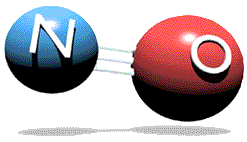
This past week in our neurochemistry class, we discussed the role of Nitric oxide and the role it plays within the body. Nitric oxide (NO) is produced glial cells within our central nervous system. Glial cells serve the important role of inducing inflammatory processes in the body. Through activation by a host of endogenous and exogenous stimuli, glial cells produce bioactive compounds that are noxious for neuronal cell function. Nitric oxide is included within these bioactive compounds and is one of the most important molecules released by glial cells. Physiologically, NO serves as a neuromodulator and neurotransmitter in the brain, but in excess NO can exhibit harmful effects within our bodies including neuronal cell death. Through its prevalent social relevance, the use of nitric oxide as a pre-workout supplementation was discussed thoroughly and will be the topic of this blog post.
 
Pre-Workout Supplementation
In the late 1930s, a few individuals across the nation first began isolating whey from milk as a form of supplementation. By the 1950s, vitamins, minerals, and other isolates were included and sold in a powder form to aid in the nutrition of athletes. The 1980s brought about the fruition of the body-building craze and market for supplementation exploded for competitive lifters. Many types of supplements were introduced into the market, both legitimate and complete scams. In the early 2000s, the molecule Nitric oxide was introduced as a supplement for its vasodilation effects. The enlargement of the lifter’s veins was something tangible the lifter could see, and in turn, believed it was working. This physical manifestation of nitric oxide’s effects on the body made it become the premier component in a pre-workout supplement. Now the question remains, does supplementing with nitric oxide pre-workout work?
As a collegiate athlete, I have always been an avid lifter and used an array of supplementation while working out. In both high school and college, the use of pre-workout is quite prevalent and nitric oxide as a key ingredient was a favorite amongst my peers for a pre-workout supplementation. For many, the use of pre-workout gets them “in the zone” and results in better workouts day in and day out. Many claim that after using pre-workout supplements, as soon as you quit the intensity of your lifting drops, so obviously the pre-workout is aiding their lifting in their minds. Adding to the mix of factors, I was never informed of any potential side affects that could come from the use of nitric oxide supplementation, although through personal experience I didn’t see any positive effects.   As a wrestler, my diet wasn’t always the best while competing due to the demand to cut of excess weight to be at a high level of competition. Supplementing with protein shakes supplied me with an easy option to obtain my daily protein/vitamin intake needs while sacrificing the weight that is associated with substantial food/liquid intake, although I cannot say that pre-workout supplementation aided in my performance as an athlete. When I used these supplements, I did indeed feel a “buzz” similar to what I would also experience after a few cups of coffee. So my personal conviction for the pre-workout supplements is that they really don’t work. They present the lifter with a feeling that they can associate with lifting and the removal of that feeling results in non-intensive lifts. Studies have shown that nitric oxide supplementation may aid a little to individuals not in shape but no consistent correlation has been presented within the realm of avid lifting. So it seems as if all this supplementation as a whole is a marketing scheme, the goal is to give an athlete a feeling that he/she associates with training to ensure the athlete’s continued use of their product. But, again, these are my personal convictions and fairly irrelevant as to what the public should know about nitric oxide.
 
Excess NO in the body
Production of NO is obtained through the overexpression of Nitric oxide synthase (iNOS). Abnormal iNOS induction influences the pathophysiology of detrimental consequences and particular neurological diseases including periventricular leukomalacia (PVL), Krabbe’s disease, X-linked adrenoleukodystrophy (ALD), and multiple sclerosis (MS). Mechanistically, the overproduction of NO results in the production of reactive nitrogen species (RNS). RNS are toxic forms of NO and the stress they present in neuronal cells is achieved through affecting mitochondria function, disrupting proteins, and inhibit the synthesis of DNA from ribonucleotides. In summary, excess NO disrupts normal cellular functions within our bodies, and resulting in negative side affects. Further experimentation and research is needed to clearly define the role NO plays in the nervous system in order to address its overproduction.
So back to the pre-workout supplementation… I feel that informing athletes of the side affects presented by nitric oxide is of utmost importance. As a victim to this marketing scheme, young athletes are lead to believe that the use of these supplements will increase their performance and their use of these products are not influenced by the negative side affects that can come from excess NO.

Parkinson’s Disease: Defining the Entire Spectrum

Overview
 Parkinson’s Disease (PD) is a complex neurodegenerative disorder where both motor and non-motor symptoms are present to a progressive loss of neurons in the brain. PD is the second most prevalent neurodegenerative disease after Alzheimer’s disease. PD effects approximately 0.3% of individuals within industrialized countries.
 
Symptoms: both Motor/Non-motor systems
 Within the public eye, it often comes across that symptoms associated with Parkinson’s Disease are exclusively limited to effecting the motor systems of PD patients. Personally, I fell within this category prior to investigating this neurodegenerative disease. Before diving into the relevance of the symptoms, I feel that a list may be helpful.
 
Motor Related Symptoms…

  • Tremors (both in movement and at rest)
  • Rigidity
  • Issues with posture
  • Bradykinesia
  • Difficulty with speech
  • Swallowing difficulties
  • Gait
  • Mask-like expression
  • Micrographia

 
Non-Motor related symptoms…

  • Depression
  • Sleep disturbance
  • Sensory abnormalities
  • Autonomic dysfunction
  • Cognitive decline

 
As alluded to earlier, the motor symptoms that come with PD are often seen as the sole effects seen within PD patients, and they also are how the disease is classically diagnosed. Although, this classical description of PD has more recently been to define to encompass a more complex dynamic to the illness to contain non-motor symptoms as well. Currently, the non-motor symptoms have called for the most clinical research and have been shown to be much more helpful in determining the disease outcome for PD patients. Overall, the symptoms associated with the disease impact the quality of life, progressive disability, and entry into long term care for PD patients.
Causation/Solutions
Death of dopaminergic neurons is prevalent in PD, although the pathological mechanism of these neurons fatality has not been clearly defined. One potential explanation for the death of neurons in PD is the accumulation of toxins such as dysfunctional proteins and mitochondria. The accumulation of the toxins is the result of the cell’s failed attempt to undergo ubiquitylation. The addition of ubiquitin to these malfunctioning cells/organelles would result in the degradation, and in turn, cease accumulation. Addressing this deregulation and finding an exact mechanism as to how this works could be a revolutionary treatment in PD
 
Another mechanism that we discussed in PD pathology was the irregular amounts of iron ions in the body. In PD, patients have been shown to exhibit a buildup of free Fe2+. The enzyme that oxidizes Fe2+ to Fe3+ doesn’t appear to be working, and in turn, induces cell death through improper binding with hemoglobin. Controlling this build up of Fe2+ could address this pathophysiological explanation of the cellular death in PD.
Therapeutics
A few therapeutics have been applied and positive outcomes have been noted. One is deep brain stimulation. In short, Deep Brain Stimulation is a surgical procedure that involves implanted electrodes within the brain. Although this seems risky, a control in symptoms has been seen. The Mayo Clinic shows a great video about how brain stimulation can be use.
 
Another therapeutic that has been looked at by the Mayo Clinic is the use of a laser to aid in simple tasks such as walking. The technology works by re-routing the way PD brains and avoids the complications that come with using a particular part of the brain where dopamine neurons are dysfunctional. Both of these two therapies can be found at the following link provided by Mayo Clinic Ventures. http://ventures.mayoclinic.org/news/video-library.php
 

Confidence and Self-realization: a Capstone Course Experience with Dr. Mach

It is the fourth year of my excellent under graduate school experience here at Concordia College. I am graduating in May of 2016. Three and half years of hard working, being challenge, and growing to a responsible, open minded, and critical thinker person. I am very blessed to be able to attend Concordia College, which is a place that obtaining a perfect grade by the students is not the only concern of the professors. I have been thought to think critically, reason, and devote to the common good of the world. “Being responsibly engaged in the world” is the mission of Concordia College, which I was taught since freshmen year. Throughout my years of education, I realized that I am given the chance to truly practice and prepare for a future life of “being responsibly engaged in the world”. This is the goal for which the classes are structured and the professors are teaching accordingly.
Neurochemistry class as a capstone course for seniors taught by Dr. Mach. This is where the students are given the opportunity to make connections between the materials learned in different classes and the real life problems in the society. The concern is not keeping up with taking notes in the class nor only listening to the professor lecturing for the entire class time. The concern is to encourage students to speak up, participate, contribute to the class, research, use what learned from other classes, communicate, discuss the issues going on in our society, and try to think of ways to make a difference. Dr. Mach plays role of a friend, who is also learning in the process; even though she has taught this class for years. I style of teaching is unique and a totally different experience. Dr. Mach and the structure of this class have supported, and helped me to become more confident of my abilities. Thank you Dr. Mach.
Words cannot do justice to describe my feelings of appreciation to Concordia College and all my professors including Dr. Mach who taught me Biochemistry and Neurochemistry as a capstone course. The lessons all of you have taught me will help me succeed in my future life and career. Thank you is all I can say.

Neurochemistry, Not Your Typical College Course

This class was drastically different from my other lecture style classes that I have had at Concordia.  Instead of the professor lecturing the entire class period, we spent that time discussing, sharing our thoughts, and learning from both our classmates and our professor.
We spent each week discussing a different topic from a research article.  Some of the topics we discussed this year were ALS, parkinson’s disease, alzheimer’s disease, autism, obesity, and concussions.  Having the ability to read and make sense of scholarly works is a critical skill that one does not get to practice that often.  We then individually researched an area of the article we wanted to know more about or get clarification on, and spent the next class period sharing our findings with the class.  Not only did this help me to further understand the topic, but it also allowed me to practice explaining the science with other students in the class, helping to develop my communication skills.  We then spent the end of the week discussing things related to the topic of the week, whether it was ethics, biology, chemistry, or psychology related.  This helped me make connections between different disciplines.
This type of classroom environment fosters self-learning, a love for learning and communication skills.  What was really cool about the class was combining the knowledge of those in the class, learning from each other and sharing each other’s ideas to help develop a better understanding of the topic.  I think an integrative and communicative based course such as this truly fits the definition of a capstone experience at Concordia.  It was an enjoyable and productive way to learn and it allowed everyone to think broadly and critically on a wide spectrum of subjects.  I would like to thank my professor Dr. Mach and my fellow students for this enjoyable capstone experience.

Eating Disorders, More Than Just Social Pressures

In Western culture, we are constantly being bombarded with unrealistic beauty standards.  As a result, many, in particular women, struggle with their body image and the unhealthy desire to achieve the thin beauty ideal.  Body image dissatisfaction and disordered eating patterns are particularly common in teenagers and young adults.  Not only are their societal pressures that influence our eating behaviors, but biological factors that influence the pathology of eating disorders.  Two of the most common eating disorders are anorexia and bulimia.  Both eating disorders are characterized by an excessive drive to be thin and abnormal eating behaviors.  Another common sign of an eating disorder is excessive exercise to try and lose additional weight.  In addition to this, both can have binge eating (excessive intake in food) and purging behaviors (self-induced vomiting, misuse of laxatives etc.), although this is more common in bulimia.  The difference between bulimia and anorexia is that those with anorexia are typically 15% or more below their healthy body weight, while those with bulimia are not.
Dysregulation in the neurotransmitter serotonin and the hormone estrogen have been linked to bulimia.  In those with bulimia, serotonin is typically low, which can increase the risk of impulsive behavior and anxiety.  Estrogen is thought to help aid in neuronal communication between serotonergic neurons, through increased levels of intracellular serotonin.  Thus, decreased serotonin and estrogen levels in certain areas of the brain have been associated with bulimia.  Currently, drugs that can help maintain normal serotonin levels as well as estrogen receptor modulators are being explored for treatment of eating disorders.
While the link between serotonin and bulimia has been found, there are undoubtedly more biological factors that are involved, such as other hormones or neurotransmitters.  Future research into bulimia and other eating disorders may help to uncover additional causes, and help to develop more effective treatments for these severe and dangerous eating disorders.  However, it is important that we teach our youth the importance of being comfortable with their bodies, and to accept normal and healthy eating habits at an early age to help combat the ever increasing social pressures.
More general information on eating disorders can be found HERE.

Autism and the Environment

Over the past few decades, a growing number of children are being diagnosed with autism.  Autism is a neurodevelopmental disorder that is characterized by impairments in communication, inappropriate social behavior, and repetitive behavior.   The autism spectrum (ASD) has a wide range of symptoms, with varying degrees of severity.  As with many disorders, genetic and environmental factors both have a capacity to contribute.  While there are many genetic factors that are responsible for autism, there are also some environmental risk factors for developing autism.
One of the proposed risk factors for autism is prenatal viral infections.  Researchers have potentially found that prenatal viral infection in the mother is associated with autism development in the child.  Furthermore zinc deficiency in the mother and during early development has also shown to have a strong association with autism.  Zinc is a very important metal in the body as it plays a role in many different processes, such as cell division and differentiation.  Deficiency in zinc during development is linked to severe brain dysfunction, including impaired learning and memory.  While immune system disruption and zinc deficiency are seen as the two central factors, there are many others that have been proposed.  Some other risk factors that have been associated with autism are parental age, prenatal stress, abnormal melatonin synthesis, maternal diabetes, postnatal heavy metal poisoning, and prenatal exposure to toxins including valproic acid and thalidomide.
Many of these risk factors appear prenatally, or before the child is born.  This window of time is a sensitive one for brain development, as certain aspects of the brain development may be more prone to disruption by environmental factors imposed on the mother and thus the child.  Although it appears that autism originates in early development, many of these risk factors need further research to strengthen their associations and provide a more direct link with autism.  While there are many environmental and genetic factors that are associated with autism, researchers have yet to draw them back to a single cause.  It is now clear that there are not only genetic, but environmental influences that can both lead to increased risk of developing autism.  Elucidating the exact mechanism in which these environmental factors impact autism will be an important next step towards merging the genetic and environmental components.
For more information on autism, click HERE.

Reflection on The Wonders of the Brain: A Dr. Mach Experience

Neurochemistry was my capstone course in the second to last semester of college and what a wonderful experience it was. To think of how much I learned in just a few short months is incredible. I know more about the brain and how so much of our lives and destiny is controlled by the brain and how it interacts with the many different systems in our body. We learned about ALS, endocannabinoids, the effects of concussions on the brain, alzheimer’s disease, obesity, parkinson’s disease, autism, etc. We covered many of the important brain-related topics of our time and it was truly a fun and education-filled experience. Dr. Mach did a fantastic job in picking relevant, understandable, and important papers. I cannot thank he enough for making the class worthy of showing up 3 days a week. The discussions were always unique and some tangent would bring you into a completely different quadrant that you didn’t even expect to end up on. There was always fresh material and new information to be shared with the class. I can definitely say there were not many dull moments!
I would recommend this class to any student, whether a science major or not, due to its ability to expand your ability to critically understand scientific papers as well to learn new info about how crazy the brain is and what exactly you still have yet to learn about it. Dr. Mach is the best and as long as you do your work every week, you cannot let her down. She will strive to make sure you understand every week what we are getting ourselves in to. And that is what makes this class great.
 
Cobber Neurochem. Take it.

On Bulimia

Eating disorders are diseases that have a large impact on our society. They are many types of different eating disorders, including anorexia nervosa, bulimia nervosa, binge eating disorder, compulsive overeating, etc. All of these are associated with having an unhealthy perception/relationship with food. And where does that start? How can we allow people to be pushed in such a direction that even that which sustains us harms them?
Society is forcing unrealistic perceptions of body image, weight, appearance, onto those especially vulnerable. We are telling young girls that they need to be a size 0 from the moment they hit puberty through the rest of their lives. We tell young boys they need to be cut and well-built in order to attract women and to show how fit they are. This then gives false perceptions to the opposite sex and what they should expect when they look for a person to date. They are looking for these modelistic body types, but that isn’t how 99% people are.
We need to be teaching our children and youth about how people really are and what a realistic body type is. We cannot keep letting the media control what enters the brains of our youth and how they should feel about the bodies they have been given. We need to revolutionize the system that controls what content is being distributed. And don’t get me wrong, I am a free speech proponent and I think that the censoring of music/television is dumb, but we cannot have the media propping up lies to control the brains of the people. This is how body image issues arise.
Bulimia nervosa is an eating disorder that involves the binge eating of food, followed by a purge soon after. Purging can be vomiting, excessive exercise, the taking of a laxative, or any way that the sufferer attempts to rid themselves of all the food they consumed. This can have drastic effects on the hormones of the person and can completely throw their body out of wack. Issues such as menstrual dysregulation can arise in the female sufferer, causing infrequent periods and other issues.
Bulimia nervosa is set in motion by the unrealistic standards of the media in our society and is furthered by mental and neurological issues that exacerbate the problem. Until we clean up our act and stop forcing unrealistic images into the brains of our citizens, we will never be able to fully rid ourselves of eating disorders.

My Capstone Experience

My capstone experience is something that I will never forget. The reasoning being that the layout of the class was far different from anything that I have ever experienced before. By having the students pick subtopics, research them and ultimately teach them to the rest of the class this course was able to continue to instill a love for learning in a new way. As a future educator you can imagine that this teaching style was really tailored towards me but I thought it was beneficial for  everyone because we were able to learn about topics we cared about.
Throughout this course we learned about various neurological diseases and initially the course did not seem all that intriguing to me. But after a few papers I was hooked and was really enjoying the class. This class not only taught me about the neurochemistry behind each disease, this course also taught me a lot about the culture and social views of these diseases.
But the learning did not stop here. Every Friday for this course we would have small group discussion about other implications and views of the disease for the week. I believe it was on these days I was able to learn and gain a better understanding about some of my beliefs and who I am. There were a lot of questions that required deep and considerate thinking in these discussion, which is the reason for gaining the better understanding about myself. But these discussions also brought B.R.E.W. into the picture. A lot of questions that were asked had to do with further implications beyond the paper and it was these questions that continued to instill the idea of brewing for this class.
Overall I have thoroughly enjoyed this class. I have learned more about neurological disease then I would have ever expected. But beyond that his course made me think about these disease in ways I would have never thought of before and this class caused various topics to come up that I have never really considered. This course has helped me discover new aspects about myself and continued to help instill a connoted desire to learn. It is weird to think that at the end of the year my journey at Concordia will end, but my experience here is something I would never trade way.

Spam prevention powered by Akismet