End of the Semester
This semester neurochemistry broadened my understanding of neurotransmission and synaptic plasticity by engaging in oral and group discussions. Exploring topics such as dopamine’s role in reward pathways and serotonin’s impact on mood improved my knowledge and ability to communicate complex ideas effectively. Discussing real-world applications of neurochemistry, such as in neurological disorders, emphasized the real-world experiences.Overall, the emphasis on oral communication in this course significantly enhanced my confidence and skills in scientific discourse.The skills, and knowledge gained in this class can relate to future goals in a healthcare career. Understanding neurotransmission, brain function, and mechanisms laid a strong foundation for understanding neurological disorders and psychiatric conditions, which are prevalent in healthcare. Effective oral communication developed through discussions and presentations is crucial for conveying complex medical information to patients and colleagues. Additionally, critical thinking skills learned in neurochemistry are vital for problem-solving in healthcare settings, whether diagnosing conditions or exploring treatment options. Overall, the insights gained from this course directly support my aspirations in healthcare by preparing me to contribute meaningfully to patient care and biomedical research.Learning at a liberal arts institution means studying a various subjects beyond just your major. It’s about developing skills like critical thinking, communication, and problem-solving that are valuable in any career. You learn to see issues from different angles and appreciate diverse perspectives. It’s an education that focuses on developing well-rounded individuals who are adaptable and curious about the world around them.During the Neurochemistry oral class, I improved my listening skills by actively engaging in class discussions and presentations. I learned to better understand complex scientific topics by taking effective notes during lectures. Participating in group discussions also helped me listen attentively, consider different perspectives, and contribute to scientific conversations. These experiences have enhanced my ability to listen effectively and communicate clearly, which are important skills for success in neurochemistry.
Childhood obesity and how healthcare professionals can approach it using different perspectives. Healthcare providers specializing in pediatrics and nutrition would assess the impact of childhood obesity on children’s health, including associated risks like diabetes and heart disease. Nutrition experts would analyze eating habits and create personalized plans for healthier diets. Exercise specialists would design fun and safe physical activities to improve fitness levels. Public health experts would look at community factors affecting obesity, such as access to healthy food and safe play areas. Psychologists would study behavior patterns and develop strategies to encourage healthier choices. By combining these perspectives, the team can develop effective programs and interventions to prevent and manage childhood obesity, promoting better health outcomes for children and families.
The Cycle of Obesity
Obesity
Obesity is an extremely dangerous and costly condition affecting 41.9% of US adults and 19.7% of US children and adolescents. This is not just as issue in the US; obesity also affects 650 million adults worldwide [1]. These statistics are alarming, but even more concerning is the fact that these numbers are expected to increase significantly in the coming years. How is it possible that so many people are being affected by this condition? Aside from obvious genetic, epigenetic, and environmental influences, the key stimulus that kickstarts the metabolic changes associated with obesity is overnutrition which leads to altered chemical signaling within the body [2].
Food intake affects and is affected by two sets of neural pathways (Figure 1) within the melanocortin system of the hypothalamus. These two pathways lead to behavioral expressions of energy expenditure and caloric intake with the goal of maintaining nutritional homeostasis. The agouti-related peptide (AGRP) pathway is orexigenic, meaning it induces feeding, and it works antagonistically to the anorexigenic proopiomelanocortin (POMC) pathway which restricts feeding behaviors. Insulin and leptin are hormones that are released following food intake to inhibit AgRP neurons and activate POMC neurons. This sends neural signals to decrease food intake while increasing energy expenditure to limit overnutrition. When insulin and leptin are no longer present in the receptors, feeding behavior will be triggered and energy expenditure should decrease. [2].

Signaling Dysruption
Insulin and leptin signaling dysregulation are one of the first changes that occur in the development of metabolic syndrome and obesity. Just three days of feeding on a high fat diet can significantly reduce hypothalamic insulin sensitivity. This occurs when the insulin receptors are receiving too much input. When there are too many signaling molecules trying to bind to receptors, the receptors become desensitized to the constant stimulation of insulin. When insulin sensitivity is reduced, anorexigenic signals are not able to be properly sent to the brainstem (Figure 1). This not only induces more feeding behavior leading to body weight gain, but also leads to a state of hyperinsulinemia which produces other negative effects [2,3].
High fat diets also affect other signaling pathways in the hypothalamus. Proinflammatory gene expression in the hypothalamus occurs via the IKK complex and NF-kB activation. High fat diets also can impair insulin action by phosphorylating and inhibiting the insulin receptor substrate proteins at serine 307. This is another mechanism that promotes activation of the AgRP neurons (Figure 1) which induces over-eating behaviors [2].
The Cycle
Although there are many different mechanistic explanations for the changes we see in hypothalamic signaling, they all come from the same stimulus and produce similar behavioral and physiological responses. High fat diets are the impetus for each of these metabolic alterations, and each of these alterations produce negative effects of insulin/leptin resistance, increased food consumptions, inflammation, and eventual weight gain. When a high fat diet is consumed regularly, both the acute and long-term effects perpetuate the same behaviors – over fueling and under activity.

The inflammation associated with obesity specifically affects the brain structures involved in reward and feeding behaviors. Because of this, the reward pathways in the brain seek out more highly-palatable high fat foods, further perpetuating this cycle. Inflammation also affects peripheral tissues and organs within the body leading to negative effects in other body systems.
Conclusion
Through all of the signaling, chemical, metabolic, and behavioral changes that occur with obesity, the most important thing to understand is that they are all connected. Once the cycle of obesity is initiated, it continues to perpetuate itself through all of the mechanisms discussed above. This process is usually initiated by dietary choices and often is not stopped unless deliberate action is taken. The first step in ending the cycle of obesity is bringing awareness to the problem and educating about how and why this is occurring.
References:
Obesity, Metabolic Diseases, and Diet Across The Planet

The AHEI score ranged from 0 to 100 (correction for trans fat shown). Healthy components: fruit, non-starchy vegetables, legumes/nuts, whole grains, PUFAs, and seafood omega-3 fat; unhealthy components: red/processed meat, SSBs, and sodium.
The mean national score was computed as the sum of the stratum-level component scores and aggregated to the national mean using weighted population proportions for 2018 from 0 to 100. The mean national score was computed as the sum of the stratum-level component scores and aggregated to the national mean using weighted population proportions for 2018.
Only ten countries, representing <1% of the world’s population, had AHEI scores ≥50. Among the world’s 25 most populous countries, the mean AHEI score was highest in Vietnam, Iran, Indonesia, and India (54.5 to 48.2) and lowest in Brazil, Mexico, the United States, and Egypt (27.1–33.5).
Concussion and Navigating In School

A. The Paper
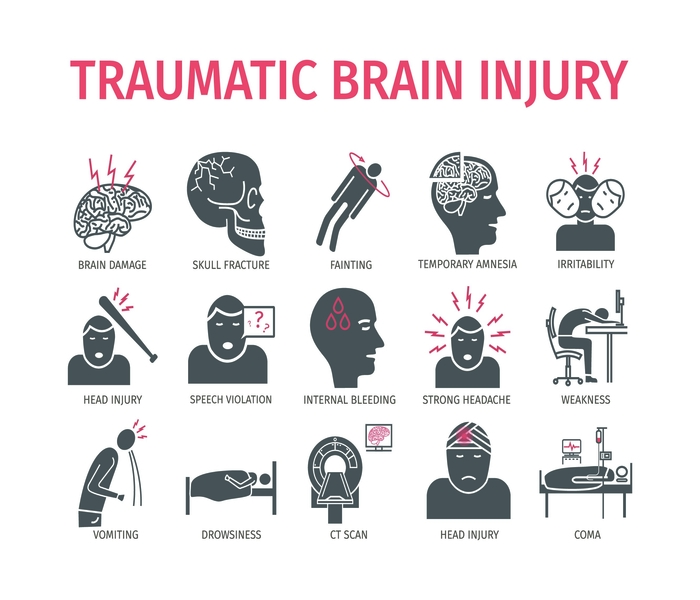
The New Neurometabolic Cascade of Concussion looks into the evolving understanding of the pathophysiological mechanisms underlying concussions, shedding light on a paradigm shift in how these injuries are conceptualized and managed.
Traditionally, concussions have been viewed as purely functional disturbances, characterized by transient neurological dysfunction without structural damage. However, Giza and Hovda propose a new perspective, suggesting that concussions involve complex neurometabolic cascades that can lead to long-lasting consequences.
B. Steps of concussion
The paper outlines a multi-step cascade of events triggered by concussive impacts, starting with the immediate disruption of ion gradients and neurotransmitter release. This initial phase is followed by a metabolic crisis, characterized by increased energy demands and compromised cerebral blood flow regulation. As a result, neurons experience energy depletion and mitochondrial dysfunction, leading to oxidative stress and cellular damage.
Moreover, the role of neuroinflammation is highlighted in the secondary injury phase of concussions, where activated microglia release inflammatory mediators and exacerbate neuronal damage. This inflammatory response can persist for days to weeks following the initial injury, contributing to ongoing neurological dysfunction and potential long-term consequences.
C. Imaging

There was a large interest in imaging tools that can be used to diagnose concussions. My part was about fMRI. A Functional Magnetic Resonance Image (fMRI) is an imaging technique used to diagnose concussion and recognize changes in the brain while you are asked to engage in cognitive tasks.
D. Recovery and Being in School
The paper emphasizes the importance of considering individual variability in concussion outcomes, noting that factors such as age, sex, genetic predisposition, and prior injury history can influence the severity and duration of symptoms. It also stresses the need for personalized approaches to concussion management, including targeted interventions aimed at mitigating specific aspects of the neurometabolic cascade.
Furthermore, the paper discusses the implications of their proposed model for concussion diagnosis, treatment, and prevention. They advocate for a comprehensive approach that integrates clinical assessment, neuroimaging, biomarker analysis, and neuropsychological testing to better understand and manage concussive injuries.
I found this website from the University of Michigan particularly helpful for the treatment and recovery information, especially if you are still in school: Concussion Treatment and Recovery
Reference:
Favorite Part; Peer Discussion
One aspect of the semester that I would like to highlight is the end of week discussions that the class would have on each paper we read. This discussion really helped me learn how to communicate my ideas effectively, and in an interesting way.
As a chemistry major, I understand how intimidating chemistry and science in general can be. However, I also know and have learned the benefit of understanding how things work. Having knowledge of the natural world around you allows you to make better, more informed decisions. In my mind, chemistry, biology, and neuroscience should not be intimidating topics. Yes, they are notorious for being confusing, but with practice we can be better at explaining them. This is why the discussions are so important because they allow us to explain things to an informal audience. I hope that in my future as a scientist that I will have many science communication opportunities. I have discovered that I adore public speaking when it comes to science communication. I would not have known this if courses like this one and other courses at Concordia had not pushed me to communicate effectively.
In almost every discussion we had for this course, we brought up the idea of how to educate the public on this topic. Although this was just a thought experiment and will not lead to actual implementation, we talked a lot about educating children early on topics such as diet, mental health, physical health, etc. I think it is very important to have scientists who understand science to be the ones to create the educational materials to be presented to these boards of education.
Additionally, I became better at listening to others. That statement makes it sound like I was not listening to others before, which I believe I was, just not in the most effective nor helpful way. Before, I would have the urge to rapidly jump into a conversation whenever I had something to say. Usually, this was me trying to relate to a person and their thoughts/ideas/emotions, however I realize now I was unknowingly interrupting them. These weekly discussions have taught me that even when someone finishes a sentence, it can be best to wait and let the words hang in the air. This allows for them to add on or clarify their thoughts, or just allows for deeper contemplation of the topic.
While I was listening more to my peers, I was learning more about them than ever before. Concordia has many goals and policies to promote multiculturalism which I believe are invaluable. However, the most value from having people from different backgrounds and cultures meet is when they actually listen to each other. While we were discussing neurochemical topics like schizophrenia, cancer, and Alzheimer’s disease; I was simultaneously learning about how the school system works in Norway, or the ordinary diet in Nigeria, or how people access mental health care in rural North Dakota. Learning about the background of my peers gave me their own personal context. It allowed me to see the reasons why they think the way they do.
The Ethics of Marijuana
A. The Paper

The paper Cannabinoid Receptors in the Central Nervous System: Their Signaling and Roles in Disease provides an in-depth exploration of the signaling mechanisms and functional roles of cannabinoid receptors in the central nervous system (CNS), as well as their implications in various diseases.
Cannabinoid receptors, particularly CB1 and CB2, are integral components of the endocannabinoid system, which plays crucial roles in regulating numerous physiological processes within the CNS. The intricate signaling pathways activated by cannabinoid receptors, including G protein-coupled signaling cascades, regulation of ion channels, and modulation of neurotransmitter release.
In the CNS, cannabinoid receptors have a lot of functions, ranging from the modulation of synaptic transmission and neuronal excitability to the regulation of neuroinflammation and neuroprotection. The paper discusses how the endocannabinoid system influences processes such as pain perception, mood regulation, memory formation, and motor control, highlighting the broad impact of cannabinoid receptor signaling on brain function.
B. Marijuana as a treatment

Importantly, the paper explores the involvement of cannabinoid receptors in various neurological and neuropsychiatric disorders, including epilepsy, multiple sclerosis, Parkinson’s disease, Alzheimer’s disease, schizophrenia, and anxiety disorders. They examine the potential therapeutic implications of targeting cannabinoid receptors in the treatment of these conditions, emphasizing the need for further research to elucidate the precise mechanisms underlying their therapeutic effects.
Moreover, the paper discusses the pharmacological modulation of cannabinoid receptors through exogenous ligands, including phytocannabinoids from cannabis plants and synthetic cannabinoids. The authors evaluate the therapeutic potential and limitations of cannabinoid-based medications in treating CNS disorders, highlighting the importance of considering factors such as efficacy, side effects, and individual variability in response.
C. The ethics
Cannabis research that can inform public health and keep pace with changes in cannabis policy and patterns of use requires funding. In the U.S., the National Institute for Health (NIH) is responsible for funding research across many health domains. However, because cannabis was historically perceived to have only negative effects, most cannabis research has been conducted under the auspices of the National Institute of Drug Abuse (NIDA).
Paradoxically, most harms related to cannabis arise from its illegality and the associated risks of seeking out an illicit substance. For example, criminalizing cannabis has led to territorial disputes, the constant fear of informants, and implicated people who use cannabis with other criminal behaviors.
Reference:
Cannabinoid Receptors in the Central Nervous System: Their Signaling and Roles in Disease


:max_bytes(150000):strip_icc()/schizophrenia-sign-symptoms-5095511_final-57a52853a10c4edcb4bd6a3b31f041ea.jpg)
:max_bytes(150000):strip_icc()/schizophrenia-treatments-2330662-86632e6754d0472bb5c2891d6eb94bcd.png)