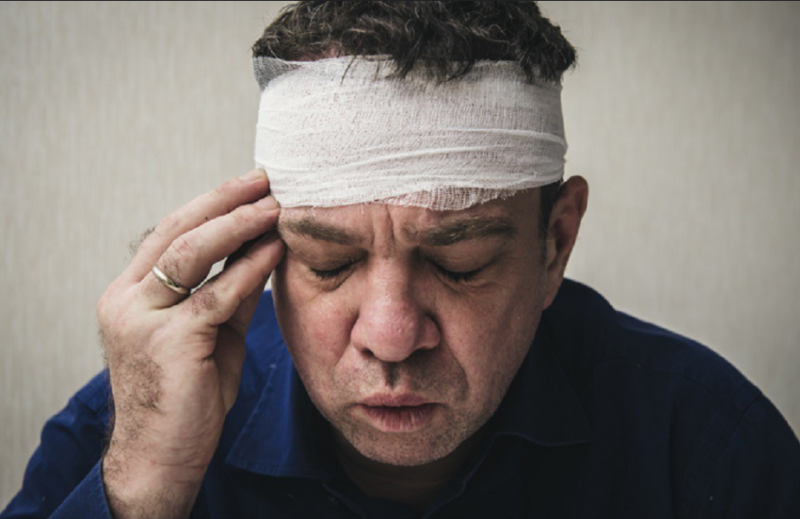
Concussions, AKA mild traumatic brain injuries (mTBIs), can be frustrating to deal with. This is because they can cause many side effects including: headaches, confusion, nausea, depression, amnesia, trouble sleeping, and difficulty with concentration and learning. Although the symptoms usually disappear after a few weeks, as the brain heals, during the concussion one must put their life on hold. This is because the only current treatment for concussions is getting plenty of physical and mental rest. Along with over-the-counter medications, to make the person comfortable and alleviate headaches. This leads to the question, are there other medications that could be taken to help after a concussion?
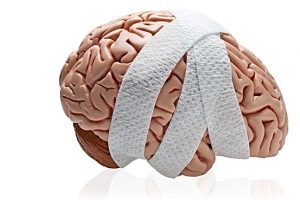 In The Brain
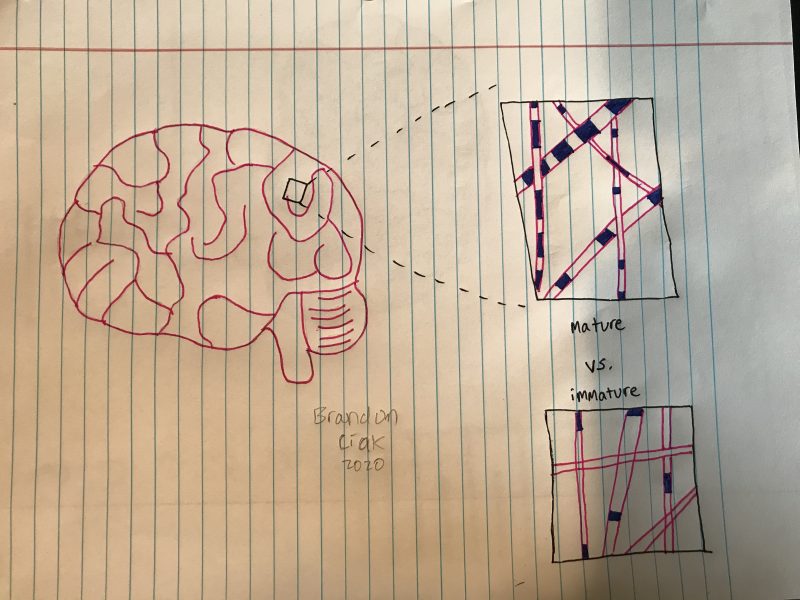
First, it is important to understand what is happening in the brain when someone gets a concussion. When the brain gets shook around in the skull there can be injuries to axons which is a part of a neuron. Neurons are cells that send signals to one another which allows us to function. The axons could be bent, broken, or dead due to impact. The impact causes a leaky membrane on the neuron. This causes ions like calcium and sodium to come into the axon, allowing the neuron to become imbalanced and depolarized. Depolarization is important because when a neuron becomes depolarized it has more positive ions, which makes the neuron altogether more positive. A positively charged neuron wants to signal to other neurons.
After depolarization, the living, damaged neurons will then over signal causing glutamate release. Glutamate is a neurotransmitter that travels to other neurons making them fire. All of this firing causing a lot of activity to happen in the brain. The brain knows that the ions are not balanced, so it will use a lot of sodium, potassium, and ATP to try to balance out these ions and get the voltage back to normal. Burning ATP provides energy to the brain. This will then induce hyperglycolosis and metabolic uncoupling which contributes to behavior issues one might experience during a concussion.
Following, the burning of ATP forms lactate. Since the brain is burning a lot of ATP, there is lactate accumulation and calcium storing in the mitochondria. The mitochondria normally makes ATP. Calcium blocks the mitochondria from making ATP levels from returning to normal. Further, all this stress happening in the brain causes hypometabolism. Hypometabolism happens because the brain is using all this energy to balance ions, it isn’t able to use the energy to transport other things correctly. Calcium that is not stored in the mitochondria activates protease which is a protein that starts destroying other proteins, which then leads to apoptosis, AKA cell death. This whole process and the ions can get restored and fixed within roughly 10 days with proper treatment, but it is very easy to obtain other concussions during the healing process. If one gets a second concussion, the healing process takes much longer and there might be further long-term damage to the brain.
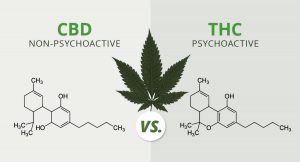 CBD Vs. THC?
Before explaining CBD as a treatment for concussions, it is important to note where it comes from and clear up any misconceptions that there might be about it. Cannabidiol (CBD) is a chemical found in the plant commonly known as marijuana or hemp. There are over 80 chemicals identified in this plant. One of which is the psychoactive chemical known as delta-9-tetrahydrocannabinol (THC). Like other chemicals in hemp, CBD can be extracted from hemp with little to no trace amounts of THC. Therefore, CBD does not get you high.
CBD as a Treatment?
In one study, researchers induced a concussion in male mice. After the concussion, the mice were placed in a comfortable environment during the experiment. Meanwhile, the mice were given oral CBD treatment. After 14 and 60 days there were 7 tests performed. Some of the tests showed CBD significantly improved symptoms in mice. The 7 tests included: Allodynia Test, Rotarod Test, Open Field Test, Resident-Intruder Test, Three Chambers Sociability Test, Tail Suspension Test and Microdialysis Test.
These were the results:
- Allodynia Test-
- CBD treatment showed signs of reduced pain in mice.
- Open Field Test-
- CBD treatment showed little significant changes in mice, but CBD did decrease “reckless behavior” shown by less rearing.
- Resident-intruder test-
- CBD treatment significantly decreased aggressive behavior in mice.
- Tail suspension Test-
- CBD treatment decreased depression like behavior, shown by decreased immobility in mice.
- Microdialysis Test-
- CBD treatment administered prior to 60 days after trauma, normalized glutamate and D-Aspartate levels in the brain of mice.
- Rotarod Test-
- CBD treatment showed no significant difference in motor coordination impairment in mice.
- Three Chambers Sociability Test-
- CBD treatment showed no significant changes in social interaction in mice.
The data from this study shows promising results for CBD as a treatment for concussions. This being said, further research must be done to understand the full effects CBD has in concussions and on the body. For information about CBD as a treatment for other illnesses and side effects CBD might cause go to: https://www.medicalnewstoday.com/articles/cbd-oil-effects#side-effects
References
https://www.webmd.com/vitamins/ai/ingredientmono-1439/cannabidiol-cbd
https://www.frontiersin.org/articles/10.3389/fphar.2019.00352/full
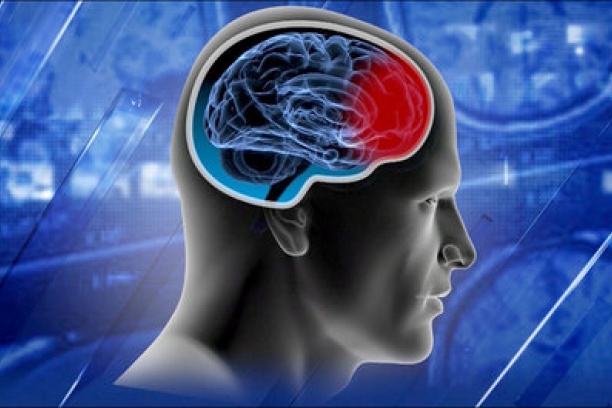
 develop depressive symptoms afterward, which is quite a dramatic number. Another fact that was found is equally concerning: one study found that after only a mild traumatic brain injury, there was a 15% chance that the person developed major depression. This is the lightest and least serious type of brain injury (which you can get simply by hitting your head slightly too hard) and the worst, most serious type of depression, occurring in more than 1 in 7 people who experience a concussion. This is significant not only because of the depression part, but because this points to concussion as being more than purely “an annoyance”. In fact, the total prevalence across all severities of TBIs for major depression is 14-29%. In other words, up to a third of people who experience a concussion develop the clinically-worst type of depression.

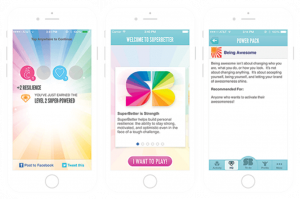 The app essentially functions as a gamified symptoms journal, where concussed individual reports symptoms and feelings, then the app turns those inputs into a game-like version of their feelings. This can help avoid social isolation associated with concussion recovery, especially since concussion patients are urged not to do anything that may be detrimental to their recovery. Within the app, users could form a network around their symptom log and comment and interact with other users’ posts, generating a cohesiveness between patients that may be looking for some more interaction when able. The main takeaway here is that, while you shouldn’t be overstimulating your brain and harming recovery, you can use what little screen time you have in a positive manner, leading to a more efficient recovery.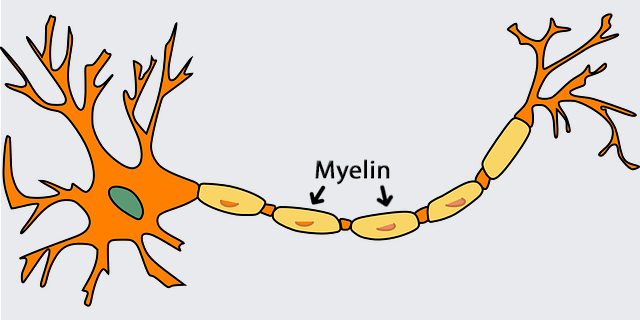
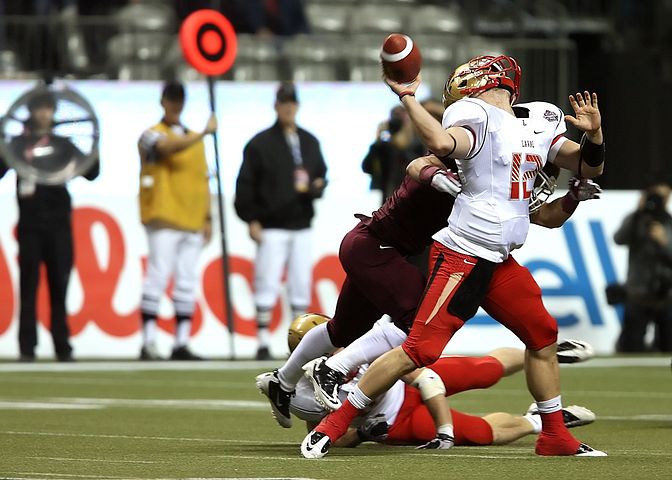 from behind, let’s examine what occurred microscopically inside of his brain as a result. The sudden movement inside his skull most likely started out with neurons becoming “leaky”, or more permeable for ions to flow in/out of the cell. For TBIs, there is an extreme influx of calcium and sodium ions with an efflux of potassium ions.
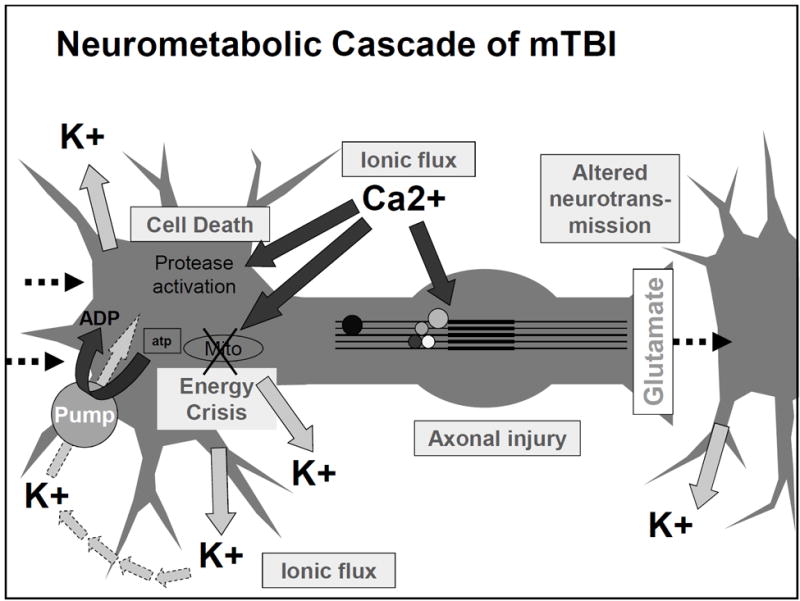 body compared to the amounts being consumed intracellularly results in an unfavorable side product being formed with ATP (lactate) and extra calcium getting stored in the mitochondria. Shrinking and running out of options, these cells quickly realize that they are now only doing more harm than benefit and decide to turn to apoptosis: programmed cell death.
 disruptions.
 The changes described in the following list take place in neurons, which are brain cells that send signals to one another to let us think. Neurons are shaped a bit like an oak tree. Signals come into branches at the ‘top’ of the tree, travel down the neuron’s axon, which would be the tree’s trunk, and go out through the roots to the next neuron. The signal that comes into the branches is a neurotransmitter chemical. The neurotransmitter either tells a neuron to fire (which means to be activated and pass the signal on to the next neuron, which passes it to the next, and so on), or not to fire. If a neurotransmitter tells a neuron to fire, molecules that have positive or negative electric charges cross the cell membrane (a thin membrane like a water balloon that lets molecules go in and out) and change the voltage of the entire neuron. Becoming more and more
 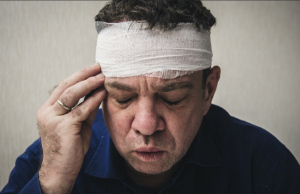 28.4% of people who suffer mTBI report an increase in aggression





 disorder”. For instance, participants that have internet abuse behaviors had higher impulsivity, or in other words, a lower response inhibition. They had a more difficult time inhibiting a natural response to wanting to play a game or browse social media. These participants also had a heightened activation of brain regions that deal with reward response. The responses seen through MRI were positively correlated with self-reported urges to game. The correlation here to drug addicts would be that not only are the same brain regions activated, but these urges are similar to drug users experiencing cravings, which are neurological in nature but manifest to influence behaviors. Another way in which this addictive quality can be seen with chemical changes in the brain is through looking at the dopaminergic system. In drug addicts, the binding capacity for dopamine receptors is diminished, which means that drug users need more of that drug (or higher doses) to feel the same amount of high as they have before. This is also referred to as tolerance. This reduced dopamine capacity was also found in internet abuse participants. In participants that were identified as having gaming related addictions, their binding potential (or ability to feel good while playing their game) was diminished in ways that rivaled an injection of amphetamines, a highly addictive (and psychoactively responsive) drug.