ALS: Bringing Awareness to This Neurodegenerative Disease

Background Information on ALS


Amyotrophic lateral sclerosis (ALS), or Lou Gehrig’s disease, is a debilitating disease that can often be difficult to diagnose. ALS can mimic, or appear to be, many of debilitating diseases, and all of these must be ruled out before this diagnosis is handed out. Many of the diseases that could present like ALS have treatments, and possibly cures; ALS does not. The degeneration of upper and lower motor neurons is a characteristic of this disease, and due to the long diagnostic time, many patients are already in the late stage of this disease, and will likely die of respiratory failure in only a few years. ALS is most commonly thought of as a musculodegenerative disease, but there can also be cognitive declines as well.
Two forms of ALS are familial ALS (fALS) or sporadic ALS (sALS). sALS is much more common, but fALS is usually due to inherited genetic risk factors. This disease is thought to be partially caused from an accumulation of iron in the body. This will lead to increased amounts of reactive oxidative species (ROS), which will go into stress granules. The body will then attempt to get rid of the ROS, and thus will develop oxidative stress, which will lead to mitochondrial damage and/or RNA dysmetabolism. This will then lead to problems forming correct proteins, and cellular function, especially in large neurons, is impaired.

Treatments

As there is currently no cure for ALS, the goals of treatment are slowing the progress of the disease and/or reducing pain due to symptoms.

  • Medications
    • Riluzole: appears to slow disease’s progress, acts by reducing glutamate levels (stop brain from developing glutamate excitotoxicity, which damages neurons)
    • Edaravone: was just approved this year, shows a reduced decline in daily functioning
    • Other pain relief medications for treating the symptoms
  • Therapies
    • Physical therapy: address pain, walking, mobility, bracing, and equipment; practice low-impact exercises
    • Breathing care: breathing devices if needed
    • Occupational therapy: help to find ways to remain independent, modify home for accessibility
    • Speech therapy: adaptive techniques to make speech more clear
    • Nutritional support: eating foods that are easier to swallow, eventually may need a feeding tube
    • Psychological and social support: financial help, insurance, getting equipment, emotional support

The Ice Bucket Challenge

One way ALS has gained attention as well as some funding was through the ice bucket challenge. This was a trend in which social media was utilized to raise awareness and funds for ALS through individuals doing their own challenge and then nominating others to do one as well. A timeline of this challenge can be found here. What started as a small gesture done by one man was able to race through the world due to the power of social media. Supporting those with ALS, as well as bringing awareness into communities is imperative in the fight against ALS.

ALS – Finding Hope

This past week the Fargo-Moorhead community lost an angel to a disease that continually seems to rip away our hope and block any light at the end of the tunnel. This one, like many diseases does not discriminate against who it takes. ALS, amyotrophic lateral sclerosis, is considered a debilitating and imprisoning disease with no cure. Little hope is found in those words. Therefore, we ask: What can we do as a community, as people who love each other, to help those who suffer from ALS, along with their families? What good can we bring of such hurt?
First, let’s begin with a brief overview of the disease from a biological standpoint to better understand its complexity.
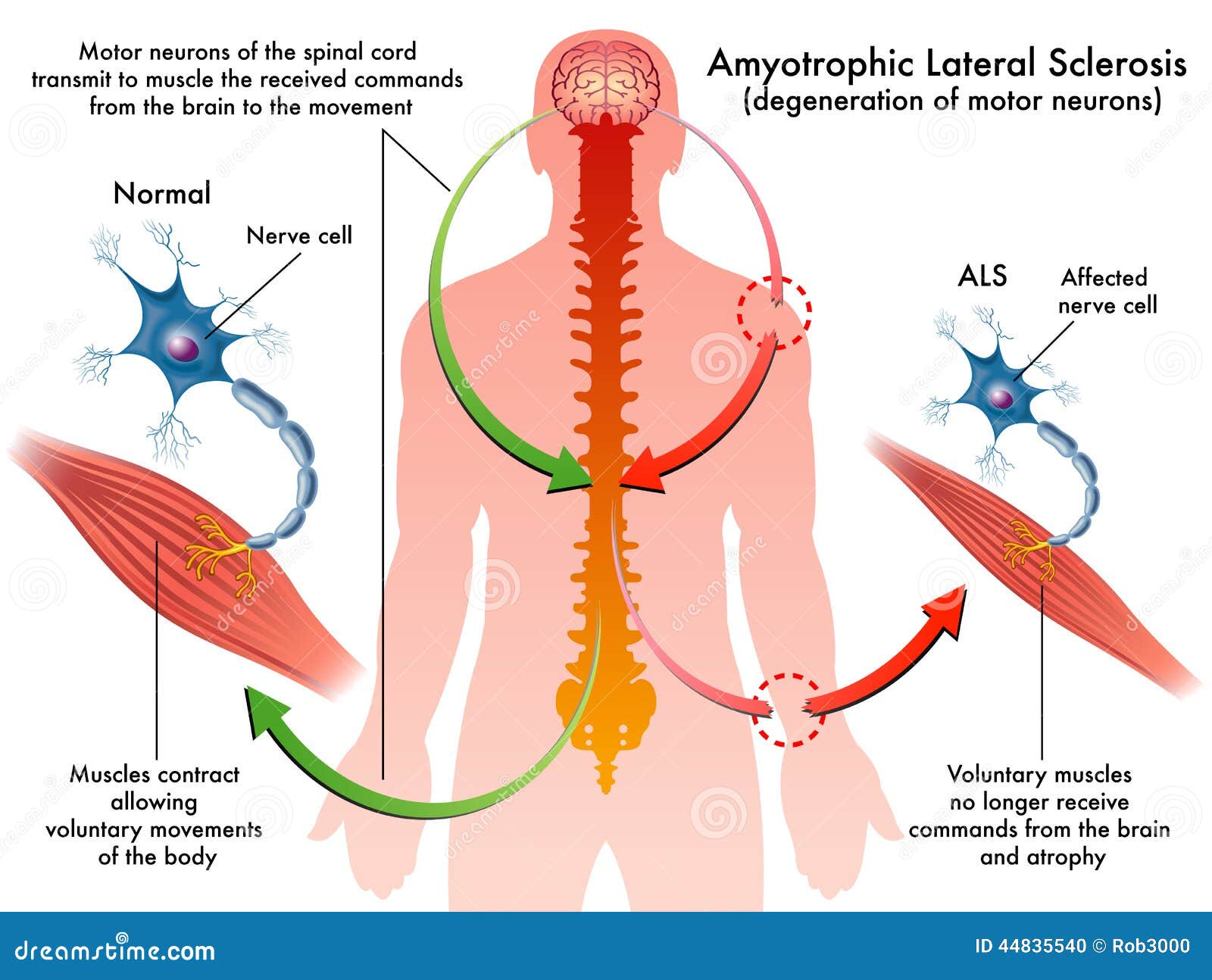
ALS is a fatal disease that is commonly associated with the degeneration of upper and lower motor neurons, or the cells that allow our muscles to move. It can be a genetic disease, running in families, or randomly occurring. In the body of someone affected by ALS, there are essentially three things that are going wrong and leading to the disease.
The first thing going wrong is oxidative stress and RNA dysmetabolism, both of which are a part of a cycle that essentially leads to magnifying each other. Oxidative stress is a result of natural metabolic pathways that are working in overdrive and their products accumulate. These oxidative products cause damage to the cell and other cellular changes that are detrimental to normal function. In ALS, oxidative stress causes RNA-binding proteins TDP43 and FUS to delocalize from their neutral location and aggregate in the cell. This then hinders the proteins’ ability to function properly and metabolize RNA. Oxidative stress also allows for the production and release of stress granules which allow for the activation of “stress genes” and are characteristic of ALS neurodegeneration.
When RNA is unable to be properly metabolized, proteins such as FUS and TDP43 can create a negative impact on natural oxidative stress protections. This is the fatal cell cycle that continues to occur in ALS patients.
The second malfunction is protein folding. All the oxidative stress occurring in the cells leads to mutated proteins which aggregate and trap helper proteins that act to remove malfunctioning proteins. The cell is then unable to respond to the damage occurring, so it naturally performs autophagy which is to eat or destroy itself.
The third component that is failing in ALS is metal homeostasis. In patients suffering from ALS, there is an unusual metabolism of iron and copper which leads to an increase in both. This then leads to oxidative stress, which was previously discussed, which causes overall protein degradation or cell death.
As you can see, ALS is incredibly complex and gene specific in its effects. There is no clear pathway but rather a culmination of many pathways working in tandem. Because much of the biological pathway of ALS is still unclear, more research is required. As of now, the only treatment options available treat solely the symptoms. Therefore, the more we can learn, even at a small scale, can help add to the knowledge of specialized treatment options.
So, what does all this complexity and uncertainty mean to us and to our community?
It means there is much work and awareness that needs to be done. It means we come together as a community and lift each other up in kindness. It means we turn to faith for hope and we rely on the love of our faith to radiate and bring meaning to people’s lives. Finally, it means we do not turn our back on those suffering but be friends and be of service to our community’s needs.
Right now, it feels like there is no hope. However, with faith, kindness, love and many more hours of hard work and research, there can be immense hope.
“But those who hope in the Lord will renew their strength. They will soar on wings like eagles; they will run and not grow weary, they will walk and not be faint.” Isaiah 40:31.
https://www.ncbi.nlm.nih.gov/pubmed/27150074

How Does ALS Progress?

To understand ALS, one needs to understand how the motor neurons in the brain are divided. The brain has different types of neurons, sensory (for example, detecting touch), and motor neurons (responsible for causing muscle contractions). The motor neurons are the one’s effected by ALS, there are two regions that we will be focusing on, the upper and lower motor neurons.
 
The upper motor neurons are in the brain and they extend into the lower motor neurons. The lower motor neurons are in the spinal cord going directly to the muscle tissue.
 Continue reading →

Potential Key Players in ALS Disease: Better Targets for the Future Treatments

Lou Gehrig’s disease is also called ALS. It is a motor neuron disease that impairs the physical activities in the life of the patients with ALS.
 
ALS begins with muscles weakness, stiffness, softness, tightness, or spastic. The patients with ALS feels fatigue, poor balance, slurred words, weak grip, or tripping. These symptoms may be so subtle they occur before diagnosis. The next stage of ALS presents with more widespread symptoms from above, paralyzed muscle groups, deformed and rigid joints, weakness in swallowing, unable to drive, weakness in breathing when lying down, and bouts of inappropriate laughing or crying. The final stage of ALS presents with most all voluntary muscles paralyzed such as speech, eating, drinking, limited ability to move air into and out of lungs (breathing) and poor respiration leads to fatigue, scattered thoughts, headaches, and pneumonia. In the last stage, the patient with ALS have a high risk of death.
 
Image result for als
 
Unfortunately, the diagnosis process of ALS usually takes 2 to 3 years, implying that the patients are usually at the late stage when they find out that they have ALS. The treatments are also limited. The treatments do not target to the specific area in the growth of ALS. Instead, they just try to slow down the progression of ALS disease.
 
In a current study, the oxidative stress, the mitochondrial damage and the RNA dysfunction are the important mechanisms contributing to the initiation and progression of ALS:
The mutant Fuse in Sarcoma (FUS) and TAR-DNA binding protein (TDP43) protein tend to aggregate and trap within the cytoplasm, leading to the impairment transcription and growth of motor neuron. This creates more oxidative stress in the cell. The autophagy and protein degradation, such as SOD1 and UPR, help to keep the oxidative stress at the normal level. When they are unable to resolve the oxidative stress in a timely manner, they shift their function to destroy the cells. Apoptosis is now the goal.
 
The key players in ALS disease:

  1. Fuse in Sarcoma (FUS) is essential in the nucleus and cytoplasm. In the nucleus, it is a transcription factor, a pre-mRNA splicing, and bringing other transcription factors together to initiate the transcription process. In the cytosol, FUS has less functions, so small amount of FUS is present in cytoplasm. FUS importantly acts as a mRNA transporter, bringing mRNA out of the nucleus. When FUS is mutated, it tends to aggregate and accumulate in the cytosol, leading to the inability for mRNA to be spliced properly, less miRNA produced, transcription issues, lack of mRNA transport to the dendrites in the cell that require it and destabilization of important mRNA.
  2. TAR-DNA binding protein (TDP43) is a DNA/RNA binding protein. It has the similar functions like FUS. It plays an important role in transcription and translation process. It also involves in stress granule response under condition of stress.
  3. SOD1 is a mainly cytosolic antioxidant enzyme that convert superoxide (O2) into hydrogen peroxide (H2O2). Its important function in the complex defense against reactive oxygen species that are produced by the cell during normal cellular metabolism. Mutation SOD1 increase protein and lipid oxidation, making the metabolism work more and producing more ROS. In addition, mutant SOD1 sometimes runs in reverse, catalyzing the conversion of H2O2 into O2, and worse, allows the nascent O2 to react with nitric oxide (NO) to yield peroxynitrite (ONOO). Peroxynitrite intitate the oxidative stress in the cell and ultimately leading to motor neuron death.
  4. Oxidative stress may also lead the formation of unfolded protein. Unfolded Protein Response (UPR) is a cells response to restore normal function of the cells, breakdown of the misfolded proteins and increasing the production of chaperones in protein folding.

 
More studies are needed to understand in depth the mechanism of ALS disease to come up with the better treatments as well as improving the diagnosis process that is able to diagnose at the early stage in order to suppress effectively the growth of ALS.
 

Steady Support in the Face of Deterioration: Supporting Those With ALS

Amyotrophic Lateral Sclerosis (ALS)

Many neurodegenerative diseases are a devastating diagnosis for patients and ALS is no exception. ALS is a motor neuron disease in which the upper and lower motor neurons die. ALS is fatal usually due to respiratory failure within a few years of diagnosis, but some cases can progress less quickly. With such a variable prognosis length, it can be difficult for those diagnosed with ALS to feel like they can make plans for the future. With such a bleak diagnosis it can be easy to get discouraged, so how can friends, family, and neighbors best support someone with ALS?

Spreading Awareness & Education

One way to support those with ALS is to simply spread awareness and educate others about ALS. A very popular and effective way to spread awareness is through a fun activity or event in the community. An example of this is Relay for Life and how that event helps to raise awareness and educate others about cancer. Fun activities are even more effective at spreading awareness when they tie in social media, like the ice bucket challenge for ALS. The ice bucket challenge definitely got the word out about ALS and even raised some money, but it may not have been as effective at educating others on the topic.

Offering Support

Another way to show support is to actually offer support to the family of those with ALS. Families are usually responsible for caring for their family member that has been diagnosed with ALS once the disease has progressed enough to have motor disabilities. If the family themselves cannot care for the ALS patient, they may need to hire a nurse and that can get expensive. Offering to come help out even once a week to do laundry or other household chores, put them to bed a couple nights out of the week, or bringing meals in would be a huge gesture to any family that has a member with ALS.

Understanding all Options

As a friend or family member of someone with ALS, another important thing to be mindful of is all the options surrounding treatment for ALS. Most of the treatments around today are aimed at slowing the progression and alleviating symptoms. The supportive treatments are there to help the person live a comfortable remainder of their life as much as possible. When the disease begins to progress faster, it can be hard as someone close to the ALS patient to watch them deteriorate and suffer. The treatments may be simply prolonging the inevitable and even though it may not seem like a viable option, letting nature take its course may be the preferred option of the ALS patient. It can be hard as those close to the patient want to hold onto them as long as possible and be able to say they tried everything. However, if the person has lived a full life and is at peace with where they are it’s best to support and understand their wishes.
Sometimes once a person receives an ALS diagnosis they begin trying to live life to the fullest before their disease progresses too far for them to be able to function well independently. In some ways this is just as an important time to support the ALS patient as points are further in the progression.

For more on the science behind ALShttp://www.sciencedirect.com/science/article/pii/S0304394016302877?via%3Dihub
Feature image: https://alsnewstoday.com/
Ice Bucket Challenge image: http://bigthink.com/ideafeed/what-the-als-ice-bucket-challenge-tells-us-about-successful-viral-marketing
Paper Dolls image: http://namidupage.org/resources/support-groups/
Bucket List image: http://theolemissyearbook.com/bucket-list/

Possibilities of Medical Marijuana

Featured Image by Author
Medical marijuana has become one the most controversial debates. You’re either for it or against it, with very few people falling somewhere in the middle. But why exactly has this drug caught researchers, as well as health professionals’ interest? It all starts with the many therapeutic effects that is has the body, especially in the brain. Medical marijuana has shown to be effective in treating disorders such as anxiety and epilepsy. It also promotes apoptosis (cell death) in tumor cells, making it a promising treatment for cancers.
 

How does it work?

Our bodies have a system known as the endocannabinoid system, which upon activation, is associated with many of the therapeutic effects seen with marijuana usage. In the brain, this system occurs between two neurons that are connected. One neuron will send out signals to the other to produce and release molecules, known as endocannabinoids. When these molecules are released, they can go and bind to a receptor that is located on the first neuron. This will ultimately lead to the first neuron being shut down. Many of the disorders that marijuana is being used to treat, have overactive neurons and so they need to be shut off, essentially. Marijuana contains its own cannabinoids, such as THC, that can bind to the same receptor that the endocannabinoids bind to. Thus, it can shut off those over active neurons, just like the endocannabinoids that our bodies naturally produce.
 

What’s The Problem?

Even though medical marijuana can produce therapeutic effects, there are still some kinks that need to be worked out. The main one is THC, which is the most common cannabinoid in the drug. This molecule is not only responsible for the therapeutic effects, but also the high marijuana gives. However, there are other cannabinoids in the marijuana plant that can produce the same effects as THC, but without the high. These may be the most promising and may be what allows for medical marijuana to move forward.

Marijuana: Recreational Advocacy Sabotages Support for Medicinal Research

The taboo topic of marijuana is splitting America at state lines. While the drug is illegal on a federal level, Individual states are taking opposing stances on its legalization in regards its use, psychoactivity, and possession incrimination.
 
I would venture to say that the debate of recreational v. medicinal use is actually stigmatizing marijuana research, making it difficult to find funding and fully understand its benefits or risks. While the public is so concerned with WHO should be able to legally utilize marijuana, we must rather educate ourselves on HOW marijuana has so many diverse effects.
 

How it works

Marijuana is a very complex plant with over 400 chemicals, 15% of which make up the active ingredients that are cannabinoid-based. Cannabidiol, Cannabinol, and THC are the among the most popular cannabinoids in marijuana, as they are responsible for both the psychotropic and medically beneficial effects of the drug.
 
So how does these work in our brain? Well, our brain actually has a system in which we make and use our own cannabinoids, called endocannabinoids (eCB). Two common forms of eCBs are anandamide (AEA) and 2-arachidonoylglycerol (2-AG), which are made and released in the brain.
 
These molecules bind to cannabinoid receptors (cB1 receptors) and can hold a number functions. For example, one function includes its inhibitory effects. When the eCB is released, transports back up to the pre-synaptic neuron, and shuts down the pathway and causes its pain-relieving, or analgesic, effects.
 

The medicinal benefit of marijuana use

THC and Cannabinol have psychotropic effects that are responsible for the user ‘high,’ but Cannabidiol does not. Not only does it lack the ‘high,’ but it also has many therapeutic benefits found in preclinical trials. These include anti-seisure, anti-inflammatory, anti-psychotic, analgesic, and neuroprotective properties.
 
If researchers were able to isolate this ingredient, the medical use of the altered marijuana would then run through the same FDA testing for approval as any other legal medication. However, research and funding is needed to get marijuana to this point in the process.
 

The recreational harm of marijuana use

Marijuana on our streets today is not the same marijuana baby boomers were smoking in the 1970’s. In the 1990’s, marijuana had about 3.1% THC content- marijuana tested in 2014 had 6.1% THC, almost doubling in the past 20 years.
 
Not only are growers increasing levels of THC content to induce a more effective high, they are developing new ways of administering the drug. They have now created cannabis oil extracts, which are inhaled and contain an astonishing 50-70% THC.
 
With increasing levels of THC, one must also consider its propensity for addiction. It’s a common sentiment that marijuana is not ‘that’ addictive, which does hold some truth when compared to hard drugs like cocaine and methamphetamine.
 
30% of marijuana users develop marijuana use disorder, in which they feel dependency and withdrawal symptoms, but subside after 2 weeks of their last use. If withdrawal symptoms continue, it is considered an addiction and develops in 9% of marijuana users. As THC content increases, so does their risk for developing an addiction.
 

So who should use?

THC and other psychotropic ingredients in marijuana increases its potential for abuse and decreases one’s cognitive judgement. These negative components are not grounds for consideration of legalizing recreational use of marijuana.
 
However, that it not to say that marijuana doesn’t have a potential benefit to our society. By isolating the beneficial components without the negative side effects, we can be one step closer to legalizing medical marijuana. Being an educated member of society and advocating for continued research on this topic will collectively empower us to improve patient outcomes.

Marijuana Medication: How Much Should Be Enough?

Marijuana has been known as the miracle medication that can treat several diseases, such as anxiety, seizure and even cancer.


Marijuana is extracted from the Cannabis plant. Its characteristics and functions have been studied for the medical use. Marijuana is approved by the U.S. Food and Drug Administration in 1985. It is used to treat cancer with chronic pain, nausea or cachexia (severe wasting). It also helps to improve the symptoms of those having glaucoma, human immunodeficiency virus (HIV) or acquired immune deficiency syndrome (AIDS), Tourette’s syndrome, amyotrophic lateral sclerosis (ALS), seizures with epilepsy, multiple sclerosis (MS), inflammatory bowel disease (Crohn’s disease) and PTSD.

 
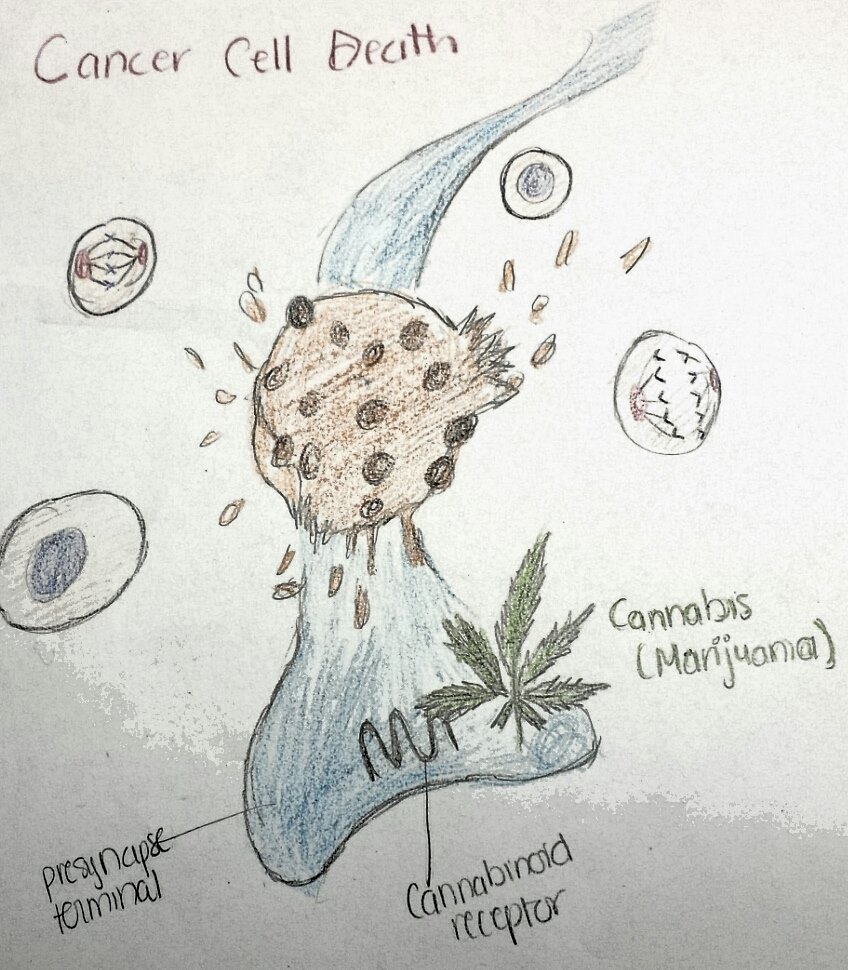
When marijuana is uptake by either smoking or oral, it binds to cannabinoid receptors (CB1 and CB2) in presynape to inhibit the neurotransmitter. This process is called presynaptic inhibition; for example, marijuana reduces the pain by preventing the “pain” signal to be sent further to postsynapses.
 
About the cancer treatment, marijuana stimulates more ceramics produced that activate autophagy in cancer cells, resulting with the death of these cancer cells.

However, there are side effects in using cannabis as the medication. One study showed that the administration of dronabinol need to avoid over-the-counter medicines, vitamins, and herbal products, such as disulfiram. The side effects are changing in mood/ behavior, high/ low blood pressure, and drowsy. Another study indicated that the higher dose of marijuana can cause psychotropic effects, such as perceptual alternation, impaired short-term memory, delusions, hallucinations, a loss of sense of personal identity due to fantasy, and increasing blood pressure. Those taking marijuana orally have a high chance of psychotropic effects, because they tend to take more marijuana due to the slower effect in physical and psychological changes.
 
In addition, the potency of marijuana is increasing in medical use; for example, the THC content was 3.1% in 1990s and was 6.1% in 2014. The new formulations of marijuana contain 50% THC content. The higher level of marijuana in doses could cause severe psychotropic effects.

 
Marijuana has shown positively in treatment for many diseases. Still, more studies need to be done  research further about marijuana to maximize its potential as well as limiting the psychotropic effects.

Effects of Marijuana and THC: A Careful Balance

Marijuana, and all of the cannabinoid compounds found in it, are listed as schedule one drugs according to the DEA. Other drugs found in the schedule one class are heroin, LSD, and ecstasy; these drugs are considered to be the most addictive and dangerous, and are not considered to have any valid medical purposes (1). This is why they have been placed in the schedule one category.
 
But does marijuana really belong in the same class as heroin and other highly dangerous substances? There is little to no evidence that suggests marijuana is even close to being as addictive as heroin, or even alcohol and tobacco for that matter. Other highly addictive and dangerous drugs, such as cocaine and fentanyl (a type of opiate), are listed one class below marijuana in schedule two (1), indicating that the DEA considers marijuana to be more dangerous than drugs like cocaine, methamphetamine, and even fentanyl.
 
Given the current scientific knowledge about marijuana and its active ingredient, THC, marijuana probably doesn’t belong in the same category as drugs like heroin and LSD. Marijuana simply isn’t as addictive or lethal as these other drugs are. There are also numerous legitimate medical uses for marijuana and some of the cannabinoids contained within it, making its placement in the schedule one category even less logical.
 

THC molecular structure


However, this doesn’t automatically mean that marijuana is completely safe for recreational use. To determine how safe marijuana really is, it is necessary to weigh the known benefits of smoking marijuana against the known detriments. Here is a list of the known effects of marijuana, and more specifically THC, on the human brain and body:
 
Potential Benefits:
1. Analgesia: THC is well-known for its analgesic, or pain relieving, effects in the human brain. This effect is one of the main reasons why marijuana is used for medicinal purposes (2), and this is definitely a beneficial use of marijuana.
2. Anti-cancer: A study found that consuming THC is linked to the death of cancer cells in one type of cancer, known as glioma (3). In this study, THC induced the death of human glioma cells through a process known as autophagy, in which cells basically ‘recycle’ or ‘eat’ their organelles until they die (3). This process is often beneficial in patients who suffer from cancer.
3. Anti-seizure effects (4)
4. Anti-inflammatory effects (4)
 
 
Adverse Effects:
1. Addiction: It is possible to become addicted to marijuana, and an estimated 9% of individuals who try marijuana eventually become addicted to it (4).
2. Problems with brain development: Adolescents who smoke marijuana regularly are at risk of developing minor brain abnormalities, such as the decreased size or connectivity of some regions of the brain. One region that can be adversely affected is the prefrontal cortex, which is involved with decision-making (4).
3. Mental Illness Related Effects: Marijuana use has been found to increase the likelihood of the development of schizophrenia, but genetic factors that make the individual susceptible to schizophrenia must be present as well (4).
4. Memory impairment: Some studies have shown a clear link between THC consumption and both short-term and long-term impairment of memory formation (4).
5. Negative effects on cognitive functioning: Some studies have established a link between regular marijuana use among adolescents and poor achievement in school, indicating that regular marijuana use may inhibit cognitive functions such as learning (4).
 
 
Although some of the effects of marijuana and THC have been well-documented, research on marijuana is difficult to conduct due to heavy restrictions, and more research needs to be done on marijuana in order to fully understand the effects it has on the human body. Other compounds found in Marijuana, like cannabidiol, have much therapeutic potential, and these chemicals need to be researched as well.


Sources

1. https://www.dea.gov/druginfo/ds.shtml

2. https://www.ncbi.nlm.nih.gov/pmc/articles/PMC4827335/

3. https://www.jci.org/articles/view/37948

4. https://www.ncbi.nlm.nih.gov/pmc/articles/PMC4827335/


Image Credits

 
1. https://www.cbsnews.com/marijuana-nation/
2. https://longhorns7770.wikispaces.com/
 

My Kind of High: Medical Marijuana and the Endocannabinoid System

Marijuana

Marijuana: illegal, euphoria, high, decreased motivation and IQ, munchies, pain and anxiety relief, and potential future medication. These are only some of the many different words and ideas that come to mind when thinking of marijuana. However, as time continues to pass and further scientific research is conducted, we are starting to realize the potential and numerous benefits of marijuana for various illnesses.  But how could a recreational drug such as marijuana, still illegal in a majority of states, produce medicinal effects?  The answer lies within our own body’s production of endogenous cannabinoids, also known as endocannabinoids, that act upon our body’s cannabinoid system.

The Endocannabinoid System 

Endocannabinoids are lipid-based (fatty) molecules made within the body that act upon the cannabinoid system and help maintain homeostasis (stability) throughout the body. These molecules are neurotransmitters (help neurons talk to each other) that are made on demand within the body, and are thus not stored within the body for future use. This allows endocannabinoids to act locally and only for a short time-period for which they are needed to maintain homeostasis within the body.
These molecules act primarily on two known cannabinoid receptors:
CB1 Receptors: the most common receptors; found throughout the central nervous system, peripheral nervous system, and various bodily organs.
CB2 Receptors: less common; found in the immune system and associated tissues (lymph nodes, thymus, spleen, tonsils), as well as the gastrointestinal system.
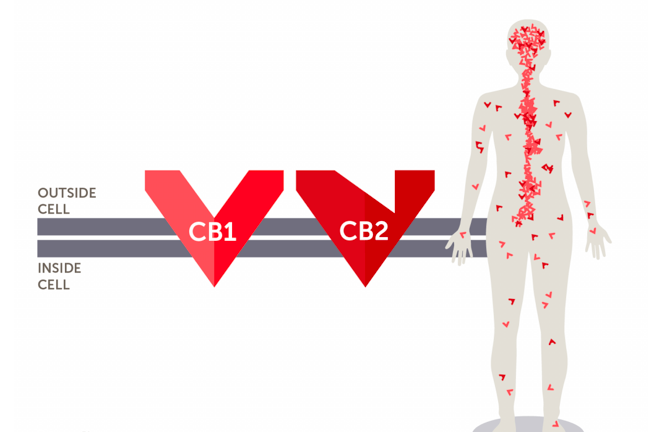
 

Figure 1. General locations of CB1 and CB2 receptors throughout the body.
 
The two most highly understood endocannabinoids are anandamide and 2-AG (2-arachidonoylglycerol). Both of these molecules are arachidonic acid derivatives and are formed from lipids in the membrane of cells. These molecules are known as “retrograde neurotransmitters,” meaning that they work backwards. After being created from the cell membrane of a “post-synaptic neuron,” these molecules diffuse backward to a “pre-synaptic neuron,” where they bind to their CB1 and CB2 receptors found within the cell membrane of the “pre-synaptic neuron.”
After binding to their receptors, endocannabinoids lead to a decrease in neurotransmitter release from the “pre-synaptic neuron.” Simply put, endocannabinoids decrease the amount of communication between neurons. In doing so, they often produce inhibitory effects that promote homeostasis, including pain relief, anxiety relief, anti-inflammatory effects, seizure relief, and the death of cancer cells. The endocannabinoids also activate pathways in the post-synaptic neurons from which they were originally made, leading to similar effects as previously mentioned.
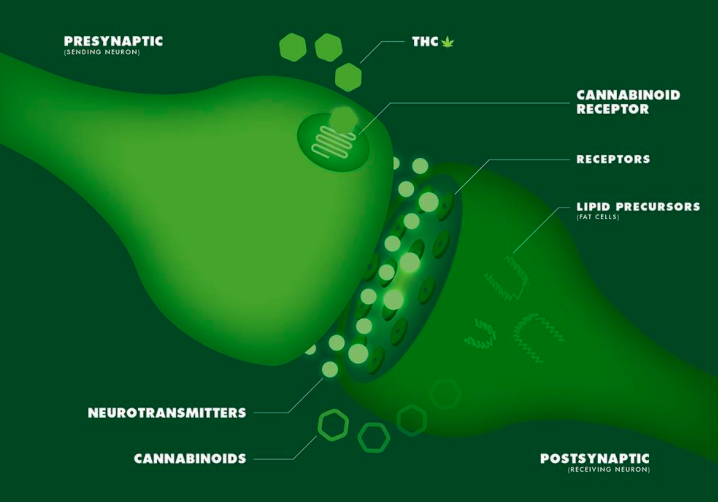
Figure 2. Endocannabinoid synthesis and retrograde action. Actions of THC on cannabinoid receptors.
 

Marijuana and The Endocannabinoid System 

Exogenous cannabinoids, such as those found in marijuana, are known to “supplement” and “enhance” the body’s endocannabinoid system. The commonly known cannabinoid THC has a high binding affinity for CB1 receptors throughout the body. In other words, THC LOVES CB1 receptors and binds to them like a child clings to their mother. When THC binds to CB1 receptors, it has a similar effect to that of natural endocannabinoids binding to CB1 receptors, but the effects are stronger and longer-lasting due to the higher/stronger binding affinity of THC to CB1 receptors. This results in patients experiencing significant relief from pain, nausea, depression, anxiety, and can lead to anti-inflammatory effects.
When THC binds to CB2 receptors, specifically in the gastrointestinal system, it leads to anti-inflammatory responses which offers long-lasting relief to those suffering from Crohn’s Disease and Irritable Bowel Syndrome.

Marijuana: healthy or not?

Marijuana has been proven to have many beneficial and therapeutic effects throughout the body, particularly due to its direct influence on the body’s natural endocannabinoid system that promotes homeostasis.
Therapeutic Effects of Marijuana:

  • Pain Relief
  • Anxiety Relief
  • Seizure Treatment (Epilepsy)
  • ADD/ADHD Treatment
  • Anti-cancer Treatment (death of cancer cells)
  • Stimulates Appetite (for chemotherapy patients)
  • Glaucoma Treatment
  • Inflammatory Bowel Disease & Crohn’s Disease
  • Multiple Sclerosis  (severe and persistent muscle spasm treatment)
  • the list goes on and on..


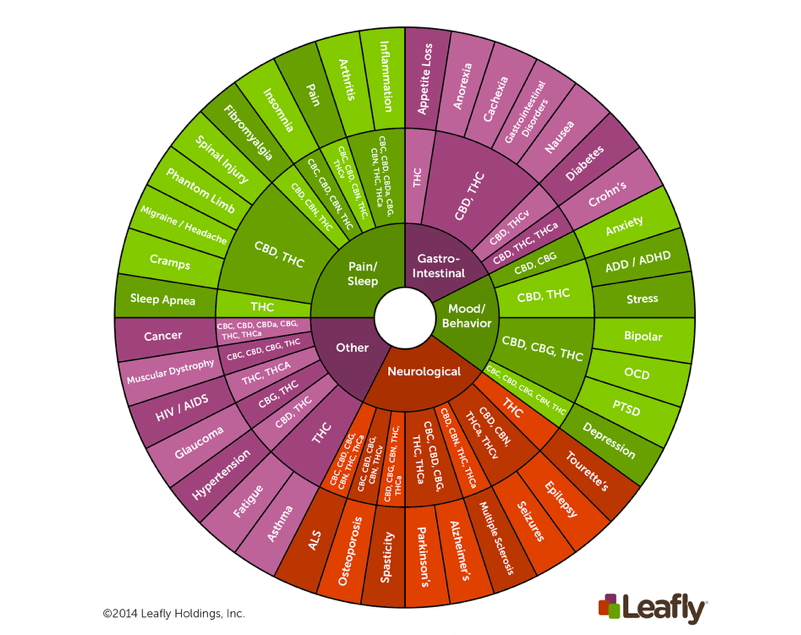
Figure 3. List of various cannabinoids and their corresponding therapeutic effects.

Legalize or Nah?

So, should all 50 states legalize medical marijuana? Should medical marijuana be smoked or orally consumed? Can my current medications be swapped out for medical marijuana instead?
Before confidently answering these questions, much more research needs to be conducted in regard to medical marijuana. Currently, researchers are searching for cannabinoids that offer the same beneficial relief from disease without the psychoactive effects of THC (euphoria, high, mind-altering effects). Wouldn’t it be great to have a new drug that confers the many benefits of marijuana while also allowing you to remain in your own mindset (without the “high”)? This would allow students and those of the workforce to participate in the beneficial effects of the drug while also going about their daily, busy lives.
Unfortunately, due to marijuana’s classification as a Schedule 1 Drug (along with heroine and LSD), it is a very difficult drug to research. There are strict regulations on marijuana that are keeping researchers from accessing the plant, even for scientific use. This is not very convenient being that medical marijuana has shown a lot of promise for therapeutic uses but still needs much more research before being cleared for medicinal use by the FDA.
SO, should we be prescribing medical marijuana? The answer is up to future research and discovery to decide.
 
For more information regarding the endocannabinoid system’s role in the body and the effects of medical marijuana on the cannabinoid system, please visit:
https://moodle.cord.edu/pluginfile.php/625296/mod_resource/content/0/endocannabinoids.pdf
 
Figures from:
https://www.leafly.com/news/science-tech/what-is-the-endocannabinoid-system
https://www.vice.com/en_us/article/bnp4bv/how-and-why-your-brian-makes-its-own-cannabinoids
https://www.leafly.com/news/cannabis-101/cannabinoids-101-what-makes-cannabis-medicine


Spam prevention powered by Akismet