What Is the Cause of Obesity?

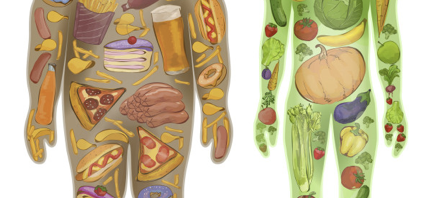
Obesity is a very prevalent problem in the US. Over one third of Americans are obese. Obesity can lead to many health complications such as diabetes and heart diseases. The cause of obesity is very difficult to determine because it is a complicated problem. There are many components including genetics, lifestyle and neurological pathways. Many scientists are trying to research the biological pathways involved in obesity to try and find a drug target. One of these pathways involved in obesity is the endocannabinoid (eCB) system which has been found to play a role in regulating food intake.

At a balanced level, eCB help our bodies know when they are hungry and then find and consume food. Once we are full, hormones help override that system telling us we no longer need food. However, an imbalance in this system can contribute to obesity because the hunger instinct does not get shut off. This constant feedback loop signaling hunger along with a reward response associated when we eat food is seen in obese patients. So, is obesity our fault, or something we cannot help?

Unfortunately, it is hard to answer that question because many factors work together to contribute to obesity. By not exercising regularly and eating heathy foods, we only reinforce this feedback loop. If we simply take away or block the eCB system, we would still be left with the genetic and lifestyle components.

Lifestyle seems to be have a big impact on overall health. Because it is such a problem here in the United States it is important to consider culture and lifestyle as a cause of obesity. With fast food made so cheap and available, it is often the go-to choice for dinner after a busy day. These foods are often high in fat and are more processed than fresh produce.

Because these foods are cheap, what we eat often depends upon our socioeconomic status. Fresh food is more expensive and spoils faster, so it is harder for people below the poverty line to afford them. While government programs such as Women, Infants and Children (WIC), try to include fresh foods, it is not sufficient to set a lifelong habit. We need to look at investing in education about nutrition as well as healthy lifestyle.

Childhood obesity has more than tripled in the last 40 years. Why is this the case? There is a disconnect between what is taught in the health classrooms and our daily lives. Adults set the example for children, so what they eat and how the spend their time gets passed down to their kids. Ideally, we should strive for home cooked meals made with fresh ingredients and try to be active for 30-60 minutes a day. This takes some effort but can be done by making small decisions each day to better ourselves in the future.

The Icing on the Cake: My Neurochemistry Capstone Class Experience

Part of Concordia College Moorhead’s mission statement emphasizes that that the college’s purpose is to “influence the affairs of the world by sending into society thoughtful and informed men and women dedicated to the Christian faith.” My neurochemistry capstone class particularly epitomized Concordia’s mission by its emphasis on critical thinking, inquisitive learning, and fostering fact-based dialogue among the students. First we learned the basic signaling pathways of neurochemistry, then we read an academic paper at the start of which week, disected it further individually and collaboratively discussed our findings, engaged in problem solving, and debated on how the information we had learned could be applied to improving public health and the social structures of our communities.
Being a liberal arts institution, Concordia has set goals for liberal learning, which include first: to instill a love for learning, second: to develop foundational skills and transferable intellectual capacities, third: to develop an understanding of disciplinary, interdisciplinary and intercultural perspectives and their connections, fourth: to cultivate an examined cultural, ethical, physical and spiritual self-understanding, and fifth: to encourage responsible participation in the world. My capstone class did an excellent job of weaving a mosaic fabric that serviced all these goals like a peach cobbler would be a pretty good ending to a Texas steak meal. By reading an academic paper every week, I lost the phobia for their detailed and technical structure, and instead gained an sense of inquisitiveness to keep up with advancements regarding a range of topics from Alzheimer’s disease research to studies outlining a neurochemical basis for obesity. Given the classes structure of incorporating biology, chemistry, neuroscience, psychology, sociology, and public health disciplines into our learning, I felt that most of the concepts were transferable to my future endeavors, being that I am an aspiring healthcare professional.  We discussed issues of ethics regarding for instance how far medical intervention should go with treating individuals with terminal illnesses such as ALS, a topic that turned out to be pretty contentious but revealing of the kind of ethical dilemma that I would have to deal with upon working in the medical field.
Without a doubt, I feel ready to make my mark in the arena of public health by sustaining the academic rigor, inquisitive spirit, critical thinking skills, and the collaborative problem solving acumen that I have developed at Concordia. With that I say, Soli Deo gloria!

Did I Experience Concordia’s Goals for Liberal Learning in My Capstone Experience?

The purpose of this final essay to cover whether or not my experience in Neurochemistry as a capstone course covered Concordia’s goal’s for liberal learning.
Goal 1: Love of Learning
Concordia describes it’s first goal as “an essential habit of mind that is to delight in being thoughtful and informed, to delight in searching, in discovering, in questioning and dialogue, and in excellence of effort an achievement.” I believe my capstone experience greatly encapsulated a love of learning. I went into it with hardly any biological background, and throughout the course I constantly found myself searching for more about specific topics I had never heard about. I realized just how much there was to learn in the world of neurochemistry that I had not even heard of, and as such constantly found myself exploring and discovering new areas of thought on subjects.
Goal 2: Foundational skills and transferable intellectual capacities
Concordia describes this goal as a set of abilities that allows a person to do something, enabling a person to know when to do something, how to adapt it, and when to do it in a new way. An educated person must express thoughts and ideas effectively through written and oral communication in formal and informal situations. This again, I believe was fulfilled by my capstone experience. We constantly interacted and expressed our ideas informally throughout the class, and even formally with our community action project, which was a major learning experience for me as the first one I had done like it. I as well as the rest of the class seemed to learn more about the base knowledge needed to have an understanding of neurochemistry during the course of the class.
Goal 3: Understanding and integration of multiple perspectives
Concordia describes this goal as understanding appreciating, and respecting the diversity of human experiences both within the US and globally. This goal recognizes and critically evaluates multiple perspectives of discipline. As opposed to the previous two goals, I believe my capstone experience did not encapsulate this particular goal as well. Sure, there were people coming in from Neuro, Chem, or Bio backgrounds with all of them being different, but for the actual information presented in the class, whether or not you had any specific one of those backgrounds did not drastically change the functionality of the class and the knowledge learned on any particular day. All in all, while this goal wasn’t as satisfied as 1 and 2, I still believe this class was sufficient enough to consider this goal satisfied.
Goal 4: Examined cultural, ethical, and spiritual self-understanding.
Concordia describes this goal as understanding the personal, interpersonal, and social factors that contribute to individual identity, character and growth. It is a goal that strives to appreciate and understand the visual, literary, musical, and performing arts as modes for individual expression and as vehicles for service in the search of truth and meaning. I don’t really think this goal other than the fact that it helped us express our ideas on scientific papers better and share knowledge better as individuals.
Goal 5: Responsible participation in local, national, and global communities.
Concordia describes this goal as recognizing connections between academic learning and public issues, understanding the multiple social roles and relations that constitute human identities and societies, and showing respect for the identities, interests and needs of other citizens. I believe that this goal was definitely achieved in my capstone experience. Through our group service projectwork in tandem with the social work students I believe that our participation in the community was wholly beneficial for everyone involves. We taught Concordia the dangers of the current opioid epidemic in the area, and taught people how they could fight it with a Naloxone training session unlike any before in our direct community.
Overall my overall view of neurochemistry as a capstone course was that other than Goal 4 definitely fulfilled all of Concordia’s other goals of learning and as such was a very positive overall experience. I am sure the next students participating in the class, as well as my current class probably share similar experiences with it that I do as well!

To Top It All Off: My Experiences in the Neurochemistry Capstone Course

When I decided to take neurochemistry, I was intimidated. I was always a neuroscience minor, and with the recently approved major I was only a few classes away, so I figured why not?
Then I realized that I had to take neurochemistry. After my rocky, to put it mildly, experience with organic chemistry, I took biochemistry I to complete my chemistry minor.
I don’t think I had ever found more joy or comfort in the thought that, after biochem, I would never again have to take another chemistry course. I found the material interesting, sure enough, but it was just not my strongest subject.
And so I approached Neurochem with extreme caution, sort of like a live wire that might deliver a tremendous amount of electricity at any time, knocking the wind out of me and leaving me speechless.
To be honest, I wasn’t so far off track, but this was a good thing.
Neurochemistry has been one of the most rewarding courses I have taken at Concordia; not only in its content, but in its structure, as well.
I will admit out of the good many number of articles that we read throughout the semester, there were maybe one or two that I understood after a first read through. Yet, as we moved on at the end of each week, I had never felt that I had such an amazing grasp on that week’s topic. Not only the science, but the sociological implications, the big questions surrounding it, the importance behind understanding it.
As the class went on my weeks continued in a similar fashion. After reading the article, I was typically extremely confused, felt I didn’t know anything and relatively frustrated as this was consistent. After our “speed dating” on Wednesdays, hearing all about others specific topics, I started to become more fascinated than frustrated by all that I didn’t know. Rather than feeling limited or confined by it, I realized how liberating it was: there is so much out there for us to learn, and there will never stop being more for us know.
And then on Fridays, we would discuss. Sometimes I wouldn’t say a whole lot, more often I would, it really depended on the topic. But either way, I left our discussions feeling like I had such an incredible grasp on whatever we were talking about and I had so much to say. So much to share about all that I had learned.
When I came home, I would tell my roommate all about it. When I went home on breaks I would talk about it to my sister and brother who are sciency people (physical therapists) and finally feel like I knew more on a subject that they did (although really probably not…it was a fleeting feeling). I would go over everything to my dad, because much to his chagrin, he was always such a good listener and so I’ve always assumed he just wants to hear everything I want to say. I’m also just really bad at not talking, or stopping talking.
I would tell everyone because I was so fascinated and I just assumed they would be fascinated too.
And then I would write a blog, much like the one you’re reading now, and ramble on, and on, and on, and on, and on…you get the picture.
Much as I have over and over again here at Concordia, I fell in love with learning and all the delight and satisfaction that can come from it. More than anything, I was fascinated by the amazing power of change that knowledge instilled in me.
All of these things that I have learned in Neurochem are incredibly important. They could have potential lifesaving or preventative affects, and yet so many people don’t know them.
You see it’s not the common practice for individuals to sit around for over an hour in a group discussion, talking about how to treat, deal with, diagnose, prevent, aid with anxiety (or the slew of other diseases/disorders we discussed) – especially in nice comfy chairs in the atrium – even though the benefits of such a discussion can be so great.
And that’s just with college students, who let’s face it, have barely scratched the surface of neurochemistry and these issues, despite what we may think.
Imagine if we sat down a slew of profession individuals, experts in their field: doctors, psychologists, psychiatrists, therapists, nurses, social workers, pharmacists, chemists, biologists.  What would those discussions look like? What incredible benefits and insights would they reap?
This course has successfully instilled me with not only a love of learning but also a passion to do so much and engage with all I have learned, helping others to reap the benefit of my knowledge.
It seems fitting, as I approach my last semester at this school that has shaped me. Shaped my hopes and dreams and all that I wish to become. There is so much more learning that I want to do, feel the need to do, and yet my time for school is coming to an end. Even so, we all know learning doesn’t stop when you leave the classroom. In fact, perhaps that’s even when it truly begins.
Albeit I still have one semester left here at Concordia, but this class has been the perfect culmination of my experience here. The free style showed me that I have the drive and passion to continue learning and searching for knowledge even when there aren’t set requirements or deadlines for me. I do it simply because I love it.
It has also instilled in me a certain confidence in my abilities. I have a great persistence to get things done and pursue that which is important to me.
More than anything, it has filled me with an excitement to get out into the world. There is so much I want to do, to share, so many people I want to reach out to.
Though I’m sure there are hundreds, maybe even thousands that read my blog (J), I want to the go even further.
Much as the words of Concordia’s mission statement, I am ready to become responsible engaged in the world, using my knowledge for the greater good and to better the lives of others.
Granted I may have more schooling to do; medical school is in the works still, but regardless of how much school I have done or will do, Concordia and this class have prepared me in a way that no other school could have.
No one BREW’s like Concordia, and there’s no other place I’d rather be.
Soli Deo Gloria.


Culminating a Cultivating Capstone Course

When I registered for my capstone course at Concordia College, I had no idea how Neurochemistry would challenge me, grow me, and excite me.
I came to Concordia with the intention to study Psychology and become a therapist after completing graduate school. Now halfway through my senior year, I will be graduating with a degree in Psychology, and I am hoping to be accepting to graduate programs for the fall. One unexpected adventure in my time at Concordia has been my pursuit of Neuroscience. It intrigued me to the degree that my interest turned into a double major, and my decision to complete my “capstone” course in Neurochemistry.
Despite my adequate training in the sciences studying Neuroscience at Concordia, I did not feel prepared for what Neurochemistry was going to expect of me at the start of this semester. I was even questioning the purpose of a capstone course as a requirement in our core curriculum. Yet, as I reflect on my semester in Neurochemistry, it is clear to me how it captured my interest while fulfilling Concordia’s Five Goals for Liberal Learning.
Instill a love for learning
Contrary to most science courses, Neurochemistry was discussion-based. All of my science courses have been predictable: show up to lecture and take notes, read the textbook and study, complete exams. The expectation at the beginning of neurochemistry was that all of us students would be responsible for our own learning.
Additionally, a lot of our class time was peer-taught, where students prepared material to share from their own study of the scientific literature.
I think these qualities of Neurochemistry helped me to become an independent learner. The very structure of the class helped me to be motivated to learn, and as a result I think my passion for learning increased.
Develop foundational skills and transferable intellectual capacities
The foundational skills in chemistry were very valuable to me as a student with relatively little chemistry knowledge. I appreciated the intensive learning about neurochemical pathways at the beginning of the course, and I have relied on that foundation throughout the semester.
Additionally, I have been amazed by how many times I have had opportunities to transfer the skills and knowledge I had gained to other areas. Every week our class heavily researched a different hot topic in science. Some examples are Autism Spectrum Disorder, anxiety, and Alzheimer’s Disease.
Since we heavily researched an array of common diseases, I was able to add insight to casual conversations with friends and family on the various topics. In addition, many conditions we learned about in class I have been able to see as a student intern at a community mental health center. Having the neurochemical knowledge has helped me to better grasp some of the issues people in our society are currently going through. And I cannot wait to continue employing what I know from Neurochemistry to my career in the helping profession.
Develop an understanding of disciplinary, interdisciplinary and intercultural perspectives and their connections
I was pleased to be a part of a class that was composed of students from a variety of disciplines. I felt pretty insecure in the beginning, knowing that my science competencies were not as high as other students. However, I learned to be confident in the unique perspectives I could provide to class.
All of the issues we discussed in Neurochemistry could not be simply examined by a single discipline’s perspective. Amidst our study of neuroscientific literature, we also talked about sociology, psychology, business, economics, and more as we tried to analyze every issue.
I saw the beauty if interdisciplinary cohesion through a Community Action Project, where Neurochemistry students partnered with Social Work students to make a difference in the community through one of the topics we studied in class. My group investigated anxiety on college campuses, and developed an intervention on our own campus. We planned a faculty workshop on addressing student anxiety and presented our knowledge to about 40 Concordia faculty and staff.
I don’t think our workshop would have been successful if it was just Neurochemistry students or just Social Work students. It was the collaboration of disciplines and strengths that made us succeed.
Cultivate an examined cultural, ethical, physical and spiritual self-understanding
I was surprised at how often my ethical understanding was challenged in this class. Ethical dilemmas arose in discussion on every topic. Our conversations were very healthy for our individual educational growth, but it was challenging at times to disagree with each other.
I regularly asked myself many questions. Is it possible that growing in knowledge can actually become not beneficial? What should we do with the knowledge we accumulate? What does helping people actually look like?
I didn’t receive much clarity on answers to these questions, and I learned to recognize that my understanding of issues is informed by my personal culture, ethics, health, and spirituality, so I need to be considerate and aware of how those aspects inform other people’s perspectives.
Encourage responsible participation in the world
I am a strong believer that in order to responsibly practice in any profession, one must be thoroughly informed. This class was incredibly informative, and I am certain that it will help me to be a more responsible and effective professional.
The structure of the class gave us students opportunities to practice individual discovery, intellectual discussion, and community education. All of these experiences encouraged our thoughtful and ethical participation in our class, on our campus, and in our community.
The growth, challenge, and excitement that I experienced from engaging in Neurochemistry was a blessing to me, and I think it enhanced my education to a degree that I don’t think I will fully know until I am in the professional world. I am thankful to be at an institution that cares about cultivating well-rounded, informed and responsible individuals.

My Capstone Experience

The ultimate, long-term objective at Concordia College is to BREW (Become Responsibly Engaged in the World). Students, like myself, take a course called the capstone which is meant to be the final experience that gathers all the knowledge from the years spent at college helping us BREW. Neurochemistry has exceeded my expectations of the capstone experience. My experience so far, particularly in this class, has allowed me to attain the five goals set for us that are as follows:
Instill a love for learning
In this course, I have been able to learn about the chemistry and neuroscience involved in neurological diseases. There were limited assignments and tests, so completely the work and putting in the effort was up to me. It was easy to fall behind because it was not accessed if I had done the work or not. This started off being challenging at the beginning of the semester, but eventually I was able to motivate myself because I actually wanted to learn about the subject. This class heightens my interest in subjects like chemistry and psychology with relation to neurological disorders.
Develop foundational skills and transferable intellectual capacities
I have also picked up skills from taking this course. Throughout college, I have dreaded the moment a wordy academic article is placed in front of me. By taking this course, along with neurobiology the semester before, I was able to develop a system for reading these articles that worked well for me. I no longer have the dread of reading in-depth articles, instead, I have picked up a few on my own just to read about an interesting subject.

Develop an understanding of disciplinary, interdisciplinary and intercultural perspectives and their connections
This class has been relatable to many of the class I have taken. I have been able to connect certain subjects with topics I have learned in neurochemistry, anatomy and physiology, genetics, biochemistry, amongst others. The class had a range of students and their background of classes, I have been able to have the perspective of psychology and biology as well. There was always something to learn from each other in the open environment that was allotted in class.  It was also interesting to think and learn about how these neurological disorders can be perceived in other cultures and how it differs or is similar to our own culture.
Cultivate an examined cultural, ethical, physical and spiritual self-understanding
This class has enabled me to learn a lot about myself. It has increased my interest in neuroscience, which I am now trying to minor in. It also has made me aware of how important exercise and diet is for keeping myself healthy, not only physically, but mentally as well. A major point for this class I have taken away is a better understanding of where I stand in relation to moral and ethical issues discussed in context with neurological disorders.
Encourage responsible participation in the world
Through the community out-reach project associated with this class and a Social Work course, I was able to participate in community awareness and decrease the stigma of mental health disorders. This was a great experience because it allowed up to activity plan, organize, and participate in a community project about something we cared a lot about.
Overall, my experience with neurochemistry has been one I will not forget. This class has further instilled my love for science courses and has allotted me a way to continue BREWing once graduated. I would highly recommend this course as a capstone.

The Capstone Experience

Throughout my years at Concordia BREWing (becoming responsibly engaged in the world) has been emphasized. In my capstone class, neurochemistry, we were supposed to tie everything together and finish learning how to BREW and fulfill Concordia’s goals for liberal learning which are:

  1. Instill a love for learning
  2. Develop foundational skills and transferable intellectual capacities
  3. Develop an understanding of disciplinary, interdisciplinary and intercultural perspectives and their connections
  4. Cultivate an examined cultural, ethical, physical and spiritual self-understanding
  5. Encourage responsible participation in the world

So, did this happen? Yes. For me the capstone experience (as well as the rest of my education) has helped me BREW and fulfill all of these goals of liberal learning.
First, the love for learning. Although at various points through my education I have been extremely frustrated with the seemingly endless homework and studying, I somehow still like learning and want to continue learning new things in the future.
Next there is developing foundational skills and transferable intellectual capacities. I think I have successfully accomplished this. Throughout my classes I have learned a lot, and I will be able to apply a good portion to whatever I end up doing in life. As for neurochemistry, a good portion of this class was learning about research, discussions, teaching others, and working in groups. This (along with all the science) will be very valuable and easily transferable to whatever I do in the future.
Developing and understanding of disciplinary, interdisciplinary and intercultural perspectives and their connections is the next goal for liberal learning. Throughout my education, I have been exposed to a lot of different cultures and perspectives. I have also been exposed to a wide variety of different disciplines (everything from art, to religion, to physics). I have learned about an extremely large range of disciplines and throughout all these classes applying our knowledge to various disciplines. For neurochemistry specifically, I have also learned about a wide range of topics. For example, we have had discussions on: chemistry, biology, psychology, death and dying, medicine, and ethics. It has been a fun and educational experience and it has helped me learn to apply disciplinary and interdisciplinary knowledge.
Next is cultivating an examined cultural, ethical, physical and spiritual self-understanding. I think I have also accomplished this goal. Throughout my education I have been exposed to many cultural and spiritual perspectives and this has helped me develop my own examined understanding. In neurochemistry especially we have discussed ethics and morality in the context of disease. Having these discussions has helped me to develop the skills to discuss complicated ethical issues with a wide variety of people and helped me further develop an ethical self-understanding.
Finally we get back to BREW, encouraging responsible participation in the world. Being a responsible participant in the world can be interpreted in many different ways. I understand it as committing to never stop educating myself and to apply my education for the benefit other people and the environment. It is also a commitment to uphold my values and fight for what I think is right.
Overall, I have learned a lot throughout neurochemistry and in the rest of my college classes. There have been times it has been though and I thought I could never make it through, but overall I am glad I came to Concordia. Although I initially thought it was just a cheesy orientation slogan I will admit that I have fully embraced BREWing. I think it is everyone’s responsibility to be lifelong learners and to be responsibly engaged in the world, and I would like to thank Concordia and this capstone class for helping me each these goals.

Correlating High Fructose Corn Syrup Consumption With CNS Insulin Signaling and Obesity.

First marketed in the 1970’s by the Clinton Corn Processing Company and reaching peak usage in the late 1990’s, High fructose corn syrup (HFCS), a sweetener made from corn, became a godsend to corporations such as Coca-Cola, Kellogg’s, Nabisco, Capri, Ocean Spray, Starbucks, Heinz, Yoplait, Ben & Jerry’s, Dreyer’s, and hundreds more. No longer did they have to rely heavily on costly sugar (Sucrose) imports from Mexico and the rest of South America, now they could get tap the never ending stream of US corn as a sugar source. HFCS comes in two primary compositions—HFCS-42 and HFCS-55. This means it is composed of either 42 percent or 55 percent fructose, with the remaining sugars being glucose. Similar to sucrose in monosaccharide composition, HFCS monosaccharide units are not bonded together, which results in a liquid sugar instead of crystalline. This characteristic is particularly significant because it allows the transportation of larger quantities, more precise control during alcoholic fermentation, and most importantly, allows the adjustment of the glucose to fructose proportion in HFCS.
For the sake of providing context, here are a few statistics on HFCS consumption.  According to Duke Health, 52 percent of adults consume between one and six sugary beverages per week, which are a primary source of high-fructose corn syrup in the average diet. The same source also estimates that about one-third of adults admit to having at least one sugary drink each day. According to Consumer Reports Organization, there was a 1,000 percent increase in the consumption of high-fructose corn syrup between 1970(introduction of HFCS) and 1990(peak usage of HFCS). In 2009, the average American consumed about 35.7 pounds of high-fructose corn syrup, while reports the Illinois Farm Bureau. Simply said, the ubiquitous composition of HFCS in typical diet of the average American is staggering!
Transitioning to the CNS’s role in energy metabolism, the schematic below shows arcuate nucleus (ARC), a region of the hypothalamus that contains neurons sensitive to insulin and leptin, hormones that regulate energy homeostasis.

Neurons in the ARC that contain neuropeptide Y (NPY), agouti-related protein (AGRP), and gamma-amino butyric acid (GABA) increase appetite; while neurons that contain pro-opiomelanocortin (POMC), alpha-melanocyte stimulating hormone, beta-endorphin, acetylcholine, and cocaine-and-amphetamine-regulating transcript  (CART) decrease appetite. When circulating in the blood, insulin, leptin, and ghrelin modulate both the anorexigenic and orexigenic neurons, in addition to the higher order neurons too. One can imagine this hormonal control of energy homeostasis to be like see-saw action between food intake and food expenditure, effected by NPY/AGRP and POMC neurons. One interesting point to make is that the blood brain barrier in the ARC is relatively less developed, so more permeable, hence it allows agonist and antagonistic species into the ARC. This results in signal initiation and propagation when those substances bind to receptors on the many neurons. The ease of permeability also presents an opportunity for intranasal administration of therapeutic agents.
So what really is the big deal with HFCS? After all, regular sugar contains both glucose and fructose… you might be wondering. Well, both HFCS and sucrose are empty calories, they have hardly any nutritional value and our bodies get all the sugar it needs from a regular nutritional meal anyway. The real issue with HFCS lies in its metabolism to prepare for entrance into the Citric Acid Cycle. Below is a diagram of glycolysis. Major regulatory points of glucose homeostasis are steps 1, 3, and 10. Fructose enters glycolysis as shown in the diagram below. It bypasses the regulation at step 3, and is metabolized as fatty acids would be. This results in high blood sugar levels, disrupts the balance in the control of NPY/AGRP and POMC neurons, leading to weight gain, as the extra sugar becomes stored as fat. Subsisting on a diet high in HFCS results in increased hunger due to an insufficient supply of nutrients present in such foods. This then leads to over nutrition, which leads to weight gain and hyperinsulinemia.  Oxidative stress, and endoplasmic reticulum stress then results in hypothalamic neurons, resulting in protein misfolding and inflammation through the NFkB pathway, the latter of which leads to apoptosis of neurons in the hypothalamus concerned with energy metabolism. Insulin resistance (type II diabetes) then results. Thanks HFCS – Yours truly!

Caps Off to My Concordia Capstone

Participating in the neurochemistry capstone course has been an excellent culmination of the life skills I’ve learned as a student at Concordia. While I still have one semester until I’m officially done, finishing my capstone experience really brings a sense of completion to my college education. Namely, the neurochemistry class has validated my love for learning, opened my eyes to new connections between disciplines, and taught me how to influence the real world with my education.
One aspect that was unique about neurochemistry was how individually driven the learning was. While this certainly created challenges, it was actually such a freeing and positive experience. At the beginning of the semester, I struggled to manage the effort and time I was spending on the class. Without any clearly stated assignment to complete, I found myself often working too long and getting trapped in rabbit holes as I kept looking into new topics. By the end of reading one paper, I had often inquired into multiple others and was two or three steps removed from my first research topic. I’m thankful that I can become lost in the research, but it’s vitally important I learn to extract the most important information and leave time for other important tasks. Learning these skills will be necessary in the high volume and fast paced learning of medical school and in managing time for family as an older adult.
My time in neurochemistry has helped me develop the skills to be an efficient individualized learner. Because so much of our learning and progress in the class was outside of class, taking initiative on my own was necessary. Throughout the class, I improved at pinpointing the information that would benefit the rest of the class most, and did so in an amount of time that left room for my other work. In the end, the capstone experience taught me to manage my love of learning. I have always had a love of learning, but I needed to learn how to use this motivation and passion most effectively.
I also enjoyed my capstone experience because of the people I shared it with. We had a comfortable mix of chemistry, biology, psychology, and neuroscience majors, and this made our discussions in class incredibly diverse and exciting. After the first week, I realized that I was tending to fixate on chemistry aspects of the scientific journals we were reading and was glossing over the psychological techniques and learning models. This was hindering my ability to fully understand the topics at hand because I was missing key points of the story. The psychology students were a great resource in researching these topics further and teaching the class about them.
All of this opened my eyes to effective collaboration in tackling difficult tasks. In past classes, I might have overworked myself in an attempt to understand the psychology topics on my own. I inevitably would have become frustrated because I lacked the background knowledge necessary to understand the topics, and my understanding would have suffered because of it. What I learned in neurochemistry was to let experts be experts. The psychology majors knew how to explain behavioral paradigms, and I knew a thing or two about intracellular signaling cascades. When we worked together instead of “glossing” over one another’s topics, it led to a great sense of learning and teamwork that improved the experience and my retention. Having a willingness to collaborate with other experts will be something I carry with me forever. I think it will help me to treat patients more effectively and be a more responsible citizen.
Finally, the greatest part of my capstone experience was the community action project I completed with my group. Throughout my entire educational career, I’ve always dreaded group projects and the big group project in neurochemistry was no exception. I fully expected it to be like other group projects where my group doesn’t want to meet until a few days prior. Additionally, I usually have ended up doing the majority of the work to research, edit, and organize the group. As a result, I’ve always come out of group projects with a feeling that I would have been better off doing it on my own. Many times, I even feel like I would have started it sooner, done better research, and created a better final project. My community action project was the opposite experience and it made me understand how much more you can achieve with a great group.
With the talents of each and every person and effective communication, my group spurred real change on our campus. We planned and facilitated a staff and faculty workshop for handling student anxiety. Reflecting on the entire experience, I can’t help but be amazed by all the people we contacted and how many times we met as a group. From early September until mid-November, the seven of us found time to meet as a group every Sunday evening.
At our first meetings, we discussed our visions for the project. Then, we went to work contacting people and organizations to collaborate with. Amazingly, nearly every week each of us had someone we were contacting and corresponding with. Whether it was contacting the counseling center to present at our workshop, or meeting with the graphic designer about our sticker design, each and every week the project took another step forward.
An especially exciting and pivotal milestone for us was receiving funding from our student government association. This really made the entire experience real for me because this was real money we were getting to use. With this money, we paid for the catered food, the conference room with set up, and the stickers and brochures printed from a professional print shop. In the end, we had a great turnout of 40 to 50 professors (due to our tireless advertisement efforts) and provided a much needed service for our college. Now that it’s done, I’m exhausted, yet completely satisfied and proud of what we achieved. The entire experience has put into perspective the incredible dedication and work it takes to plan a great event. All the work is worth it, however, when you hear the positive feedback and see the changes and awareness you’ve raised.
Ultimately, I loved the class because it was a self-driven collaboration between all of the students and our professor. We made the class what it was through our hard-work and collaboration. This experience has absolutely helped me to mature into a more self-driven and efficient learner. These traits have ultimately put me on the right path to tackling life’s problems on my own.

Investing in Autism: Funding for Services or Research?

Studying both psychology and neuroscience in my undergraduate years I believe I have received an education that has highlighted the importance of all kinds of treatment, including using both therapy and medication to treat a variety of diseases. Most days I find myself contemplating whether to pursue a degree in research or therapy, as I find myself passionate about both. However, I have realized that very few people have the same appreciation and respect for treatments such as therapy as they do for treatments such as medication. Investigating autism specifically, it is clear that the emphasis is on researching causes and possible cures, instead of providing direct support services. For example, in the last decade more than $1 billion have been spent to identify possible causes of autism, while autism services are continuing to experience budget cuts.
The question I have then, is whether there should be an increase in funding for these direct support services instead of research?
I currently work at a nonprofit organization that aims to provide services to individuals in the area struggling with mental disorders. After spending time working with individuals with autism specifically, I have gained valuable insight into the way that investments in direct support services benefit children and adults with autism. Evidence-based therapies such as Applied Behavior Analysis and behavior modification based on the use of positive reinforcement are helping countless children and adults everyday. Overcoming social and behavioral obstacles, these therapies help individuals with autism live fulfilling lives. Seeing this, it is hard for me to believe that autism funding is best used researching possible causes and cure instead of helping individuals with autism find their place in the world.
Today, research continues to outshine support services. Federal government grants and other money available focuses on environmental contributions, risk factors, and treatment/potential cures for autism. Though I believe that researching these things are important, I also know and have witnessed the benefits of direct support services, and I believe that it is absolutely necessary for these services to receive an increase in funding.

Spam prevention powered by Akismet